







The landscape of luxury watchmaking is a complex ecosystem, and at its apex sits the Chief Executive Officer (CEO), a figure whose influence, though often varied, is undeniably pivotal. The path to this leadership position is far from standardized, forged through years of dedicated experience within the industry, mentorship, and opportune moments. Unlike professions with clearly defined educational pipelines, watch brand leaders emerge from a crucible of practical application and accumulated knowledge, not from academic institutions churning out executives. This inherent diversity in their origins mirrors the vast spectrum of roles and responsibilities they undertake.

The Diverse Spectrum of Leadership in Horology
The archetype of a watch brand CEO is not monolithic. Some leaders are deeply rooted in the horological craft, having begun their careers as watchmakers or engineers, driven by a profound passion for mechanical precision. Their leadership is often characterized by an intimate understanding of the product and its heritage. Conversely, other executives may prioritize the commercial aspects of the business, focusing on growth strategies, market optics, and the cultivation of brand demand and cultural relevance, sometimes with a more detached approach to the intricate details of watchmaking itself. This divergence in motivation and expertise is reflected in the varied titles held by these leaders, which can range from CEO and Chairman to General Manager, Managing Director, Creative Director, Founder, and various Product or Category Directors. The specific title and scope of authority are frequently intertwined with the brand’s business model, whether it operates as an independent entity, a family-owned business, or as part of a larger corporate conglomerate. This inherent variability underscores the fact that while the ultimate goal may be brand success, the journeys and methodologies of its leaders are as distinct as the timepieces they oversee.
The Critical Juncture of Leadership Transition
The significance of a watch brand CEO’s role becomes acutely apparent during periods of leadership transition. When a CEO departs or a new leader is appointed, the implications for a brand can be profound, potentially altering product lines, marketing initiatives, brand identity, and even pricing strategies and distribution channels. The magnitude of these changes often correlates with the size, structure, and culture of the organization. In some cases, a leadership change can precipitate a complete reorientation of the brand, while in others, the impact may be more subtle, a gradual evolution rather than a radical overhaul.

CEOs as Cultural and Creative Architects
Within the luxury sector, watch brand CEOs transcend the traditional administrative functions. They often serve as cultural and creative arbiters, setting the overarching tone and vision for the brand. This leadership extends to addressing systemic business challenges, guiding companies through various stages of growth and evolution. The author’s past engagement with this subject, including an article in 2017 exploring the qualities of an effective watch brand CEO, highlights the enduring interest in this pivotal role. More recently, there has been a growing advocacy for dissecting the multifaceted responsibilities of a CEO into specialized positions, particularly in sales and creative direction. This proposal stems not from a deficiency in the capabilities of individual leaders, but rather from the sheer breadth of demands placed upon a single CEO, which can strain even the most capable individuals to perform all aspects of their role optimally.
The Strategic Imperative of Investment Decisions
At the core of any watch brand CEO’s mandate lies the critical decision-making process regarding future investments. This is a shared responsibility across all leadership roles within the horological industry. Regardless of company size or specific title, leaders are tasked with charting the course for the brand’s efforts in the months and years ahead. The market for luxury watches is inherently discretionary; consumers do not require these timepieces in the same way they need basic necessities. Consequently, demand is not dictated by specific, quantifiable needs but rather by evolving desires and trends. CEOs must therefore navigate the uncertain terrain of predicting consumer preferences, anticipating design aesthetics, determining optimal price points, and identifying strategic partnerships for product development and manufacturing. This requires a delicate balance of financial acumen, market insight, and an understanding of the complex interplay between creativity and commercial viability.

The Art and Science of Leading a Luxury Brand
The decisions made by watch brand leaders are a fusion of cultivated intuition and personal taste, augmented by market data. While analytics and industry benchmarking provide valuable insights, they cannot fully encapsulate the nuanced dynamics of the luxury market. Leading a watch brand is, therefore, less a purely mathematical or statistical endeavor and more an artistic and creative undertaking, where emotional intelligence and conviction often carry more weight than rigid calculations. CEOs must embody the spirit of an optimistic risk-taker, possessing the technical understanding to navigate intricate supply chains and foster effective communication with engineers and artisans. This necessitates a keen awareness of market trends coupled with the courage and conviction to let personal vision guide crucial business decisions. The role demands a fluency in diverse skill sets and often requires an engagement with seemingly unrelated areas of interest.
The Unspoken Role of Instilling Confidence
Perhaps the most crucial, yet often unarticulated, responsibility of a watch brand CEO is to instill confidence. This confidence must permeate both the internal team and the external consumer base. In medium to large-sized companies, CEOs frequently act as charismatic figureheads, rallying their workforce and inspiring the end customer. While they may not be directly involved in the design, assembly, or presentation of every timepiece, their role is to imbue the entire process with enthusiasm and a clear brand vision. This vision is communicated through consistent reinforcement, the cultivation of strategic alliances, and the nurturing of strong partnerships. The intricate nature of watchmaking, involving numerous specialized tasks often performed by individuals who may never interact directly, underscores the CEO’s function as a connector, bridging disparate worlds to facilitate the seamless production and distribution of finished products. In essence, unless a company is so small that the leader must also be involved in production, CEOs may not physically create watches, but without their leadership, the wheels of production and commerce can grind to a halt.

Navigating Succession and Brand Evolution
The departure of a brand founder or leader from a smaller company can pose a significant challenge to its continued growth. While not an insurmountable obstacle, subsequent leadership often struggles to expand a brand beyond the scope envisioned by its originator. Occasionally, a new leader can revitalize a brand by fundamentally altering its trajectory, though such transformations are rare and require a leadership style that more closely resembles that of a founder than a mere custodian. These new CEOs must often introduce significant changes to core elements of the company to make their mark, a process that, while not guaranteeing success, reflects the inherent desire of leaders to imprint their personality and values onto the brands they helm. This often leads to alterations in brand personality or product offerings, and while the potential for enhancing a brand’s reputation and performance exists, there is also a considerable risk that a new leader’s desire for change may inadvertently diminish its established appeal and unique character.
The Resilience of Larger Watch Corporations
In the context of larger corporations with more extensive support staff and established HR structures, the absence of a CEO may not lead to immediate paralysis. Such brands can often sustain operations for months, if not years, without a permanent leader at the helm. The existence of a capable team to execute directives implies that the company can continue its design, production, and distribution activities, albeit with potential variations in efficiency and strategic focus. It would be inaccurate to characterize many established watch brands as defunct or incapacitated simply due to a temporary void in top leadership.

Career Trajectories and the Profit vs. Passion Dichotomy
Many watch brand CEOs who are not founders ascend to their positions through sales roles, their success in driving revenue and managing client relationships earning them the top leadership spot. Occasionally, product managers who have conceived highly marketable and profitable ideas may also be elevated. However, promotions within sales departments are a common pathway, reflecting the industry’s reliance on securing retailer and consumer orders and ensuring product delivery for payment. This internal promotion system can present a challenge if individuals are primarily motivated by profit rather than a genuine passion for horology. True success in the luxury watch sector, therefore, hinges not merely on financial acumen but on a deep understanding of consumer desires, coupled with the capability to produce desirable goods effectively, efficiently, and at a price point that resonates with the target market.
The Enduring Importance of Leadership in Horology
The departure of a watch brand CEO rarely signals the end of the company, even for brands heavily associated with the founder’s persona. Indeed, there are instances where brands have flourished under new ownership. The process of selecting a successor is a critical one, demanding careful consideration of the specific skills and values required to steer the brand forward. The author’s prior exploration of luxury brand succession challenges in 2025 delved into the complexities of identifying suitable candidates and ensuring smooth transitions. Often, the process of replacing a CEO is less strategic than the hiring of technical personnel, with appointments sometimes driven by emotional rather than purely rational considerations, unless the leader is the founder or owner.
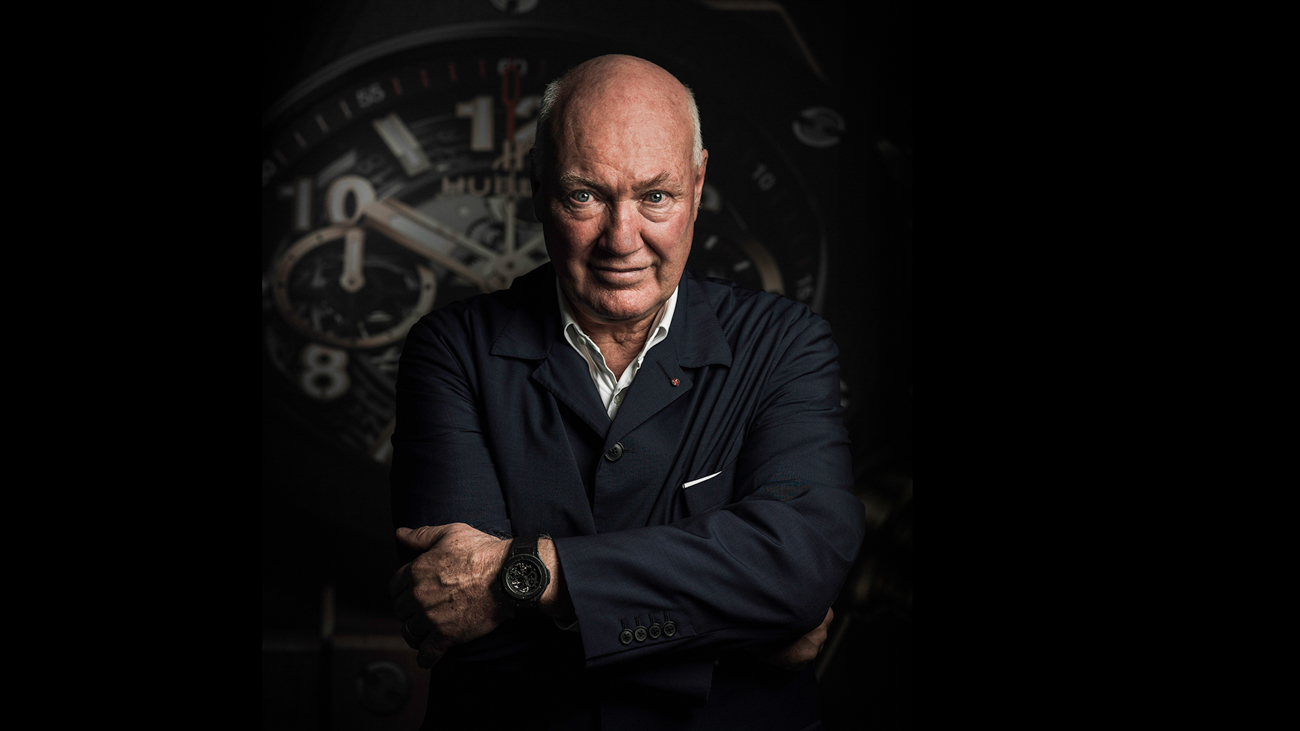
The current state of affairs sees many CEOs of medium to large watch brands as both indispensable and replaceable. While their precise day-to-day contributions may not always be transparent from an external perspective, their absence creates a palpable void. Effective CEOs often play a significant role in product design and marketing. However, their ability to delegate to qualified individuals in product innovation and manufacturing means they need not be experts in every facet of the business. The capacity for effective delegation and the ability to recognize potential in team members and creative partners are key differentiators between mediocre and exceptional leadership.
Ultimately, watch brand CEOs are visionaries responsible for shaping company direction and cultivating relationships both internally and externally. While brands may demonstrate resilience in the short term without active leadership, a strong guiding force is essential for sustained success in the luxury market. For smaller, emerging brands, a charismatic and effective leader can be the difference between obscurity and significant growth, possessing the power to transform abstract ideas into thriving enterprises. Larger companies, while more insulated from the immediate impact of leadership changes, risk becoming directionless without a guiding vision. Therefore, watch brand CEOs and leaders, irrespective of their specific titles or the size of the brand they represent, play an extremely vital role in the horological industry, their impact and duties intricately shaped by the unique characteristics of the brands they lead.