








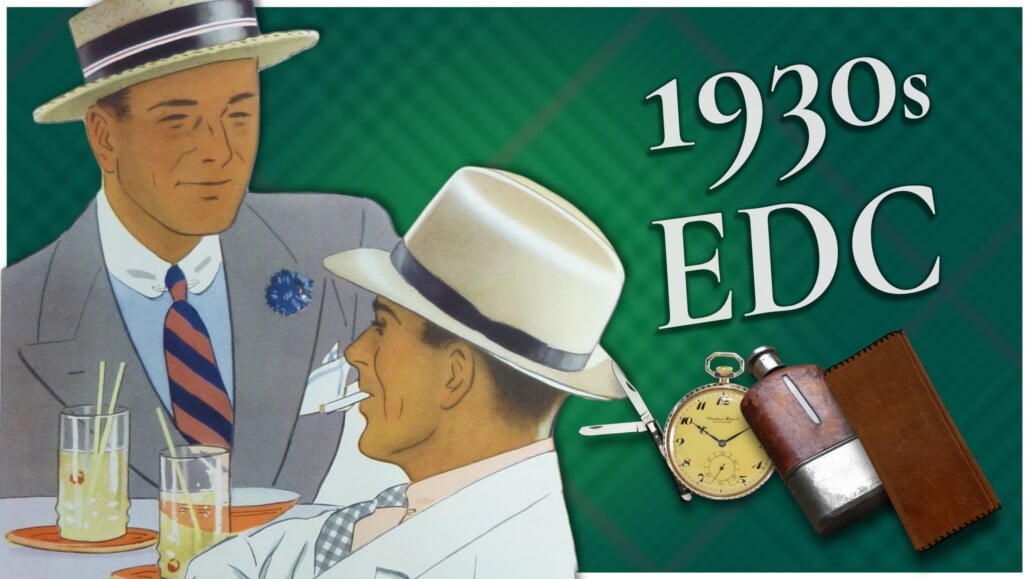
The 1930s, often lauded as the "Golden Age of Menswear," saw tailoring reach an unprecedented zenith, where personal style was not merely an aesthetic choice but a daily discipline. Yet, a gentleman’s impeccably tailored silhouette represented only half the narrative of his presentation and preparedness. What he carried within his pockets – his Everyday Carry (EDC) – was equally critical to his daily function, readiness for unforeseen circumstances, and indeed, his social standing. This period, marked by the severe economic upheaval of the Great Depression, paradoxically instilled a profound sense of resourcefulness and a heightened appreciation for the utility and longevity of personal possessions. Maintaining standards, even amid widespread hardship, became a point of pride and a silent testament to resilience. This detailed exploration delves into the essential items that comprised the 1930s gentleman’s EDC, revealing not just their primary purposes but also the deeper societal, economic, and technological contexts that made them indispensable, offering timeless lessons for preparedness and mindful consumption.
A Decade of Contradictions: Style Amidst Scarcity
The 1930s presented a compelling paradox: an era of profound economic despair, yet simultaneously a period of sophisticated sartorial elegance for men. The Great Depression, which gripped the world after the 1929 stock market crash, led to unprecedented unemployment, poverty, and uncertainty. In the United States, unemployment peaked at nearly 25% in 1933, and industrial production plummeted by half. Despite these grim realities, there was a concerted effort to maintain appearances and uphold a sense of order and dignity. This societal pressure translated into a demand for durable, functional, yet refined personal items. The concept of "Everyday Carry" during this time was thus not about accumulating luxury but about curating a selection of tools and essentials that underscored self-reliance, preparedness, and respectability. Each item in a gentleman’s pockets had a specific, often multi-faceted, role, reflecting an ethos of "waste not, want not" and an understanding that foresight could avert many daily inconveniences.

Financial Fortitude: Managing Money in a Pre-Digital Age
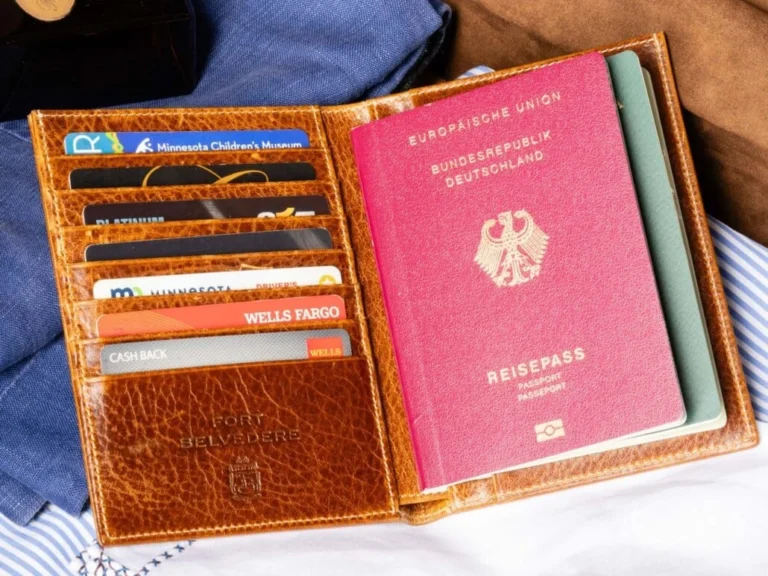
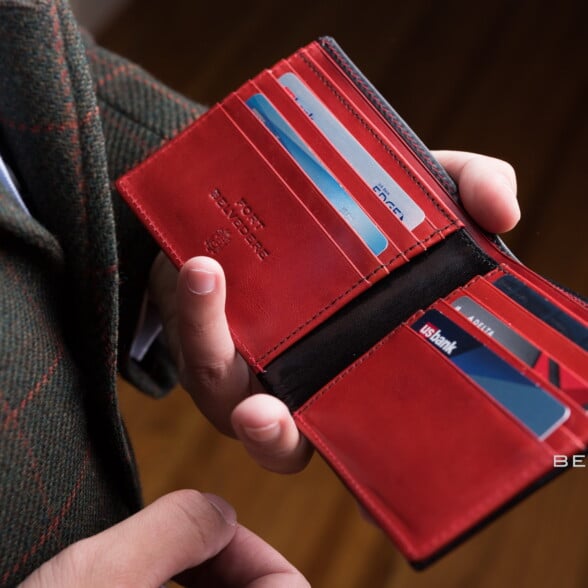
In an era predating credit cards and digital transactions, physical cash was undeniably king. The wallet of the 1930s gentleman was primarily designed to accommodate banknotes, typically folded neatly. Coins, while prevalent, were often carried loosely in a trousers pocket or a small change purse. Beyond currency, these wallets also housed a few crucial forms of identification. Driver’s licenses, which became increasingly common as car ownership grew, were essential for mobility. More significantly, the economic interventions of the New Deal era introduced new government-related IDs. For instance, the Civilian Conservation Corps (CCC), established in 1933, provided work relief for young men, requiring specific identification for enrollment and payment. The Social Security Act of 1935, a landmark piece of legislation, necessitated the issuance of Social Security cards, which quickly became a fundamental piece of personal identification. By 1939, the initial pilot programs for food stamps began, introducing yet another form of government-issued document that could be carried. The construction of these wallets reflected the times: crafted from fine leathers such as calfskin or even exotic skins, they were built for durability, signifying that even a seemingly simple accessory was an investment in long-term utility. The meticulous management of these monetary implements underscored the financial prudence demanded by the economic climate.
The Gentleman’s Tools: Utility and Preparedness
Resourcefulness was a hallmark of the 1930s, and this was clearly embodied in the practical tools carried daily. The handkerchief, for example, transcended mere hygiene. A clean, pressed handkerchief of washable cotton, linen, or silk was an indispensable item. While certainly used for personal hygiene—to mop a brow, clean spectacles, or wipe hands—it also played a crucial role in social etiquette. A gentleman might offer it to a lady in distress, use it to dust off a seat, or even as a makeshift bandage in a minor emergency. Designs were typically understated, often plain white or solid colors, with personalization taking the form of elegantly embroidered initials, a subtle mark of distinction. For men engaged in more rugged occupations, such as farmers or factory laborers, a sturdy bandana served similar utilitarian purposes, adapted to grimy conditions.
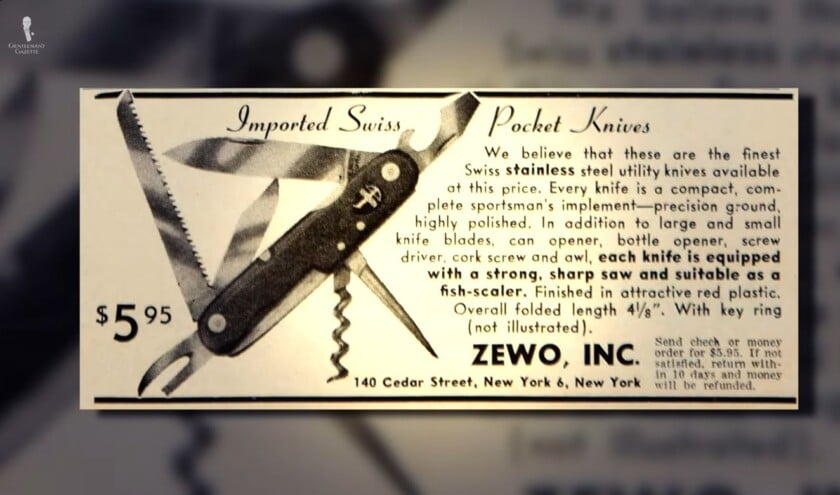
Long before the advent of modern multi-tools, the pocket knife was the ultimate discreet, elegant, and utilitarian instrument. Simple one- or two-blade slipjoint knives, often featuring handles of celluloid, Bakelite, bone, or silver, were incredibly practical. They were used for tasks ranging from opening mail and packages to sharpening pencils, whittling, or even shaving plug tobacco for pipes. This item exemplified the era’s emphasis on self-sufficiency and having the right tool readily available for small, everyday challenges.
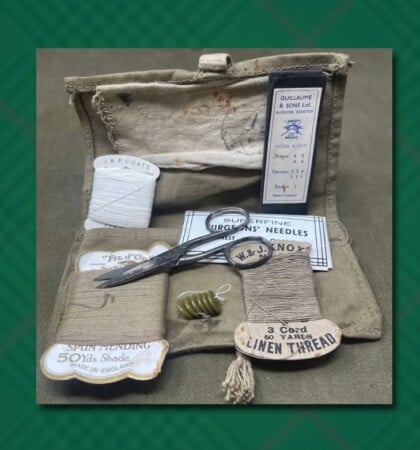
Perhaps one of the most surprising, yet historically significant, items was the compact sewing kit, colloquially known as a "housewife" (or huswife). Dating back to at least the mid-1700s, these portable kits were critical for mending clothing on the go and became standard-issue for soldiers in both WWI and WWII. During the interwar years of the 1930s, the "waste not, want not" mentality of the Great Depression made these kits indispensable. Rather than discarding damaged clothing or incurring the expense of a tailor for minor repairs, a man could handle small mends himself. Typically housed in a canvas or leather pouch, they contained essential items: steel needles, pins, various spools of thread (often in common colors like black, white, and navy), buttons, a thimble, small scissors, and sometimes wax for strengthening thread or waterproofing. The term "housewife" itself, though formally phased out by the UK Ministry of Defense in 2019 due to evolving language, highlights its long-standing role as a domestic and military essential.
Navigating Time and Territory: Access and Identity
Organization and punctuality were virtues highly valued in the 1930s. Keys for homes, cars (which were becoming more common), offices, and post office boxes were everyday essentials. These were typically kept on a simple, robust brass ring to ensure easy accessibility. A common fashion of the era saw key rings featuring a chain component, similar to those used for pocket watches, which could be attached to a belt loop, preventing loss and adding a touch of personal style. Beyond mere access, signet rings served as both a personal adornment and a functional tool. Historically, signet rings were used to seal documents with wax, authenticating them with a unique family crest or monogram. While this practice became less common in daily use by the 1930s, the rings retained their symbolic importance as a mark of family heritage, club affiliation, or personal identity, often crafted from gold and featuring engraved monograms or precious stones.
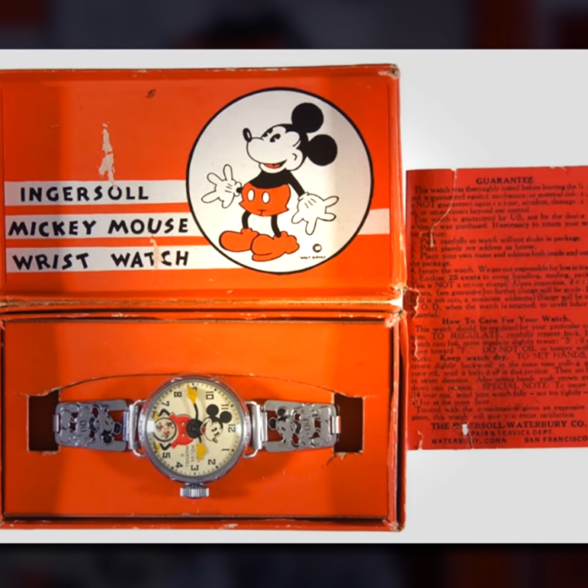
The timepiece underwent a significant transformation in the 1930s. While pocket watches had been the dominant form of timekeeping for centuries, the middle of the decade witnessed wristwatches outselling their pocket-bound counterparts. This shift was largely propelled by WWI veterans who had grown accustomed to the convenience of "trench watches" – modified pocket watches worn on the wrist for quick, easy reference during combat. Other factors contributed, including the gradual decline of waistcoats (the traditional home for a pocket watch) in men’s fashion, the rise of central heating (reducing the need for layered clothing), and a broader cultural move away from overt, ostentatious displays of wealth. The market offered a spectrum of options, from luxurious pieces like the Rolex Oyster Perpetual (debuting 1931), the Jaeger-LeCoultre Reverso (1931), and the Patek Philippe Calatrava (1932), to more budget-friendly and widely accessible options such as the Elgin Legionnaire and Bulova Banker. A remarkable example of innovation during hardship was the Waterbury Clock Company (now Timex), which famously averted bankruptcy during the Depression through a legendary partnership with Walt Disney Studios. In 1933, they launched the world’s first Mickey Mouse character watch, selling an astonishing 11,000 units on its first day at Macy’s and over two million within 18 months. This iconic timepiece not only saved a historic American clockmaker but also forever changed the trajectory of the wristwatch market, proving that even in tough times, ingenuity could thrive.
Social Lubricants and Personal Indulgences: Flasks and Tobacco
Social rituals and personal habits were also catered for in the 1930s gentleman’s EDC. The hip flask, typically crafted from pewter, silver, or glass (sometimes wrapped in leather or fabric), enjoyed significant popularity. Its prevalence was intrinsically linked to the period of Prohibition in the United States, enforced by the 18th Amendment and the Volstead Act from 1920 to 1933. While the production and sale of alcohol were strictly prohibited, its consumption was not explicitly illegal. Consequently, many American men (and women) carried clandestine flasks to discreetly transport their own "potent potables." This habit persisted even after the repeal of Prohibition in 1933, as it allowed individuals to carry their preferred beverages to taverns or pubs that might not serve them, or simply to enjoy a private libation on the go.
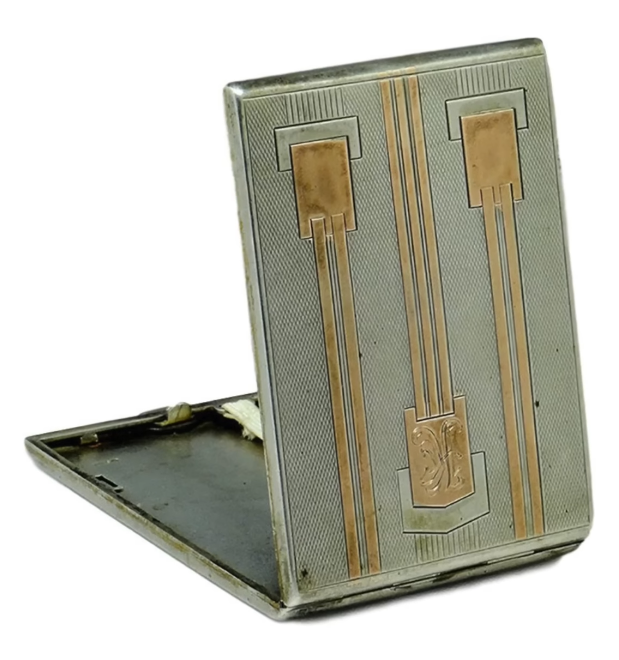
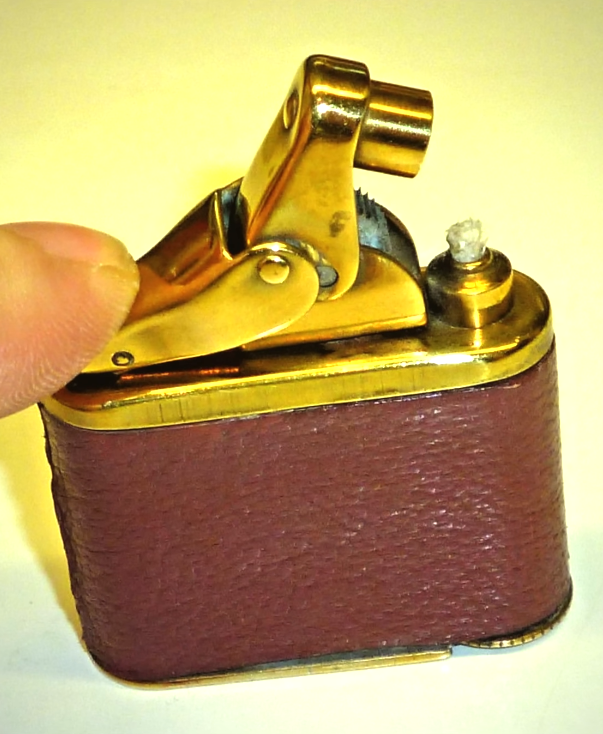
Tobacco use was a ubiquitous cultural element worldwide in the 1930s, extending across all social classes. This societal norm necessitated a range of accouterments for the smoking gentleman. Cigarette cases were a common item, used by men to transfer factory-made or hand-rolled cigarettes from their often flimsy paper packs into more robust, elegant metal cases, which were then kept in a jacket pocket. These cases ranged from utilitarian base metals to luxuriously engraved precious metals, often featuring Art Deco designs. While traditionalists still used matches, portable lighters grew increasingly common following the development of ferrocerium (a spark-producing alloy) in the 1910s. The iconic windproof Zippo lighter, utilizing petroleum naphtha fluid and a wick, made its debut in 1932, quickly becoming a symbol of reliability and American ingenuity. For pipe smokers, a different set of items was required: a durable leather or canvas tobacco pouch to keep the tobacco fresh, a tamper for packing the bowl, and a method for lighting, often a specific pipe lighter or matches. These items were not just practical; they were integral to the social rituals surrounding smoking, from offering a light to sharing a pipe with a companion.

Communication, Grooming, and Leisure: Maintaining Connection and Appearance
The ability to communicate and maintain a polished appearance remained paramount. A true gentleman was always prepared to record a fleeting thought, jot down a phone number, or sign a check. Writing instruments were predominantly fountain pens, from esteemed brands like Parker, Waterman, and Sheaffer, which were the absolute standard. These pens, often crafted from materials like Bakelite with gold nibs, symbolized an era where legible handwriting and correspondence were essential skills. Coupled with a small notebook (often leather-bound), this ensured that vital information could be recorded instantly, a necessity in a world without ubiquitous digital note-taking or smartphones.
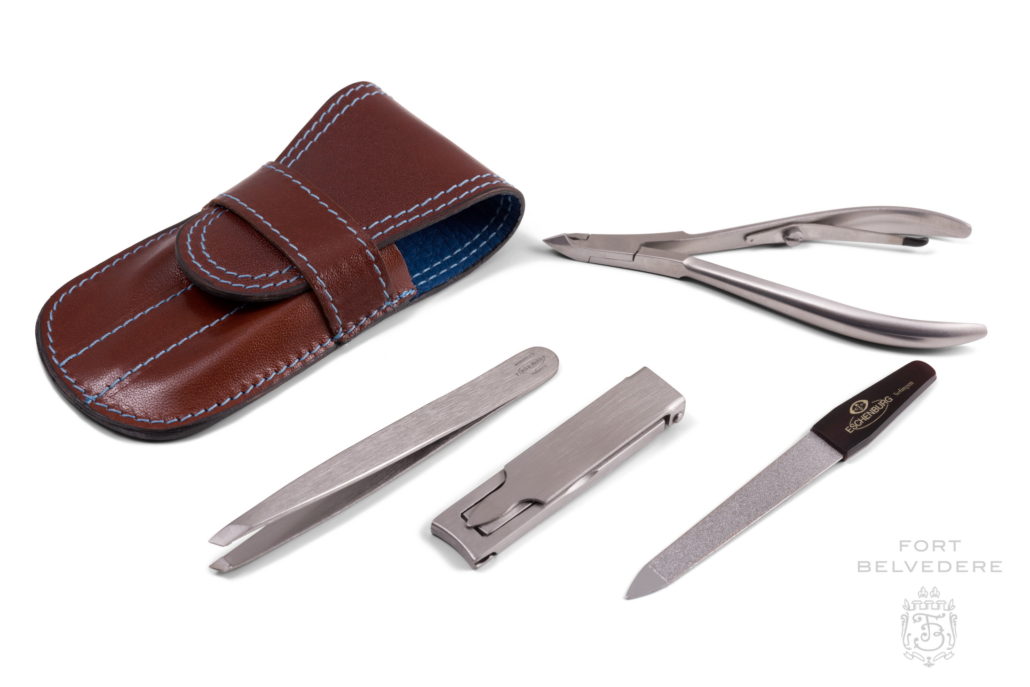
Despite the default public wear of hats, grooming standards dictated meticulous personal presentation. Proper hat etiquette required men to remove their hats frequently indoors or in certain social situations. The prevalent hairstyle of the era was a lustrous, slicked-back look, meticulously maintained with pomade. To combat the inevitable "hat hair" and ensure a consistently neat appearance, men carried a pocket comb. These combs were typically made from materials such as horn, tortoiseshell, celluloid, Bakelite, or even metal, and came in basic rectangular or oblong shapes, though folding models also existed for added portability and protection.
Beyond these practicalities, the 1930s gentleman also carried items for information and leisure. Paper ephemera was a far cry from today’s largely digital world, with much of the information about daily life conveyed on printed matter. Men frequently carried non-permanent items like daily newspapers (a primary source of news and entertainment), public transit timetables (essential for navigating cities), maps (for travel), and ticket stubs (for events or journeys). Finally, to alleviate boredom and lighten the mood during the hard times of the Great Depression, men carried novelty hand games. These included decks of cards for impromptu games of poker or solitaire, or handheld skill games featuring small metal balls, somewhat akin to miniature, pocket-sized pinball, offering simple yet engaging diversion.
The Enduring Echo: Lessons from the 1930s EDC
The everyday carry of the 1930s gentleman offers a compelling window into a bygone era defined by both profound economic challenges and an unwavering commitment to personal standards and preparedness. These items were not merely possessions; they were tools that enabled daily function, facilitated social interaction, and offered a sense of control and dignity in an unpredictable world. From the financial prudence embodied by the wallet to the self-sufficiency represented by the sewing kit, and the social grace conveyed by the handkerchief, each object held layers of meaning.
The implications for today’s world are significant. The 1930s EDC underscores the timeless value of carrying essential, multi-purpose items. It champions resourcefulness over excessive consumption, emphasizing durability, repairability, and thoughtful selection. In a rapidly evolving digital landscape, revisiting these historical practices encourages a more deliberate approach to what we choose to carry, reminding us that true preparedness lies not in the quantity of items, but in their utility, reliability, and how well they serve our daily needs and values. The 1930s gentleman’s EDC stands as a testament to resilience, adaptability, and the enduring appeal of a well-curated personal inventory.