









The fashion and retail industries are currently experiencing an unprecedented wave of executive leadership changes, reflecting a dynamic market grappling with evolving consumer demands, digital transformation, and strategic realignments. From iconic luxury houses seeking fresh creative visions to high-street giants bolstering their digital capabilities and activewear brands expanding globally, a flurry of appointments, resignations, and promotions underscores a sector in constant flux. These shifts indicate a concerted effort across the board to adapt to new market realities, enhance brand identity, and secure future growth amidst both opportunities and challenges.
A Sweeping Overview of Executive Transitions
The past year has seen a remarkable turnover in top-tier positions, with companies strategically placing new talent at the helm to navigate complex market conditions. Key roles such as Chief Executive Officers (CEOs), Chief Financial Officers (CFOs), Chief Commercial Officers (CCOs), Chief Marketing Officers (CMOs), and Creative Directors are being redefined and filled by individuals poised to steer brands through periods of intense innovation and competitive pressure. This period of change highlights a collective industry pivot towards agility, digital-first strategies, and a renewed focus on brand narrative and consumer engagement.
Luxury Sector Embraces New Creative and Business Leadership
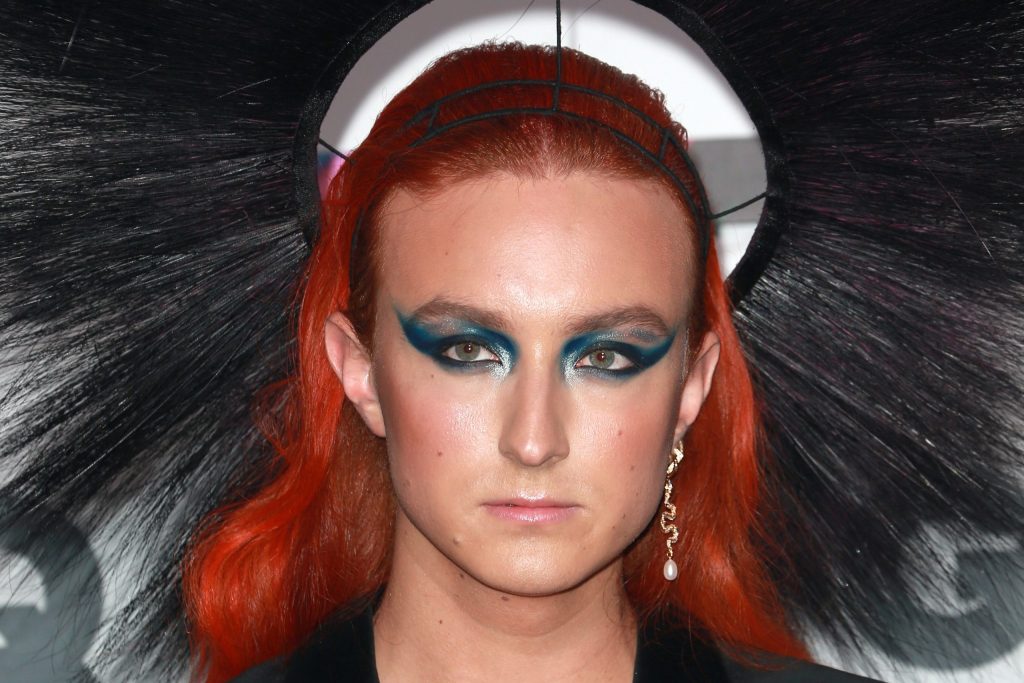
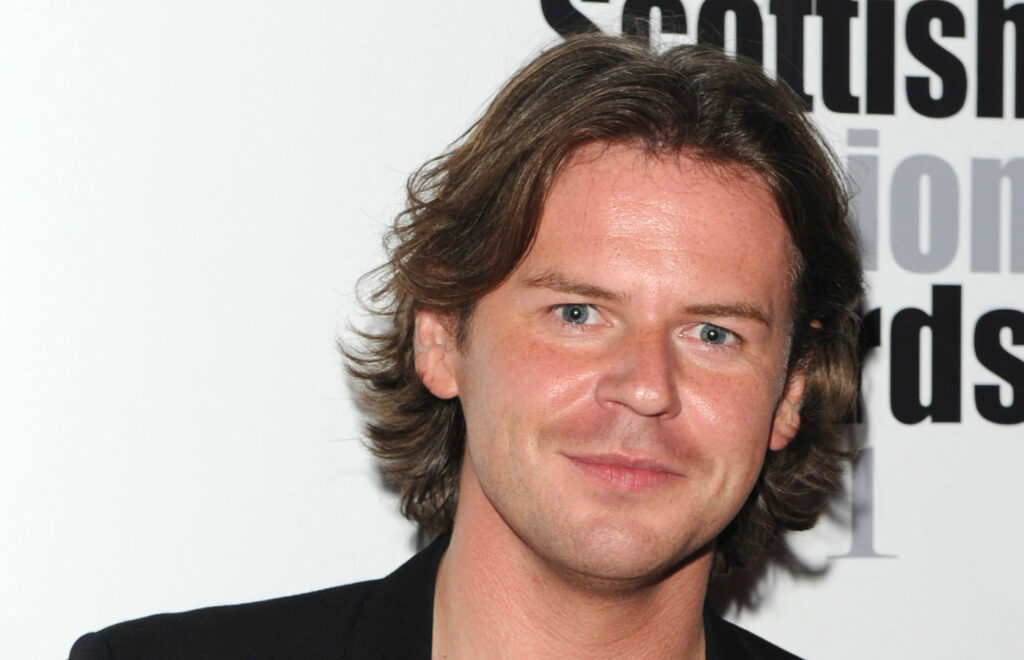
The rarefied world of luxury fashion is witnessing significant changes in its creative and corporate leadership, signaling a strategic intent to rejuvenate brand aesthetics and market positioning. Mulberry, the British luxury brand, is set to revitalize its ready-to-wear offerings with the appointment of Scottish designer Christopher Kane to lead this strategy. This move aims to inject a new creative energy into Mulberry’s apparel lines.
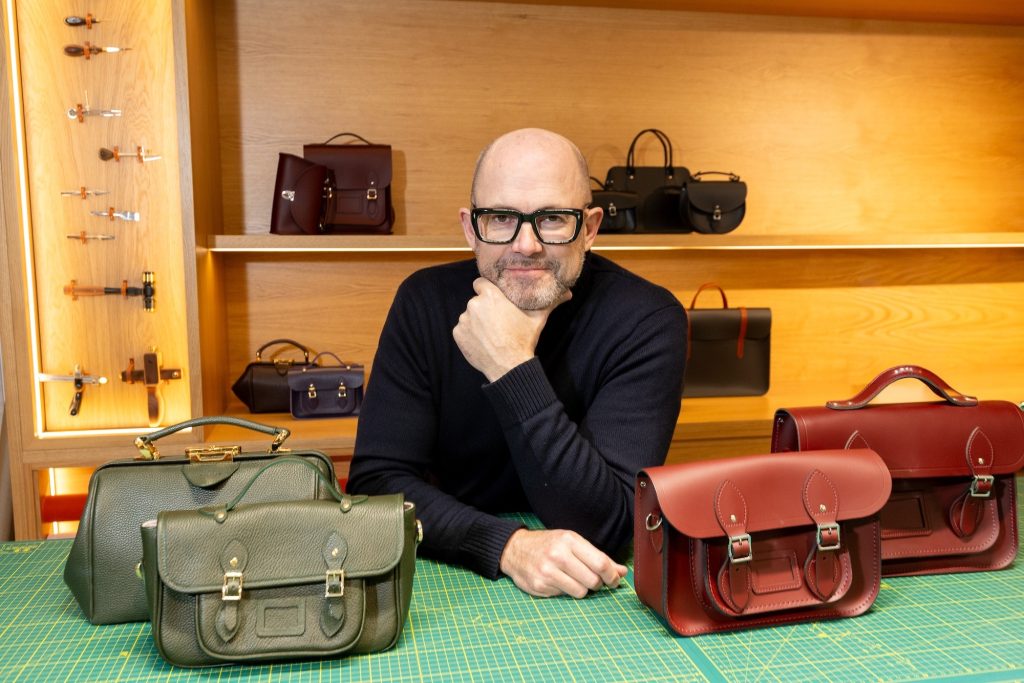
Across the continent, major European luxury conglomerates are also making pivotal changes. Versace is undergoing a significant creative reset following its acquisition by Prada Group, with Alaïa creative director Pieter Mulier appointed as its new Chief Creative Officer, effective July 1, 2026. This follows the earlier announcement of creative director Dario Vitale’s exit after showing just one collection, a direct consequence of the Prada Group acquisition on December 2. Similarly, Dior has made headlines with Jonathan Anderson’s expanded role as sole creative director, now overseeing both women’s and haute couture collections in addition to menswear, a testament to his influence following Kim Jones’s departure from Dior Men earlier this year. Maria Grazia Chiuri also left Dior after nine years, subsequently returning to Fendi as Chief Creative Officer, a strategic move by LVMH to strengthen its Italian luxury house.
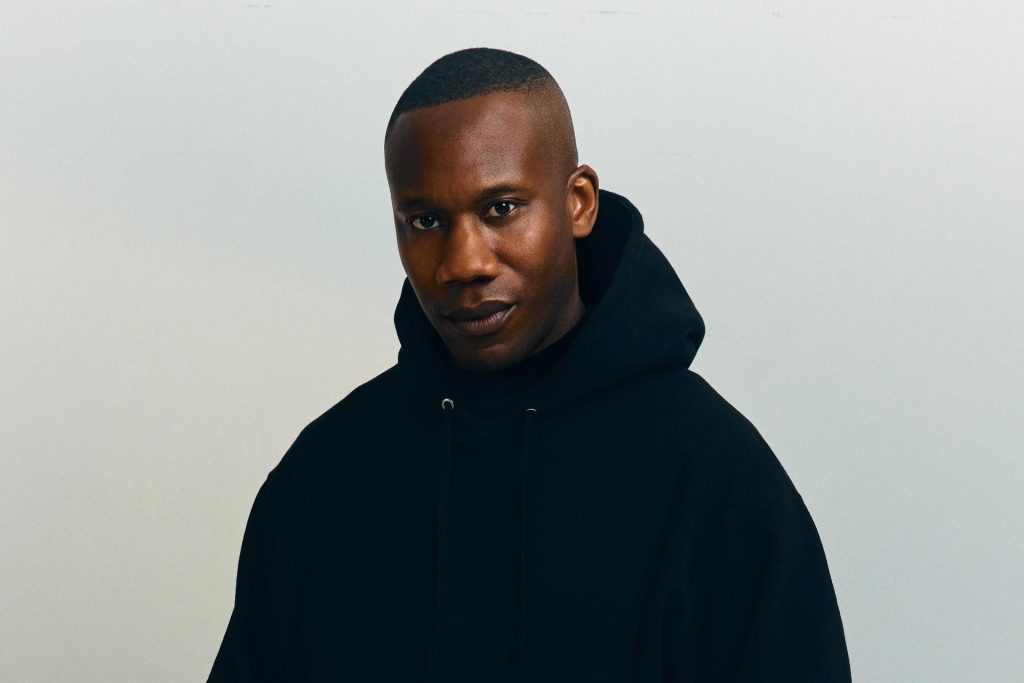
Gucci, a cornerstone of the Kering portfolio, has seen significant reshuffles. Following Sabato De Sarno’s exit, Balenciaga creative director Demna Gvasalia was tapped as artistic director, an unexpected yet highly anticipated move to redefine Gucci’s aesthetic. This occurred after Francesca Bellettini, Kering deputy CEO, was appointed CEO of Gucci, succeeding Stefano Cantino who had briefly taken the helm after Marco Bizzarri’s departure. The swift changes at Gucci underscore the immense pressure on creative and executive leadership to maintain brand relevance and drive revenue.

Further shifts within LVMH include Pietro Beccari’s promotion from Louis Vuitton boss to CEO of LVMH’s fashion group, effective January 1, signaling a consolidation of power and a strategic vision across the conglomerate’s diverse portfolio. Givenchy appointed Alessandro Valenti as CEO, while the brand is still searching for a successor to creative director Matthew Williams, who exited in December 2023. Balmain also saw a new CEO in Matteo Sgarbossa, following Olivier Rousteing’s 14-year tenure as creative director, which concluded with his stepping down.

Beyond these major players, smaller luxury brands are also making strategic moves. Zadig&Voltaire appointed Dan Sablon as creative director to strengthen its creative identity and international growth. Loewe welcomed Proenza Schouler founders Jack McCollough and Lazaro Hernandez as creative directors, succeeding Jonathan Anderson, who departed after 11 years. Jil Sander appointed Simone Bellotti as creative director after Lucie and Luke Meier’s exit. Tom Ford Fashion poached Lelio Gavazza from LVMH as its new CEO, following Estée Lauder’s acquisition of the brand, and Peter Hawkings’ appointment as creative director, replacing Tom Ford himself.
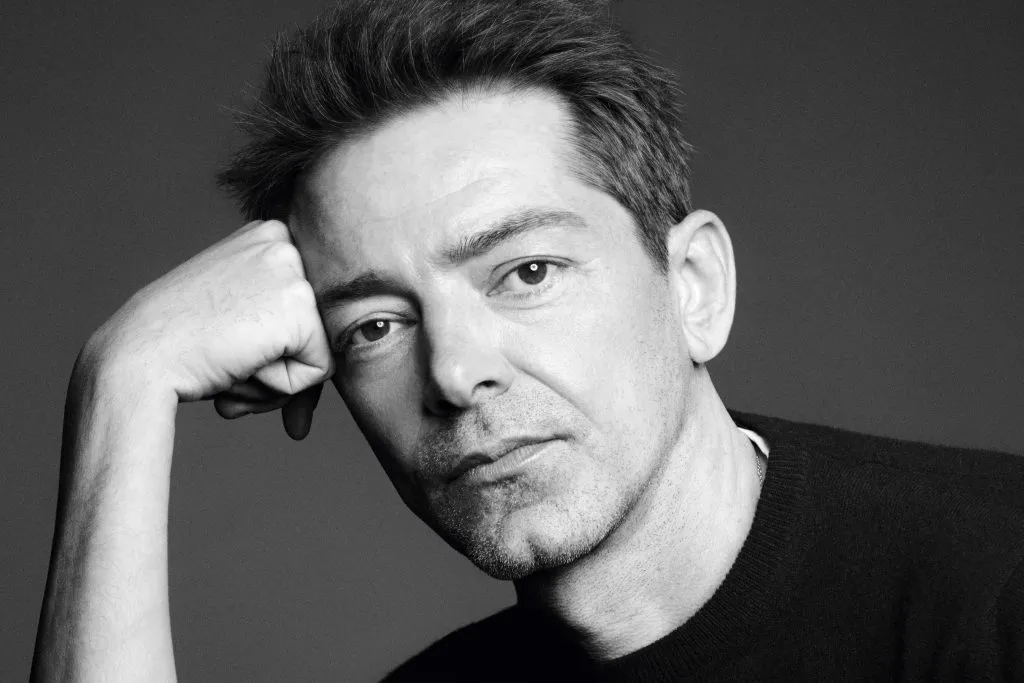
High Street and Department Store Evolution

Traditional retail is not immune to the winds of change, with many high street and department store chains making critical executive appointments to drive digital transformation, enhance customer experience, and streamline operations.
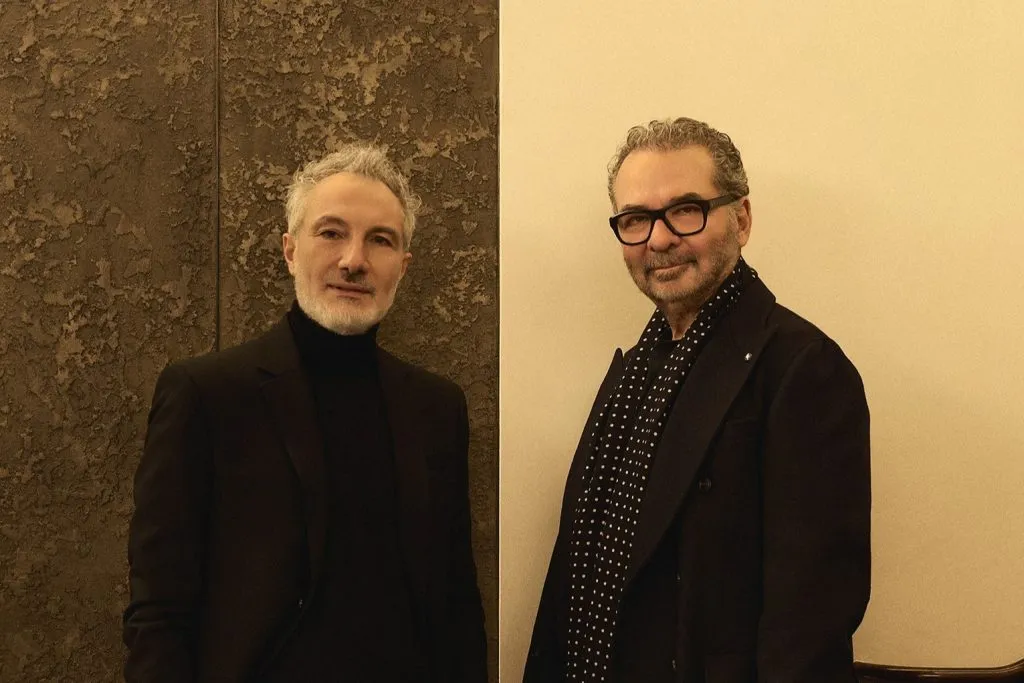
Marks & Spencer (M&S) has been particularly active, appointing former Boohoo Group CEO John Lyttle as managing director of clothing, home, and beauty, succeeding Richard Price. This move follows a series of strategic hires including Alison Dolan (CFO from Rightmove), Rachel Higham (Chief Digital and Technology Officer), and Mark Lemming (MD of International). M&S also strengthened its fashion team with Paula Bricks (former Cos director) as fashion, home, and beauty retail director, and David James (from Boohoo) as supply chain and logistics director. These appointments highlight M&S’s aggressive push towards omnichannel integration and improved supply chain efficiency, crucial for its turnaround strategy. The departure of co-CEO Katie Bickerstaffe in July also marked a significant structural shift.
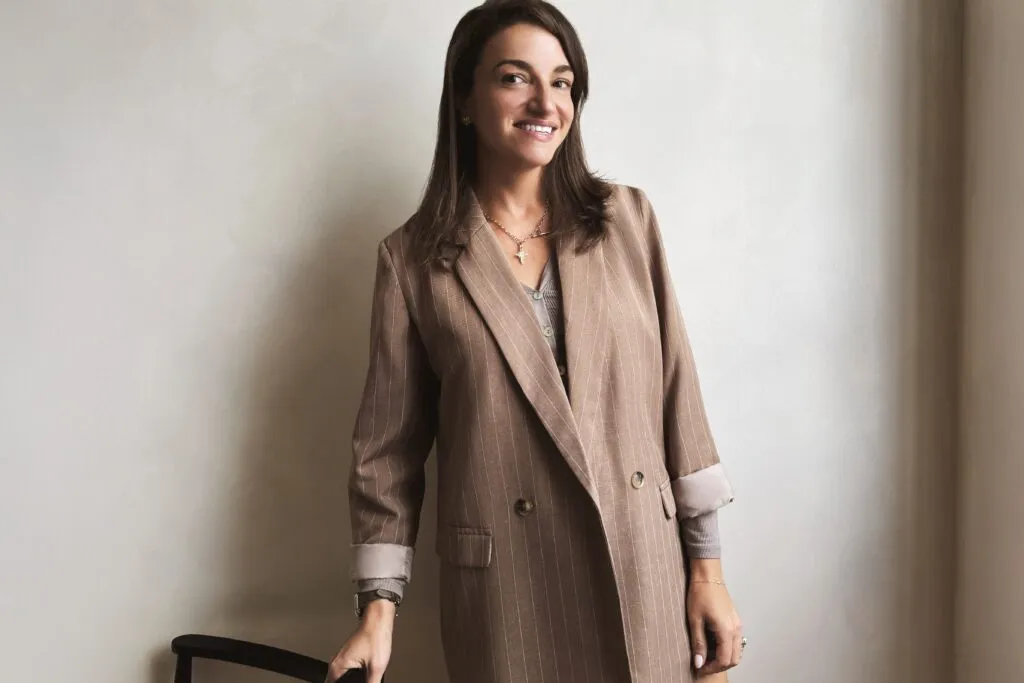
John Lewis Partnership has also seen substantial changes. Jason Tarry, former Tesco CEO, will take over as chairman, replacing Sharon White who is stepping down in February 2025. This leadership transition aims to steer the partnership through its ongoing transformation. Other key appointments include Andy Mounsey as CFO, Anna Milne as merchandising director, and Helen Webb as chief people officer, all geared towards strengthening the company’s financial and human capital. The department store also brought in Queralt Ferrer as its first director of design for fashion, emphasizing own-brand development.

Matalan has undergone a significant leadership overhaul. Henrik Nordvall, former H&M UK managing director, is set to become CEO in February 2026, following Jo Whitfield’s departure. The company has made numerous hires across buying, merchandising, trading, digital, and marketing, including Ali Jones as chief customer and omnichannel officer, and Andreas Nicolaides as digital director, indicating a comprehensive strategy to revamp its operations and customer engagement.

Other notable high street movements include Lisa Butler stepping down as Jigsaw retail director shortly after joining, and Sean Baker being promoted to Chief Brand Officer at Paul Smith. N Brown Group appointed Dan Joy as CEO and Malcolm Le May as chair, alongside Natalie Rogers in the newly created role of chief operating officer, reflecting a drive for operational excellence in the digital retail platform. Debenhams Group promoted Richard Vanoli to MD for its online marketplace.

Digital and Activewear: A Hotbed of Talent Movement

The booming digital and activewear sectors continue to be a hotbed of executive talent movement, driven by rapid growth, technological innovation, and evolving consumer fitness trends.
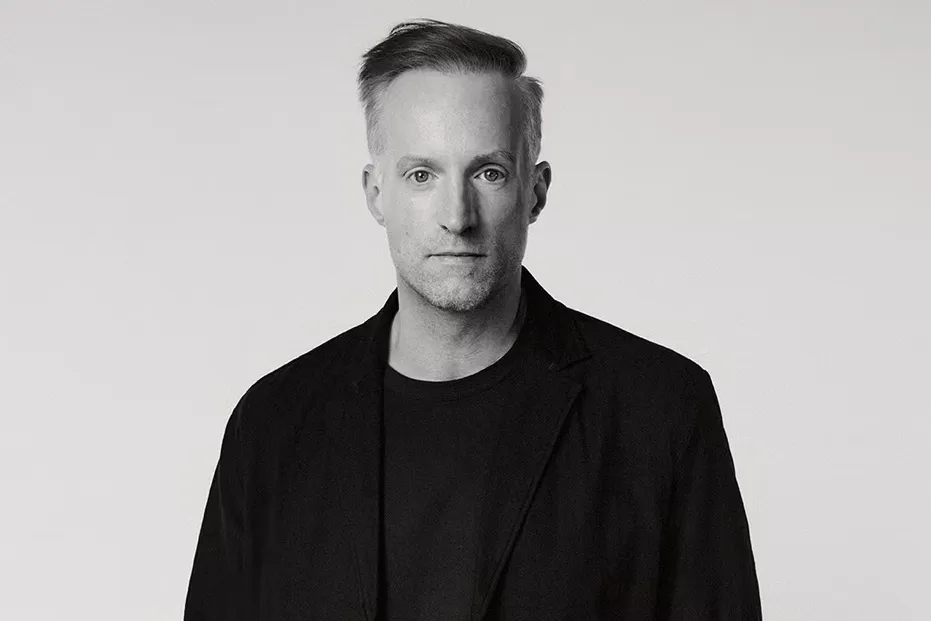
Gymshark has been a prominent player in this space. Hannah Mercer from Gymshark was poached by Footasylum to become its new CEO, effective May. Gymshark itself has made several high-profile hires, including Rich Sanders as CFO, Sian Keane (from Farfetch) as Chief People Officer, and Carly Natalizia as Chief Commercial Officer, overseeing the brand’s shift to omnichannel. The brand also appointed David Laid as its first creative director for the lifting category, leveraging influencer power.
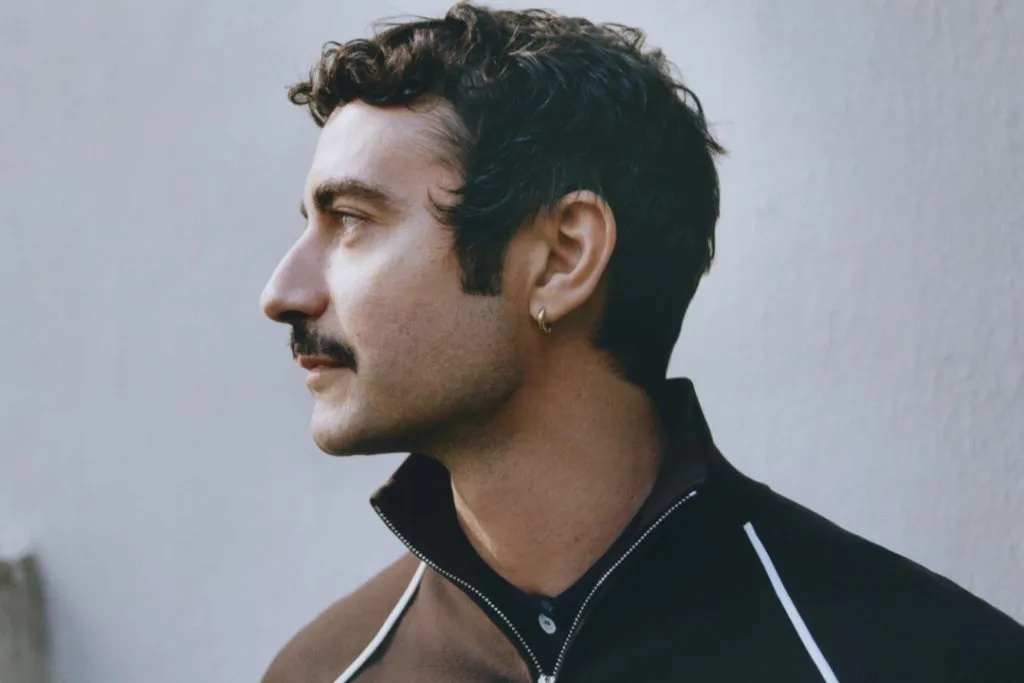
On, the Swiss running shoe brand, saw its co-founders David Allemann and Caspar Coppetti appointed as co-CEOs, following Martin Hoffmann’s departure. This move reinforces the founders’ direct involvement in strategic direction.
Online fashion retailers like Asos are continually reshaping their leadership. Natasha Jeffers was named MD of global trading, while Ben Blake took on the new role of EVP of customer and commercial. The company also appointed Przemek Czarnecki as EVP of technology, underscoring its focus on digital infrastructure. Asos also welcomed new non-executive directors with diverse backgrounds in tech and global retail, signaling a drive for broader strategic insight.

In the resale market, Vestiaire Collective restructured its executive team, appointing Thomas Hezard as Chief Product Officer and Rémi Bouchez as Chief Technology Officer, aiming to place product and technology at the core of its innovation. Depop saw co-founder Fanny Moizant exit, and Peter Semple confirmed as permanent CEO, following a period of interim leadership.
Strategic Appointments and Industry-Wide Implications
Beyond individual company moves, several overarching trends emerge from this executive reshuffle:
- Digital-First Imperative: The sheer number of appointments in digital, e-commerce, and technology roles across all sectors, from luxury to high street, confirms that digital transformation is no longer an option but a core strategic pillar. Companies are investing heavily in talent to enhance online experiences, optimize supply chains, and leverage data.
- Brand Rejuvenation and Creative Vision: The frequent changes in creative director roles, particularly in the luxury segment, highlight a continuous pursuit of fresh aesthetics and narratives to capture consumer attention and maintain brand desirability. This often follows acquisitions or significant strategic pivots.
- Sustainability and DEI: While not as numerous as digital roles, appointments like Burberry’s DEI head (though later phased out) and Depop’s initial sustainability and DEI director reflect a growing, albeit sometimes evolving, commitment to ethical practices and inclusive strategies.
- Operational Efficiency and Global Expansion: Many new CFOs, COOs, and international directors are tasked with streamlining operations, managing financial health, and driving growth in new markets. This is particularly evident in brands like AWWG (Hackett London owner), Gant, and Axel Arigato, all focusing on global footprints.
- Boardroom Expertise: The addition of seasoned non-executive directors from diverse backgrounds (e.g., former CEOs, tech executives, financial experts) to boards like those of the British Fashion Council, M&S, John Lewis, and Frasers Group points to a desire for robust governance and strategic guidance in an increasingly complex environment.
The sheer volume and strategic nature of these leadership changes underscore a fashion and retail industry in a profound state of evolution. Companies are actively seeking specialized talent to navigate the twin challenges of digital disruption and shifting consumer values, signaling a proactive stance towards securing competitive advantage and long-term viability in a rapidly changing global market. This ongoing leadership merry-go-round reflects not just individual career trajectories but the collective strategic redirection of an entire industry.