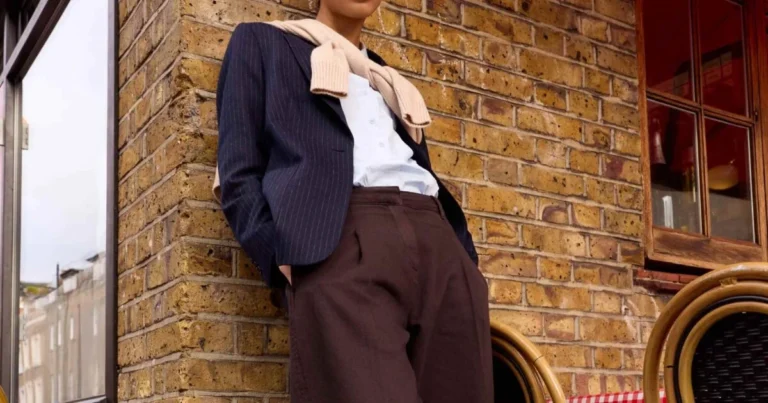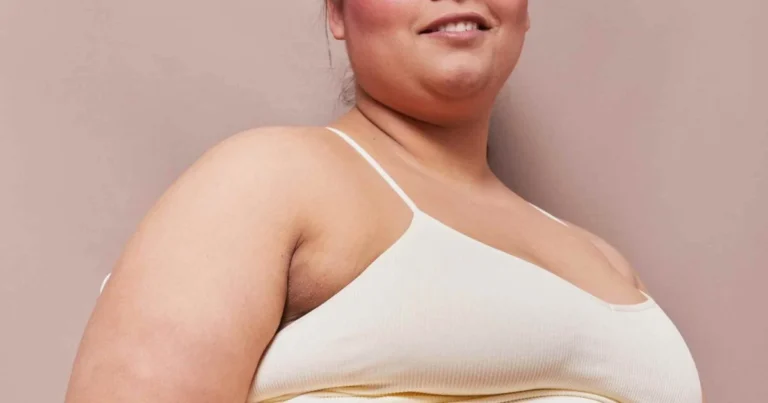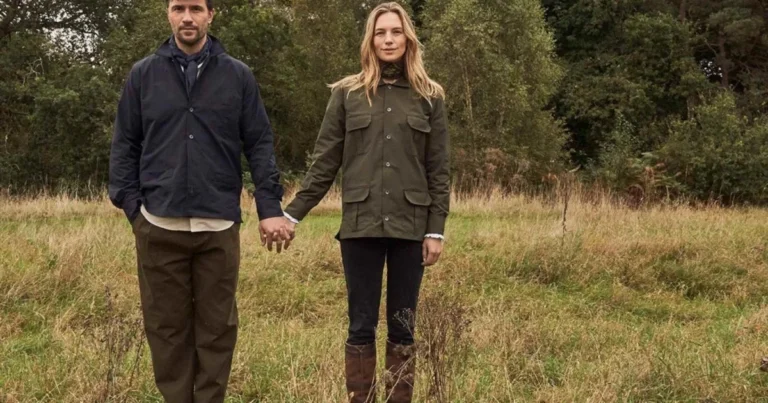








The dynamics of professional dress have undergone a significant transformation, moving from rigid traditionalism to a more nuanced approach where flexibility and individual expression converge with an increasing imperative for sustainability. Whether navigating the complexities of a hybrid work schedule or maintaining a consistent in-office presence, the modern professional is seeking attire that not only reflects competence and style but also aligns with ethical and environmental values. This shift is not merely a fashion trend but a foundational re-evaluation of consumption patterns within the professional sphere, championed by platforms that rigorously assess brands for their environmental and social impact, guiding consumers toward more conscious choices.
The Shifting Landscape of Office Attire
The strictures of corporate dress codes, prevalent just a few decades ago, have largely receded. The era of mandatory suits and ties for all professions, a staple of the 1990s and early 2000s, has given way to a more adaptable and industry-specific approach. As of 2026, the definition of "office appropriate" is largely dictated by the specific business sector. For instance, individuals in finance or legal professions may still gravitate towards traditional two-piece suits or business-casual ensembles, reflecting established corporate cultures. Conversely, those employed in creative industries, tech startups, or less formal environments often find jeans, tailored trousers, and elevated casual shirts to be perfectly suitable.
Despite this broad spectrum of acceptable attire, a universal expectation persists: the need to appear polished and intentional. Regardless of the specific dress code, presenting oneself in a "put-together" manner remains crucial for projecting professionalism. This contemporary demand for a refined appearance now intersects with a growing desire for clothing that is not only well-designed but also ethically and sustainably produced.
The Environmental and Economic Imperative: Beyond Fast Fashion
The rise of fast fashion has presented a false economy, offering seemingly accessible and affordable garments. However, the initial low price point often masks significant long-term drawbacks and environmental costs. Fast fashion items are notorious for their rapid deterioration, often falling apart after minimal wear due to inferior construction and cheap materials like virgin polyester. This leads to a cycle of constant replacement, ultimately negating any perceived upfront savings. The poor fit and scruffy appearance, a direct result of manufacturing shortcuts and compromised design, further diminish their value and professional appeal.
In stark contrast, investing in items from more sustainable brands, while typically carrying a higher initial price tag, often translates to a superior cost-per-wear over time. These garments are designed for longevity, crafted from higher-quality materials, and constructed with greater attention to detail, ensuring they retain their appearance and integrity through years of use. This principle underpins the core advice for updating any professional wardrobe: prioritize quality over quantity – "buy less, but better."
Curating a Conscious Professional Wardrobe
Building a sustainable office wardrobe involves strategic planning and intentional purchasing. A key recommendation is to adopt a curated color palette and focus on versatile separates. This approach maximizes the potential for mixing and matching, allowing for a diverse range of outfits from a smaller, more thoughtfully selected collection of garments. The most sustainable option, unequivocally, is to utilize existing clothing, exploring new combinations and styles within one’s current wardrobe.
Beyond personal collections, the burgeoning market for pre-loved items offers an excellent second-best alternative. Platforms such as eBay, Vinted, and Vestiaire Collective provide access to a vast array of high-quality, pre-owned professional attire, extending the lifecycle of garments and reducing demand for new production. This circular approach significantly lessens environmental impact.
When the necessity arises to purchase new items, a comprehensive understanding of sustainable brands and materials is paramount. Leading platforms dedicated to ethical fashion curate and rate brands based on their impact on people, the planet, and animals, guiding consumers toward informed choices. These curated selections simplify the process of identifying brands that meet rigorous sustainability criteria.
Fabric Focus: The Foundation of Sustainable Style
The choice of fabric is a critical determinant of a garment’s environmental footprint and its suitability for professional wear. While synthetic fabrics like polyester are lauded for their durability, their production is heavily reliant on fossil fuels, contributing significantly to greenhouse gas emissions. Furthermore, these materials are a primary source of microplastic pollution throughout their lifecycle, from washing to disposal, posing a persistent threat to ecosystems. Beyond their environmental drawbacks, cheap synthetics often lack the sophisticated drape, breathability, and luxurious feel of natural fibers, which are essential for professional attire that needs to look and feel exceptional after years of wear.
For office wear, natural and recycled fibers are superior choices. Organic cotton, linen, and hemp are excellent plant-based options, known for their breathability, durability, and increasing softness with age. These materials offer temperature-regulating properties, making them comfortable in diverse office environments, whether the air conditioning is aggressively cold or the day is unexpectedly warm. Recycled wool provides similar benefits, offering warmth without excessive bulk and minimizing the demand for virgin resources.
For garments requiring a fluid drape, such as dresses or skirts, lower-impact alternatives to traditional viscose and virgin polyester include Tencel Lyocell, Modal, and bamboo viscose. These semi-synthetic fibers are derived from sustainably managed wood pulp, processed using more environmentally responsible closed-loop systems that recapture and reuse solvents. Familiarity with an ultimate guide to clothing materials can serve as an invaluable resource for discerning consumers seeking to invest in truly lower-impact fabrics.
Spotlight on Sustainable Brands for Professional Attire
The market for sustainable workwear has expanded considerably, offering a diverse range of stylish and ethically produced garments and accessories. These brands exemplify the "buy less, but better" philosophy, focusing on quality, timeless design, and responsible production.
For professional clothing, brands like Whimsy + Row offer elegant pieces such as their Ryan Dress, crafted with sustainability in mind. Neem London provides sophisticated options like the Comfort Shirt, designed for both style and ease. Knitwear selections from Santicler, such as the Zoe Sweater, showcase luxurious, responsibly sourced materials. For tailored pieces, Akyn’s Noor Blazer and WILDA.ECO’s Personalisable Blazer and Trousers offer sharp, considered looks. Alchemist’s Masey Vest and Knowledge Cotton Apparel @ Brothers We Stand’s Linen Overshirt provide versatile layering options. Additionally, E.L.V. Denim’s Jamie Blazer demonstrates innovative use of recycled materials, while The Knotty Ones’ January Cardigan and Lanius’ Striped Midi Shirt Dress offer classic, comfortable choices. For unique touches, Komodo’s India Vest and Artknit Studios’ Tailored Trousers with Pleats underscore a commitment to sustainable craftsmanship.
More Sustainable Shoes, Bags, and Accessories for the Office
Complementing a sustainable wardrobe requires equally thoughtful choices in accessories. Footwear, bags, and smaller items contribute significantly to a professional ensemble and also offer avenues for ethical consumption.
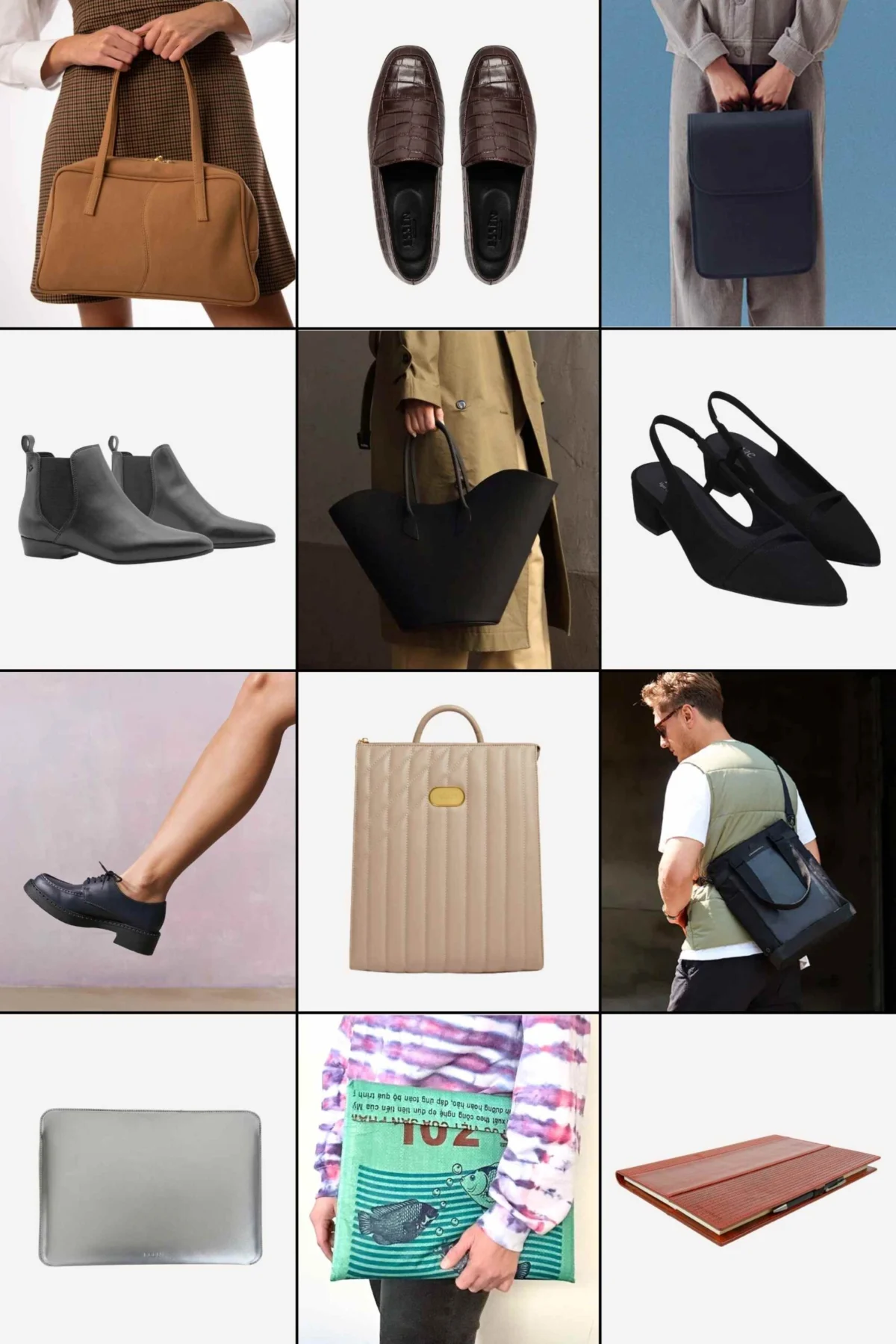
For sophisticated handbags, Mashu’s Artemis Bag offers stylish options, while Ucon Acrobatics and LaBante provide practical yet elegant backpacks like the Adina Mini Backpack and Danai Vegan Backpack, respectively, suitable for daily commutes. ASK Scandinavia’s Willow Tote Bag and Groundtruth’s Rikr Vegan Laptop Bag demonstrate robust design with a sustainable ethos.
In footwear, ESSEN’s Modern Moccasin Shoes, COG’s Vegan Chelsea Boots, Nae Vegan’s Slingback Shoes, and Agazi’s Helen Vegan Loafers present a range of cruelty-free and environmentally conscious choices that do not compromise on professional aesthetics or comfort.
Smaller accessories also offer opportunities for sustainable choices. BEEN London’s Orton Vegan Laptop Sleeve and Torrain’s Padded Laptop Sleeve provide protection for electronics using responsibly sourced materials. For organizational needs, Elvis & Kresse’s Firehose Notebook repurposes reclaimed materials, embodying circular economy principles in everyday items.
These brands represent a growing movement within the fashion industry, demonstrating that professional attire can be both stylish and sustainable, without sacrificing quality or ethical considerations. Their commitment to responsible sourcing, production, and design provides consumers with viable alternatives to the fast fashion paradigm.
Industry Perspectives and Consumer Trends
The shift towards sustainable workwear is not just a consumer-driven phenomenon but also reflects broader industry changes and corporate social responsibility initiatives. Fashion industry experts and environmental advocates continually highlight the urgent need for a more sustainable textile economy. Data from various reports underscore the fashion industry’s substantial environmental footprint, estimated to account for 8-10% of global greenhouse gas emissions and significant water pollution. The Ellen MacArthur Foundation, for instance, has been a vocal proponent of a circular economy in fashion, advocating for design for longevity, increased utilization of garments, and improved recycling infrastructure.
Consumer behavior is increasingly aligning with these concerns. Surveys indicate a growing willingness among consumers, particularly younger generations, to pay more for products that are ethically produced and environmentally friendly. A 2023 McKinsey & Company report on consumer sentiment found that sustainability continues to be a key purchasing driver, with a significant portion of consumers actively seeking out brands that demonstrate strong environmental, social, and governance (ESG) practices. This demand is pushing brands to be more transparent about their supply chains and adopt greener manufacturing processes.
For businesses, integrating sustainable workwear into their corporate culture can also serve as a tangible demonstration of their commitment to ESG principles. It enhances brand reputation, appeals to environmentally conscious employees, and contributes to a more responsible corporate image. Human resources departments are increasingly considering the ethical sourcing of employee uniforms or recommending sustainable brands for professional dress guidelines, recognizing the broader implications beyond mere aesthetics.
The Future of Professional Dressing
The evolution of professional attire towards sustainability is a continuous journey. As technology advances and consumer awareness deepens, the availability and accessibility of ethical workwear options are expected to grow further. Innovations in material science, such as bio-based synthetics, advanced recycling technologies, and regenerative agriculture for natural fibers, promise even more sustainable choices in the future.
Ultimately, the embrace of sustainable workwear signifies a profound shift in values, moving away from disposable consumption towards thoughtful investment in quality, longevity, and ethical production. It reflects a growing understanding that personal style can be a powerful expression of responsibility, contributing to a healthier planet and a more equitable society, one well-dressed professional at a time. The curated selections and rigorous brand assessments provided by dedicated platforms serve as an essential compass in navigating this evolving landscape, empowering individuals to make choices that are good for them, good for business, and good for the world.
Editor’s Note:
Feature image via Whimsy + Row, all other images via brands mentioned. Good On You publishes the world’s most comprehensive ratings of fashion and beauty brands’ impact on people, the planet, and animals.
This article was updated on 11 March 2026. Our editors frequently make updates to articles to ensure they’re up to date. We updated the guide and refreshed our selection of brands to ensure we’ve included those with recent ratings.