


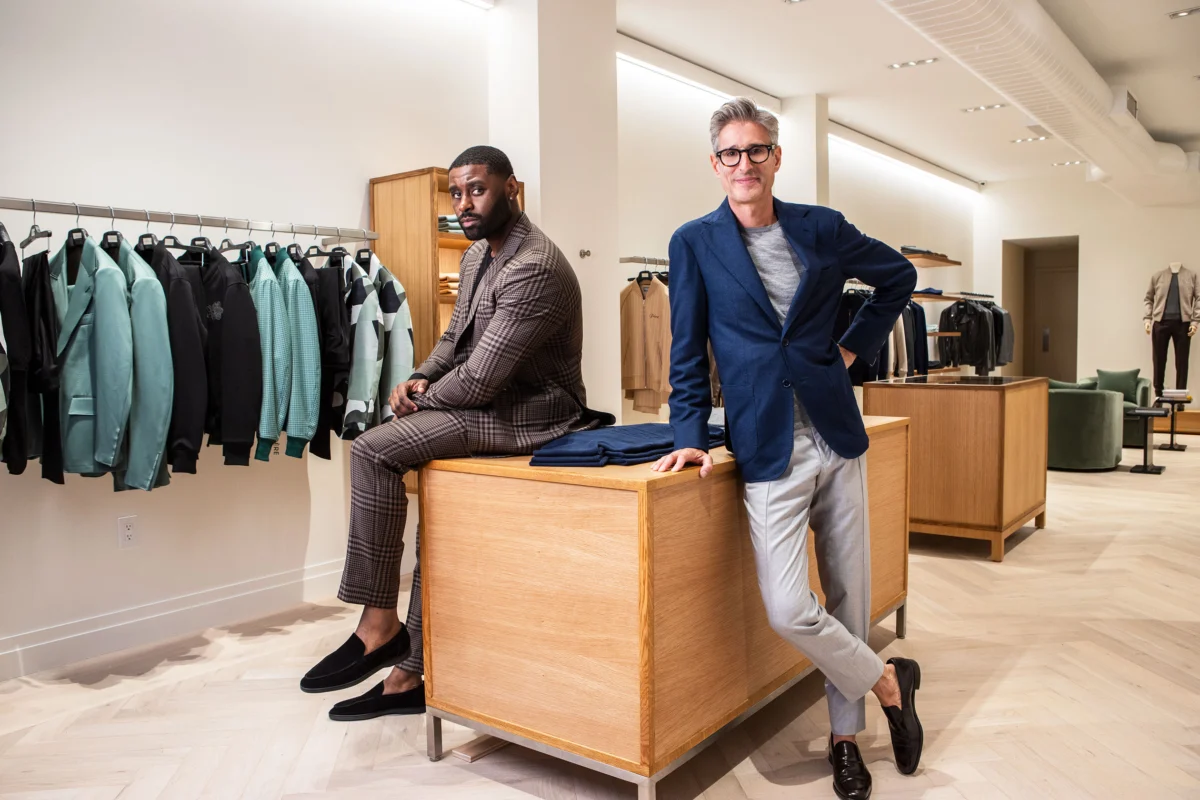
The landscape of executive fashion is undergoing a seismic shift, moving away from the utilitarian aesthetic of the "Silicon Valley uniform" toward a more refined, bespoke sensibility. At the forefront of this movement is Frère, a luxury menswear brand that has officially established its physical presence with the opening of its first flagship store in New York City’s historic SoHo neighborhood. While the brand only launched in its current iteration in March, it has already secured a client list that reads like a who’s who of the global power elite, including Apple CEO Tim Cook, music mogul Jay-Z, and Coinbase co-founder Fred Ehrsam. The opening of the SoHo boutique marks a pivotal moment for the label as it transitions from a niche favorite of the tech and entertainment sectors into a global luxury contender.
The Intersection of High Tech and High Tailoring
For decades, the standard attire for technology executives was defined by a deliberate lack of formality. From Steve Jobs’ iconic black turtlenecks to the ubiquitous Patagonia "power vests" and startup-branded hoodies, the message was clear: the work was more important than the wardrobe. However, as the tech industry has matured and its leaders have ascended to the highest echelons of global wealth, the aesthetic has evolved. This transition is often categorized as "quiet luxury"—a style characterized by understated elegance, neutral palettes, and astronomical price points that signal status through quality rather than logos.
Frère enters this market with a product line that balances traditional craftsmanship with modern silhouettes. The brand’s offerings include $3,490 wool knit tracksuits and $5,990 cashmere overcoats, catering to a demographic that demands comfort without sacrificing sophistication. According to Davidson Petit-Frère, the brand’s co-founder and creative director, the goal is to provide a wardrobe that allows leaders to navigate various environments seamlessly. "Frère blends classic tailoring with contemporary elements, allowing leaders in the world of tech and beyond to stand out subtly in environments where understated style often speaks the loudest," Petit-Frère stated.
A Chronology of Craftsmanship and Leadership
The genesis of Frère is a story of two distinct paths in the luxury world converging. Davidson Petit-Frère’s journey began not in a design studio, but in the high-stakes world of luxury real estate. His transition into fashion was driven by a personal need for better-fitting suits, leading to a self-taught mastery of tailoring. He initially gained recognition through his previous venture, Musika Frère, which became a staple for athletes and entertainers like Beyoncé and Stephen Curry. Despite the success of that label, Petit-Frère sought to create something more expansive—a brand that could bridge the gap between bespoke suiting and luxury ready-to-wear.
The missing piece of the puzzle arrived in the form of François Kress, a veteran executive with an unparalleled pedigree in European luxury. Kress’s resume includes tenures as the president of Fendi for North and South America, CEO of Bulgari for the same regions, and president and CEO of Prada Group in the United States. When the two met, they recognized a void in the contemporary menswear market.
"We saw an opportunity to reshape the menswear narrative by focusing on what will never go out of style: beautiful tailoring, timeless elegance, and exceptional craftsmanship," Kress noted. Together, they designed a business model that emphasizes "a balance of innovation, artistry, and cultural relevance." This partnership combines Petit-Frère’s creative vision and cultural capital with Kress’s institutional knowledge of the luxury supply chain and retail operations.
The Business of "Quiet Luxury": Funding and Strategic Growth
The financial backing of Frère reflects its strong ties to the technology and finance sectors. The company is currently in the process of raising a seed round, led by Robert Nelsen. While Nelsen is best known as the co-founder and managing director of ARCH Venture Partners—a firm typically associated with high-stakes biotech and life sciences investments—his personal investment in Frère highlights the brand’s appeal to the venture capital community.
Nelsen is joined by a diverse group of angel investors, including Robert Hamwee of New Mountain Capital and Shawn "Jay-Z" Carter. The involvement of Jay-Z, a long-time supporter of Petit-Frère’s designs, provides the brand with a level of cultural credibility that few new labels can claim.
"They make a helluva suit, plain and simple," Nelsen remarked. "Frère blends timeless craftsmanship with a fresh perspective, and that’s what makes it stand out. For folks in tech, it’s about having style that feels personal but still professional, something that reflects who you are and where you’re going."

The capital raised thus far has been strategically deployed into two primary areas: the development of a comprehensive ready-to-wear collection and the establishment of the SoHo flagship. By focusing on a physical location before launching an e-commerce platform—which is slated for release later this month—Frère is adhering to a traditional luxury playbook.
The SoHo Flagship: A Physical Experience in a Digital Age
In an era where many direct-to-consumer brands are retreating from physical retail due to high overhead and shifting consumer habits, Frère’s decision to open a boutique in SoHo is a calculated move. For luxury fashion, the tactile experience remains paramount. The fit of a $6,000 coat or the hand-feel of high-grade cashmere cannot be fully communicated through a digital interface.
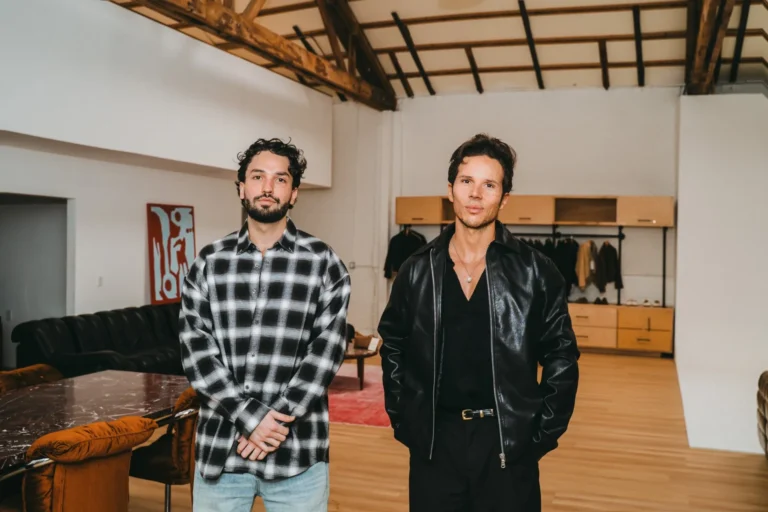
"Beautiful products like ours need to be experienced firsthand, not just through a screen," Kress explained. The store is designed to serve as an immersive environment where clients can engage with the brand’s narrative. The interior reflects the brand’s aesthetic: sophisticated, minimalist, and welcoming. For the tech-savvy clientele who spend much of their lives in digital spaces, the physical boutique offers a rare opportunity for personal consultation and bespoke fitting.
Furthermore, Petit-Frère has integrated his own background into the brand’s identity. "We combine elements of my Haitian heritage with the luxury and sophistication that defines the brand," he noted. This infusion of cultural heritage provides Frère with a unique point of differentiation in a market often dominated by European heritage brands like Loro Piana or Brunello Cucinelli.
Broader Implications for the Menswear Market
The rise of Frère is indicative of a broader trend in the global luxury market. According to recent industry reports, the luxury menswear segment has been outperforming womenswear in terms of growth percentage over several quarters. This is driven by a generation of men who are more fashion-conscious and willing to invest in high-quality, long-lasting pieces—a concept often referred to as "investment dressing."
The "tech bro" aesthetic, which was once a subject of satire, is being rehabilitated. While leaders like Jeff Bezos and Mark Zuckerberg have recently made headlines for experimenting with more flamboyant styles—such as gold chains and bold patterns—the core of the executive wardrobe remains rooted in quality and fit. As tech companies continue to dominate the global economy, the style choices of their leaders carry significant weight, influencing broader consumer trends.
Frère’s success suggests that there is a significant appetite for a "new guard" of luxury labels. By moving away from the loud branding of the 2010s and toward the "stealth wealth" of the 2020s, Frère is positioning itself to be the uniform of the new establishment. The brand’s ability to attract both the Silicon Valley elite and the titans of the music industry demonstrates a cross-cultural appeal that is difficult to manufacture.
Future Outlook and Scalability
As Frère prepares to launch its e-commerce site, the company faces the challenge of scaling its "bespoke" feel to a wider audience. The transition from a word-of-mouth favorite to a global brand requires maintaining the exclusivity and quality that attracted its initial high-profile backers.
However, with the combined expertise of Petit-Frère and Kress, the brand is well-positioned to navigate these complexities. The integration of Petit-Frère’s tailoring expertise with Kress’s experience in managing global luxury powerhouses provides a stable foundation for expansion. Whether Frère will seek to open additional locations in other tech hubs like San Francisco or London remains to be seen, but the momentum generated by the SoHo opening suggests a trajectory of rapid growth.
In conclusion, Frère represents more than just a clothing brand; it is a symbol of the evolving identity of the modern leader. By merging the precision of technology with the soul of traditional tailoring, the brand has created a new language of power—one that is whispered through the quality of a stitch rather than shouted through a logo. As the SoHo doors open, the fashion world will be watching to see if this blend of tech-backed investment and classic luxury can redefine the standards of the modern wardrobe.