






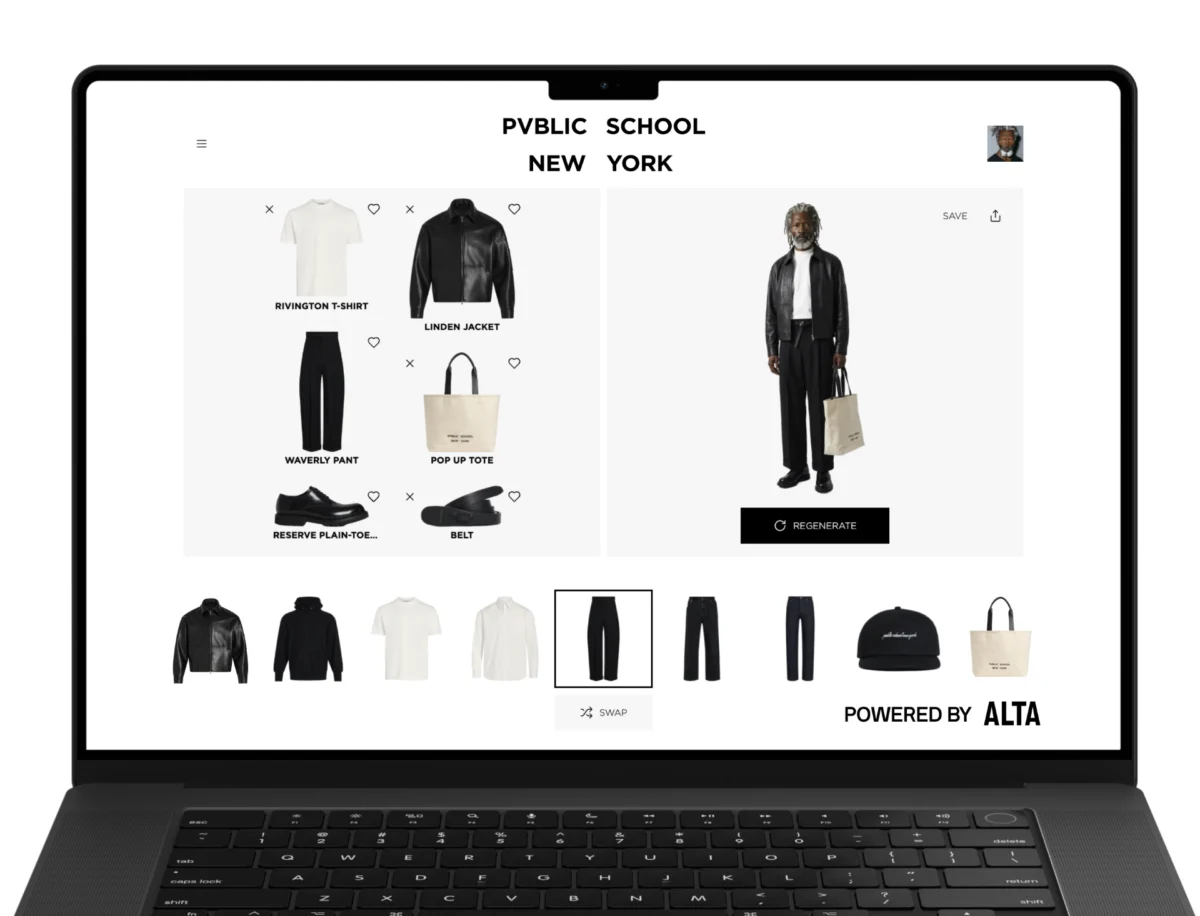
The intersection of high fashion and generative artificial intelligence has reached a new milestone as Alta, the fashion technology startup founded by Jenny Wang, transitions from a consumer-facing virtual closet app to a sophisticated enterprise integration platform. Following a successful $11 million funding round led by Menlo Ventures, the company utilized the stage of New York Fashion Week (NYFW) to debut its first major brand integration with the storied label Public School New York. This move signals a shift in the retail landscape, where the long-held cinematic dream of a digitized, automated wardrobe—famously depicted in the 1995 film "Clueless"—is becoming a functional reality for both consumers and major fashion houses.
The Evolution of Digital Wardrobes: From Cinema to Commerce
For nearly three decades, the concept of a computerized wardrobe that allows users to mix and match outfits on a digital avatar remained a fixture of science fiction and pop culture. The most enduring reference point is the "Clueless" closet software used by the character Cher Horowitz. While various startups have attempted to replicate this experience over the years, many were hampered by the limitations of early mobile processing power and the lack of sophisticated garment-rendering technology.
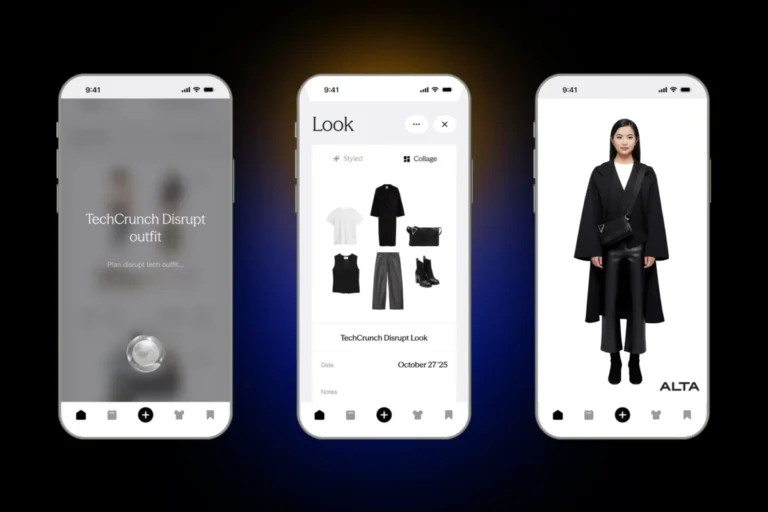
Alta entered the market in 2023 with a solution built on the latest advancements in generative AI and computer vision. The platform allows users to upload photos of their own clothing to create a "digital twin" of their wardrobe. Beyond mere organization, the app utilizes AI to suggest pairings, style outfits for specific occasions, and allow users to see how new purchases would integrate with their existing items.
Since its launch, the platform has seen explosive growth. According to founder Jenny Wang, more than 100 million outfits have been generated on the platform to date. This high level of engagement caught the attention of industry heavyweights and institutional investors alike, leading to a significant infusion of capital intended to scale the technology from a standalone app into a ubiquitous layer of the e-commerce experience.
Strategic Funding and the All-Star Investor Roster
The $11 million funding round, spearheaded by Menlo Ventures, serves as a testament to the perceived value of "identity-layer" technology in the future of retail. The investment round was notable not just for its size but for the diversity of its participants, bridging the gap between Silicon Valley and the global fashion capitals.
Key investors include:
- Menlo Ventures: A lead investor known for backing transformative technology companies.
- Anthology Fund: The venture arm of Anthropic, the AI safety and research company, highlighting Alta’s sophisticated use of large-scale AI models.
- Fashion Icons: Supermodels Karlie Kloss and Jasmine Tookes, both of whom have increasingly moved into the venture capital space, provided strategic backing.
- Industry Veterans: Jenny Fleiss, co-founder of Rent the Runway, brought her expertise in circular fashion and digital-first retail logistics to the table.
This coalition of investors suggests that Alta is being positioned as more than just a styling tool; it is being viewed as a critical piece of infrastructure for the next generation of "agentic commerce," where AI assistants make informed purchasing decisions based on a deep understanding of a user’s physical likeness and existing wardrobe.
Integration with Public School New York: A Case Study in Modern Retail
The partnership with Public School New York (PSNY) represents Alta’s first foray into embedding its technology directly into a brand’s own digital storefront. Public School, led by designers Dao-Yi Chow and Maxwell Osborne, recently returned from a multi-year hiatus, choosing New York Fashion Week to re-debut their collection. The designers viewed the integration of Alta’s virtual try-on technology as a necessary evolution for a brand re-entering a vastly different technological landscape than the one they left.
The integration manifests as a "Style with Alta" button on the PSNY product pages. When a customer clicks the icon, they are directed to an interface where they can see the garment rendered on their personalized Alta Avatar. This allows the shopper to visualize the fit, drape, and styling potential of a piece before committing to a purchase.
Dao-Yi Chow emphasized that the decision to partner with Alta was rooted in a desire to enhance storytelling rather than just providing a utility. He noted that in the current era, technology must be viewed as a creative partner that allows consumers to interact with a brand’s DNA even if they cannot visit a physical boutique. This sentiment reflects a broader industry trend where "phygital" (physical plus digital) experiences are becoming the standard for luxury and contemporary labels.

Technical Superiority and the Competitive Landscape
The virtual try-on (VTO) market is increasingly crowded, with retail giants like Zara and luxury houses like Balmain experimenting with digital avatars. However, Alta distinguishes itself through technical efficiency and rendering speed.
One of the primary friction points in existing VTO solutions is the time required to process and render a digital garment onto a specific body type. Wang noted that while competitors like Zara may limit users to four items and take up to two minutes to render an outfit, Alta’s infrastructure allows users to style up to eight items simultaneously with a rendering time measured in seconds.
This speed is achieved through proprietary AI models that understand the physics of different fabrics—how silk drapes compared to heavy denim—and how those fabrics interact with a user’s specific body measurements. By reducing the "latency" of the digital styling experience, Alta increases the likelihood of conversion and reduces the "bounce rate" of shoppers who might otherwise lose interest during a long loading screen.
Addressing the E-commerce Return Crisis
Beyond the aesthetic appeal of virtual closets, Alta’s technology addresses one of the most significant financial drains on the fashion industry: returns. According to data from the National Retail Federation, return rates for online apparel purchases can reach as high as 30%, often due to issues with fit or the item not meeting the customer’s visual expectations.
The practice of "bracketing"—where a consumer buys the same item in three different sizes with the intention of returning two—costs retailers billions in shipping fees and creates a massive environmental footprint. By providing a personalized avatar that accurately reflects a shopper’s body and allows them to see how a garment interacts with their existing wardrobe, Alta provides a data-driven solution to the "fit and feel" problem of online shopping.
Chronology of Alta’s Growth and Key Milestones
The trajectory of Alta illustrates the rapid pace at which AI-driven startups are currently scaling:
- Early 2023: Alta launches as a consumer app, quickly gaining a cult following among fashion enthusiasts and Gen Z users.
- Mid-2023: The app is named one of the "Best Innovations" of the year by Time and Vogue, cementing its status as a serious contender in the fashion tech space.
- Late 2023: Alta secures partnerships with the Council of Fashion Designers of America (CFDA) and the resale platform Poshmark, expanding its data layer to include both new and pre-owned garments.
- Early 2024: The company closes its $11 million funding round led by Menlo Ventures.
- February 2025: Alta debuts its enterprise integration during New York Fashion Week with Public School New York, marking its transition from a B2C app to a B2B2C platform.
The Future: Agentic Commerce and the Personal Identity Layer
Looking ahead, Jenny Wang envisions Alta as the "personal identity layer" for the future of consumer AI. As AI agents become more capable of performing tasks on behalf of users—such as finding the perfect outfit for a wedding or refreshing a seasonal wardrobe—those agents will require a structured data set to make accurate recommendations.
"For agentic commerce to truly work," Wang stated, "we need a data layer that understands the shopper’s style preferences, such as their closet, past purchases, and their avatar, likeness, and body."
In this vision, Alta becomes a digital passport for the fashion world. A user’s Alta profile could follow them across different brand websites, automatically showing them how every item on a page would look on their body and how it would pair with the clothes they already own. This level of personalization represents a shift from "search-based" shopping to "discovery-based" shopping, where the digital environment anticipates the needs and preferences of the individual user.
As the fashion industry continues to grapple with the challenges of sustainability, digital transformation, and shifting consumer habits, Alta’s success suggests that the solution may lie in a more intimate, data-rich connection between the consumer and the screen. By turning the "Clueless" fantasy into a scalable enterprise tool, Alta is not just changing how people get dressed; it is redefining the infrastructure of global commerce.