



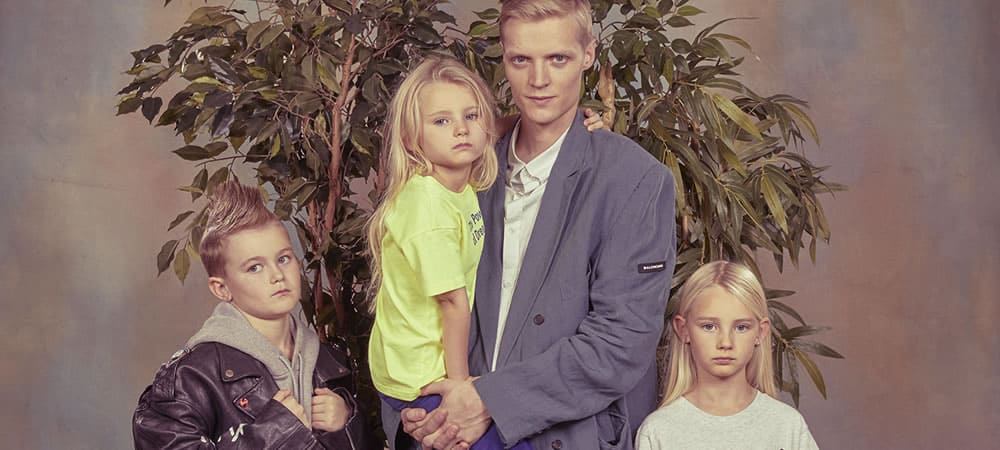
The modern landscape of menswear has undergone a profound and unexpected transformation, centering on an unlikely cultural icon: the suburban father. Long dismissed as the archetype of sartorial complacency, the traditional patriarch has emerged as the spearhead of a major contemporary fashion movement. This phenomenon, colloquially rebranded within high-fashion circles as the DILF—redefined playfully by industry insiders as Dads In Latest Fashions—has transitioned from suburban domesticity to international runways. High-end luxury houses, most notably Balenciaga, have propelled this aesthetic into the global spotlight by featuring actual fathers and their children during major fashion week presentations. What was once viewed as the epitome of uninspired, utilitarian dressing has now been elevated to an ironic, highly coveted statement of anti-fashion.
The sudden rise of dad style reflects a broader cultural shift in how society perceives comfort, nostalgia, and utilitarianism in clothing. Industry analysts point to a confluence of economic, psychological, and historical factors that have allowed this trend to capture the collective imagination. Far from being a fleeting novelty, the movement has established itself as a dominant force in modern streetwear and high-end design alike, prompting both luxury conglomerates and fast-fashion retailers to reimagine the garments historically relegated to lawn-mowing and weekend errands.
Background Context and the Rise of the Anti-Fashion Movement
To understand the current fascination with paternal attire, one must examine the cyclical nature of fashion and the socio-economic backdrop of the consumer base driving it. Over the past decade, younger demographics—specifically cash-strapped millennials navigating an increasingly unpredictable economic landscape—have developed a profound nostalgia for the perceived stability of the late 20th century. The suburban archetype of the 1990s, complete with secure mortgages, dependable sedans, and predictable routines, has transformed from a symbol of bourgeois boredom into an aspirational ideal.

This psychological yearning for comfort and security has manifested directly in clothing choices. Menswear stylist and writer Jess Punter notes that the silhouettes resurrected by the dad trend draw heavily from early-1990s aesthetics, prioritizing practicality above all else. Dads have historically dressed for function rather than form, relying on weather-resistant outerwear, relaxed-fit denim, and supportive footwear. Furthermore, the outdoorsy, eco-conscious brands frequently favored by this demographic—such as Patagonia and The North Face—have inadvertently imbued their wearers with a sense of modern ethical consciousness.
At the same time, the trend represents a calculated rebellion against traditional standards of elegance. James Lawrence, head of menswear design at ASOS, highlights that the uncoolness of the aesthetic is precisely what grants it cultural currency. By embracing garments that defy conventional sex appeal or streamlined tailoring, designers and consumers are poking fun at the seriousness of the fashion industry itself. This anti-fashion phenomenon thrives on a chaotically eclectic clash of genres, bringing together disparate elements that would historically never occupy the same outfit. In an era where hyper-curated wardrobes dominate social media, the effortless, thrown-together nature of paternal dressing offers a refreshing breath of chaotic authenticity.

Chronology of the Trend: From Sidelines to Runways
The evolution of the dad trend from suburban reality to high-fashion aspiration did not happen overnight. Its trajectory can be traced across several distinct phases over the past decade, marking a gradual infiltration of mainstream luxury markets by working-class and suburban utilitarian staples.
In the mid-2010s, simple cotton-twill baseball caps—long standard issue on the touchlines of youth sports leagues—began migrating into urban streetwear subcultures. These inexpensive, logo-friendly accessories provided a blank canvas for branding and casual styling. The tipping point occurred when luxury houses seized upon the item, most notably when Balenciaga introduced a branded cotton cap retailing for nearly $300, instantly bridging the gap between suburban practicality and high-end exclusivity.

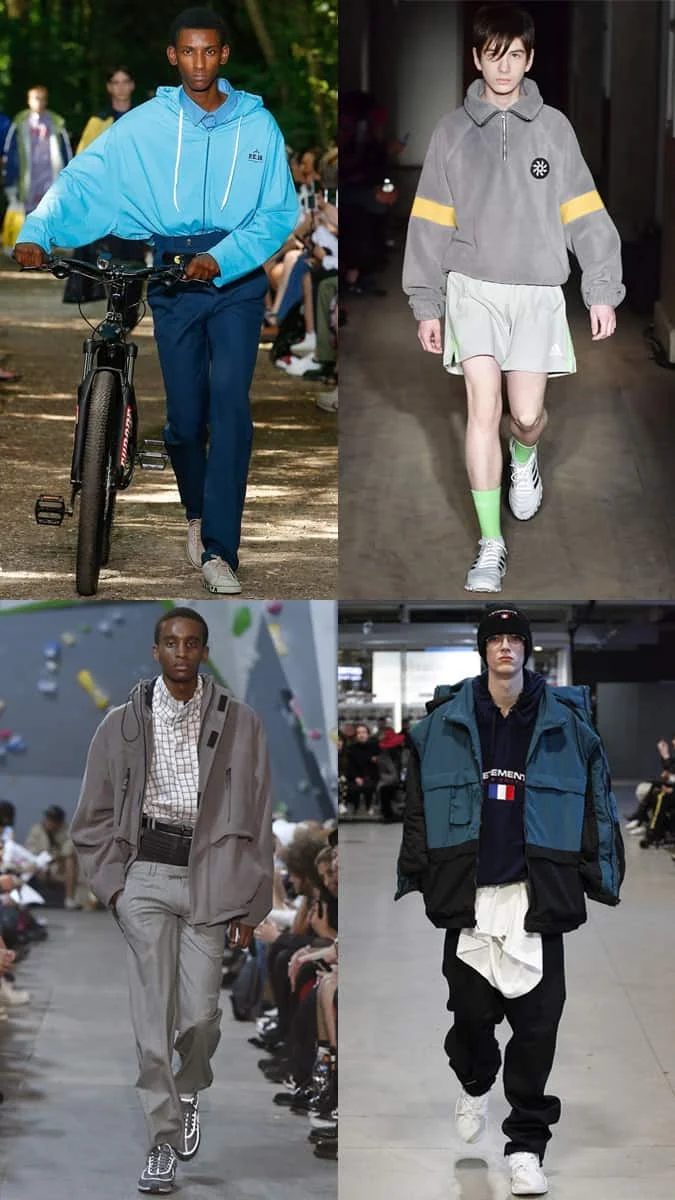
By 2018, the runway infiltration was absolute. Balenciaga’s Autumn/Winter and Spring/Summer collections prominently featured layered outerwear, oversized tailoring, and chunky footwear reminiscent of orthopedic shoes, frequently modeled by mature men accessorized with children. This marked the official codification of the trend. Other houses, including Vetements and Gosha Rubchinskiy, quickly followed suit, reinterpreting post-Soviet and Western suburban aesthetics for a global luxury consumer base.
As the decade turned into the 2020s, the trend matured from a shocking runway spectacle into a commercial mainstay. Brands began issuing deliberate collaborations between high-fashion labels and heritage outdoor outfitters, solidifying the market viability of technical jackets, half-zip fleeces, and relaxed denim. What began as an ironic commentary on middle-aged dressing cemented itself as a permanent fixture of modern menswear vernacular.

Key Garments Defining the Paternal Aesthetic
The modern interpretation of dad style relies on a specific canon of garments. Each piece balances practical utility with distinctive visual markers that signal an ironic alignment with suburban comfort.
The Dad Cap
The humble baseball cap remains the foundational accessory of the movement. Characterized by an unstructured crown, a curved brim, and an adjustable strap, the cap is designed for sun protection rather than high-fashion posturing. Its transition into luxury retail demonstrated the powerful appeal of taking everyday, utilitarian objects and recontextualizing them through high-end branding. From budget-friendly outdoor suppliers to luxury labels, the cap serves as the ultimate low-effort, high-impact headwear.

Dad Jeans
Denim within the movement has shifted decisively away from rigid, raw indigo selvedge towards relaxed, high-waisted, stonewashed alternatives. Classic silhouettes, such as the iconic Levi’s 501, offer structural robustness combined with the physical roominess required for active parenting—such as bending, squatting, and lifting. The distressed, washed-out indigo finish communicates a history of wear, emphasizing comfort and lived-in authenticity over stiff formality.
Chunky Trainers
Footwear has experienced perhaps the most dramatic shift, dominated by oversized, supportive sneakers often criticized for their lack of aesthetic refinement. Labeled affectionately or pejoratively as "ugly" shoes, these trainers prioritize cushioning and arch support above sleek profiles. While luxury brands offer high-end iterations like the Balenciaga Triple S, authentic alternatives from heritage athletic brands like New Balance have become ubiquitous among both actual fathers and trend-conscious urbanites.

Technical Jackets
Oversized outerwear designed for outdoor expeditions forms another critical pillar of the aesthetic. Drawing inspiration from mountaineering, hiking, and commuting, technical jackets provide weatherproofing and wind resistance. Brands like The North Face and Helly Hansen have seen a major resurgence, with their heritage insulated and waterproof pieces worn layered over everything from casual sportswear to formal tailoring.
The Half-Zip Fleece
Bridging the gap between mid-layer warmth and casual outerwear, the half-zip fleece is uniquely suited to transitional weather. Long a staple of budget hiking racks, the fleece offers lightweight thermal insulation without excess bulk, making it an ideal layering component beneath technical shell jackets.

Official Commentary and Industry Reactions
Fashion industry professionals have been vocal about the underlying irony and practical realities of the trend. Designers and stylists emphasize that while the aesthetic draws heavy inspiration from the daily lives of fathers, the high-fashion execution of the look is targeted toward an entirely different demographic.
Jess Punter notes a crucial distinction between the runway presentation and everyday reality, pointing out that elevated designer pieces are acquired for cultural capital rather than domestic practicality. "If you are an actual dad, I also recommend not spending hundreds of pounds on a pair of trainers—you have mouths to feed," Punter observes.

Furthermore, industry insiders frequently highlight the physical prerequisites often assumed by high-fashion styling. Because runway interpretations of the trend are typically modeled by lean professionals, successfully pulling off extreme proportions requires a specific silhouette that contrasts sharply with the average middle-aged physique. As James Lawrence of ASOS suggests, the movement is fundamentally meant to be lighthearted and non-prescriptive, serving as a reminder that menswear does not always need to take itself seriously.
Broader Implications and Market Impact
The mainstreaming of paternal style has had lasting implications for the retail sector, bridging the once-impenetrable gap between practical outdoor brands and avant-garde fashion houses. Retailers have observed sustained consumer demand for comfort-first apparel, a shift accelerated by broader lifestyle changes favoring hybrid work environments and casual dressing.
By validating comfort, utility, and unapologetic nostalgia, the movement has permanently altered industry standards for what is considered acceptable daily attire. Whether consumers are investing in luxury iterations or shopping directly from heritage outdoor outfitters, the enduring appeal of the dad aesthetic lies in its celebration of unpretentious practicality—proving that sometimes, the most revolutionary style statement is simply dressing for comfort.