










The planet is experiencing a profound shift, marked by an undeniable increase in the frequency, intensity, and duration of heatwaves, a direct consequence of anthropogenic climate change. As global temperatures continue their relentless ascent, the simple act of choosing what to wear transforms from a mundane decision into a crucial opportunity to align personal comfort with planetary responsibility. While the immediate instinct during sweltering conditions is often to prioritize anything that offers respite from the heat, the evolving landscape of sustainable fashion now presents compelling alternatives that simultaneously ensure coolness and uphold ethical and environmental principles. This season, with much of Europe and other regions grappling with unprecedented high temperatures, understanding how to balance immediate needs with long-term ecological impact has become paramount. Fortunately, many of the most breathable and heat-friendly materials also boast impressive sustainability credentials, offering a viable path for consumers to make informed, impactful choices.
The Climate Crisis: A Deeper Dive into Heatwave Trends
The scientific consensus is unequivocal: the Earth’s climate is warming at an alarming rate, primarily due to the emission of greenhouse gases from human activities. The Intergovernmental Panel on Climate Change (IPCC), the leading international body for assessing climate change, has repeatedly warned of the escalating risks posed by extreme weather events. Heatwaves are a prime example of this phenomenon. According to the World Meteorological Organization (WMO), the past eight years have been the warmest on record globally, with 2023 set to potentially break new records. This warming trend is not uniform; some regions, like Europe, have experienced particularly severe and prolonged heatwaves.
For instance, the summer of 2022 saw record-breaking temperatures across Europe, leading to widespread droughts, wildfires, and excess mortality. Data from the Copernicus Climate Change Service (C3S) indicates that Europe is the fastest-warming continent, with temperatures rising at more than twice the global average. This acceleration is projected to continue, with models suggesting a significant increase in the number of ‘danger days’ – days with extreme heat – across various continents. The underlying mechanics involve a combination of factors: increased atmospheric carbon dioxide trapping more heat, changes in atmospheric circulation patterns (like persistent high-pressure systems), and reduced soil moisture contributing to hotter land surfaces. These meteorological realities underscore the urgency of adapting daily practices, including fashion choices, to mitigate and cope with a warmer future.
Fashion’s Footprint in a Warming World
The fashion industry, a colossal global enterprise, holds a significant, albeit often overlooked, role in the unfolding climate crisis. It is widely recognized as one of the most polluting industries worldwide, contributing substantially to greenhouse gas emissions, water depletion, chemical pollution, and textile waste. From the cultivation of raw materials like cotton, which can be highly water-intensive and reliant on pesticides, to the energy-hungry manufacturing processes, transportation logistics, and the eventual disposal of garments, every stage of fashion’s lifecycle leaves a considerable environmental footprint.
Fast fashion, characterized by rapid production cycles, low prices, and disposable trends, exacerbates these issues. It encourages overconsumption and shortens garment lifespans, leading to an explosion of textile waste. An estimated 92 million tonnes of textile waste are generated globally each year, much of which ends up in landfills or is incinerated, releasing further greenhouse gases. The reliance on synthetic fibers like polyester, derived from fossil fuels, not only contributes to carbon emissions during production but also sheds microplastics into waterways with every wash, posing a severe threat to aquatic ecosystems and potentially human health. Recognizing this profound impact, a growing movement towards sustainable and ethical fashion has emerged, advocating for practices that respect both planetary boundaries and human rights. This paradigm shift encourages consumers to consider the provenance, composition, and longevity of their clothing, especially as climate impacts become more tangible in daily life, such as during intense heatwaves.
Navigating the Wardrobe: Sustainable Materials for Sweltering Days
When temperatures soar, the choice of fabric becomes critical for personal comfort. Fortunately, several natural and innovative man-made materials offer superior breathability and moisture-wicking properties while also boasting impressive environmental credentials. Prioritizing these materials is a key strategy for dressing sustainably in hot weather.
Linen and Hemp: Ancient Fibers for Modern Heat
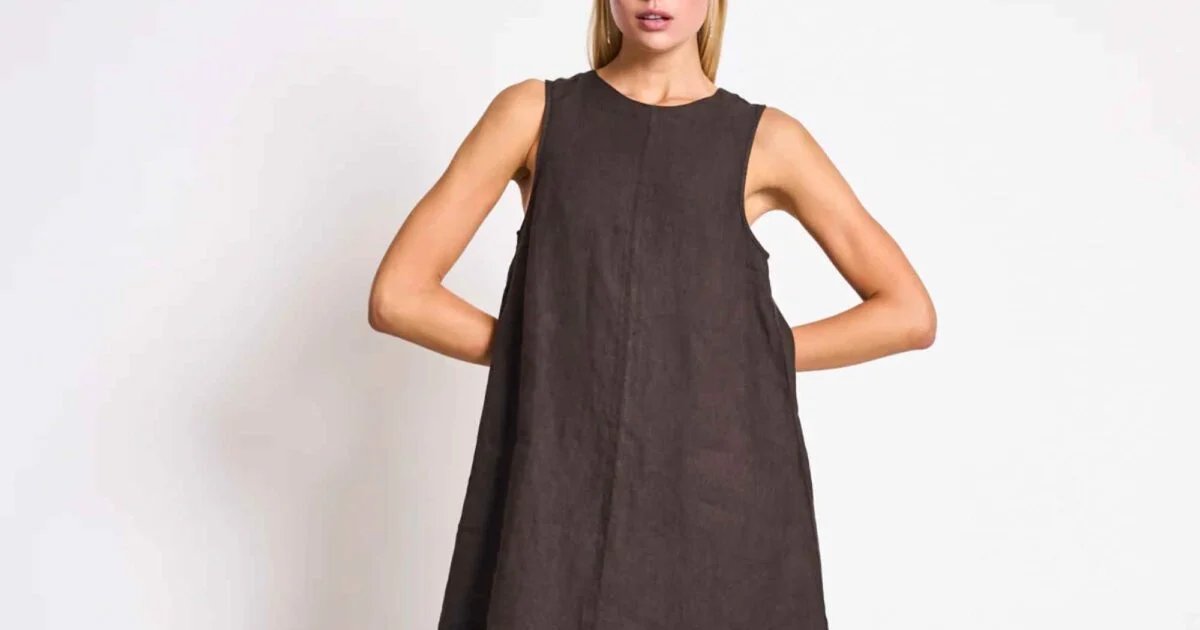
Among the most recommended materials for warm, sticky environments are organic linen and hemp. These natural fibers have been utilized for millennia due to their exceptional properties. Linen, derived from the flax plant, is renowned for its strength, absorbency, and quick-drying nature. It is also highly breathable, allowing air to circulate freely and preventing heat from getting trapped against the skin. Environmentally, linen cultivation requires significantly less water and fewer pesticides compared to conventional cotton. When left undyed or treated with eco-friendly dyes, it is fully biodegradable, returning to the earth without leaving harmful residues.
Hemp, often hailed as a ‘miracle fiber,’ shares many of linen’s advantages and often surpasses them. The hemp plant grows rapidly, requires minimal water, thrives without pesticides or herbicides, and even enriches the soil it grows in. Its fibers are incredibly strong, durable, and naturally resistant to UV light and mold. Like linen, hemp fabric is highly breathable, absorbent, and quick-drying, making it ideal for hot climates. Its ability to soften with age while retaining its strength further enhances its appeal for long-lasting garments. Both linen and hemp represent a return to natural, low-impact materials that perform excellently in heat.
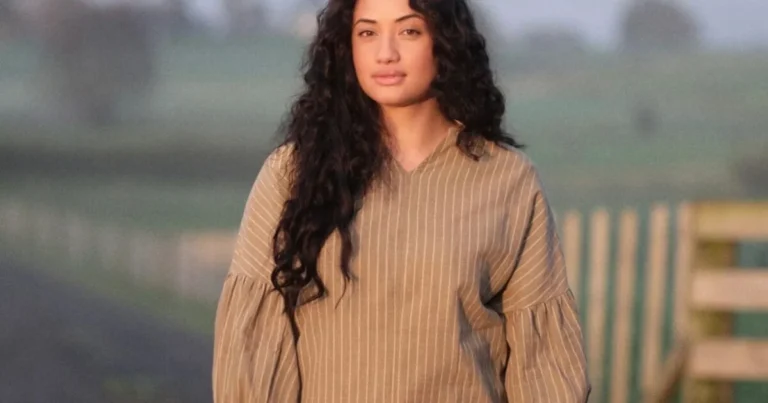
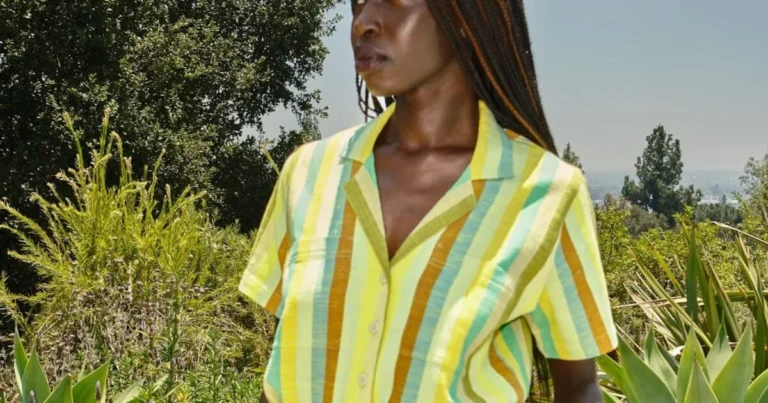
Brands like JAN ‘N JUNE exemplify this commitment by creating minimalistic yet stylish fashion from more sustainable materials. This Hamburg-based label, founded by young female entrepreneurs, focuses on transparency and affordability, offering pieces that are both chic and conscientious. Similarly, SUI, an Indian label, crafts gorgeous womenswear in its Delhi workshop, often utilizing natural fibers. For menswear, CARPASUS, a Swiss brand, specializes in fine shirts using GOTS certified cotton and manufacturing locally to reduce its carbon footprint, ensuring fair wages and supply chain traceability—principles that align with overall ethical production.
TENCEL Lyocell and Organic/Recycled Cotton: Innovative and Traditional Choices
Beyond linen and hemp, other materials offer similar benefits. TENCEL Lyocell, a regenerated cellulosic fiber produced by Lenzing AG, is celebrated for its exceptional breathability, softness, and moisture-wicking capabilities. It is derived from sustainably sourced wood pulp, typically eucalyptus, which requires significantly less water and land than cotton. The production process for TENCEL Lyocell is a closed-loop system, meaning over 99% of the solvents used are recovered and reused, minimizing waste and environmental impact. Its smooth fiber surface also makes it gentle on sensitive skin, a boon in hot, potentially irritating conditions.
Organic cotton stands as a better alternative to conventional cotton. While cotton cultivation can be resource-intensive, organic varieties avoid the use of synthetic pesticides and fertilizers, protecting soil health, biodiversity, and farm workers. This results in a softer, purer fiber that maintains cotton’s natural breathability. Recycled cotton, meanwhile, offers a circular solution by repurposing textile waste, reducing the demand for virgin fibers and diverting materials from landfills. These materials, when ethically sourced and processed, provide excellent options for comfortable and sustainable hot-weather dressing.
Activewear Reimagined: Ditching Synthetics for Performance and Planet
Whether engaging in strenuous activity or simply enduring a humid day, sweating is inevitable. The choice of activewear, therefore, plays a crucial role in comfort and sustainability. While conventional activewear often relies heavily on synthetic materials like polyester, nylon, and spandex for their perceived performance benefits, these come with significant environmental drawbacks, particularly in hot weather contexts.
The Problem with Polyester and Microplastics
Polyester, a plastic-based fiber derived from petroleum, is ubiquitous in athletic wear due to its durability and moisture-wicking properties. However, it is fundamentally non-biodegradable, meaning it persists in the environment for centuries. More critically, every wash cycle of polyester garments releases thousands of microscopic plastic fibers, known as microplastics, into waterways. These microplastics travel through wastewater treatment plants, often escaping filtration, and eventually pollute oceans, rivers, and even drinking water sources. They are ingested by marine life, entering the food chain, and have been found in human organs, with their long-term health implications still being researched.
Furthermore, in hot weather, polyester’s non-breathable nature can exacerbate discomfort. While it wicks moisture away, it doesn’t allow for adequate airflow, trapping heat and creating a clammy, sticky sensation. This counteracts the very purpose of dressing for heat.
Sustainable Activewear Alternatives
A new generation of sustainable activewear brands is pioneering alternatives that deliver performance without the environmental cost. These brands are increasingly utilizing plastic-free materials such as bamboo-viscose and TENCEL Lyocell.
Bamboo-viscose, while requiring chemical processing to transform bamboo into a soft fiber, can be produced in more environmentally responsible ways (e.g., closed-loop systems). The bamboo plant itself grows rapidly, requires little water, and doesn’t need pesticides. The resulting fabric is incredibly soft, breathable, and has natural antimicrobial properties, making it excellent for activewear. TENCEL Lyocell, as discussed, offers similar benefits of breathability and moisture management with a highly sustainable production cycle.
BAM, a UK-based brand, specializes in creating womenswear and menswear basics from bamboo. They are rated "Good" across people, planet, and animals, tracing most of their supply chain and even offering clothing recycling. This holistic approach addresses both material impact and end-of-life waste. Another exemplary brand is Tripulse, a Swedish activewear company dedicated to high-performing, planet-friendly gear, often utilizing natural fibers or innovative sustainable synthetics where appropriate, ensuring their products support an active lifestyle without compromising environmental values.
Shielding from the Sun, Sustainably
Direct sun exposure during a heatwave poses health risks, from sunburn to heatstroke. While finding shade is paramount, accessories like hats and sunglasses provide crucial protection, and they too can be chosen with sustainability in mind.
Hats: The same principles applied to clothing materials extend to hats. Opt for wide-brimmed hats made from organic linen, hemp, or recycled/organic cotton. These materials offer natural breathability, ensuring your head stays cool while being protected from harmful UV rays. Brands committed to sustainable textiles often offer a range of such accessories.
Sunglasses: Conventional sunglasses often involve virgin plastics, contributing to the fossil fuel industry and plastic waste. More responsible choices include frames made from recycled plastic, bamboo, wood, or bio-acetate. Bio-acetate is a plant-based alternative to traditional acetate, often derived from cotton and wood pulp, and can be biodegradable. These materials reduce reliance on virgin petroleum and offer aesthetically pleasing, durable options.
tentree, a Canadian brand, embodies this commitment to sustainability by planting ten trees for every item purchased, aiming to regenerate ecosystems and provide employment. Their products, including hats, are made with an Earth-first approach, using lower-impact and recycled materials in fair working conditions. This holistic view of sustainability extends beyond the product itself to broader ecological restoration efforts.
Responsible Skincare: Sunscreen Beyond Protection
Beyond clothing