






This is a sponsored article featuring brands that have been independently assessed by our rigorous ratings system. We’re proud to only collaborate with “Good” and “Great” rated brands. Learn more.
The fashion industry, long synonymous with rapid cycles of newness and fleeting trends, is currently grappling with a profound paradox. While the imperative for more sustainable practices grows ever clearer, the path for pioneering brands dedicated to ethical production is fraught with significant challenges. As of April 2026, the landscape is marked by both concerning setbacks for advocacy groups and a quiet resilience demonstrated by innovative smaller brands. This period reflects a broader global economic climate and shifting geopolitical priorities that are recalibrating the very foundations of sustainable development, yet also underscores the unwavering commitment of a segment of the industry determined to forge a better future.
The Current Climate: Setbacks and Systemic Pressures
Recent announcements have cast a shadow over the sustainable fashion movement. Fashion Revolution, a prominent global advocacy organization, recently confirmed the closure of its UK headquarters, citing persistent funding difficulties. This news followed closely on the heels of the shuttering of Mila.Vert, a top-rated sustainable brand celebrated for its ethical practices and high-quality garments. Both entities pointed to escalating operational costs and a challenging economic environment as primary factors in their decisions.
These closures are not isolated incidents but rather symptomatic of deeper systemic issues. Governments globally are increasingly perceived to be diverging from ambitious climate goals, with a reduced focus on accelerating the transition away from fossil fuels. Concurrently, ongoing geopolitical crises continue to exert upward pressure on essential supply chain components, including material costs, international shipping rates, energy prices, and export tariffs. For small and medium-sized sustainable enterprises (SMEs), which often operate on tighter margins and depend on transparent, ethical sourcing, these financial headwinds are particularly severe. Consumers, too, are feeling the pervasive impact of a rising cost of living, which inevitably influences discretionary spending and can lead to a prioritisation of affordability over ethical considerations.
A Historical Perspective: Waves of Progress and Retreat
Amidst this challenging period, a recent report from the influential think tank Futerra offers a crucial historical perspective, suggesting that the current slump in sustainable fashion’s public discourse and progress is part of a larger, cyclical pattern. The report, titled "Ride the Waves," meticulously traces the ebb and flow of environmental and social consciousness within the fashion industry, noting that "There’s always been upwaves and downwaves, and the current slump of media coverage will track back up again we suspect in early 2027." This analysis highlights that periods of intense focus and rapid advancement are often followed by phases of consolidation or even retraction, a pendulum swing observed since the 1960s when environmental concerns first began to gain mainstream traction.
The 1960s saw the emergence of the modern environmental movement, influencing early calls for more responsible manufacturing. The 1980s and 90s brought increased awareness of labour rights in global supply chains, leading to initial pushes for fair trade. The early 2000s witnessed the rise of organic cotton and eco-friendly textiles, while the 2010s saw a surge in consumer demand for transparency and a critical examination of fast fashion’s immense environmental footprint, spurred by disasters like the Rana Plaza collapse in 2013. Each "upwave" generated momentum, new technologies, and policy discussions, only to be met by economic downturns or shifting political priorities that caused a "downwave." Futerra’s projection for a renewed surge in media attention and industry focus by 2027 provides a beacon of long-term optimism, reminding stakeholders that persistence through these periods is vital.
Navigating the Current "Downwave": Industry Responses and Innovations
Despite the broader difficulties, the fundamental principles driving sustainable fashion – environmental stewardship, ethical labour practices, and circularity – remain non-negotiable for a dedicated segment of brands and consumers. These brands continue to innovate, adapting to market pressures while steadfastly upholding their values. Their efforts are crucial not only for creating a better industry but also for providing consumers with choices that align with their ethical convictions, even when economic conditions are tight. The continued existence and growth of these businesses are a testament to their resilience and the enduring demand for products that don’t compromise on planetary or social welfare.
This April 2026, several brands are showcasing how innovation and integrity can prevail, offering tangible examples of progress in a complex environment. Their stories provide hope and practical avenues for conscious consumption.
1. Denim Reimagined: Triarchy’s Western-Inspired Organic Collection
Triarchy, a brand celebrated for its "Great" rating and pioneering work in plastic-free stretch denim, has unveiled its new Western-inspired Ranchero denim collection. This launch is significant as it addresses one of fashion’s most resource-intensive categories: denim. Conventional denim production is notorious for its high water consumption, chemical use, and significant waste generation. Triarchy’s approach directly counters this, leveraging 100% organic cotton, which dramatically reduces the environmental footprint by avoiding synthetic pesticides and fertilizers.
Furthermore, the brand employs advanced laser technology to create its distinctive plaid patterns, eschewing the harsh chemical treatments traditionally used for distressing and finishing denim. This innovative process not only conserves water and energy but also protects the health of workers and local ecosystems. The collection, featuring skirts, jackets, and jeans adorned with appliqué detailing, is designed with longevity and style in mind, appealing to discerning consumers who value both aesthetics and ethics. The brand’s commitment to plastic-free stretch denim also tackles the pervasive issue of microplastic pollution, a growing concern in the textile industry. By offering garments that are both stylish and environmentally responsible, Triarchy demonstrates that high-quality, fashion-forward pieces can be produced with minimal ecological impact.
2. Linen’s Resurgence: Pangaia’s Rain-Fed European Fibres
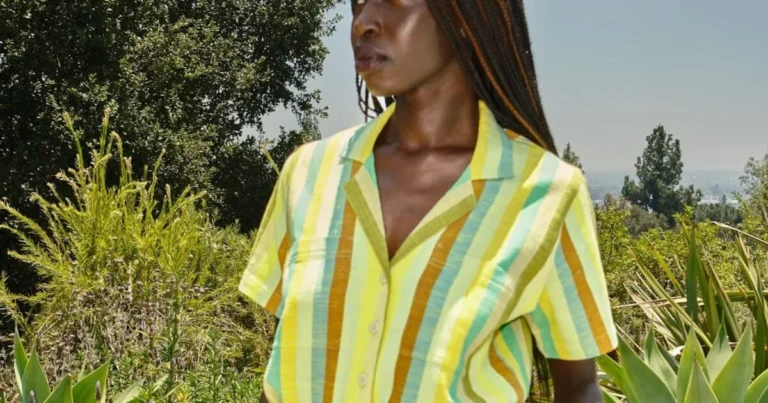
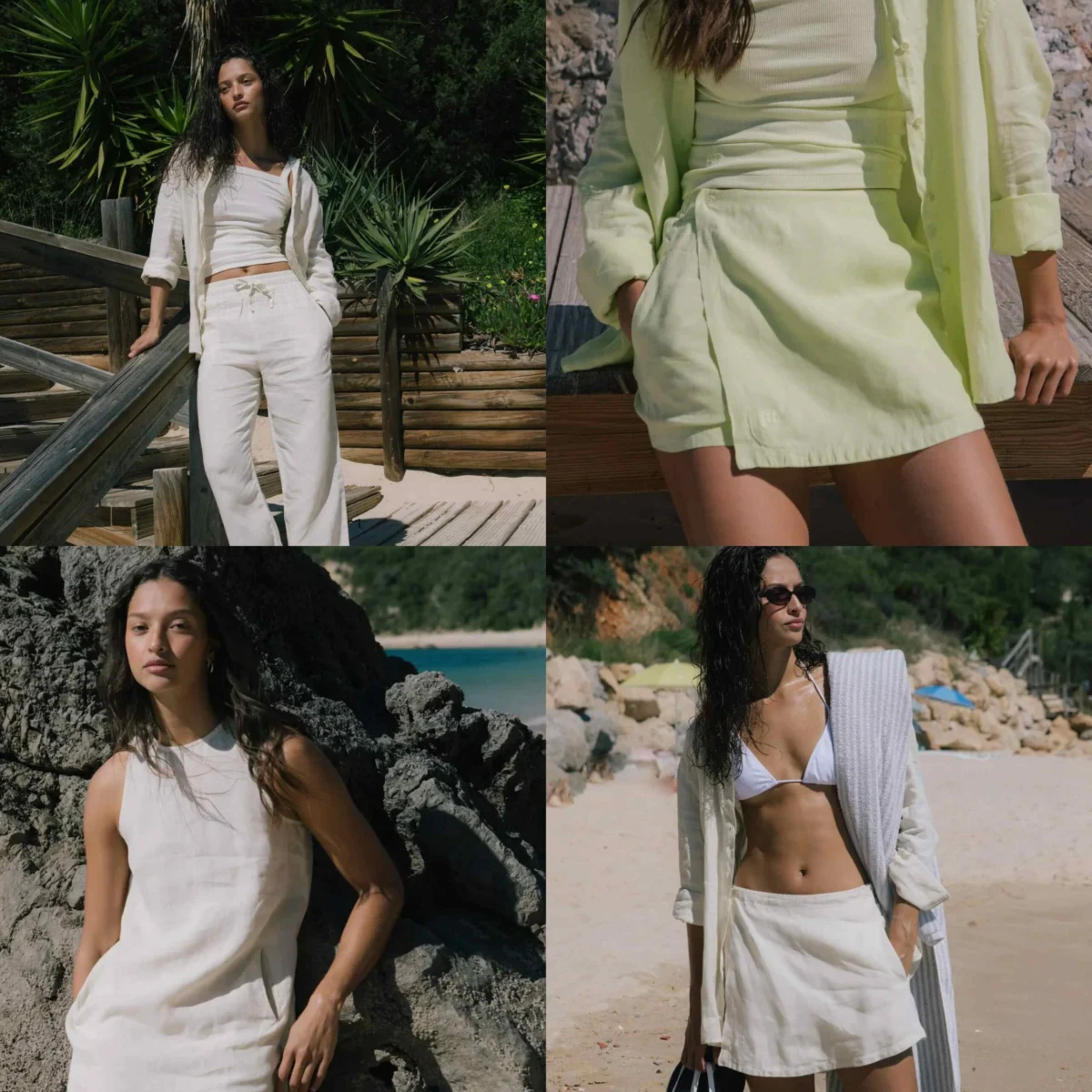
Pangaia, another "Great"-rated brand renowned for its material science innovations, has introduced a new summer line-up prominently featuring rain-fed European linen. Linen stands as one of the most environmentally benign fibres available, derived from the flax plant, which exhibits remarkable versatility and can thrive in poor soil conditions with minimal irrigation. This inherent sustainability is further enhanced by its practical benefits for the wearer: linen is exceptionally breathable, quick-drying, and naturally thermoregulating, making it an ideal choice for warm climates.
Pangaia’s decision to source its linen fibres from Europe and exclusively from rain-fed crops underscores a commitment to water conservation and regional sourcing, reducing the carbon footprint associated with long-distance transportation. The collection itself comprises a range of comfortable, minimally detailed basics, designed not just for seasonal trends but as enduring building blocks for any wardrobe. This focus on timeless design and durable materials directly challenges the fast fashion model, advocating for investment pieces that will serve consumers for many seasons, thereby extending garment life cycles and reducing overall consumption. The brand’s emphasis on material innovation continues to set a benchmark for how fashion can integrate cutting-edge science with ecological responsibility.
3. Demystifying Jewellery Ethics: Bario Neal’s Stance on Transparency
In conjunction with Earth Day this April, Page Neal, co-owner and designer of the "Great" rated jewellery brand Bario Neal, provided invaluable insights into the often-opaque world of ethical jewellery. Her interview served as a crucial guide for consumers seeking to navigate the complexities of greenwashing in the sector. Neal meticulously detailed how smaller, independent labels like Bario Neal often possess greater agility and direct control over their supply chains, enabling them to implement more rigorous ethical standards compared to larger, publicly owned corporations.
Her discussion addressed critical questions surrounding the ethical credentials of popular alternatives, such as lab-grown diamonds versus traditionally mined ones, and the true impact of recycled metals. Neal argued for a nuanced understanding, emphasizing that "sustainability is more than just materials." She highlighted that the provenance of recycled metals, the energy used in their processing, and the labour conditions involved in creating jewellery pieces are as crucial as the material itself. Her insights empower consumers to make informed decisions, looking beyond superficial marketing claims to understand the full lifecycle and ethical implications of their jewellery purchases. Bario Neal’s commitment to transparency, traceable sourcing, and supporting artisanal mining communities exemplifies a holistic approach to ethical production.
4. Pioneering Plant-Based Textiles: Jiwya’s Runway Innovation
Jiwya, a "Great"-rated brand that first captured the attention of Good On You’s editors for its innovative designs, made a significant statement at Paris Fashion Week in March with its new collection. This runway showcase featured entirely plant-based clothing, representing a holistic approach to sustainable design. The collection meticulously avoids all synthetic dyes, threads, and fibres, as well as any animal-derived materials, setting a high bar for environmental and ethical responsibility.
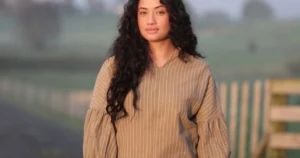
Now available to the public, the gender-neutral line celebrates traditional craftsmanship through plant-based dyes, intricate hand-embroidered detailing, and materials that are both hand-spun and hand-woven. This dedication to artisanal techniques not only supports traditional craft communities but also results in garments of exceptional quality and unique character. As Collective Fashion Justice founder Emma Håkansson has championed, Jiwya’s creations are the kind of items that consumers "will invest in and wear for years and years." This philosophy directly counters the disposability inherent in fast fashion, promoting a model where clothing is cherished, repaired, and passed down, thereby embodying true circularity and longevity. Jiwya’s collection is a powerful demonstration that high fashion can be both environmentally impeccable and culturally rich.
5. Preserving Craft and Labour Justice: Dilli Grey’s Artisan-Made Collections
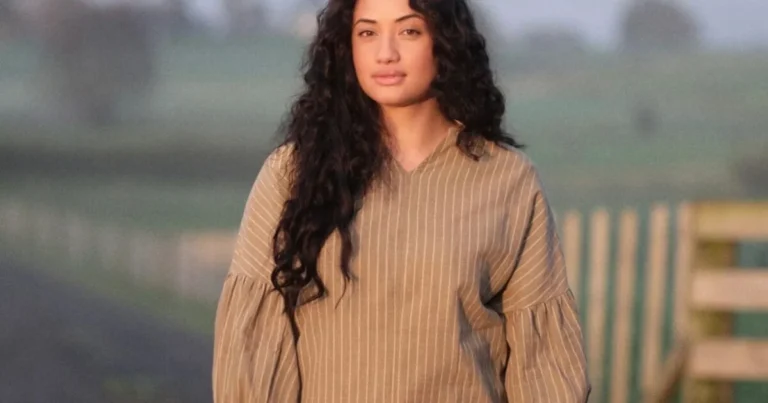
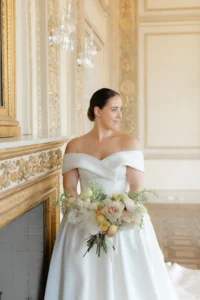
Dilli Grey’s new collection of dresses offers a vibrant example of how fashion can simultaneously be stylish, ethical, and culturally enriching. Each dress is beautifully patterned using traditional block printing techniques, a craft deeply embedded in Indian heritage. What distinguishes Dilli Grey is its unwavering commitment to the artisans and the preservation of these techniques. The brand meticulously produces its garments in small batches, working directly with skilled artisans across various regions of India, including Jaipur, Lucknow, and Delhi.
The brand’s practice of visiting its production sites every season ensures close collaboration, fair labour practices, and the upholding of quality standards. This direct engagement fosters economic stability for artisan communities and safeguards invaluable traditional skills that are at risk of being lost in an industrialized world. Beyond their aesthetic appeal, Dilli Grey’s dresses serve as a powerful conversation starter, highlighting the critical importance of preserving craft, supporting artisanal livelihoods, and championing labour justice within the global fashion industry. In a world increasingly dominated by automated mass production, Dilli Grey stands as a beacon for human-centric manufacturing, proving that beautiful clothing can be made with profound respect for both people and planet.
Broader Implications and The Path Ahead
The developments in April 2026, viewed through the lens of Futerra’s historical analysis, reinforce that the journey toward a truly sustainable fashion industry is neither linear nor without its challenges. The current "downwave" underscores the urgent need for robust policy support, innovative funding mechanisms, and sustained consumer education to help sustainable brands thrive. While large-scale systemic change is often slow, the continuous innovation demonstrated by brands like Triarchy, Pangaia, Bario Neal, Jiwya, and Dilli Grey proves that progress is not only possible but actively happening.
Their commitment to organic materials, water conservation, ethical sourcing, transparency, plant-based textiles, and the preservation of traditional crafts offers a tangible roadmap for the future. These brands exemplify how to build businesses that prioritize people and planet alongside profit, creating products that are designed for longevity, ethical production, and minimal environmental impact. As the global community looks towards 2027 and beyond, the resilience and ingenuity of these pioneers will be instrumental in shaping a fashion landscape that is truly equitable, regenerative, and sustainable for all. The responsibility ultimately rests with governments to create a supportive regulatory framework, with the industry to scale these best practices, and with consumers to consciously choose brands that align with their values, ensuring that the next "upwave" for sustainable fashion is its most impactful yet.
Editor’s note: Feature image via Dilli Grey, all other images via brands mentioned. Good On You publishes the world’s most comprehensive ratings of fashion and beauty brands’ impact on people, the planet and animals. Use the directory to search thousands of rated brands.