









The landscape of professional attire is undergoing a significant transformation, driven by evolving work models and an increasing global awareness of environmental and social sustainability. As workplaces adapt to hybrid schedules and diverse corporate cultures, the demand for versatile, durable, and ethically produced clothing has surged, prompting a critical re-evaluation of traditional office wardrobes. This shift is not merely a fashion trend but a fundamental response to the environmental and ethical shortcomings of the fast fashion industry, aligning personal values with professional presentation.
The Evolving Dress Code Landscape
For decades, the standard office dress code was largely immutable, characterized by formal suits, crisp shirts, and polished shoes. This rigid structure, prevalent through the mid to late 20th century, dictated a uniform approach to professional appearance, particularly in sectors like finance, law, and corporate administration. However, the early 21st century brought a gradual relaxation, with the rise of "business casual" in the 1990s and early 2000s signaling a move towards greater comfort without sacrificing professionalism.
By 2026, office dress codes have become remarkably flexible, often mirroring the specific industry and company culture. In traditional fields such as finance, a two-piece suit or business-casual ensemble remains common, projecting an image of authority and meticulousness. Conversely, creative industries, tech startups, and design studios frequently embrace a more relaxed aesthetic, where jeans, tailored casual shirts, and smart knitwear are deemed appropriate. Despite this divergence in formality, a universal expectation persists: the need for employees to appear "put-together," sharp, and considered. This shared requirement, irrespective of the specific garments, opens a crucial avenue for integrating sustainable choices into everyday professional life. The advent of hybrid work models, balancing days in the office with remote work, has further underscored the need for a versatile wardrobe that seamlessly transitions between professional settings and personal life, reducing the need for excessive, single-purpose garments.
The Environmental Imperative: Why Sustainable Workwear Matters
The conversation around sustainable workwear is deeply rooted in the broader global discourse on environmental protection and ethical labor practices within the fashion industry. Fast fashion, characterized by rapid production cycles, low prices, and disposable quality, has long been criticized for its immense environmental footprint and social inequities. While seemingly offering an "easy win" in terms of upfront cost and immediate availability, these garments often fall short in the long run. Made from cheap, often synthetic fabrics like polyester, they are prone to quick deterioration, pilling, and losing their shape, leading to a "scruffy" appearance after minimal wear. Furthermore, corners cut in manufacturing and garment design frequently result in poor fit and short lifespans, contributing to a cycle of rapid consumption and disposal.
The environmental impact of fast fashion is staggering. The industry is estimated to be responsible for 8-10% of global carbon emissions, more than international flights and maritime shipping combined. A significant portion of this impact stems from textile production, which is resource-intensive, requiring vast amounts of water, energy, and chemicals. The proliferation of synthetic fibers, derived from fossil fuels, not only contributes to greenhouse gas emissions during production but also exacerbates microplastic pollution. Studies suggest that an estimated 35% of primary microplastics in the oceans originate from the washing of synthetic textiles, posing a severe threat to marine ecosystems and potentially human health.
Beyond environmental concerns, the fast fashion model is frequently associated with exploitative labor practices, including low wages, unsafe working conditions, and child labor in supply chains. These ethical considerations add another layer of urgency to the call for more sustainable alternatives.
The Economics of Conscious Consumption: Quality Over Quantity
Investing in sustainable brands often entails a higher initial price point. This premium reflects the true cost of ethical production, including fair wages, sustainable material sourcing, and environmentally responsible manufacturing processes. However, this higher upfront investment is frequently offset by a significantly better "cost-per-wear" over time. Garments from sustainable brands are typically crafted with superior materials and construction techniques, ensuring greater durability and longevity. A well-made, sustainable item is designed to withstand years of wear and proper care, remaining a staple in a wardrobe for far longer than its fast-fashion counterpart. This longevity translates into fewer purchases over time, ultimately saving money and reducing waste.
The guiding principle for updating an office wardrobe in a sustainable manner is simple: "Buy less but better." This philosophy encourages intentional purchasing, prioritizing quality, versatility, and ethical considerations over fleeting trends and disposable items.
Building a Resilient Work Wardrobe: Practical Strategies
Adopting a sustainable approach to workwear involves several practical strategies that empower consumers to make impactful choices:
-
Shopping Your Existing Collection: The most sustainable garment is the one already owned. Before considering new purchases, a thorough review of existing clothing can uncover forgotten items or inspire new combinations. This approach minimizes demand for new production and maximizes the lifecycle of current wardrobe pieces.
-
Embracing Pre-Loved Items: The second most sustainable option is acquiring pre-owned garments. Platforms like eBay, Vinted, and Vestiaire Collective have revolutionized the secondhand market, offering a vast array of quality clothing, often from premium brands, at accessible price points. This circular approach extends the life of garments, diverts textiles from landfills, and reduces the environmental footprint associated with new production. The global secondhand apparel market is projected to reach $84 billion by 2030, highlighting a significant consumer shift towards circular fashion.
-
Curating a Capsule Wardrobe: Intentional purchasing is key when new items are necessary. Developing a curated color palette and focusing on versatile separates allows for maximum mix-and-match potential. A smaller, well-chosen collection of clothes can generate a multitude of outfits, ensuring high mileage from each piece. This strategy minimizes impulse buys and maximizes the utility of every item, embodying the "buy less but better" ethos.
Decoding Sustainable Fabrics: A Material Guide for Professionals
The choice of fabric is paramount in sustainable workwear, directly impacting environmental footprint, durability, and comfort.
-
Avoiding Harmful Synthetics: While synthetic fabrics like polyester and nylon offer durability and wrinkle resistance, their environmental drawbacks are substantial. Derived from fossil fuels, their production contributes to greenhouse gas emissions, and their non-biodegradable nature means they persist in landfills for centuries. Moreover, the microplastic shedding during washing is a persistent environmental concern. Cheap synthetics also often lack the refined aesthetic and comfort of natural fibers, leading to a less polished look over time.
-
Embracing Plant-Based Fibers: For timeless quality and environmental responsibility, plant-based fibers are superior choices.
- Organic Cotton: Grown without harmful pesticides or synthetic fertilizers, organic cotton significantly reduces environmental impact compared to conventional cotton, conserving water and protecting soil health. It offers breathability, softness, and durability, making it ideal for shirts, blouses, and trousers.
- Linen: Derived from the flax plant, linen is celebrated for its exceptional strength, breathability, and moisture-wicking properties. It requires minimal water and pesticides to grow and is fully biodegradable. Its natural texture and elegant drape make it a sophisticated choice for dresses, blazers, and trousers, particularly in warmer climates or office environments.
- Hemp: A highly sustainable crop, hemp grows quickly, requires little water, and improves soil health. Its fibers are incredibly strong, durable, and naturally resistant to mold and UV light. Hemp offers a texture similar to linen and can be blended with other fibers for added softness, suitable for a range of professional garments.
-
Innovative and Regenerated Fibers: Advancements in textile technology have introduced lower-impact alternatives to traditional synthetics and viscose:
- Tencel Lyocell and Modal: These are branded lyocell and modal fibers from Lenzing, produced from sustainably sourced wood pulp in a closed-loop system. This process recovers and reuses nearly all solvents, minimizing waste and pollution. Tencel and Modal offer exceptional drape, softness, and breathability, making them excellent choices for dresses, skirts, and blouses that require fluid movement and a refined finish.
- Bamboo Viscose: While bamboo itself is a fast-growing, regenerative plant, traditional processing into viscose can be chemical-intensive. However, more sustainable closed-loop methods for bamboo viscose production are emerging, offering a soft, silky fabric with good drape and breathability.
- Recycled Wool: Utilizing post-consumer or pre-consumer wool waste, recycled wool reduces the demand for virgin wool production, conserving resources and minimizing landfill waste. It retains wool’s natural temperature-regulating properties, making it an excellent choice for blazers, sweaters, and tailored trousers that offer warmth and sophistication without environmental burden.
These materials, particularly organic cotton, linen, hemp, Tencel Lyocell, Modal, and recycled wool, are excellent choices for office wear due to their inherent temperature-regulating properties. They perform well whether the office air conditioning is set to freezing or during particularly warm days, ensuring comfort throughout the workday. For comprehensive guidance, resources like the "ultimate guide to materials" serve as invaluable references for identifying and investing in lower-impact fabrics.
Leading the Way: Curated Sustainable Brands for Professional Attire
The shift towards sustainable workwear is supported by a growing number of brands committed to ethical production and environmental responsibility. Our editors meticulously curate highly rated brands, first assessed by rigorous ratings systems that evaluate their impact on people, the planet, and animals. These brands offer stylish, durable, and ethically produced options for various professional needs. Buying through such curated links often supports the independent research and editorial work that brings these responsible choices to light.
Sustainable Clothing for the Office
For those seeking to build a sustainable professional wardrobe, several brands stand out for their commitment to quality materials and ethical practices:
- Whimsy + Row Ryan Dress: Known for its timeless designs and commitment to sustainable production, often using deadstock or low-impact fabrics.
- Neem Comfort Shirt: A brand focused on circularity and high-quality, often recycled or organic materials for modern menswear staples.
- Santicler Zoe Sweater: Offers luxurious knitwear with a strong emphasis on sustainable fibers like cashmere, produced with ethical sourcing.
- Akyn Noor Blazer: Specializes in tailored pieces crafted from responsibly sourced materials, embodying modern professionalism.
- Alchemist Masey Vest: A brand recognized for its use of organic and recycled materials in contemporary, versatile designs.
- Knowledge Cotton Apparel @ Brothers We Stand Overshirt: Features organic cotton and other sustainable fibers, available through a platform that champions ethical menswear.
- WILDA.ECO Personalisable Blazer and Trousers: Focuses on custom-fit, sustainable tailoring, allowing for greater longevity and personal expression.
- E.L.V. Denim Jamie Blazer: Utilizes upcycled denim to create unique, stylish pieces, promoting circular fashion.
- The Knotty Ones January Cardigan: Known for its handcrafted knitwear, often made from responsibly sourced merino wool, supporting artisan communities.
- Lanius Striped Midi Shirt Dress: A German brand committed to GOTS-certified organic cotton and other ecological materials in elegant, feminine designs.
- Komodo India Vest: Offers ethical and sustainable fashion inspired by global cultures, often using organic and natural fibers.
- Artknit Studios Tailored Trousers with Pleats: Specializes in high-quality, traceable knitwear and tailored pieces made from natural fibers like wool, ensuring transparency in their supply chain.
More Sustainable Shoes, Bags, and Accessories for the Office
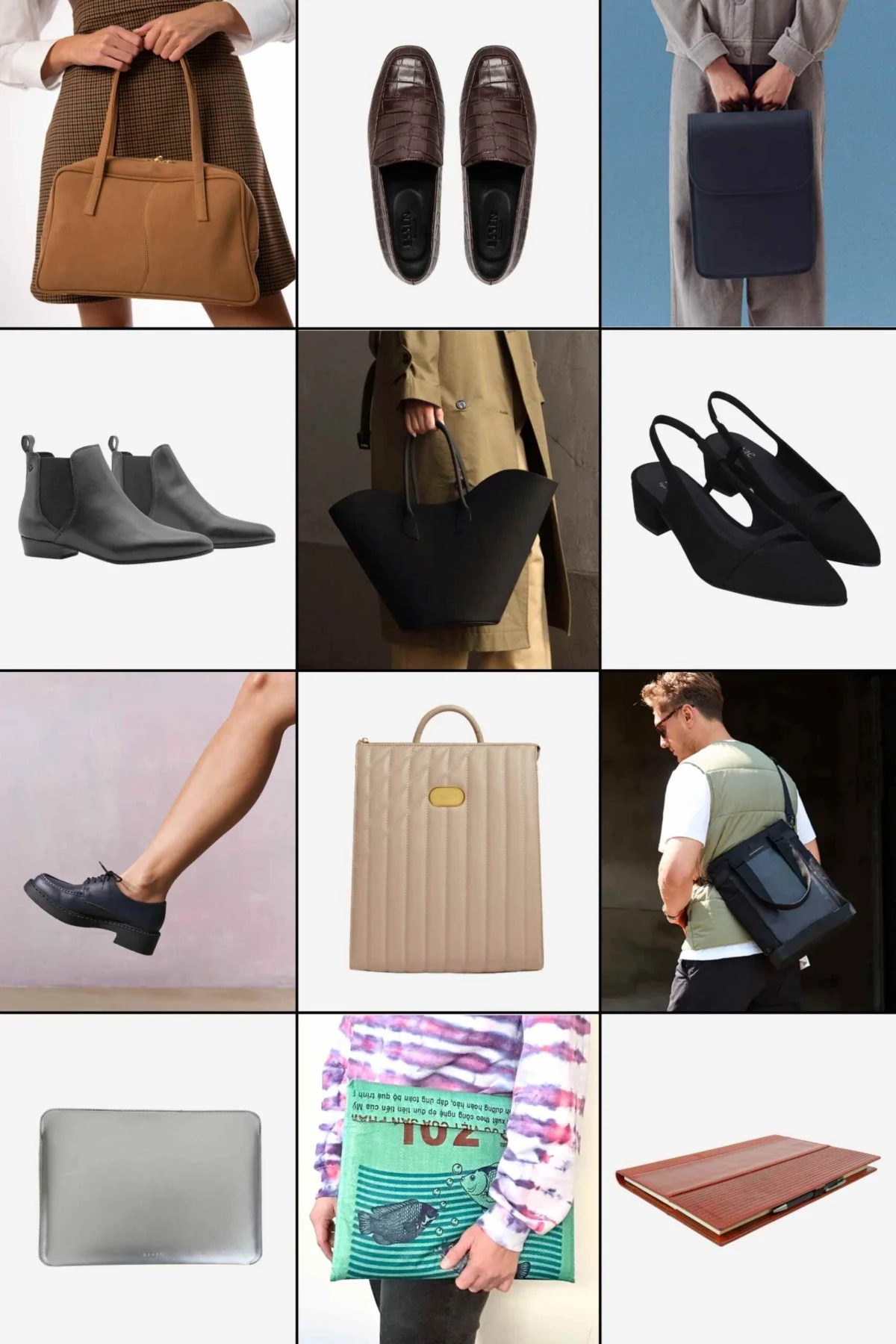
Complementing a sustainable clothing wardrobe requires equally thoughtful choices for accessories, which can significantly enhance a professional look while adhering to ethical standards.
- Mashu Artemis Bag: Features elegant designs crafted from vegan leathers and sustainable materials, emphasizing luxury without animal products.
- ESSEN Modern Moccasin Shoes: Focuses on timeless footwear made in small, ethical factories, often using sustainably sourced leathers or vegan alternatives.
- Ucon Acrobatics Adina Backpack: Offers minimalist and functional bags made from recycled materials, designed for urban lifestyles.
- COG Vegan Chelsea Boots: Provides stylish and durable vegan footwear, proving that ethical choices do not compromise on design.
- ASK Scandinavia Willow Tote Bag: Creates timeless and functional bags from recycled and innovative sustainable materials, prioritizing durability.
- Nae Vegan Slingback Shoes: A Portuguese brand specializing in 100% vegan footwear, using sustainable materials like cork, pineapple leaf fiber, and recycled PET.
- Agazi Helen Vegan Loafers: Offers handcrafted vegan shoes, combining traditional craftsmanship with modern sustainable materials.
- LaBante Danai Vegan Backpack: Designs luxurious vegan bags and accessories, committed to ethical production and recycled materials.
- Groundtruth Rikr Vegan Laptop Bag: Specializes in high-performance, eco-friendly bags made from recycled ocean plastic, focusing on durability and ethical manufacturing.
- BEEN London Orton Vegan Laptop Sleeve: Crafts accessories from discarded leather and other waste materials, embodying circular economy principles.
- Torrain Padded Laptop Sleeve: Creates practical accessories from upcycled materials, often focusing on unique, repurposed industrial textiles.
- Elvis & Kresse Firehose Notebook: Repurposes decommissioned firehoses into durable and unique accessories, championing waste reduction and upcycling.
The Broader Impact: Towards a Sustainable Fashion Future
The movement towards sustainable workwear is indicative of a broader transformation within the fashion industry. It signifies a growing consumer demand for transparency, ethics, and environmental responsibility, pushing brands to innovate and adopt more sustainable practices. This shift has implications for policy-making, encouraging regulations that promote circularity, reduce waste, and ensure fair labor. For consumers, it offers an opportunity to align their professional image with their personal values, contributing to a more sustainable and equitable future. By consciously choosing to invest in quality, durability, and ethical production, individuals can play a pivotal role in shaping a fashion industry that respects both people and the planet.
Editor’s Note: Feature image via Whimsy + Row, all other images via brands mentioned. Good On You publishes the world’s most comprehensive ratings of fashion and beauty brands’ impact on people, the planet, and animals.
This article was updated on 11 March 2026. Our editors frequently make updates to articles to ensure they are current and reflect the latest information. This guide has been refreshed, and our selection of brands updated to include those with recent ratings and continued commitment to sustainable practices.