





The global fashion industry, a colossal economic force, is increasingly under scrutiny for its profound environmental and social impact. From vast water consumption and chemical pollution to textile waste and often exploitative labor practices, the conventional production model poses significant challenges to planetary health and human rights. In response, a burgeoning movement towards sustainable fashion has gained momentum, driven by growing consumer awareness and a demand for greater transparency and ethical accountability from brands. At the forefront of this movement is Good On You, an organization dedicated to empowering consumers with accessible, reliable information about the sustainability performance of fashion and beauty brands. In a significant initiative, Sandra Capponi and Gordon Renouf, the visionary co-founders of Good On You, have unveiled their personal selections for a sustainable workwear capsule wardrobe, offering practical guidance for professionals seeking to align their sartorial choices with their values. This month’s team picks highlight 16 brands that meet Good On You’s stringent "Good" or "Great" ratings, reflecting a decade of expertise in navigating the complex landscape of ethical fashion.
The Imperative of Sustainable Fashion in Professional Settings
The concept of a "workwear wardrobe" traditionally conjures images of tailored suits, crisp shirts, and polished accessories, often prioritizing aesthetics and perceived professionalism above all else. However, as the conversation around sustainability permeates all aspects of life, professionals are increasingly seeking options that not only present well but also embody ethical production and environmental responsibility. This shift is not merely a niche trend; it reflects a broader societal awakening. Recent studies indicate that a significant percentage of consumers, particularly younger generations, are willing to pay more for sustainable products. A 2023 report by NielsenIQ, for instance, found that 66% of global consumers consider sustainability when making purchasing decisions, a figure that continues to climb. This growing demand extends naturally to professional attire, where durability, timelessness, and responsible sourcing are becoming as valued as style and comfort.
The fast fashion model, characterized by rapid production cycles, low prices, and disposable garments, has contributed significantly to environmental degradation. The textile industry is responsible for approximately 10% of global carbon emissions, more than international flights and maritime shipping combined, according to the United Nations Environment Programme (UNEP). Furthermore, an estimated 92 million tons of textile waste are generated globally each year, with much of it ending up in landfills or incinerators. For workwear, which often requires specific material properties and design longevity, the implications of choosing unsustainable options are particularly stark. Investing in high-quality, sustainably made garments that are designed to last, rather than frequently replacing cheaper items, directly counters the disposable culture and reduces overall environmental footprint.
Good On You: A Decade of Driving Transparency
The journey of Good On You began over a decade ago with Sandra Capponi and Gordon Renouf’s shared conviction that consumers deserved clear, actionable information about the ethical impact of their purchasing decisions. Launched in 2015, Good On You quickly established itself as a pioneering platform, developing a robust and transparent rating system for fashion and beauty brands. Their methodology, developed by diverse experts, aggregates comprehensive data across three key areas: Planet (environmental impact), People (labor practices and human rights), and Animals (animal welfare). Each brand is then assigned a rating on a five-point scale, from "We Avoid" to "Great," providing an easily digestible summary of their sustainability performance. This rigorous, independent assessment distinguishes Good On You from many other initiatives, offering a trusted resource in an often opaque industry.
Over the past ten years, Capponi and Renouf have not only built a comprehensive directory of over 6,000 fashion and hundreds of beauty brands but have also become vocal advocates for consumer rights and industry accountability. Their work involves continuous engagement with brands, supporting smaller, ethical labels, and pushing for greater transparency across the board. This deep immersion in the sustainable fashion ecosystem provides them with unparalleled insight into which brands genuinely walk the talk and offer products that meet high standards of both quality and ethics. Their personal selections, therefore, are not merely fashion recommendations but endorsements rooted in years of expert evaluation and personal investment.
The Methodology Behind Trustworthy Recommendations
Good On You’s commitment to the "buy less, buy better" philosophy underpins all its recommendations. The platform’s credibility stems from its rigorous, data-driven approach. Instead of relying on self-reported brand claims, Good On You analysts scrutinize publicly available information, certifications, and independent audits. This includes examining supply chain transparency, material sourcing, waste reduction strategies, water management, carbon footprint, fair labor practices, and animal welfare policies. The resulting five-point rating system simplifies complex sustainability data into an easily understandable format, empowering consumers to make informed choices without needing to conduct extensive research themselves.
The editorial team at Good On You further curates these selections, ensuring that recommended items not only meet sustainability criteria but also adhere to high standards of quality, longevity, and timeless design. This dual focus means that consumers can trust that the suggested products are not only ethically produced but also represent sound investments that will remain relevant beyond fleeting trends. While acknowledging the immense value of reusing, mending, and second-hand shopping—practices that are crucial for a circular economy—Good On You’s expert ratings specifically guide consumers toward new brands that are making significant strides in sustainable production, for those occasions when a new purchase is necessary.
Sandra Capponi’s Vision: Minimalist Comfort Meets Sustainable Luxury
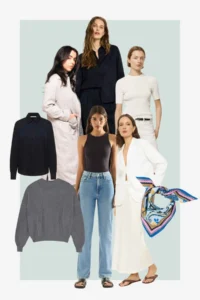
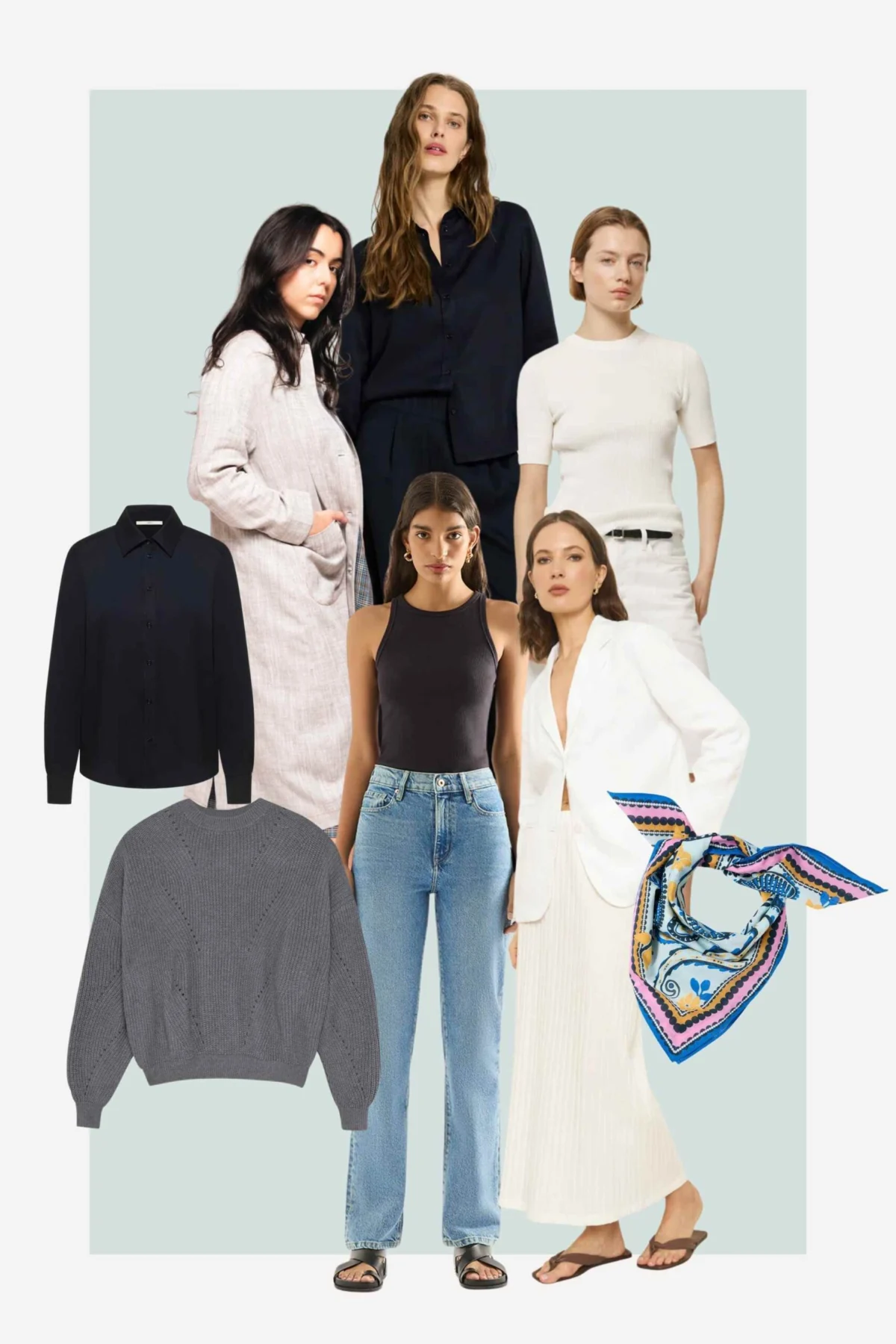
Sandra Capponi, co-founder of Good On You, exemplifies a sophisticated approach to sustainable workwear, blending minimalist comfort with discerning luxury in fabrics and detailing. Her personal philosophy centers on a versatile wardrobe of neutral hues, allowing for effortless mixing and matching, a cornerstone of the capsule wardrobe concept. "Working from home most days," Capponi explains, "I’m all about a wardrobe of minimalist comfort with a touch of luxury in the fabrics and detailing, from textured tees and premium jeans to slip dresses layered with cosy knits or a classic shirt, which I find so versatile for dressing up a casual look (or channelling boss vibes)." This approach not only prioritizes comfort and elegance but also significantly extends the lifespan of garments, reducing the need for frequent replacements.
Capponi’s material choices are meticulously aligned with sustainability principles. She invests in quality, lower-impact fibers such as linen, organic cotton, Responsible Wool Standard (RWS) wool, and TENCEL™ Lyocell. These materials are chosen for their reduced environmental footprint compared to conventional alternatives. Organic cotton, for instance, is grown without harmful pesticides and synthetic fertilizers, significantly reducing water pollution and promoting soil health. RWS wool ensures that sheep are treated humanely and that land is managed responsibly. TENCEL™ Lyocell, derived from sustainably sourced wood pulp, is produced in a closed-loop system that recycles water and solvents, making it a highly resource-efficient fiber. Capponi notes, "Of course sustainability guides my choices, so while my style is understated, I try to make a statement by choosing brands that match my style and values."
Her curated selections reflect this philosophy, featuring brands known for their commitment to ethical production and high-quality sustainable materials:
- Outland Denim Zoe Straight Jeans: An Australian label trusted by Capponi for over a decade, Outland Denim is renowned for its ethical manufacturing practices, providing employment and training for women vulnerable to exploitation, alongside using organic cotton and innovative water-saving techniques.
- Artknit Studios Organic Cotton Ribbed Tee: An Italian brand focused on transparency and high-quality natural fibers, Artknit Studios offers luxurious staples made from organic cotton, reflecting a commitment to durability and minimalist design.
- amt.studio Suave Jersey Sweater: This brand emphasizes timeless design and sustainable production, often utilizing organic materials and focusing on small-scale, ethical manufacturing in Europe.
- Lanius TENCEL™ Shirt & Printed Scarf: A German pioneer in ethical fashion, Lanius is celebrated for its use of certified organic and sustainable materials like TENCEL™ Lyocell, known for its softness and environmental credentials. Their pieces combine classic style with ecological responsibility.
- Whimsy + Row Jada Skirt: Hailing from Los Angeles, Whimsy + Row creates limited-run collections using deadstock and sustainable fabrics, minimizing waste and promoting local production. Their playful yet sophisticated designs offer versatile additions to a workwear wardrobe.
- FRSKE Oko Duster Coat: FRSKE specializes in eco-friendly outerwear, often using recycled or natural fibers and emphasizing timeless design and robust construction for longevity.
Capponi’s emphasis on "subtle details like ribbing or decorative stitching that I really cherish the making of" speaks to an appreciation for craftsmanship and the story behind each garment, a core tenet of mindful consumption. Her occasional trips to Europe, connecting with team and heritage, also allow her to discover European labels that align with her values, highlighting the global nature of the sustainable fashion movement. For a quick departure, her reliance on a "timeless duster, some loafers and a scarf for a pop of colour and extra warmth" – often her mother’s vintage scarves – underscores the enduring value of pre-owned items and the art of accessorizing for versatility.
Gordon Renouf’s Practical Approach to Sustainable Menswear
Gordon Renouf, the other half of Good On You’s founding duo, approaches sustainable menswear with a focus on foundational pieces that combine durability, comfort, and ethical production. His selections reflect a practical yet conscious style, suitable for various professional contexts while upholding strong sustainability credentials. The increasing availability of high-quality, sustainable menswear has transformed the options for men seeking to build an ethical wardrobe. Previously, sustainable fashion was often perceived as primarily catering to women or casual wear, but brands are now stepping up to offer sophisticated and durable menswear.
Renouf’s picks demonstrate that sustainable workwear for men can be both stylish and responsible, moving beyond basic casual wear to encompass versatile items suitable for office environments, business travel, and casual professional engagements. His recommendations highlight brands that prioritize organic, recycled, and innovative sustainable materials, alongside transparent and ethical manufacturing processes.
His curated selections for menswear include:
- Brothers We Stand Organic Cotton T-Shirt: This UK-based platform exclusively features ethical and sustainable menswear, with their own organic cotton t-shirts representing a foundational piece made with environmental responsibility.
- Neem London Recycled Denim Shirt: Neem London focuses on circularity and uses innovative recycled materials, including recycled denim, to create contemporary menswear. Their commitment to reducing waste and utilizing sustainable fabrics makes their pieces particularly impactful.
- Carpasus Chinos: Carpasus, a Swiss brand, specializes in organic and sustainable menswear, particularly renowned for its use of high-quality organic cotton and linen in meticulously crafted garments like these versatile chinos.
- Kings Of Indigo Charles Jeans: A pioneer in sustainable denim, Kings Of Indigo (KOI) uses organic cotton, recycled materials, and water-saving techniques to produce durable and stylish jeans, setting a high standard for denim production.
- COG Topsy Sneakers: COG offers ethically made footwear, often utilizing recycled or sustainably sourced materials, combining comfort with a minimalist design suitable for a modern professional look.
- Opera Campi Hemp Polo Shirt: Opera Campi is at the forefront of using innovative materials like hemp, which is highly sustainable due to its minimal water requirements and natural durability. Their polo shirts offer a smart-casual option with a low environmental footprint.
- Casagin TENCEL™ Boxers: Even undergarments can be chosen sustainably. Casagin offers comfortable and breathable boxers made from TENCEL™ Lyocell, emphasizing sustainable material choices throughout the wardrobe.
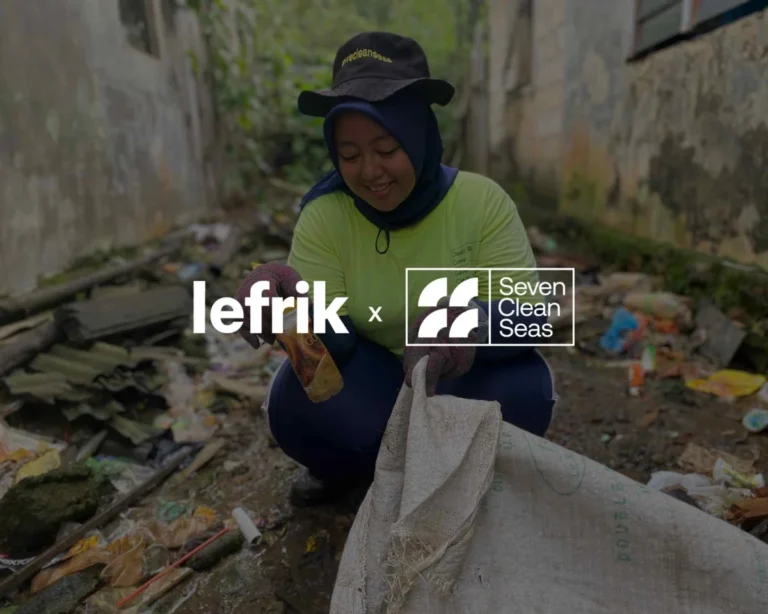
- Lefrik Roll Backpack: Lefrik specializes in sustainable bags and accessories made from recycled PET bottles, transforming plastic waste into durable and functional items perfect for daily commutes or business travel.
- Citizen Wolf Hemp T-Shirt: Citizen Wolf, an Australian brand, champions custom-fit clothing made-to-order from sustainable fabrics like hemp, which is celebrated for its strength, breathability, and minimal environmental impact. Their model reduces textile waste by avoiding overproduction.
- Conscious Step Socks: Conscious Step offers organic, fair trade socks that also contribute to various charitable causes, linking sustainable consumption with social impact. Each pair supports a specific cause, such as protecting pollinators or providing clean water.
These selections collectively illustrate that building a sustainable workwear wardrobe is about more than just individual items; it’s about a holistic approach to consumption that prioritizes ethical sourcing, durable materials, and transparent production practices.
Broader Implications and the Future of Workwear
The conscious choices of individuals like Sandra Capponi and Gordon Renouf, amplified through platforms like Good On You, carry significant broader implications for the fashion industry. As more consumers demand sustainable options, brands are compelled to re-evaluate their supply chains, material sourcing, and labor practices. This growing pressure contributes to a market shift where sustainability becomes a competitive advantage rather than a niche offering.
The emphasis on capsule wardrobes, durable materials, and timeless design also challenges the prevailing fast fashion paradigm, promoting a return to quality over quantity. This approach not only benefits the environment by reducing waste and resource consumption but also empowers consumers to build a more resilient and versatile wardrobe that serves them for years. The investment in higher-quality, ethically produced garments, while potentially having a higher upfront cost, often proves more economical in the long run due to increased longevity and reduced need for replacements.
The future of workwear is likely to be increasingly characterized by innovation in sustainable materials, greater transparency in supply chains, and a stronger emphasis on circular economy principles, including repair, reuse, and recycling. As technology advances and consumer awareness grows, the expectation for brands to demonstrate verifiable commitment to sustainability will only intensify. Good On You and its founders continue to play a critical role in this evolving landscape, providing the essential tools for consumers to navigate these choices and for brands to be held accountable for their impact. Their curated selections are not just product recommendations; they are a testament to the possibility of integrating personal values with professional presentation, one conscious choice at a time.