






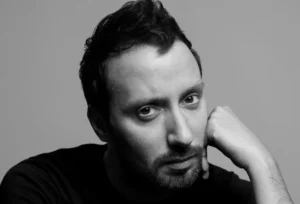


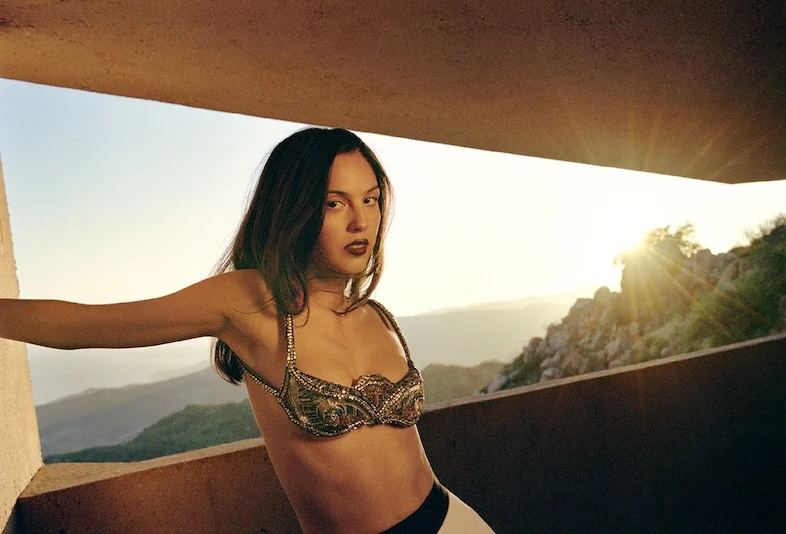
In a revealing May 2026 interview for the New York Times podcast "Popcast" with Jon Caramanica and Joe Coscarelli, pop sensation Olivia Rodrigo made a definitive declaration: she is "not a fashion girl." This statement came in response to inquiries about her notable absence from the year’s Met Gala, a high-profile, "Bezo-funded" event synonymous with celebrity fashion. Rodrigo articulated her evolving priorities, stating, "Gosh, how do I choose my words wisely? This is my third album. I don’t feel like I need to do things that don’t bring me joy, inspire me, fuel me, feel aligned with my values. It’s not as fun or exciting anymore." While her assertion of moral clarity and pursuit of authentic engagement resonates with many, a closer examination of Rodrigo’s sartorial journey, spanning her meteoric rise to global stardom, suggests a sophisticated and deeply informed approach to fashion that belies her self-proclaimed disinterest. Far from being a mere bystander in the fashion world, Rodrigo has meticulously crafted a distinct and influential aesthetic, drawing from a diverse palette of cult figures and cinematic inspirations to define her unique place in contemporary pop culture, leveraging fashion as a powerful tool for storytelling and self-expression.
The Met Gala Stance: Authenticity, Celebrity Obligations, and Shifting Values
Olivia Rodrigo’s candid remarks regarding her absence from the Met Gala shed light on a broader conversation within the entertainment industry concerning authenticity, commercial pressures, and the evolving role of celebrity. The Met Gala, an annual fundraising event for the Metropolitan Museum of Art’s Costume Institute, co-chaired by Vogue‘s Anna Wintour and often bankrolled by prominent figures like Amazon founder Jeff Bezos (hence the "Bezo-funded" descriptor), has grown from a prestigious social gathering into one of the most significant global fashion spectacles. Celebrities are typically invited by designers who dress them, turning the event into a high-stakes runway where visibility, brand alignment, and cultural impact are paramount. For many, attending is a career imperative, a non-negotiable step in maintaining relevance and forging lucrative partnerships within the fashion and entertainment industries. In 2024, the Met Gala reportedly raised over $22 million, underscoring its immense financial and cultural weight.
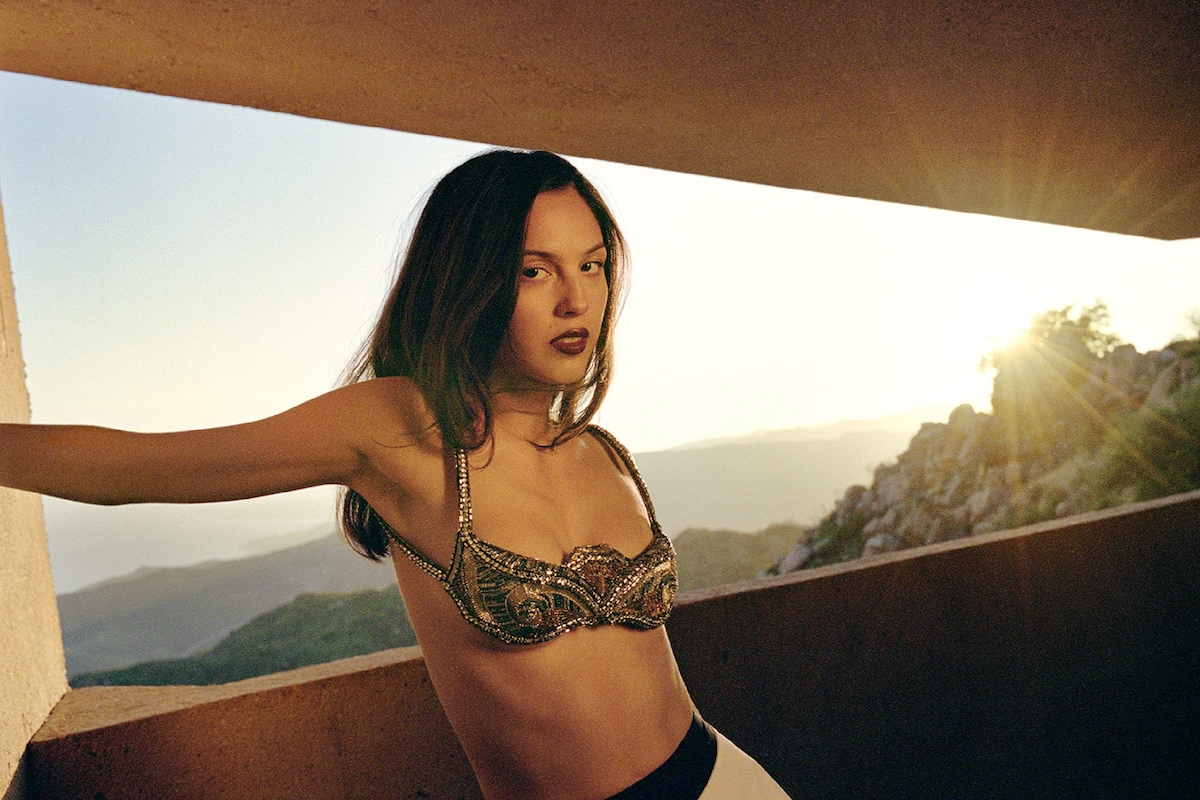
Rodrigo’s decision to forgo the event, particularly at the juncture of her third album release, speaks volumes about her self-awareness and burgeoning artistic maturity. Entering a new phase of her career, where she has established herself beyond the initial "Drivers License" phenomenon and the success of "Sour" and "GUTS," Rodrigo appears to be consciously curating her public persona. Her emphasis on "joy," "inspiration," and "values" signals a deliberate move away from activities perceived as performative or commercially driven, towards engagements that genuinely resonate with her artistic vision and personal principles. This aligns with a growing trend among younger celebrities who are increasingly vocal about mental health, work-life balance, and the ethical implications of their public platforms. By openly questioning the "fun or exciting" nature of such high-pressure events, Rodrigo inadvertently challenges the very fabric of celebrity obligations, potentially influencing her vast Gen Z fanbase to scrutinize the perceived glamour of the industry. Her statement suggests a desire to control her narrative and energy, prioritizing artistic integrity and personal well-being over the incessant demands of the fashion-industrial complex. This move could be interpreted as a strategic power play, asserting her status to dictate her terms of engagement rather than merely conforming to established industry norms.
Deconstructing the "Not a Fashion Girl" Myth: A Chronology of Rodrigo’s Aesthetic Evolution
Despite her recent disavowal, Olivia Rodrigo’s journey through the public eye has been consistently marked by a keen and evolving sense of style. Her aesthetic choices are far from arbitrary; they are meticulously curated homages to influential cultural touchstones, each contributing to a visual narrative that complements her raw, emotionally charged music. This section delves into the key figures and eras that have visibly shaped Rodrigo’s fashion identity, demonstrating a deep engagement with style history and its contemporary reinterpretation.
The Kinderwhore Revival: Courtney Love’s Enduring Legacy
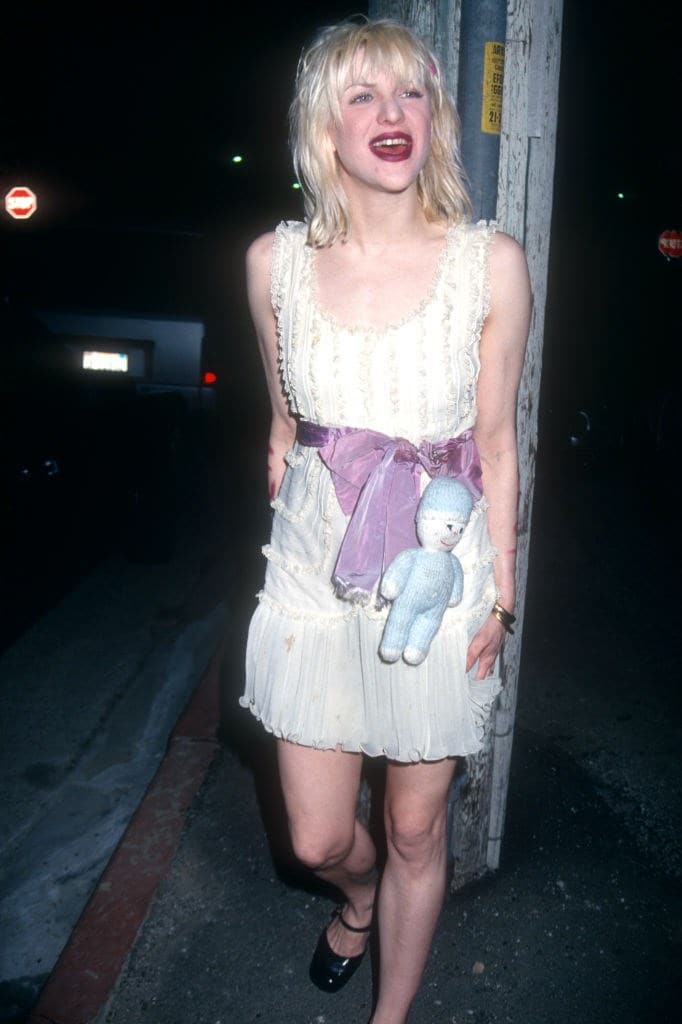
One of Rodrigo’s most striking and debated fashion moments involved her embrace of the "kinderwhore" aesthetic, most notably when she performed in Barcelona during her "GUTS" tour wearing a Génération78 baby-doll dress. This choice, far from being a simple fashion statement, ignited a "moral panic," as the original article notes, raising questions about whether a silhouette once synonymous with feminist rebellion could now be seen as a submission to patriarchal ideals. However, such critiques often overlook the historical and subversive roots of the kinderwhore aesthetic.
Originating in the early 1990s, the kinderwhore look was famously pioneered by Courtney Love, frontwoman of the grunge band Hole. It deliberately juxtaposed hyper-feminine elements—frilly baby-doll dresses, bows, tiaras—with aggressive, grunge signifiers like ripped fishnet tights, smudged makeup, and heavy combat boots. This aesthetic was a direct, often satirical, commentary on the infantilization of women in rock music and wider society. Love used it as a powerful visual tool to reclaim and recontextualize symbols of innocence, transforming them into emblems of anger, vulnerability, and defiance. Her performances, often featuring these dresses, were potent acts of rebellion against conventional femininity and the male gaze. The style was a deliberate rejection of polished beauty standards, favoring a raw, unkempt, and confrontational presentation.
Rodrigo’s adoption of the baby-doll dress, particularly in a performance context, echoes this tradition. It positions her within a lineage of female artists who use fashion to explore the uneasy intersection of innocence, femininity, and rage. Her music, often exploring themes of heartbreak, betrayal, and female adolescent angst, finds a perfect visual counterpart in the kinderwhore aesthetic. It’s not about being childlike in a submissive way, but rather about harnessing the power of perceived innocence to deliver potent, often aggressive, messages. By wearing the Génération78 dress, Rodrigo, whether consciously or instinctively, taps into this legacy, challenging observers to look beyond surface-level interpretations and appreciate the deeper, often feminist, undertones of her style. The conversation around her dress choice ultimately served to highlight the enduring relevance of this aesthetic in contemporary discussions about female identity and fashion, particularly among a new generation reclaiming its defiant spirit.
Regal Rebellion: The Marie Antoinette Influence
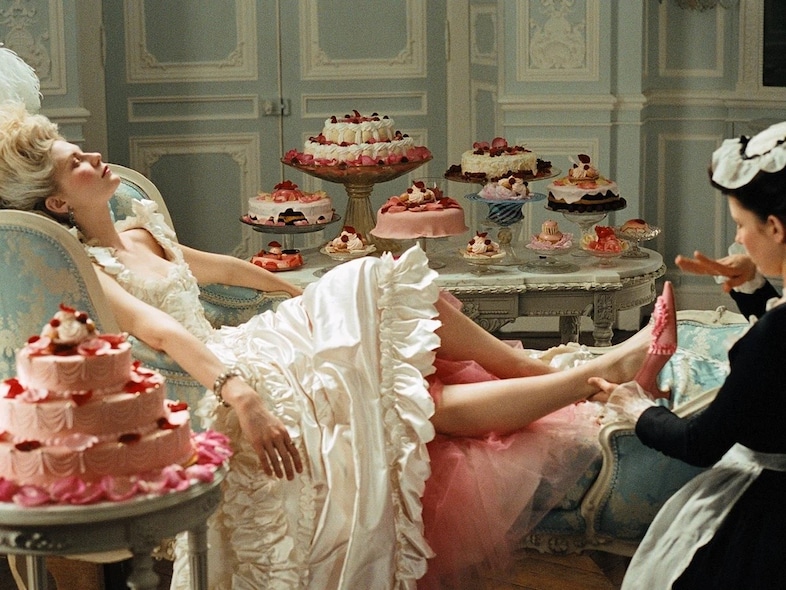
Rodrigo’s music video for "drop dead" presented another compelling chapter in her fashion narrative, drawing explicit inspiration from Sofia Coppola’s visually sumptuous 2006 film, Marie Antoinette. In the video, Rodrigo pranced through the opulent halls of the Louvre, adorned in a frilly pink-and-blue baby-doll top from Chemena Kamali’s Chloé pre-fall collection, paired with vintage silk bloomer shorts and knee-high white socks. This ensemble was a direct sartorial nod to the film’s decadent aesthetic, where elaborate historical costumes met a punk-rock sensibility.
Milena Canonero, the Italian costume designer behind Marie Antoinette (who won an Oscar for her work), intentionally designed the film’s wardrobe not merely to recreate historical accuracy but to tell a story about girlhood, excess, and isolation. The pastel palettes, rich fabrics, and whimsical details of the costumes underscored the youthful naiveté and eventual disillusionment of the titular queen. Coppola’s film itself was a modern reinterpretation, using contemporary music (including New Wave and post-punk tracks) and anachronistic touches to make an 18th-century narrative resonate with a modern audience, emphasizing the queen’s youth and vulnerability rather than purely her historical villainy.
Rodrigo’s adoption of this aesthetic for "drop dead" is deeply resonant. As she sings about "feminine intuition" and "stalking boys in bed," she, too, is crafting a narrative about girlhood—specifically, her own experiences of navigating young love, obsession, and self-discovery. The playful yet opulent styling communicates a sense of youthful indulgence and emotional intensity, reflecting the themes in her music. It suggests a revelry in the complexities and often contradictory emotions of adolescence, using the visual language of historical fantasy to amplify her contemporary pop-punk sensibilities. This demonstrates Rodrigo’s ability to integrate diverse cultural references into a cohesive, personal brand, showing an understanding of how historical fashion can inform and enrich modern artistic expression, making it relatable to a contemporary audience.
Y2K and Pop-Punk Prowess: Channeling Gwen Stefani and Avril Lavigne
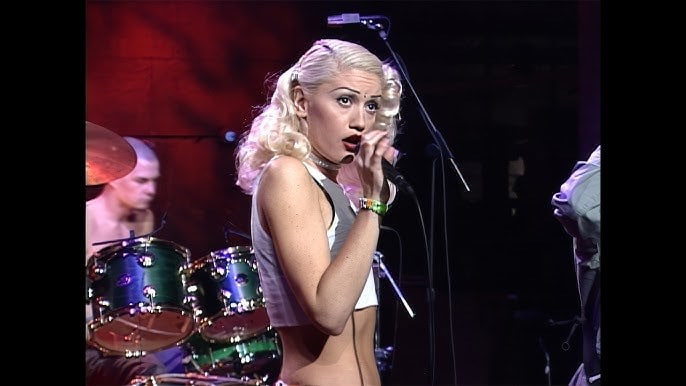
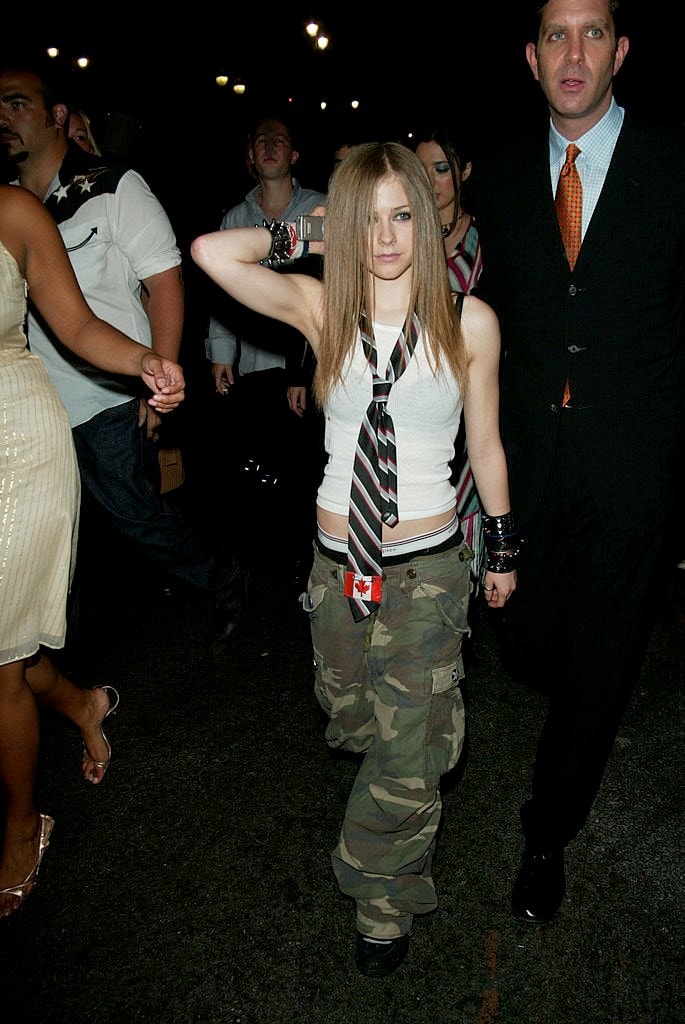
The influence of the late 1990s and early 2000s pop-punk and skate culture is undeniably strong in Rodrigo’s aesthetic, particularly evident after her "GUTS" tour. This era, characterized by a blend of rebellious attitude, casual sportswear, and edgy glamour, finds a clear parallel in Rodrigo’s stage and street style, often referencing two of its most iconic figures: Gwen Stefani and Avril Lavigne. This fusion of influences speaks to Gen Z’s appreciation for nostalgic fashion cycles and the enduring appeal of female-fronted rock.
Gwen Stefani (No Doubt Era): During her tenure with No Doubt, Gwen Stefani became an undisputed style icon, effortlessly blending skate culture with tomboy glamour and ska-punk aesthetics. Her signature look—baggy pants, crop tops, bold makeup, and playful hairstyles like space buns—defined a generation. Stefani’s fashion was a powerful statement of female empowerment and independence, often challenging traditional gender norms in rock music. Rodrigo has proven herself fluent in these Y2K references, culminating in a full-circle moment when she joined No Doubt on the 2024 Coachella stage. For their joint performance of "Bathwater," Rodrigo impeccably channeled Stefani, sporting space buns and an "I <3 ND" shirt, strategically exposing a red bra strap—a subtle yet powerful nod to Stefani’s rebellious style of mixing lingerie as outerwear. This performance was not just a musical collaboration but a visual homage, showcasing Rodrigo’s deep appreciation for Stefani’s pioneering role in defining a genre and its accompanying fashion. It demonstrated how Rodrigo skillfully harnesses nostalgia, connecting with both older fans who grew up with No Doubt and younger audiences discovering the enduring appeal of Y2K aesthetics. Her interpretation of Stefani’s style is less about replication and more about an authentic absorption of its spirit, adapting it to her own youthful, edgy brand.
Avril Lavigne: The "pop-punk princess" of the early 2000s, Avril Lavigne, is another foundational influence on Rodrigo’s style. Lavigne’s effortlessly cool skater-tomboy look—low-rise jeans, white tank tops, and a loosely tied necktie—became synonymous with a generation’s angst and rebellion. Her fashion was accessible yet edgy, resonating with teenagers worldwide who felt misunderstood. Rodrigo’s admiration culminated in a guest performance during her 2022 SOUR tour in Toronto, where they sang Lavigne’s hit "Complicated." Lavigne’s influence is discernible in Rodrigo’s more "girly" style, particularly through her choice of footwear (knee-high Doc Martens and Converse sneakers) and her frequent incorporation of tartan skirts. These elements bridge the gap between Lavigne’s harder-edged punk aesthetic and Rodrigo’s softer, more traditionally feminine presentation, creating a modern pop-punk look that is both rebellious and accessible. Rodrigo’s style demonstrates an evolution of Lavigne’s original vision, adapting the core elements of punk-rock attitude—the plaid, the chunky boots, the defiance—into a contemporary context that resonates with Gen Z’s fluid approach to gender expression and subculture appropriation. The enduring appeal of these Y2K figures highlights a cyclical nature in fashion, where iconic looks are continually reinterpreted by new generations.
Effortless Chic: The Enduring Allure of Jane Birkin
Adding another layer of sophistication and versatility to her aesthetic, Olivia Rodrigo has also demonstrated a clear affinity for the timeless elegance of French actress and style icon Jane Birkin. This influence became particularly apparent at the beginning of her "drop dead" music video, where Rodrigo initially appeared in a vintage mini dress reminiscent of the one Birkin famously wore in her 1975 film, Catherine et Cie. This sartorial choice immediately linked Rodrigo to a lineage of effortless