








The pursuit of workwear that upholds ethical production standards and minimizes environmental impact presents a complex challenge in today’s globalized textile industry. While the inherent durability of workwear aligns with circular economy principles, a significant portion of mass-produced garments still relies heavily on virgin polyester and other synthetic materials, raising substantial environmental concerns. This article delves into the intricacies of sourcing more responsible workwear, exploring the challenges posed by conventional materials and highlighting brands that are forging a path toward a more sustainable future.
The Dual Nature of Workwear: Functionality and Fashion
Workwear, broadly speaking, can be categorized into two distinct, yet often interconnected, types. The first encompasses personal protective equipment (PPE) and industrial gear, designed to shield wearers from injury, offer reinforced protection against abrasion, and provide practical functionalities like numerous pockets, loops, and straps for tools. This category is paramount for safety in sectors such as construction, manufacturing, and hazardous environments. The second type, often referred to as "fashion workwear" or "heritagewear," draws significant inspiration from the robust aesthetics and practical design elements of its industrial counterpart. This guide primarily focuses on the latter, though the principles of sustainability apply to both.
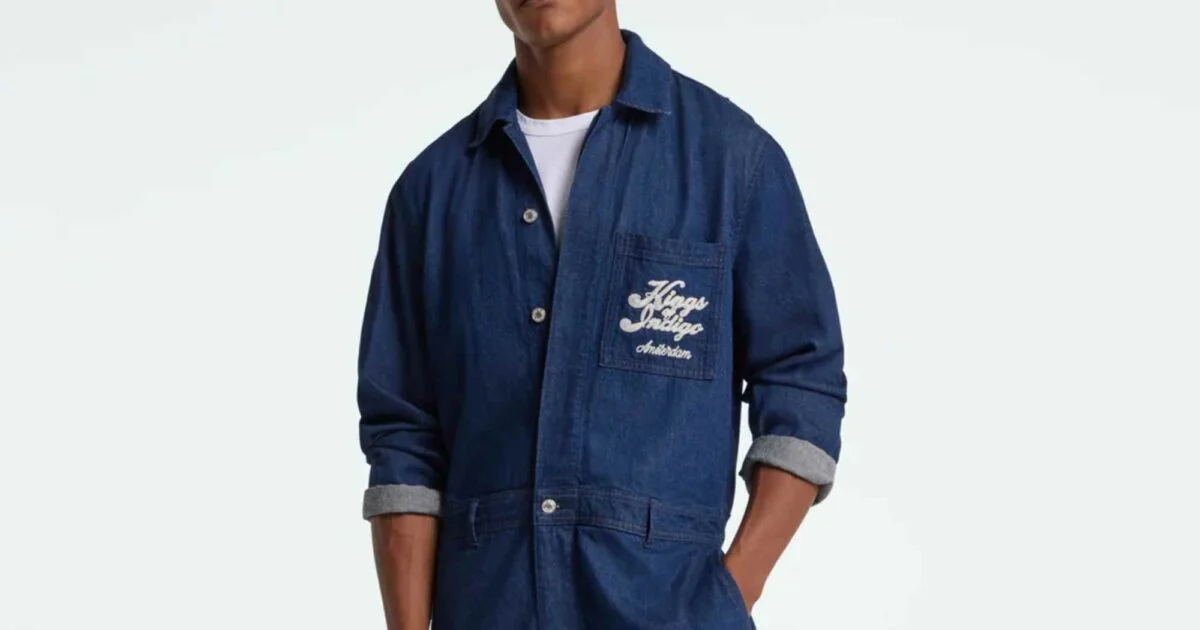
Fashion workwear typically includes items like heavy denim jeans and jackets, sturdy overshirts, overalls, thick-soled boots, and durable outerwear designed for challenging weather conditions. While not classified as PPE, these garments emulate the strength and resilience of industrial wear, often featuring construction details like metal rivets at stress points, flat-felled seams (common in denim), double-layered fabric in high-wear areas, and densely woven textiles built to endure extensive use. The shared characteristic across both types of workwear is their fundamental design for longevity and durability—a core tenet of circularity, where products are made to last, reducing the need for constant replacement and minimizing waste.
The Environmental Imperative: Confronting Synthetic Dominance
One of the most significant hurdles in identifying truly sustainable workwear lies in the prevalence of synthetic fabrics. Polyester and nylon, lauded for their exceptional durability and resistance to degradation, have become staples in the mainstream workwear industry. Their long lifespan, however, comes at a substantial environmental cost. These materials are derived from petroleum, a finite fossil fuel, and their production is notoriously energy-intensive, contributing significantly to greenhouse gas emissions. For instance, the production of virgin polyester can emit around 14.2 kg of CO2 equivalent per kilogram of fiber, far exceeding the impact of many natural alternatives.
Beyond their origin and production footprint, synthetics pose a pervasive pollution problem: microplastics. With every wash and wear, synthetic garments shed microscopic plastic fibers into waterways, eventually entering oceans and food chains. Research from institutions like Plymouth University has shown that a single laundry load of synthetic clothes can release hundreds of thousands of these microfibers. These tiny plastic particles are persistent in the environment, taking hundreds, if not thousands, of years to break down, accumulating in ecosystems globally and posing long-term threats to marine life and potentially human health. The irony is stark: materials chosen for their enduring nature end up enduring in unwanted forms as pollutants.
A Return to Roots: The Promise of Natural and Recycled Fibers
Given the environmental drawbacks of virgin synthetics, the industry is increasingly looking towards alternatives that offer comparable durability with a lower ecological footprint. Natural fibers such as organic cotton, hemp, and linen emerge as viable solutions. When densely woven and properly constructed, these materials demonstrate impressive resilience, capable of withstanding considerable wear and tear. Historically, before the advent of synthetic fibers, workwear industries thrived on materials like cotton-canvas, cotton-duck, and cotton-twill, proving their inherent suitability for demanding applications.
The environmental benefits of these natural fibers are substantial. Organic cotton, for example, is cultivated without synthetic pesticides or fertilizers, significantly reducing water pollution and promoting soil health. It can use up to 91% less water and 62% less energy than conventional cotton. Hemp is another remarkable fiber, requiring minimal water and no pesticides to grow, and it is known for its exceptional strength and rapid growth cycle. Linen, derived from flax, is similarly low-impact and highly durable. Crucially, these untreated natural fibers are biodegradable, meaning they can safely return to the earth at the end of their lifecycle, preventing long-term pollution.
While ideal, the transition away from synthetics is not always straightforward, especially for specialized PPE where specific technical properties like water-repellence, flame resistance, or extreme abrasion resistance are critical. For these applications, finding non-synthetic options can be challenging, and even natural fibers may require chemical treatments to achieve necessary protective qualities. Industry analysts suggest that for industrial-grade protective clothing, exploring avenues like surplus sales or high-quality secondhand items is often the most sustainable choice, leveraging the inherent durability of these garments for extended life cycles.
Moreover, recycled synthetic materials, such as recycled polyester (rPET) made from plastic bottles, represent a crucial transitional step. While still shedding microplastics, rPET diverts plastic waste from landfills and oceans, reducing the demand for virgin petroleum. However, environmental advocates emphasize that true sustainability will require a shift towards bio-based and biodegradable materials that close the loop entirely. The future of sustainable workwear likely involves a hybrid approach, combining the best of natural fibers with innovative recycled and bio-engineered materials, all while prioritizing design for longevity and end-of-life circularity.
Navigating the Market: Challenges for Consumers and Industry
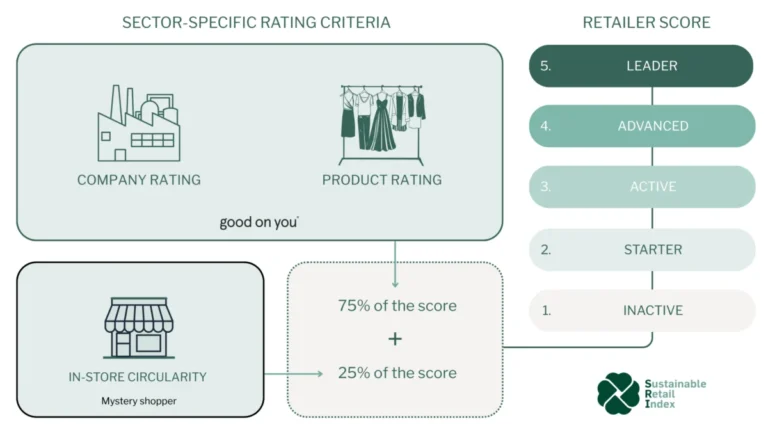
For consumers seeking more responsible fashion-forward workwear, the market, while growing, still presents complexities. Identifying brands that genuinely commit to ethical production and sustainable materials requires diligence. This is where comprehensive rating systems, such as those provided by Good On You, become invaluable, offering transparent assessments of brands’ environmental, labor, and animal welfare impacts.
The industry faces its own set of challenges. Manufacturers must invest in research and development to innovate new material blends and production processes. Supply chains need to become more transparent, allowing for verifiable claims about material sourcing and labor practices. The initial cost of sustainable materials and ethical production can be higher, creating a pricing challenge in a market often driven by cost efficiency. However, the long-term benefits—reduced environmental liability, enhanced brand reputation, and alignment with evolving consumer values—are compelling.
Environmental researchers frequently highlight the importance of "slow fashion" principles in the workwear sector. Given workwear’s inherent design for endurance, it is a category perfectly positioned to champion quality over quantity. Encouraging consumers to invest in fewer, higher-quality, and more sustainably made pieces that will last for years, rather than succumbing to disposable trends, is critical. This approach not only reduces waste but also honors the craftsmanship and resources invested in each garment.
Leading the Charge: Innovators in Sustainable Workwear
Despite these challenges, a growing number of brands are actively working to redefine workwear through a lens of sustainability and ethics. These innovators are demonstrating that it is possible to create hard-wearing, functional, and stylish garments that respect both people and the planet. Here are some examples of brands that have earned commendations for their efforts:
Wuxly Movement is a Canadian outerwear brand distinguished by its commitment to combining performance with ethical practices. Drawing on Canada’s rich manufacturing heritage, Wuxly innovates with tech-based and recycled materials, ensuring elite performance without using animal products. Their range, available in sizes 2XS-3XL, exemplifies a cruelty-free approach to durable outerwear.
ISTO., a Portuguese brand, champions timelessness and quality over fleeting trends. With a mandate to create seasonless wardrobe staples, ISTO. focuses on a single collection, prioritizing durability and responsible materials. They are notably transparent about the true cost of their garments, empowering consumers with information. Their collection is available in sizes XS-XL.
BEDI, another Canadian innovator, crafts handmade bags, knits, and outerwear with a strong circularity ethos. They meticulously select lower-impact materials, including upcycled airline seat leather, recycled fish nets, vegan cactus leather, and sustainably grown cotton. BEDI’s slow fashion approach ensures pieces are grounded in utility and built for a lifetime, and beyond, offered in sizes XS-XL.
WAWWA, a UK brand, puts Earth and its inhabitants first. They create organic, fair trade, and vegan-friendly clothing, aiming for a positive social impact. WAWWA utilizes lower-impact materials, including recycled content and non-toxic dyes, and reuses offcuts to minimize textile waste. Their diverse range is available in sizes XS-2XL.
Brothers We Stand curates responsible men’s clothing with a focus on style and sustainability in the UK. This online store is dedicated to helping men build a wardrobe of stylish, sustainably-made, and 100% vegan menswear, emphasizing ethical choices. Sizes available are S-XL.
Patagonia is a global leader in outdoor and workwear, deeply embodying its commitment to environmental stewardship. The brand maintains strong labor practices and significantly utilizes recycled polyester, reducing reliance on virgin plastics. Patagonia’s dedication extends to actively reducing its energy consumption and emissions across its operations. Their extensive size range is from 2XS-3XL.
Lucy & Yak brings an independent, handmade, and responsible ethos to classic garments. This UK brand is celebrated for its playful, unisex designs that brighten up everyday wear. They are committed to ethical production and inclusive sizing, with pieces available in UK 4-32.
Sük Workwear, a Melbourne-based Australian brand, focuses on curating ethically made workwear that celebrates all workers. While continuously working to increase its use of lower-impact materials, Sük Workwear has already made "Good" strides in its practices concerning people and animals. Their inclusive range is offered in AU sizes 4-30.
These brands represent a growing movement towards more conscious production, proving that functionality, style, and ethical responsibility can coexist in the workwear sector.
The Path Forward: Collective Responsibility and Future Outlook
The journey towards fully sustainable workwear is ongoing, requiring concerted efforts from manufacturers, policymakers, and consumers alike. Industry innovation in material science, particularly the development of scalable, high-performance bio-based and truly circular materials, will be crucial. Policymakers have a role in incentivizing sustainable practices and regulating harmful substances and waste. Consumers, in turn, hold significant power through their purchasing decisions, opting for brands that demonstrate transparency and commitment to ethical and environmental standards.
The long-term implications of shifting to sustainable workwear are profound. Environmentally, it means reducing greenhouse gas emissions, mitigating microplastic pollution, and conserving finite resources. Socially, it implies fairer labor practices, safer working conditions, and a more equitable distribution of value across the supply chain. Ultimately, investing in sustainable, durable workwear is not merely a trend but a fundamental recalibration towards a more responsible and resilient future for the fashion and textile industries.
Editor’s note
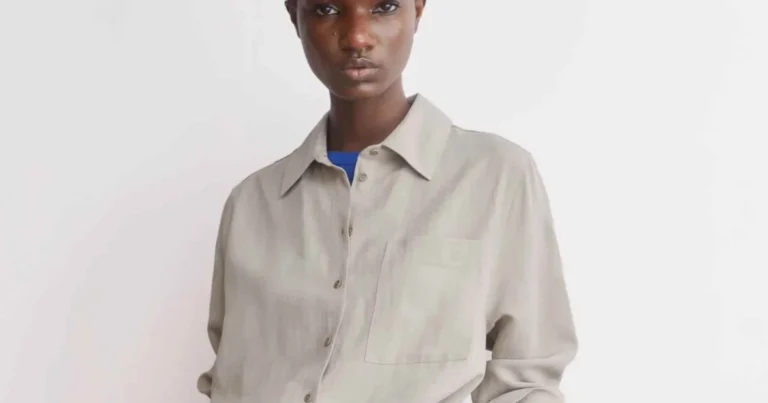
Feature image via Kings of Indigo, all other images via brands mentioned. Good On You publishes the world’s most comprehensive ratings of fashion and beauty brands’ impact on people, the planet, and animals. Use the directory to search thousands of rated brands.
We updated this article on 12 February 2026. Our editors frequently make updates to articles to ensure they’re up to date. We updated the workwear guide and refreshed our selection of brands.