









Pilling is an unfortunate and ubiquitous reality for even the finest knitwear, manifesting as small, unsightly bobbles that are essentially agglomerations of loose fibers. These fibrous "tumbleweeds" occur naturally through friction and wear, diminishing a garment’s aesthetic appeal and often leading to premature disposal. However, a pilled sweater is not a ruined one. Extending the lifespan of clothing, particularly high-quality natural fiber garments, is a cornerstone of sustainable consumption and responsible wardrobe maintenance. To provide consumers with definitive guidance, a comprehensive evaluation of nine common household and specialized tools was undertaken on a 100% wool sweater, rigorously assessing each method based on its efficacy, safety for the fabric, and cost-effectiveness. The findings reveal clear leaders in fabric restoration, offering practical solutions for preserving cherished garments.
Understanding the Phenomenon of Pilling
Pilling, scientifically known as "fibrillation," is the process where individual fibers on the surface of a fabric break, unravel, and then tangle together into small balls or "pills." This is primarily a mechanical phenomenon driven by friction—from wearing the garment, rubbing against other fabrics, seatbelts, bags, or during washing. While often associated with lower-quality fabrics, pilling can occur on virtually any textile, including luxurious wools, cashmere, cotton, and even synthetics like acrylic and polyester, particularly in blends where different fiber lengths and strengths contribute to the formation of pills. Shorter staple fibers, loosely spun yarns, and certain fabric constructions (like jersey knits) are inherently more prone to pilling due to their greater number of free fiber ends. The perceived damage from pilling is a significant factor in garment discard, contributing substantially to textile waste globally. Reports indicate that millions of tons of textiles are sent to landfills annually, with aesthetic imperfections like pilling often cited as a reason for disposal long before the structural integrity of the garment fails. This highlights the critical importance of effective pilling removal and prevention techniques in promoting a more sustainable fashion ecosystem.

The Imperative for Effective Garment Care in a Sustainable Era
In an age increasingly focused on sustainability and mindful consumption, extending the life of clothing is not merely a matter of aesthetics but an environmental imperative. The fashion industry is a major contributor to pollution and resource depletion, with fast fashion cycles encouraging frequent purchases and rapid disposal. By contrast, investing in garment care tools and knowledge empowers consumers to maintain their existing wardrobes, reducing the demand for new production and minimizing waste. The market for garment care products, including de-pilling tools, has seen steady growth, reflecting a broader shift towards valuing longevity over disposability. This evaluation aimed to demystify the numerous "hacks" and specialized tools available, providing clarity on which methods genuinely contribute to textile preservation.
Methodology of the Comprehensive Pilling Removal Evaluation
The assessment involved a controlled experiment conducted on a single 100% wool sweater that exhibited uniform pilling across its surface due to regular wear. The sweater was meticulously divided into nine distinct sections, each designated for a specific pilling removal tool. This standardized approach ensured that each method was tested under identical conditions, allowing for a direct comparison of their performance. The evaluation criteria were multifaceted:

- Efficiency: Measured by the speed and ease with which pills were removed from a given area, and the overall completeness of the restoration.
- Safety: Assessed by the risk of damaging the fabric, such as snagging, thinning, or creating holes.
- Cost-Effectiveness: Considering both the initial purchase price of the tool and its long-term utility.
This methodical approach allowed for a data-driven ranking, moving beyond anecdotal evidence to provide concrete recommendations for consumers.
The Gold Standard: The Electric Fabric Shaver
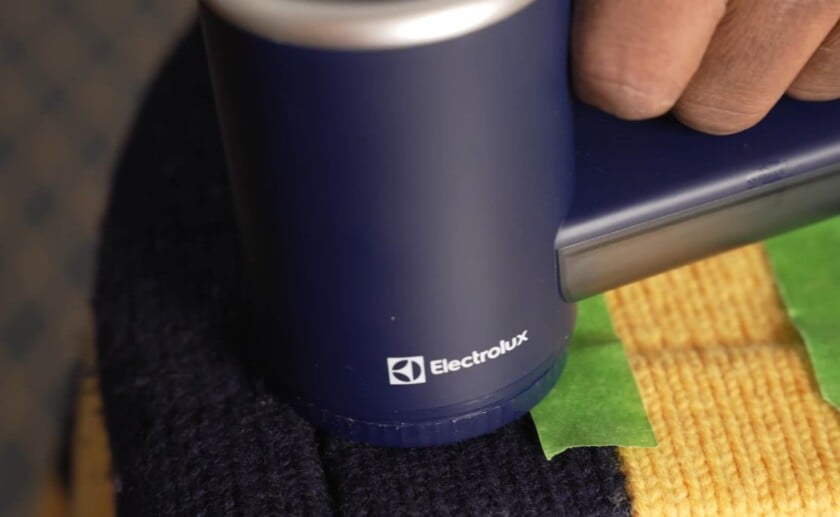
Emerging as the undisputed champion with a perfect 10/10 score, the electric fabric shaver, often referred to as a de-fuzzer or lint shaver, is an essential investment for anyone serious about maintaining a pristine wardrobe. Its mechanism involves a rotating blade concealed beneath a protective perforated mesh. As the device glides over the fabric, the mesh allows only the raised pills to pass through, where they are cleanly shorn off by the blades.
During the evaluation, the electric fabric shaver demonstrated unparalleled efficiency. It swiftly cleared heavily pilled sections of the wool sweater with minimal effort and without causing any discernible damage to the underlying fibers. Its speed makes it ideal for tackling large areas, transforming a tired garment in mere minutes. Modern fabric shavers come in various designs, from compact, battery-operated models suitable for travel to more robust, corded versions for frequent home use. Key features to look for include adjustable shaving heights (to accommodate different fabric types and pile lengths), a large lint trap for extended use, and durable blades. While the initial cost might be slightly higher than some household alternatives, its effectiveness, safety, and durability make it a highly cost-effective long-term solution. Textile care experts often recommend it as the primary tool for routine pilling maintenance, citing its balance of power and gentle action.
The Best Budget Alternative: The Nail File (Emery Board)
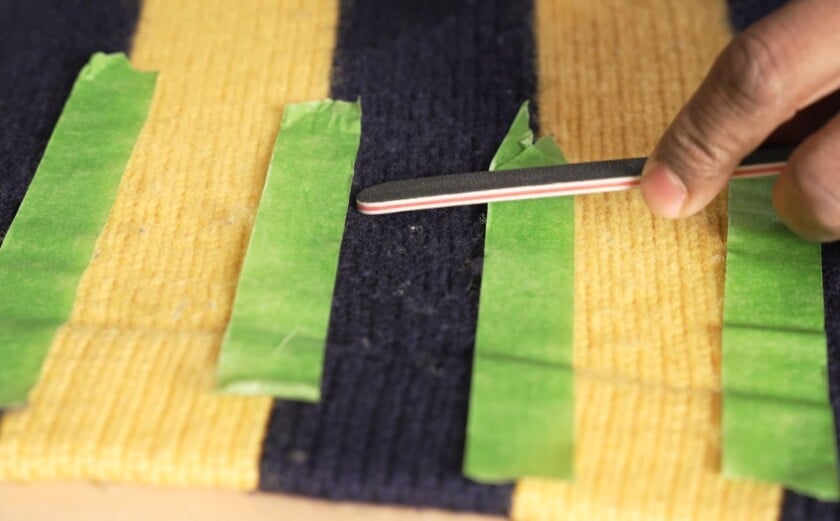
In a surprising turn, a simple emery board or nail file proved to be an exceptionally effective and remarkably safe budget alternative, also scoring a commendable 10/10. This ubiquitous grooming tool outperformed several specialized fabric care items, demonstrating that effective solutions don’t always require significant investment.
The nail file’s efficacy lies in its abrasive surface, which, when applied with light, controlled strokes, gently lifts and dislodges pills from the fabric without cutting or snagging the intact fibers. During the test, the fine grit of the emery board meticulously removed pills, restoring a smooth finish to the wool. Its low cost (often just a few cents) and widespread availability make it an accessible option for anyone facing a pilling emergency without specialized equipment. However, caution is paramount. The technique involves short, gentle strokes in one direction, avoiding excessive pressure that could abrade the fabric itself. While slower than an electric shaver for extensive pilling, its precision and safety for delicate fabrics make it an invaluable tool for spot treatments or smaller areas. Fashion stylists frequently recommend keeping an emery board handy for quick fixes, especially for garments with a finer gauge knit.
The Mediocre Performers: Safe but Lacking in Efficiency
Several tools fell into a middle category, proving safe for fabric but lacking the efficiency required for a heavily pilled garment or extensive areas.
-
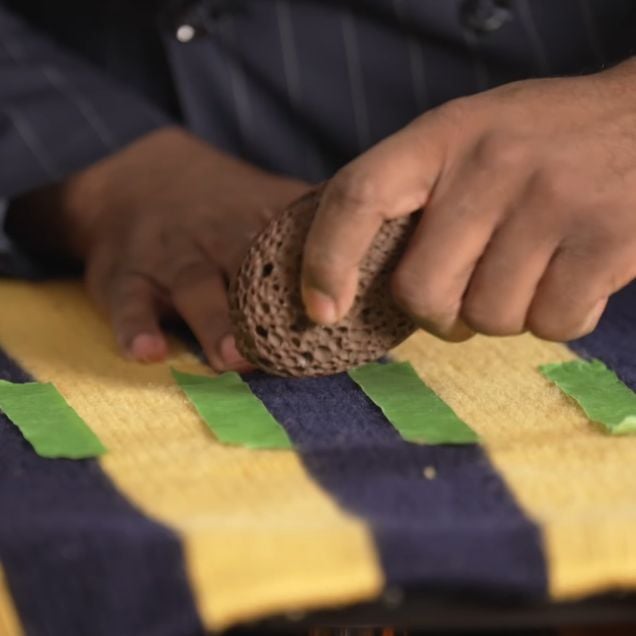
Pumice Stone (6/10): A classic method, the pumice stone (or specialized fabric comb, often made of a similar abrasive material) works reasonably well by gently rubbing over the fabric surface. It effectively lifts pills through abrasion, falling somewhere between a nail file and sandpaper in terms of coarseness. While effective, it can be slower than the top contenders and tends to be messy, leaving behind fine dust and fiber debris. It requires consistent, light pressure to avoid damaging the fabric. Its natural composition is a plus for some consumers, and it’s particularly effective on sturdier knits.
-
Electric Facial Shaver (8/10): While not designed for fabric, an electric facial shaver can function as a makeshift fabric shaver. Its rotating blades and protective foil can effectively remove pills. However, its smaller shaving head means the process is considerably slower and more tedious for larger garments. Furthermore, facial shavers are prone to fiber clogs due to their design, requiring frequent cleaning, which interrupts the depilling process. Its utility is primarily as an emergency substitute rather than a dedicated tool.
-
Clothes Brush (5/10): A high-quality clothes brush is an indispensable tool for routine garment maintenance, particularly for removing surface lint, dust, and loose fibers before they can form pills. However, for established pills, its efficacy is limited. It primarily smooths the surface rather than actively removing embedded fiber balls, making it a preventative and maintenance tool rather than a restorative one.
-
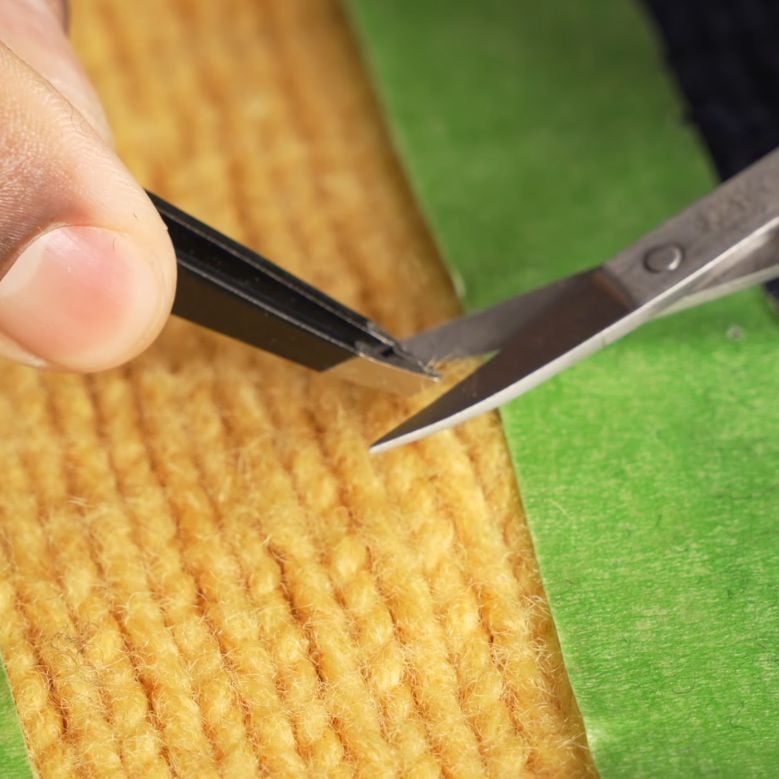
Tweezers and Nail Scissors (3/10): For isolated, larger pills, carefully snipping them with small scissors or plucking them with tweezers can be perfectly safe. This method offers surgical precision for spot-fixes. However, for a garment with widespread pilling, this approach is impractically time-consuming and labor-intensive, rendering it largely useless for comprehensive restoration.
Pilling Removal Methods to Strictly Avoid
Not every household hack is worth your time or the risk to your valuable woolens. Certain methods pose a significant threat of irreversible damage:
-
Manual Razor (8/10 for efficiency, but LOW for safety): A standard disposable razor can be surprisingly effective at shaving off pills due to its sharp blades. However, this method carries an exceptionally high risk of cutting the fabric itself, leading to irreparable damage, snags, or holes. It requires an extremely steady hand, precise angle, and a perfectly flat surface, making it unsuitable for most users and fabrics. The potential for catastrophic damage far outweighs the benefits of its speed, earning it a critical "low safety" rating. This method is often responsible for "horror stories" of ruined sweaters.
-
Lint Roller / Tape (2/10): While excellent for removing surface lint, pet hair, and superficial fuzz, lint rollers and adhesive tape are largely ineffective against actual pills. Pills are fibers that have tangled and become embedded; adhesive surfaces can only pick up very loose, superficial fibers and do little to address the core problem. Relying solely on a lint roller for pilling will yield minimal results.
-
Sandpaper (1/10): This method should be categorically avoided. While the abrasive nature of sandpaper can remove pills, it does so by aggressively abrading the entire fabric surface. This not only removes pills but also thins the fabric, damages the intact fibers, and significantly shortens the garment’s lifespan. It is highly likely to cause irreversible damage, leaving the fabric rough, weak, and prone to new, more severe pilling.
Summary Table: Pilling Removal Methods Ranked
| Method | Score | Efficiency | Safety | Verdict |
|---|---|---|---|---|
| Electric Fabric Shaver | 10/10 | High | High | The professional choice for comprehensive restoration. |
| Nail File | 10/10 | High | High | The ultimate budget-friendly, precise hack. |
| Electric Facial Shaver | 8/10 | Medium-High | Medium | Fast, but watch for fiber clogs and smaller coverage. |
| Manual Razor | 8/10 | High | Low | Highly effective but extremely high-risk; avoid if unsure. |
| Pumice Stone | 6/10 | Medium | Medium | Reliable for sturdy knits but can be messy. |
| Clothes Brush | 5/10 | Low | High | Best for maintenance and prevention, not deep repair. |
| Tweezers & Scissors | 3/10 | Very Low | High | Only for "surgical" spot-fixes of individual pills. |
| Lint Roller / Tape | 2/10 | Very Low | High | Only catches loose surface fuzz; ineffective for pills. |
| Sandpaper | 1/10 | Low | Very Low | AVOID. High risk of irreversible fabric damage. |
The Golden Rule of Knitwear Maintenance: Prevention is Key

While pilling is an inevitable consequence of wearing high-quality natural fibers, it needn’t signal the end of your favorite garment’s lifespan. As this evaluation has shown, the right tool can restore a tired sweater to its former glory in mere minutes. However, the most gentlemanly approach to style is always proactive. Preventing pilling significantly reduces the need for extensive restoration and prolongs the overall life of your knitwear.
To minimize future pilling, textile experts recommend several key practices:
- Choose the Right Fabrics: Opt for tightly woven fabrics and those made from longer staple fibers (e.g., long-staple cotton, merino wool, silk, linen), which are inherently less prone to pilling than loosely woven materials or those made from short fibers and synthetic blends. Look for garments labeled "anti-pill."
- Wash with Care: Always turn garments inside out before washing to reduce surface friction. Use a gentle cycle and cold water with a specialized wool or delicate detergent. Avoid harsh agitation and overloading the washing machine, which can exacerbate friction.
- Air Dry When Possible: Tumble drying, especially on high heat, significantly increases friction and can accelerate pilling. Lay garments flat to dry or hang them on appropriate hangers to maintain shape.
- Rotate Garments: Avoid wearing the same sweater repeatedly, allowing fibers to rest and recover.
- Reduce Friction During Wear: Be mindful of friction points, such as where seatbelts rub, or where bags and backpacks rest on shoulders or hips.
- Proper Storage: Fold knitwear neatly rather than hanging, as hanging can distort shape and stretch fibers, making them more vulnerable. Store in breathable garment bags with cedar blocks to deter pests.
Implications for Sustainable Fashion and Consumer Behavior
The findings of this comprehensive evaluation underscore a broader trend towards valuing longevity and sustainability in fashion. By providing clear, actionable advice on pilling removal, consumers are empowered to make informed choices that extend the life of their garments, thereby reducing textile waste and promoting a more circular economy. The accessibility of highly effective budget options, such as the nail file, democratizes garment care, ensuring that preserving clothing is not limited to those who can invest in specialized tools. This shift in mindset, from disposable fashion to mindful maintenance, is crucial for fostering a more responsible relationship with our wardrobes and the environment.

In conclusion, while the electric fabric shaver stands as the top-tier investment for serious garment care, the humble nail file offers a remarkably effective and accessible alternative. Understanding the science of pilling, adopting preventative measures, and utilizing the correct tools are all vital steps in preserving the integrity and aesthetic appeal of knitwear, ensuring that beloved pieces remain a staple of a dapper and sustainable wardrobe for years to come.