











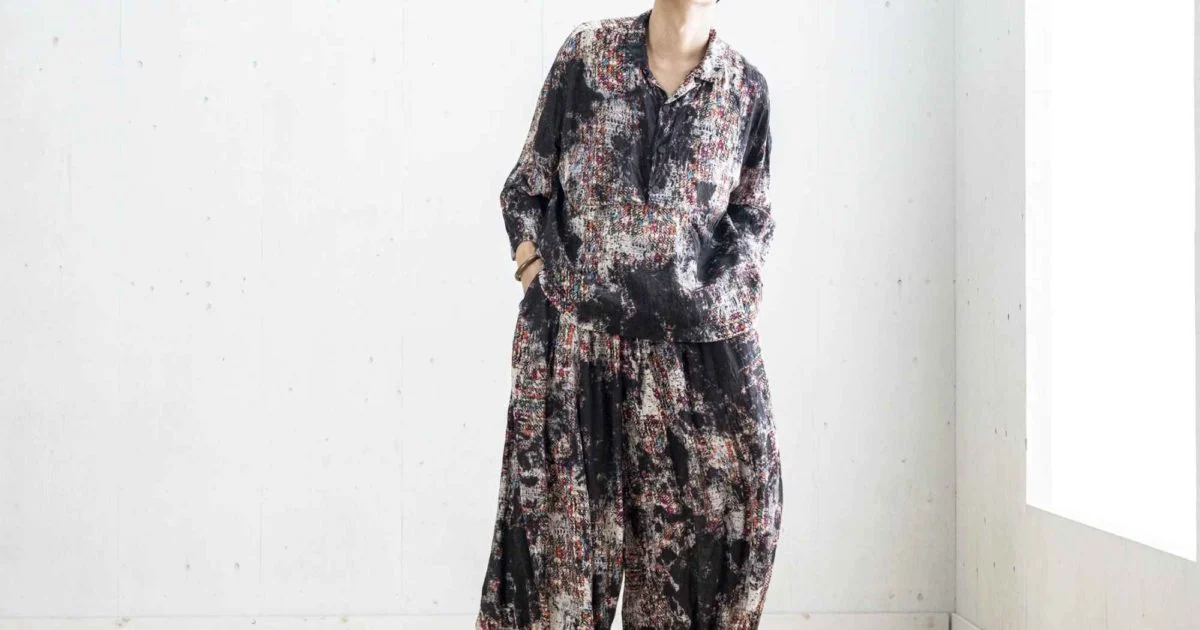
Japanese designers, long celebrated for their profound creativity and influential contributions to global fashion, are now at the forefront of the sustainability movement. This comprehensive overview highlights top-rated brands from the region that are redefining ethical fashion and beauty, showcasing a unique blend of revered traditional crafts and groundbreaking environmental innovation. The commitment of these brands extends beyond aesthetics, embedding responsible practices into every facet of their operations, from material sourcing to production and community engagement.
The Foundation of Ethical Branding: Good On You’s Comprehensive Rating System
To navigate the complex landscape of sustainable consumption, platforms like Good On You provide essential transparency by rating brands based on their environmental and social impact. A "better brand," in essence, is one that actively strives for a positive impact across all dimensions of its work. Good On You’s rigorous methodology evaluates policies and actions against three core pillars: people, planet, and animals, encompassing over 100 key issues.
Under the "People" pillar, the focus is squarely on fair labor practices throughout the entire supply chain. This includes stringent policies against child labor and forced labor, ensuring safe working conditions, upholding workers’ rights to join unions, and crucially, guaranteeing the payment of a living wage. Globally, the fashion industry has faced widespread criticism for exploitative labor practices, with an estimated 80% of garment workers being women, many of whom earn less than a living wage, trapping them in cycles of poverty despite working long hours in unsafe environments. Brands rated highly by Good On You demonstrate robust efforts to address these systemic issues, often through certifications, transparent supply chains, and direct engagement with worker welfare programs.
The "Planet" pillar addresses a brand’s ecological footprint. This involves meticulous resource and energy management, active strategies to reduce carbon emissions, responsible water usage, and the safe handling and disposal of chemicals. The fashion industry is a significant contributor to global environmental degradation, accounting for an estimated 8-10% of global carbon emissions and consuming vast amounts of water, particularly in cultivation (e.g., cotton) and dyeing processes. Brands striving for sustainability implement practices such as using renewable energy, minimizing waste through circular design principles, utilizing low-impact dyes, and investing in water-saving technologies. For example, the production of a single pair of conventional jeans can require thousands of liters of water. Sustainable brands actively work to mitigate such impacts, often by opting for organic materials, closed-loop systems, and innovative recycling technologies.
Finally, the "Animals" pillar scrutinizes the use of animal products, including wool, leather, fur, angora, down feather, shearling, karakul, and exotic animal skins and hair. The ideal standard for this pillar is a 100% vegan brand, reflecting a commitment to animal welfare and ethical sourcing. Brands are assessed on whether they use animal-derived materials and, if so, the welfare standards applied to the animals throughout the supply chain. This pillar reflects a growing consumer demand for cruelty-free products and the recognition of the environmental impact associated with animal agriculture.
Japan’s Dual Approach: Heritage and Innovation in Sustainability
Japan’s rich cultural heritage provides a natural foundation for sustainable practices, deeply rooted in philosophies like mottainai, which expresses regret concerning waste and encourages appreciation for resources. This ethos is evident in traditional Japanese crafts like sashiko (decorative reinforcement stitching), boro (textile patching and mending), and natural hand-dyeing techniques (such as indigo dyeing). These methods are inherently more sustainable than many mass production embellishment and dyeing techniques, promoting longevity, repair, and minimal environmental impact.
Beyond tradition, Japanese brands are also pioneering modern technological solutions to pressing environmental challenges. For instance, PLASTICITY tackles the enormous waste generated by single-use umbrellas, diverting millions from landfills by transforming them into durable, stylish accessories. BRING, another innovative brand, has developed its own advanced polyester recycling technology, creating a closed-loop system for a material often difficult to recycle, thereby reducing reliance on virgin plastics and mitigating textile waste. This dual commitment to preserving ancient wisdom and embracing cutting-edge science positions Japan as a unique and powerful force in the global sustainable fashion movement.
A Curated Selection of Japan’s Ethical Fashion and Beauty Pioneers
The following brands exemplify Japan’s dedication to sustainable and ethical practices, offering consumers conscientious choices across various categories:
1. 9-jour: Revolutionizing Denim with Natural Dyes and Local Production
9-jour stands out in the denim market by specializing in selvedge denim, a premium fabric known for its durability and quality. Their commitment to sustainability is evident in their use of natural, low-impact dyeing solutions for their vibrant jeans. By manufacturing products locally and to order, 9-jour significantly reduces energy consumption and waste associated with conventional fashion supply chains, which often involve long-distance shipping and overproduction. This localized, on-demand model not only minimizes environmental impact but also supports local craftsmanship and economies.
2. Malion Vintage: The Art of Upcycling and Local Craft
Malion Vintage embodies the principles of circularity by meticulously reworking vintage and antique items into exquisite new garments. Their collection breathes new life into diverse materials, including old neckties, tablecloths, tweed jackets, fisherman’s sweaters, and deadstock shirts. This practice of upcycling not only conserves resources but also creates unique, one-of-a-kind pieces. The brand’s commitment to local manufacturing further reduces its carbon footprint, emphasizing craftsmanship and supporting regional artisans.
3. Koraru: Circularity-Inspired Swimwear for a Healthier Ocean
Named after the Japanese pronunciation of "coral," Koraru, based in Tokyo, creates swimwear inspired by circularity principles. The brand utilizes lower-impact materials, such as recycled nylon or polyester derived from ocean waste, and has implemented a recycling program for its products. By partially tracing its supply chain, Koraru aims for greater transparency and accountability, ensuring that their production processes align with their mission to protect marine ecosystems.
4. Itoshiro Yohinten: Reimagining Traditional Japanese Apparel
Drawing profound inspiration from the wisdom of their founders’ grandparents and the native Itoshiro region, Itoshiro Yohinten reimagines traditional Japanese clothing. The brand employs lower-impact materials and natural dyes, reviving ancient techniques. Crucially, they utilize lower-waste cutting techniques, minimizing fabric scrap and maximizing material efficiency, a practice deeply aligned with the mottainai philosophy. Their designs offer a modern interpretation of timeless Japanese aesthetics while adhering to strict environmental standards.
5. amaud: Preserving Kimono Heritage Through Upcycling
amaud is a luxury Japanese brand dedicated to giving vintage kimonos a new lease on life. By meticulously reworking these beautiful fabrics into modern styles, amaud seeks to preserve cultural heritage and extend the lifecycle of exquisite textiles. The brand uses lower-impact materials in its complementary components, and all pieces are made in-house by the brand’s owner, ensuring meticulous craftsmanship and ethical production oversight. This approach transforms discarded treasures into contemporary art, honouring history with a forward-looking perspective.
6. ENSULO: Sustainable Comfort with Traditional Techniques
ENSULO is a Japanese brand focused on creating comfortable clothing for relaxation and post-training recovery. Their unique selling proposition lies in combining traditional Japanese techniques with lower-impact materials. This blend ensures garments are not only gentle on the wearer but also on the planet, reflecting a holistic approach to well-being and sustainability.
7. TERAS: Showcasing Sashiko and Boro with Social Impact
TERAS exemplifies the beauty and resilience of Japanese handcrafts through sashiko and boro. Based in the region where these techniques originate, the brand manufactures locally and makes a significant social impact by employing workers from disadvantaged backgrounds. TERAS commits to using lower-impact materials and innovatively reuses offcuts to minimize waste, making each piece a testament to both artistic tradition and social responsibility.
8. KAPOK KNOT: Plant-Based Outerwear Innovation
Founded by Kisho Fukai, whose family boasts a long history in textile production, KAPOK KNOT specializes in outerwear and homeware. The brand champions kapok down, a sustainable, plant-based alternative to traditional animal-derived down. Kapok is a natural fiber that is lightweight, hypoallergenic, and requires no pesticides or irrigation to grow, making it an excellent eco-friendly choice. KAPOK KNOT manufactures locally in Japan and traces most of its supply chain, ensuring transparency and reducing transportation emissions.
9. KasuRekids: A Circular Solution for Children’s Wear
KasuRekids addresses the rapid consumption cycle of children’s clothing by rooting its designs in Japanese tradition and using locally made materials. They employ lower-waste cutting methods and, remarkably, offer a comprehensive circular model: collecting pre-loved kids’ clothes for resale and providing items for rent instead of purchase. This innovative approach directly confronts the issue of garments going to waste after children outgrow them, fostering a more sustainable consumption pattern.
10. CLOUDY: Global Impact Through Ethical Production
CLOUDY, a Japanese brand offering adults’ and kids’ clothes and accessories, boasts a unique connection with Ghana. They ethically employ women and individuals with disabilities in their sewing workshop in Ghana, providing vital economic opportunities. Beyond production, CLOUDY actively contributes to education programs in the region and integrates lower-impact materials into its products, demonstrating a powerful commitment to both social equity and environmental stewardship.
11. PLASTICITY: Upcycling Umbrellas into Durable Accessories
PLASTICITY is a prime example of innovative waste diversion. This brand repurposes the fabric from discarded umbrellas—millions of which end up in landfills annually in Japan—to create stylish and durable accessories like bags and wallets. By manufacturing in Japan and running its own umbrella recycling program, PLASTICITY transforms urban waste into valuable products, significantly reducing plastic pollution and promoting a circular economy.
12. PRISTINE: The Comfort of Organic Cotton Knitwear
PRISTINE, a Japanese brand, focuses on a wide range of clothing and home goods, with a strong emphasis on organic cotton knitwear. Organic cotton production eliminates harmful pesticides and synthetic fertilizers, significantly reducing environmental impact compared to conventional cotton. PRISTINE’s commitment to natural, non-toxic materials ensures products are gentle on the skin and the planet, offering a pure and sustainable choice for consumers.
13. KUME: Timeless Casual Wear with a Sustainable Twist
KUME, a brand with a legacy dating back to the 1950s, is renowned for its colored crew neck T-shirts. Today, KUME continues to produce casual clothes in Japan, now incorporating lower-impact materials into their designs. Their enduring commitment to local manufacturing and durable, classic styles aligns with the slow fashion movement, encouraging consumers to invest in pieces that last.
14. 10YC: Designing for Longevity and Circularity
10YC was founded on the principle of creating clothes designed to be cherished and worn for at least a decade. This mission inherently promotes sustainability by combating fast fashion’s disposability. The brand manufactures its products locally in Japan, minimizing shipping emissions, and uses lower-impact materials. Furthermore, 10YC offers resale options, extending the life cycle of their garments and fostering a more circular approach to consumption.
15. BRING: Pioneering Polyester Recycling and Sustainable Basics
BRING champions the use of lower-impact and recycled materials for its range of understated basics. What sets BRING apart is its proprietary fabric recycling program and advanced polyester recycling technology. The final stage of their production occurs in Japan, ensuring quality control and reduced transport distances. By actively closing the loop on polyester, a widely used but often problematic synthetic fiber, BRING offers a tangible solution to textile waste and raw material dependency.
Broader Implications and the Future of Sustainable Consumption
The emergence and success of these Japanese brands signify a crucial shift in the global fashion and beauty industries. This movement is driven by increasing consumer awareness and demand for transparency, ethical production, and environmental responsibility. According to recent surveys, a growing percentage of consumers are willing to pay more for sustainable products, indicating a significant market shift.
These pioneering brands are not just selling products; they are selling a philosophy of mindful consumption, demonstrating that style and sustainability are not mutually exclusive. Their innovations, whether rooted in ancient crafts or modern science, provide a blueprint for how the industry can evolve. By prioritizing local manufacturing, circular economy models, fair labor, and low-impact materials, they set a new standard for responsible business.
However, challenges remain. Scaling sustainable practices to meet global demand, navigating complex international supply chains, and combating greenwashing—where brands deceptively market themselves as eco-friendly—are ongoing hurdles. Policy and regulatory frameworks globally are slowly catching up, with initiatives aimed at improving transparency and holding brands accountable for their environmental and social impacts. Japan’s commitment to these principles serves as a powerful example, demonstrating that a blend of cultural reverence for resources and technological ingenuity can pave the way for a truly sustainable future in fashion and beauty.
In conclusion, Japan stands as a beacon of progress in the sustainable fashion and beauty landscape. Its leading brands exemplify how deep-rooted cultural values, when combined with innovative spirit and rigorous ethical standards, can create a powerful force for positive change, inspiring a global shift towards more responsible and conscious consumption.