


The fashion landscape has once again proven its capacity for both audacious partnerships and profound social initiatives, with the past week marking a significant confluence of events that underscore the industry’s dynamic evolution. Leading the charge is Palace Skateboards, which has unveiled an unexpected and highly discussed collaboration with Rizla, the venerable rolling paper brand. This bold move, launching a 14-piece capsule collection, has sparked conversations about fashion’s historical ties to smoking culture, while other luxury powerhouses like Louis Vuitton, Balenciaga, and Gucci have simultaneously pushed boundaries in philanthropy, digital storytelling, and high-octane sports partnerships.
Palace x Rizla: A Provocative Partnership Ignites Debate
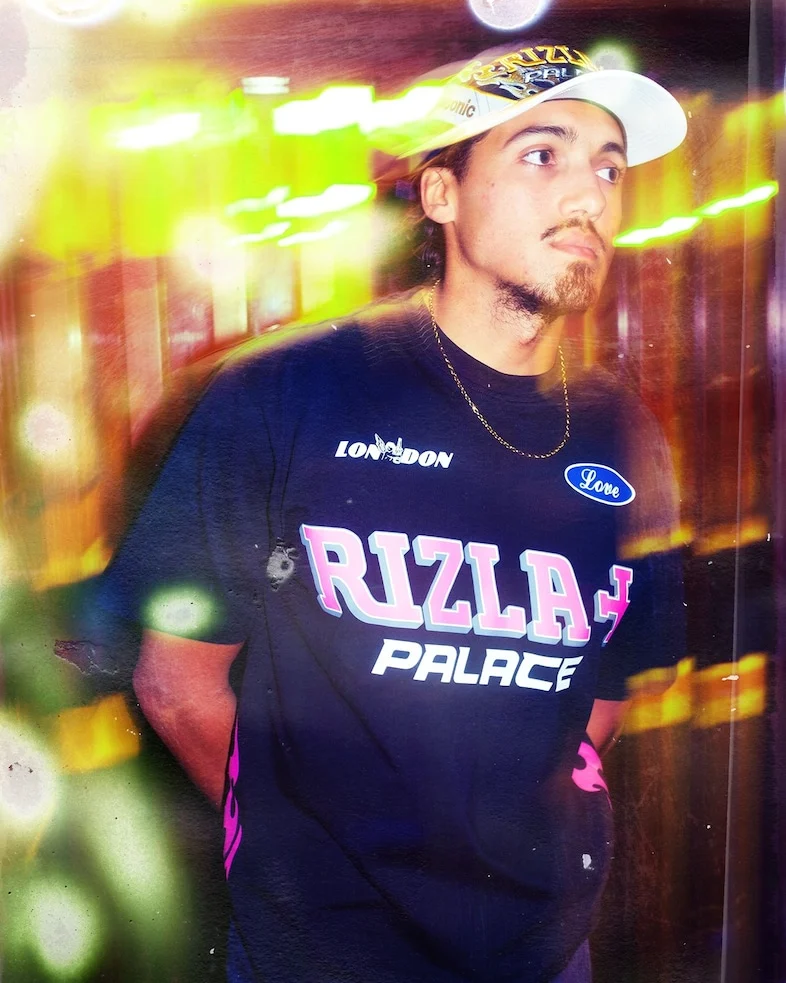
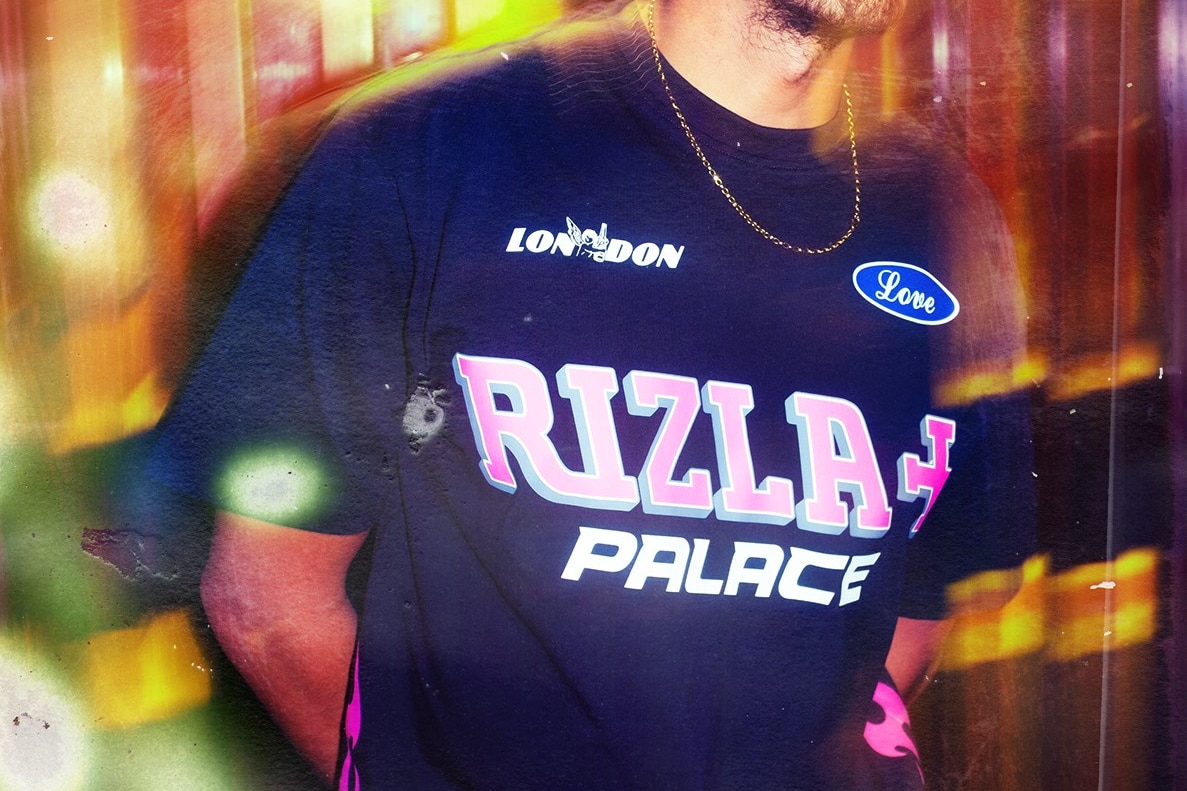
The announcement on May 29 of a collaboration between London-based streetwear giant Palace Skateboards and Rizla, one of the world’s oldest and most recognizable rolling paper brands, sent ripples through the fashion and lifestyle sectors. While models have long been depicted smoking on runways, with icons from Kate Moss to Cara Delevingne, Edie Campbell, and Linda Evangelista famously lighting up, direct collaborations between fashion houses and smoking accessory companies have remained a distinct rarity. This partnership thus marks a notable shift, deliberately blurring lines that were once implicitly understood but rarely explicitly crossed in mainstream brand collaborations.
The collection, which went live online on the same day, encompasses a diverse range of apparel and accessories, all emblazoned with the dual branding of Palace and Rizla. Key items include a classic race jacket, an assortment of hoodies, rugby shirts, mesh jerseys, t-shirts, and caps. Beyond the wearables, the capsule extends into novelty items directly related to smoking culture, such as Palace-branded Rizla papers and a branded ashtray. The accompanying press release playfully acknowledged the health implications of smoking, stating, "Remember, cigarettes are very bad for you – in fact, let’s replace smoking Rizlas with wearing them instead." This lighthearted yet pointed disclaimer highlights the brand’s awareness of the controversial nature of the partnership, attempting to frame it as a symbolic nod to a cultural phenomenon rather than an outright endorsement of a harmful habit.
The Historical Context of Fashion and Smoking Culture
The relationship between fashion and smoking is deeply entrenched in popular culture and industry history. For decades, cigarettes were an integral prop in fashion photography, film, and runway shows, often used to convey an air of rebellion, sophistication, or cool detachment. From the flappers of the 1920s who embraced smoking as a symbol of liberation to the supermodels of the 1990s who exuded an effortless, often cigarette-laced, chic, the image of a cigarette-wielding figure became synonymous with a certain kind of avant-garde or defiant glamour. This aesthetic was powerful, contributing to the mystique of fashion and celebrity.
However, as public health awareness evolved and anti-smoking campaigns gained global traction from the late 20th century onwards, the overt celebration of smoking in media, including fashion, significantly diminished. Regulatory bodies imposed stricter advertising rules, and brands largely moved away from explicit associations with tobacco products, opting for more subtle or entirely detached portrayals. This shift was driven by a growing understanding of smoking’s health risks and increased corporate social responsibility.
Palace Skateboards, known for its irreverent humor, disruptive marketing, and deep roots in youth subcultures, often draws inspiration from movements that have historically embraced elements considered counter-culture, including aspects of smoking. Rizla, established in 1796 in France, carries its own rich history, being a globally recognized household name for rolling papers. For Palace, this collaboration appears less about directly promoting smoking and more about tapping into a specific vein of cultural nostalgia, irony, and anti-establishment sentiment. It leverages Rizla’s iconic status as a recognizable, everyday object that holds significant cultural resonance within certain demographics, particularly those aligned with skate and street culture. The partnership aligns with Palace’s brand ethos of challenging norms and infusing unexpected elements into high-demand streetwear.
Implications and Anticipated Reactions
The Palace x Rizla collaboration is poised to elicit a broad spectrum of reactions. On one hand, it is likely to resonate strongly with a segment of consumers who appreciate Palace’s edgy, provocative approach and its ability to transform mundane or controversial items into desirable fashion statements. It’s a testament to the brand’s knack for generating buzz and tapping into niche cultural touchstones, effectively converting cultural capital into commercial success. For Rizla, the partnership offers an unprecedented foray into high-profile fashion, potentially revitalizing its image and brand recognition among a younger, fashion-conscious demographic, moving it beyond its traditional product category.

On the other hand, public health advocates and anti-smoking organizations are likely to view the collaboration with considerable concern. They may argue that, despite any disclaimers, the partnership inadvertently normalizes or even glamorizes smoking, particularly to younger audiences who are highly susceptible to brand influence and celebrity endorsement. The visual association between a popular streetwear brand and a smoking accessory brand could be perceived as undermining decades of public health efforts. This tension highlights the ongoing challenge for brands navigating the fine line between cultural commentary, artistic expression, and social responsibility. The partnership can be seen as a calculated risk for Palace, one that aligns with its established brand identity as a provocateur, but also one that could attract significant scrutiny and ethical debate.
Broader Fashion Movements: Philanthropy, Digital Storytelling, and Sports Endorsements
Beyond the headlines generated by Palace’s audacious collaboration, the week also saw several established luxury houses making significant strides in areas ranging from social empowerment to cutting-edge digital campaigns and strategic sports endorsements, reflecting the diverse priorities shaping the modern fashion industry.
Maya Jama Fronts Agent Provocateur’s Latest Swimwear Campaign
In a prominent display of contemporary celebrity endorsement, British media personality Maya Jama was revealed as the new face of Agent Provocateur’s latest swimwear campaign. Shot by acclaimed photographer Claire Rothstein, the campaign transports Jama from the familiar setting of the Love Island villa to a luxurious private villa in sunny Ibiza. The captivating images showcase the brand’s new range of swimsuits and bikinis, embodying Agent Provocateur’s signature blend of sensuality, empowerment, and sophisticated allure.
Agent Provocateur, renowned for its luxurious and often provocative lingerie and swimwear, has consistently sought to empower women through its designs and bold campaigns since its inception in 1994. By tapping Maya Jama, a prominent figure known for her confident persona, vibrant personality, and widespread appeal across various media platforms, the brand effectively marries its aspirational image with a relatable, modern icon. This strategic casting aims to broaden the brand’s reach, connecting with a demographic that values authenticity, self-expression, and strong female representation. The choice of Ibiza as a backdrop further enhances the campaign’s allure, associating the swimwear collection with aspirational summer lifestyles, exotic escapes, and a sense of carefree luxury—a common and highly effective tactic in the intensely competitive global swimwear market.

Louis Vuitton and UNICEF Launch POWER4Girls Initiative
In a commendable demonstration of corporate social responsibility and sustained humanitarian commitment, Louis Vuitton marked the 10th anniversary of its enduring partnership with UNICEF by launching several new global initiatives, most notably "POWER4Girls." This impactful mission, backed jointly by the venerable luxury maison and the United Nations Children’s Fund, is dedicated to empowering girls aged 10 to 25 across 120 countries in South America, Africa, and Asia.
The decade-long collaboration between Louis Vuitton and UNICEF, which began in 2016 with the "Louis Vuitton for UNICEF" collection, exemplifies a sustained commitment to social impact, moving beyond ephemeral charitable donations to establish long-term, strategic programs. Since its inception, the partnership has raised over $20 million, supporting UNICEF’s efforts to provide children with access to water, sanitation, nutrition, education, and protection in emergencies. POWER4Girls represents an expansion of this commitment, focusing specifically on critical areas such as education, skills development, digital literacy, and protection from violence, aiming to provide young women with the tools and opportunities necessary to thrive and become agents of change within their communities. This initiative is particularly vital in regions where girls face significant systemic barriers to accessing education and achieving their full potential. For Louis Vuitton, this partnership not only reinforces its brand values of global citizenship and excellence but also demonstrates how luxury brands can leverage their vast global platform and resources to contribute meaningfully to humanitarian causes, aligning with increasing consumer demand for ethical and socially conscious businesses. The collaboration highlights a growing trend of luxury brands integrating philanthropy deeply into their corporate identity, seeking to make a tangible difference in global communities and foster sustainable development.
Balenciaga’s "A New York Minute: Keep Rolling" Film Series
Luxury fashion house Balenciaga, under the visionary creative direction of Demna (formerly known as Demna Gvasalia), unveiled "A New York Minute: Keep Rolling," a compelling series of three short films. The campaign stars acclaimed actress Sarah Pidgeon and is directed by award-winning filmmaker Celine Song, marking their first collaboration. This cinematic approach is strategically designed to celebrate three of Balenciaga’s iconic signature bags, weaving them into dynamic narratives that capture the restless energy and distinctive essence of New York City.
Demna’s tenure at Balenciaga, beginning in 2015, has been characterized by a groundbreaking blend of high-fashion artistry, deconstructed aesthetics, and a keen, often provocative, understanding of contemporary culture. The brand has consistently pushed boundaries with unconventional campaigns and designs that challenge traditional luxury norms. This film series is a testament to the brand’s ongoing exploration of digital storytelling as a powerful and immersive medium for luxury marketing. By eschewing traditional static advertisements in favor of dynamic, narrative-driven content, Balenciaga aims to create a deeper, more engaging experience for its audience, inviting them into a curated world rather than merely presenting products. The collaboration with talents like Sarah Pidgeon, known for her powerful performances, and Celine Song, celebrated for her distinctive directorial voice (e.g., Past Lives), further elevates the campaign, lending it an artistic credibility that resonates with a sophisticated and culturally aware consumer base. The focus on signature bags underscores Balenciaga’s strategy to highlight its heritage and craftsmanship while presenting it through a modern, engaging lens, reflecting the brand’s profound influence on global fashion trends and its innovative communication strategies in the digital age.

Fendi’s "Beyond the Mirror" Campaign Film Honors Heritage
In a poignant tribute to the pioneering spirit of fashion film, Fendi, under the artistic direction of Kim Jones for womenswear couture and ready-to-wear, and Silvia Venturini Fendi for accessories and menswear, launched "Beyond the Mirror." This campaign film serves as a direct homage to what is widely considered the very first fashion film ever made: Jacques de Bascher’s Histoire d’Eau. Filmed in 1977 and originally commissioned by the legendary Karl Lagerfeld, the film introduced Fendi’s inaugural ready-to-wear collection, marking a significant moment in the brand’s history and fashion communication.
The decision to revisit Histoire d’Eau is a powerful nod to Fendi’s rich heritage and its profound connection to Karl Lagerfeld’s transformative legacy. Lagerfeld, who served as creative director for Fendi for an astonishing 54 years (1965-2019), was instrumental in shaping the brand’s modern identity and was a true pioneer in using film and innovative visual media as a sophisticated tool for fashion communication. "Beyond the Mirror" not only celebrates this historical milestone but also reinterprets it through a contemporary lens, demonstrating Fendi’s commitment to innovation while honoring its deep roots. Such campaigns highlight the enduring importance of brand storytelling in luxury fashion, allowing houses to connect with both new and existing audiences by showcasing their history, craftsmanship, and artistic vision. This initiative, therefore, reinforces Fendi’s position at the apex of luxury fashion, skillfully blending tradition with modern artistic expression and paying homage to its foundational figures.
Gucci Enters the Fast Lane with Team Alpine Formula One Partnership
The exhilarating, high-octane world of Formula One racing continues to attract the attention of luxury fashion houses, with Gucci becoming the latest major player to enter the fast-paced arena. Following in the illustrious footsteps of other prominent brands like Louis Vuitton, who partnered with the Monaco Grand Prix; Y-3, collaborating with Red Bull Racing; Gentle Monster, aligning with Scuderia AlphaTauri; and Tommy Hilfiger, a long-standing partner of Mercedes-AMG Petronas F1 Team, Gucci has announced a strategic partnership with the Alpine F1 Team. This collaboration sees Gucci dressing the team both on and off the track, extending its distinctive aesthetic and luxury craftsmanship to the competitive motorsport environment.
The convergence of luxury fashion and Formula One represents a significant and growing marketing trend. F1’s burgeoning global appeal, particularly its surging popularity in key luxury markets like the US (fueled by the Drive to Survive documentary series) and Asia, offers an unparalleled platform for brand visibility and engagement with an affluent, aspirational demographic. For Gucci, this partnership allows it to project an image of speed, precision, technological advancement, and high performance, aligning seamlessly with its own brand values of excellence, innovation, and aspirational lifestyle. Dressing the Alpine team not only provides prominent branding opportunities during races but also allows for the creation of exclusive capsule collections and lifestyle content that bridges the gap between motorsport fandom and high fashion. This move underscores the strategic importance of experiential marketing and tapping into diverse cultural phenomena for luxury brands seeking to maintain relevance, attract new consumers, and expand their global footprint in an increasingly competitive market.

Alohas Unveils the Innovative Hilma Bag
Barcelona-based footwear brand Alohas, recognized for its commitment to sustainability and innovative designs, ventured into the handbag market this week with the launch of its first-ever handbag collection, the Hilma. Available across a range of sizes and styles, the Hilma bag introduces a distinctive and novel feature: a clear front pouch. This unique design element allows wearers to proudly display and curate personal items, effectively transforming the bag into a dynamic canvas for individual expression and a reflection of current styling trends.
The Hilma bag’s transparent pouch is a clever response to contemporary consumer desires for personalization, transparency, and self-expression. It encourages wearers to interact with their accessories in a novel way, decorating the visible compartment with charms, trinkets, small collectibles, or carefully selected essentials that reflect their personality and mood. This interactive design not only adds a playful and customizable dimension but also aligns with broader trends favoring unique, adaptable accessories. For Alohas, expanding into handbags with such a distinctive product represents a strategic diversification, leveraging its established design philosophy from footwear into a new, highly competitive product category. The Hilma bag positions Alohas as an innovative accessories brand, catering to a demographic that values both sophisticated style and the opportunity to showcase their individuality, while also potentially reinforcing the brand’s commitment to modern, conscious design.
Blondey McCoy’s THAMES MMXX. Establishes Permanent Soho Home
British skateboarder, artist, and designer Blondey McCoy has reached a significant milestone with his eponymous brand, THAMES MMXX., by opening its first-ever permanent retail store at 53 Brewer Street in London’s vibrant Soho district. After years of successful pop-up ventures and online presence that cultivated a loyal following, this brick-and-mortar establishment signifies a new, consolidated chapter for the brand, offering a tangible space for customers to immerse themselves in the distinct THAMES MMXX. universe.
The new Soho store will house the brand’s eclectic mix of offerings, which includes meticulously tailored pieces, premium knitwear, sophisticated fine jewelry, diverse accessories, and the foundational "Bread and Butter" basics that form the core of its casual wear. McCoy’s vision for the physical space extends far beyond mere retail transactions; he explicitly aims to provide customers with "a world to live in and delight in." This statement underscores a broader, evolving trend in retail where physical stores are transforming from purely transactional points into immersive brand experiences, community hubs, and artistic showcases. For a brand like THAMES MMXX., deeply rooted in skate culture, contemporary art, and London’s urban landscape, a permanent presence in a culturally significant area like Soho allows for stronger community engagement, direct interaction with the brand’s unique aesthetic, and a consolidated platform for its diverse product range. It reflects the maturation of McCoy’s creative enterprise and his ambition to build a lasting legacy within the intertwined spheres of fashion, art, and lifestyle.

The past week in fashion has presented a multifaceted narrative, from provocative streetwear collaborations challenging traditional norms to luxury brands reinforcing their commitment to social causes and innovative storytelling. These developments collectively highlight an industry that is continually reinventing itself, adapting to new cultural currents, technological advancements, and evolving consumer expectations, all while balancing commercial imperatives with creative expression and social responsibility. The interplay between heritage and disruption, philanthropy and commercialism, continues to define the dynamic landscape of global fashion.