








Leading global sportswear brands Nike and Adidas, while dominating markets and influencing trends, continue to face significant criticism regarding their ethical and sustainable practices. Despite their immense influence and financial resources, neither company currently stands as a beacon of sustainability, prompting a closer examination of their commitments to people, the planet, and animal welfare. This in-depth analysis delves into their respective track records, comparing their efforts and highlighting areas where improvement is critically needed.
The Enduring Battle of the Sportswear Titans
Nike and Adidas, household names synonymous with athletic achievement and contemporary fashion, collectively command a substantial portion of the world’s sportswear market. From elite athlete sponsorships to ubiquitous sneaker culture, their reach is unparalleled. However, this global presence comes with a profound responsibility to uphold ethical standards across vast and complex supply chains. Consumers, increasingly aware of the environmental and social impact of their purchases, are demanding greater transparency and accountability from these industry giants. The core question remains: how do Nike and Adidas measure up in the crucial arena of sustainability, and is one truly better than the other?
The verdict, following a rigorous assessment by independent ratings systems such as Good On You, indicates a nuanced but largely underwhelming picture. While Adidas marginally surpasses Nike in overall ethical standing, both brands receive an "It’s a Start" rating. This designation, while acknowledging initial steps towards sustainability, underscores that neither company has yet achieved the comprehensive, systemic changes expected of entities with their capacity for global leadership. Their current efforts fall short of truly minimizing the massive environmental footprint and social implications of their sprawling operations.
Nike’s Uphill Battle: From Past Controversies to Present Challenges
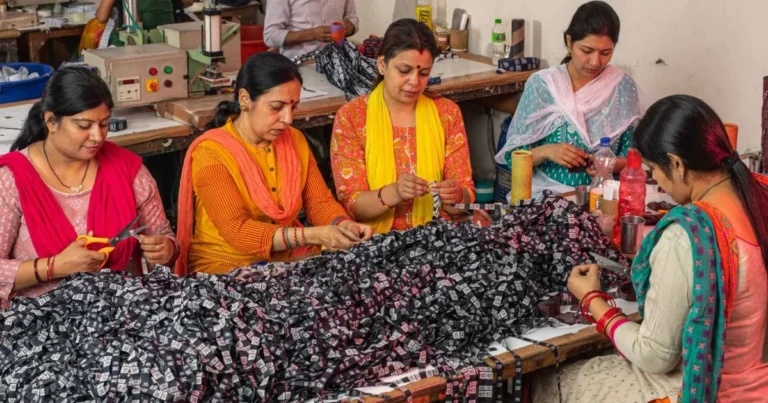
Nike’s journey toward improved ethical practices has been a long and often reluctant one, marked by a history of intense scrutiny. In the 1990s, the brand became a flashpoint for global criticism due to widespread allegations of sweatshop labor, exploitative wages, and poor working conditions in its overseas factories. This period saw numerous campaigns by activists and human rights organizations, permanently etching concerns about Nike’s human rights record into the public consciousness. While the brand has undertaken efforts to reform over the subsequent decades, the pace of change has often been perceived as reactive, driven more by external pressure than proactive commitment.
A recent example illustrating this dynamic emerged in January 2026, when Nike finally acquiesced to demands for compensation for approximately 3,300 workers at its Thai supplier factory, Hong Seng Knitting. These workers had allegedly been pressured into taking unpaid leave during the initial stages of the Covid-19 pandemic, a crisis that severely impacted garment workers globally. The agreement, though positive, followed a protracted five-year campaign spearheaded by a coalition of influential organizations including the Clean Clothes Campaign, Fair Labor Association, Worker Rights Consortium, and Partners for Dignity and Rights. This lengthy struggle highlights Nike’s discernible hesitation to proactively address worker grievances within its extensive supply chain without sustained advocacy.
Further compounding concerns about worker safety and rights, Nike has notably abstained from signing the International Accord for Health and Safety in the Textile and Garment Industry. This legally binding agreement, established in the aftermath of the devastating 2013 Rana Plaza factory collapse in Bangladesh, is considered a critical framework for ensuring safe working conditions in textile factories. Its predecessor, the Bangladesh Accord, transformed factory safety standards, and Nike’s reluctance to join the broader international agreement raises questions about its commitment to legally enforceable safety provisions. While Nike does conduct audits across some segments of its supply chain, particularly the final production stage, the absence from this pivotal accord is a significant oversight for a company of its stature.
The issue of a living wage also remains a contentious point. Nike claims to ensure a living wage in some parts of its final production stage, but this falls significantly short of ensuring proper compensation across the entire supply chain, from raw material sourcing to manufacturing. The concept of a living wage, distinct from a minimum wage, aims to provide workers with sufficient income to cover basic needs for themselves and their families, including food, housing, healthcare, and education. Reports have recently challenged the veracity of Nike’s claims that some factory workers in Indonesia earn nearly double their region’s minimum wage, with union representatives and workers refuting these assertions. Such discrepancies undermine trust and highlight the persistent challenge of fair compensation.
Beyond labor practices, Nike has also faced criticism regarding its commitment to diversity and inclusion. The Business of Fashion reported a recent backtracking on diversity initiatives, noting the absence of a 2025 impact report and a decision to scale back its Black History Month and Pride collections. This perceived shift raises concerns about the brand’s dedication to the principles it has often championed in its marketing campaigns.
In terms of transparency, Nike’s performance on the Fashion Transparency Index has been inconsistent, fluctuating between the 41-50% and 51-60% brackets from 2021 to 2023. For a global leader in sportswear and innovation, a score in this range is widely considered inadequate. True industry leadership demands comprehensive disclosure of supply chain practices, environmental impacts, and social metrics. Consequently, Nike’s efforts concerning its people earn a "Not Good Enough" rating.
On the environmental front, Nike fares slightly better, achieving an "It’s a Start" rating. This is largely attributed to its increasing use of lower-impact materials, such as recycled polyester and organic cotton, and the establishment of science-based targets aimed at reducing greenhouse gas emissions across its operations and supply chain. The brand has also introduced a recycling program for footwear in some markets and designs certain products for disassembly, promoting circularity. However, significant work remains to be done to transition fully to a regenerative model.
Animal welfare presents another significant challenge, with Nike earning a "Not Good Enough" rating. The brand’s continued use of cruel animal-derived materials like down and exotic animal skins, coupled with a lack of robust traceability for these materials, raises serious ethical questions. A notable positive, however, is Nike’s stated commitment to sourcing wool from non-mulesed sheep, a practice that addresses a specific concern regarding animal cruelty in wool production.
Despite its vast influence and financial power, Nike’s overall rating of "It’s a Start" reflects a brand that possesses the capacity for far greater ethical and sustainable leadership than it currently demonstrates.
Adidas: A Step Ahead, But Still Miles to Go
Adidas, Nike’s perennial rival, shares many of the same criticisms regarding worker exploitation and environmental impact, yet it demonstrates slightly more proactive engagement in certain areas. Like Nike, Adidas has been strongly criticized for failing to ensure a living wage for workers throughout its extensive supply chains, even as its profits and sponsorship deals with high-profile athletes and teams continue to soar.
Adidas, similar to Nike, collaborates with the Fair Labor Association and claims to ensure a living wage in some segments of its final production stage. However, this partial commitment falls short of the comprehensive approach needed to ensure that every worker contributing to Adidas products receives a livable income. The disparity between corporate profits and worker wages was starkly highlighted in the 2018 "Foul Play" report by the Clean Clothes Campaign and Collectif Ethique sur l’Etiquette. The report meticulously detailed the ever-increasing financial outlays for athlete sponsorships and marketing, contrasting them with the shrinking share of the final product price tag allocated to the garment workers who produce the goods. This analysis underscores a fundamental imbalance within the sportswear industry’s economic model.
In terms of transparency, Adidas maintained a consistent score of 51-60% on the Fashion Transparency Index from 2021 to 2023. This score reflects several commendable aspects, including the brand’s disclosure of its direct suppliers and subcontractors, its support for freedom of association for workers, and its foundational role as a signatory of the Bangladesh Fire & Safety Accord. The Bangladesh Accord, a legally binding agreement, was a pioneering initiative for improving factory safety in the garment industry, and Adidas’s early commitment distinguished it from many peers. Despite these positive steps in transparency and worker rights, particularly compared to Nike’s non-participation in the International Accord, Adidas still garners a "Not Good Enough" rating for its impact on people, indicating that more comprehensive measures are required across its entire labor ecosystem.
Environmentally, Adidas also receives an "It’s a Start" rating, acknowledging efforts while pointing to significant areas for improvement, notably in biodiversity protection. The brand has set ambitious science-based targets to reduce greenhouse gas emissions across both its direct operations and its supply chain, reporting that it is on track to meet these goals. Furthermore, Adidas transparently publishes a breakdown of the lower-impact materials it incorporates into its products, indicating a medium proportion of such materials.
However, Adidas’s environmental narrative has been complicated by instances of greenwashing. In late 2021, the brand faced scrutiny for misleading consumers with vague and exaggerated claims about recycled content in a new line of Stan Smith sneakers, leading to a public ethics jury finding. This incident served as a potent example of greenwashing, where marketing tactics misrepresent a product’s environmental benefits. Another similar instance occurred last year, in April, when a German court banned Adidas’s "climate neutrality" advertising campaign, deeming its claims too ambiguous and potentially misleading to consumers. Such incidents underscore the critical need for brands to make clear, verifiable, and precise environmental claims to maintain consumer trust and avoid accusations of deception.
Regarding animal welfare, Adidas also earns an "It’s a Start" rating. Like Nike, it commits to sourcing wool from non-mulesed sheep, a positive step. However, the brand has yet to align its formal animal welfare policy with the comprehensive "Five Domains" framework, a globally recognized standard for assessing animal welfare. Additionally, Adidas needs to intensify its efforts to find and implement more ethical and sustainable alternatives to commonly used animal-derived materials such as leather, wool, cashmere, and down, which often carry significant ethical and environmental footprints.
Ultimately, Adidas’s overall rating of "It’s a Start" reflects a brand that has taken some commendable initial steps, particularly in transparency and its early commitment to factory safety accords. However, it still falls short of the holistic and deeply integrated sustainable practices necessary for a global leader, especially concerning comprehensive living wages and robust animal welfare policies.
A Comparative Verdict and Broader Implications
In the direct comparison, Adidas emerges marginally ahead of Nike, primarily due to its slightly better animal welfare score and its historical commitment to the Bangladesh Fire & Safety Accord, which preceded the International Accord. However, the overarching conclusion remains unchanged: both sportswear behemoths, despite their immense resources and market power, are merely "It’s a Start" when it comes to sustainability. This rating signifies that while they are taking initial steps, their efforts are far from sufficient to mitigate the profound impact their colossal businesses exert on the environment, and on the people and animals caught within their expansive supply chains.
The implications of this assessment are significant. As global leaders, Nike and Adidas possess an unparalleled opportunity – and arguably, an ethical imperative – to drive systemic change within the fashion and sportswear industries. Their slow progress, often reactive rather than proactive, highlights the enduring challenge of transforming deeply entrenched business models. The consistent pressure from activists, non-governmental organizations, and increasingly discerning consumers has proven to be a crucial catalyst for the limited progress observed. This ongoing scrutiny underscores that true sustainability leadership demands transparency, legally binding commitments to worker safety, comprehensive living wages, and a radical shift away from environmentally damaging and ethically questionable materials.
Empowering the Conscious Consumer: Actions and Alternatives
For consumers who already own items from Nike or Adidas, the most sustainable choice is to extend their lifespan. The adage "the most sustainable item is the one you already own" holds true. Wearing, repairing, and caring for existing sportswear until it is truly worn out minimizes its environmental footprint. When items reach the end of their useful life, responsible disposal is key. Nike offers a recycling program for old sneakers at participating stores in the US, providing a circular option for its products. Unfortunately, Adidas does not currently offer a similar customer-facing recycling program for its worn-out items, presenting another area for improvement.
For those in search of new activewear or sneakers that align more closely with ethical and sustainable values, a wealth of alternatives exists. Secondhand shops and online marketplaces offer an excellent avenue for acquiring quality sportswear, giving items a new lease on life and reducing demand for new production. Furthermore, a growing number of brands are building their business models around robust ethical and sustainable principles:
- Tripulse: A Swedish activewear brand dedicated to high-performing sportswear that protects the planet and its people. They focus on empowering individuals through fitness while ensuring responsible production.
- MATE the Label: This US-based brand creates "clean essentials" using GOTS certified organic fabrics and lower-impact dyes. It is female-founded, predominantly female-operated, and manufactures locally to reduce its carbon footprint.
- Outerknown: Founded by surf champion Kelly Slater, Outerknown blends style and function with a strong commitment to protecting natural resources. The brand is Bluesign certified and partners with the Fair Labour Association.
- Colorful Standard: A Danish brand focusing on organic fashion essentials, eschewing seasons and trends to create timeless, long-lasting products that combat over-consumption.
- ID.EIGHT: An Italian brand crafting ethical and sustainable sneakers from food industry waste (like apple peels, grape stalks, pineapple leaves) and recycled materials, all produced in Italy.
It is important to acknowledge that more sustainable options may not always be accessible to every consumer due to price points, sizing, or specific product needs. In such instances, the "progress over perfection" mindset is crucial. Opting for a brand like Nike, which is at least making "a start" with science-based targets and lower-impact ranges, is still a better choice than supporting fast fashion brands that demonstrate little to no effort towards people, planet, or animals.
Ultimately, consumer advocacy plays a vital role in driving change. By engaging with brands through platforms like the Good On You app’s "Your Voice" function or via social media, consumers can collectively demand greater accountability and push these giants towards genuine and comprehensive sustainability. The journey for Nike and Adidas is far from over, and their evolution will undoubtedly continue to be shaped by the collective actions and expectations of a global community increasingly committed to a more responsible future.
Editor’s note
Good On You publishes the world’s most comprehensive ratings of fashion and beauty brands’ impact on people, the planet, and animals. Use our directory to search thousands of rated brands.
We updated this article on 17 February 2026. Our editors frequently make updates to articles to ensure they’re up to date. We refreshed the reporting and sources to reflect the brands’ most recent ratings and actions.