











June 2026 emerged as a pivotal month for the global fashion industry, marked by a series of events that underscored growing public, regulatory, and activist pressure for greater accountability across environmental, social, and governance (ESG) fronts. From opulent fashion shows facing backlash amidst climate crises to landmark victories for garment workers and intensified crackdowns on misleading sustainability claims, the industry found itself navigating a complex landscape of evolving consumer expectations and legislative demands. These developments highlighted both the persistent challenges and the nascent progress within a sector striving to redefine its impact on people and the planet.
The Environmental Cost of Luxury: Louis Vuitton’s Parisian Spectacle
One of the month’s most prominent controversies unfolded in Paris, where Louis Vuitton’s latest fashion show drew significant criticism. Held on June 26th amidst a record-breaking heatwave that saw temperatures in the French capital soar well above seasonal averages, the event featured a colossal artificial waterfall, positioned outside one of the city’s most prominent student accommodation complexes. The brand asserted that the water utilized was sourced from Paris’s municipal supply and would be recirculated through a closed-loop system, aiming to mitigate environmental impact. However, this explanation did little to quell the immediate backlash from industry observers, climate activists, and local residents. Students residing nearby articulated a widely shared sentiment, noting that the extravagant display starkly highlighted the chasm between extreme wealth and their own living conditions, particularly in a city grappling with the palpable effects of climate change.
This incident reignited broader debates about the environmental footprint of luxury fashion events, which often involve extensive travel, temporary structures, and significant energy consumption. Critics argued that even with a closed-loop system, the optics of such a lavish, water-intensive installation during a severe heatwave demonstrated a profound disconnect from global environmental realities and the pressing need for resource conservation. The timing of the show, coinciding with heightened public awareness of climate change’s immediate impacts and calls for collective restraint, amplified demands for luxury brands to reassess their presentation strategies and adopt more genuinely sustainable and contextually appropriate practices. The episode serves as a potent reminder that corporate environmental claims are increasingly being judged not just on technical merit, but also on their ethical implications and public perception in a climate-conscious world.
Cracking Down on Greenwashing: Regulatory Action and Labeling Scrutiny
The push for greater transparency in sustainability claims gained significant traction in June, with regulatory bodies stepping up enforcement against misleading advertising. In the United Kingdom, the Advertising Standards Authority (ASA) issued bans on June 24th against advertisements by major brands including Adidas, Uniqlo, and Calvin Klein. The ASA’s rulings targeted claims related to "recycled" clothing and shoes, citing a lack of specificity regarding the actual percentage of recycled material in the products. Without such crucial details, the authority deemed these claims potentially misleading to consumers, signaling a clear intent to combat "greenwashing"—the practice of making unsubstantiated or deceptive environmental claims to promote products or a company’s image. This move is part of a broader, ongoing investigation by the ASA into environmental claims across the fashion sector, indicating a sustained effort to ensure accuracy and prevent consumer deception, echoing similar regulatory moves seen globally in response to rising consumer awareness of environmental issues.
Complementing these national efforts, a significant investigation by the European Commission, published on June 18th, uncovered systemic issues with inaccurate clothing labels across the European Union. Testing 132 items, the investigation revealed a staggering 39% failure rate in fibre composition labels. Discrepancies included incorrect fibre percentages, the use of cheaper or different fibres than declared, and mislabeled or incorrectly named fibres. For example, some items claimed to be 100% cotton but contained significant polyester, or vice-versa. This systemic inaccuracy undermines consumer trust and makes it challenging for individuals to make informed purchasing decisions based on environmental or ethical considerations. The report advised consumers to be wary of "very low prices, or deals that seem too good to be true," and to prioritize products where the manufacturer’s name, address, or website is clearly provided, ensuring accountability and traceability. These regulatory actions collectively underscore a growing global trend towards stricter oversight of environmental marketing and a demand for verifiable, specific information from brands, potentially forcing brands to overhaul their labeling practices and marketing strategies to align with stringent new standards.
The Fast Fashion Conundrum: Regulation and Backlash
The debate surrounding fast fashion, particularly its ultra-fast segment, also intensified throughout June. A notable development occurred on June 16th when the controversial partnership between the global ultra-fast fashion giant SHEIN and Paris department store BHV came to an abrupt end. Reuters reported that a representative from BHV publicly described the collaboration as a "mistake," acknowledging the significant backlash it had generated. The link-up had previously sparked protests in Paris, drawing widespread criticism for SHEIN’s business model, which is frequently associated with rapid production cycles, unsustainable consumption, poor labor practices, and significant environmental concerns related to waste generation and carbon footprint. The controversy even led to some brands operating within BHV threatening to withdraw their products, highlighting the growing pressure on retailers to align with more ethical and sustainable practices to maintain their own brand integrity and consumer trust.
Simultaneously, French lawmakers reached an agreement in mid-June on a new bill designed to curb the environmental impact of fast fashion. This legislative initiative aimed to address the ecological toll of rapid production and consumption cycles by potentially imposing financial penalties on brands producing high volumes of low-cost garments. However, the proposed legislation immediately faced criticism from industry organizations and the "Stop Fast-Fashion" coalition. Critics argued that the bill was too vague, potentially difficult to enforce, and, crucially, too narrowly focused on "ultra-fast fashion" (defined by criteria like daily new product uploads and production volumes), thereby failing to adequately address the environmental and social issues posed by conventional fast fashion brands that still operate at massive scale. This criticism reflects a broader challenge in regulating the fast fashion sector: defining its boundaries and implementing effective measures that promote sustainability without stifling innovation or disproportionately impacting specific market segments. The French initiative, while a step towards legislative intervention, illustrates the complexities of translating public and environmental concerns into actionable and comprehensive policy.
Advocacy and Accountability: Labor Rights in Focus
Amidst the environmental and regulatory challenges, a significant victory for labor rights emerged from Indonesia. Public Eye reported on a rare and impactful trade union success where 64 factory workers, previously dismissed by a facility supplying sportswear to international brands like On Running, were reinstated. This triumph, highlighted by the report "Inside On’s Supply Chain: Pricy Shoes, Underpaid Workers, and a Fearless Union," shed light on the often-harsh realities faced by workers in Indonesia’s booming sportswear production sector. The country has become a crucial hub for global sportswear manufacturing, attracting brands due to competitive labor costs, but this growth has frequently been accompanied by concerns over low wages, long working hours, unsafe conditions, and suppression of union activities. According to various labor rights organizations, garment workers in many developing nations often earn below living wage, struggle with precarious employment, and face significant barriers to unionization.
The reinstatement of these workers, achieved through sustained union advocacy and international pressure, represents a critical development. It demonstrates the power of collective action in safeguarding worker rights within complex global supply chains and serves as an important precedent. For brands like On Running, whose supply chain was implicated, such events place renewed pressure to ensure ethical labor practices among their suppliers, conduct thorough due diligence, and actively support, rather than hinder, the fundamental right to organize. This incident underscores the interconnectedness of social and environmental sustainability, reminding the industry that a truly responsible supply chain must prioritize fair wages, safe conditions, and the fundamental rights of its workforce. It sends a strong message to manufacturers and brands that ignoring labor standards carries significant reputational and operational risks in an increasingly transparent global market.
Broader Industry Challenges in Achieving Sustainability Targets
Beyond specific incidents, June’s news also painted a broader picture of the fashion industry’s struggle to meet its ambitious climate targets. A report from Business of Fashion, authored by Shayeza Walid, delved into "Why Fashion Is Falling Behind on Its Climate Targets." The analysis revealed a concerning slowdown in the industry’s progress towards emission reduction goals. Walid identified several key impediments, including a lack of clear roadmaps for implementation, insufficient consequences for missing established goals, and broader challenges within the corporate landscape that divert attention and resources from sustainability initiatives. For instance, global economic instability or shifts in consumer demand can often lead companies to prioritize short-term financial gains over long-term environmental investments.
This lagging progress is particularly critical given the fashion industry’s substantial contribution to global greenhouse gas emissions, estimated by various studies to be between 2-8% of the global total, a figure comparable to the entire European Union’s emissions. While many brands have publicly committed to targets aligned with the Paris Agreement and initiatives like the Science Based Targets initiative (SBTi), the report suggests a significant gap between ambition and concrete action. The complexities of decarbonizing global supply chains, which often span multiple countries and involve numerous subcontractors, pose immense logistical and financial hurdles. The analysis implies that without more stringent accountability mechanisms, clearer industry-wide strategies, and substantial investment in sustainable infrastructure and practices, the fashion sector risks falling further behind its climate commitments, with potentially severe long-term environmental and economic repercussions.
In a related vein, the inherent challenges of creating "less toxic performance wear" were explored by journalist Sophie Benson in Vogue Business. Performance wear, by its very nature, relies heavily on synthetic materials and chemical coatings (such as PFAS for water repellence) to achieve desirable characteristics such as water repellence, moisture-wicking, and durability. These attributes often come at an environmental cost, with traditional production methods involving harmful chemicals that can pollute waterways and non-biodegradable plastics contributing to microplastic pollution. Benson’s report highlighted the difficulties faced by brands attempting to innovate in this space, exploring emerging materials (like bio-based synthetics or natural fibers with enhanced properties) and processes that aim to reduce toxicity and environmental impact without compromising performance. This area of innovation is crucial, as the demand for activewear continues to grow, and finding sustainable alternatives to conventional performance fabrics remains a significant industry challenge requiring substantial research and development.
Pockets of Progress: Innovation and Ethical Commitments
Despite the prevalent challenges, June also brought forth encouraging signs of progress and innovation within the industry, particularly from brands actively pursuing more sustainable and ethical practices. These initiatives offer a glimpse into potential pathways for a more responsible future.
Renewable Energy in Supply Chains: A significant development came from Lululemon, the activewear giant, which announced a new renewable energy investment fund. This initiative, highlighted by Action Speaks Louder following its "mumumelon" campaign, is designed to enable Lululemon’s suppliers in China to access renewable electricity from wind and solar developments. This move is seen as a tangible step towards decarbonizing supply chains, a critical area for reducing the industry’s overall environmental footprint, given that manufacturing often accounts for a large portion of a brand’s total emissions. Action Speaks Louder commended the brand, stating that "When brands put their money where their mouth is and support real, credible solutions to fossil-fuelled supply chains, it’s a sign of the ‘do-say’ gap on climate starting to close." This investment signals a growing recognition among major brands that achieving sustainability targets requires direct financial commitment to transform energy sources at the manufacturing level, moving beyond mere pledges.
Advancements in Recycling Technology: The FIFA World Cup provided a high-profile platform for advancements in textile recycling. Many team kits featured in this year’s tournament were made using textile-to-textile (T2T) recycled polyester, representing a notable departure from the more common practice of using plastic bottles-to-textile recycling. Business of Fashion explored whether this shift would be sufficient to signal demand for scaling T2T technology, which is crucial for creating a truly circular economy in textiles by preventing existing garments from ending up in landfills. While acknowledging the positive step, the analysis also highlighted important caveats: much of the T2T polyester currently derived from post-industrial waste (e.g., factory scraps) does not address the monumental issue of post-consumer textiles ending up in landfills. Furthermore, the broader context of football merchandise still centers around overconsumption, underscoring that technological solutions alone are not a panacea without a concurrent shift towards reduced consumption patterns and increased product longevity.
Refillable Beauty’s Resurgence: On World Refill Day, Vogue Business reported on the evolving landscape of refillable beauty products, identifying L’Oréal as a leader in this space. The report analyzed key factors driving consumer investment in refillable options, including convenience, consistency in product quality, and the creation of appealing, durable original packaging that consumers want to keep. This trend in the beauty sector mirrors broader sustainability efforts, aiming to reduce packaging waste and encourage a more circular approach to product consumption, a crucial step given the vast quantities of single-use plastic in the cosmetics industry.
Brand Collaborations for Good: Several highly-rated brands demonstrated their commitment to sustainability through innovative collaborations:
- Lefrik x Coco Dávez: "Great"-rated bags brand Lefrik partnered with artist Coco Dávez for a vibrant collection, transforming everyday pieces into expressive statements. Each of the five green and pink bags is produced using Lefrik’s sustainable approach, typically involving recycled materials, designed to be both functional and a conversation starter.
- Swedish Stockings x Sylvi Sundkler: "Good"-rated Swedish Stockings collaborated with Sylvi Sundkler to create unique garments—a top, corset, and dress—from nylon stockings collected through its "Recycling Club." This initiative gives worn-out tights a second life, with each garment handmade and made-to-order, exemplifying circular design principles and diverting waste from landfill.
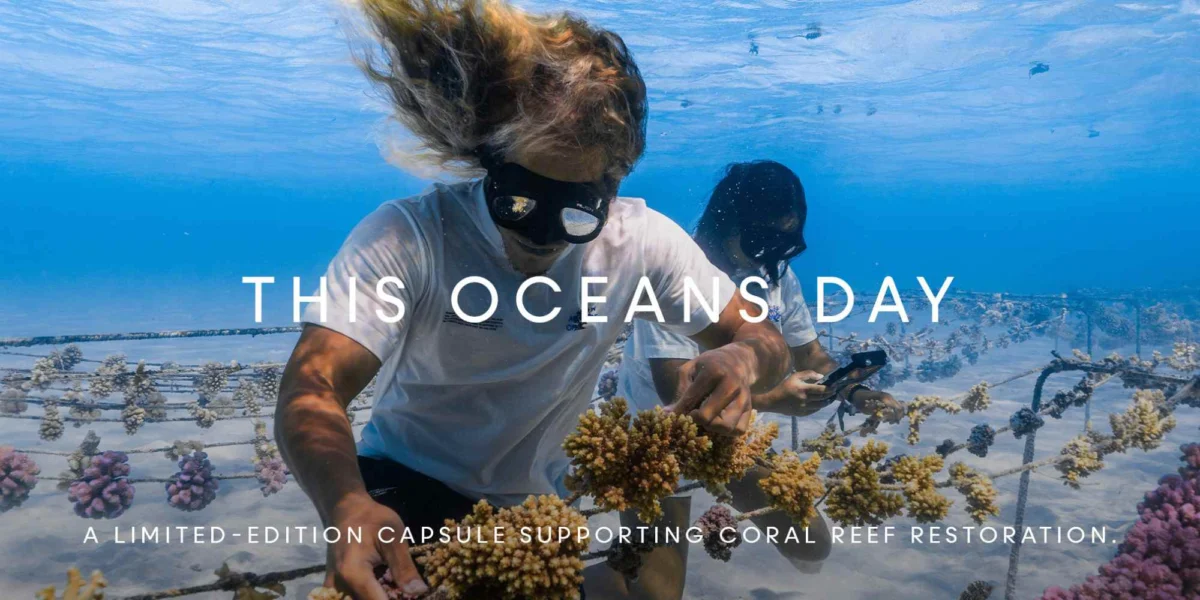
- PANGAIA x Coral Gardeners: Top-rated "Great" brand PANGAIA continued its partnership with Coral Gardeners, an organization dedicated to restoring coral ecosystems and reefs around the world. For every hoodie and T-shirt sold in their capsule collection, PANGAIA commits to donating to the organization, linking consumer purchases directly to vital environmental conservation efforts.
Implications and Future Outlook
June 2026 served as a microcosm of the fashion industry’s current trajectory: a sector under immense pressure to reform its practices, yet also showing glimmers of innovation and genuine commitment to change. The incidents of the month—from the Louis Vuitton waterfall controversy, which highlighted the environmental optics of luxury, to the ASA’s greenwashing bans and the French legislative efforts against fast fashion—collectively indicate a significant escalation in scrutiny from the public, regulators, and activists. The era of vague sustainability claims and environmentally insensitive displays appears to be drawing to a close, replaced by a demand for concrete action, verifiable data, and genuine accountability.
The triumph of the Indonesian garment workers’ union highlights the enduring importance of social justice alongside environmental concerns, reinforcing that a truly sustainable fashion industry must prioritize the well-being and rights of its workforce. While the challenges of decarbonization and waste reduction remain formidable, the emergence of initiatives like Lululemon’s renewable energy fund and advancements in textile-to-textile recycling offer tangible pathways forward, demonstrating that solutions exist, albeit requiring significant investment and commitment.
Moving ahead, the industry will likely face even more stringent regulations concerning environmental claims and supply chain transparency, possibly influenced by emerging EU directives like the Green Claims Directive. Brands that genuinely embed sustainability and ethical practices into their core operations, rather than merely using them as marketing tools, are better positioned to thrive in this evolving landscape. The events of June 2026 underscore that the future of fashion is inextricably linked to its ability to demonstrate authentic responsibility, not just through innovative products, but through fundamental shifts in its production, marketing, and operational paradigms. The "do-say" gap is closing, and the industry is being called upon to walk the talk more than ever before.