

The intersection of high finance, disruptive technology, and luxury fashion has found a new focal point in the heart of Manhattan’s SoHo neighborhood. Frère, a bespoke and ready-to-wear menswear brand that has quietly become the clothier of choice for some of the world’s most influential CEOs and cultural icons, has officially announced the opening of its first physical flagship store. The move marks a significant milestone for a brand that only launched in March, yet has already secured a client list that reads like a "who’s who" of the global power structure, including Apple CEO Tim Cook, music mogul Jay-Z, and Coinbase co-founder Fred Ehrsam.
Positioned at the vanguard of the "quiet luxury" movement—a trend characterized by understated, high-quality garments devoid of overt branding—Frère is catering to a specific demographic of leaders who are moving away from the stereotypical "tech bro" aesthetic. While the industry has long been associated with hooded sweatshirts and branded Patagonia vests, a new era of professional presentation is emerging. In this landscape, a $3,490 wool knit tracksuit or a $5,990 cashmere overcoat represents the new standard for the elite, blending comfort with an uncompromising commitment to craftsmanship.
The Founders: A Synergy of Heritage and Haute Couture
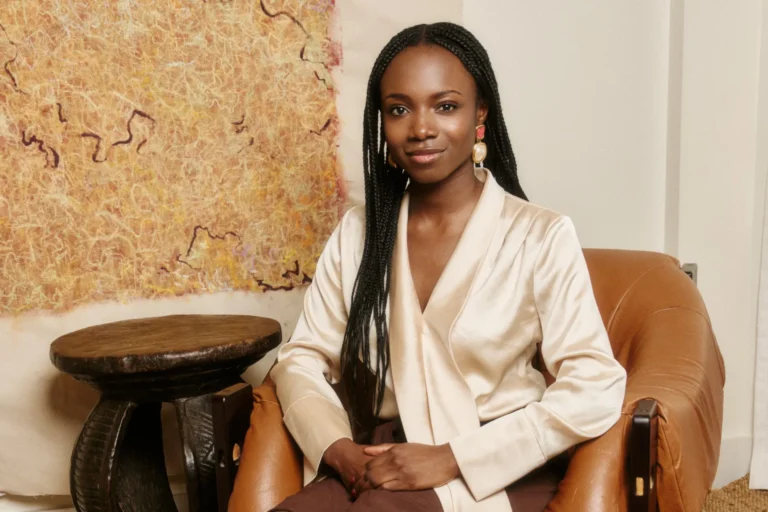
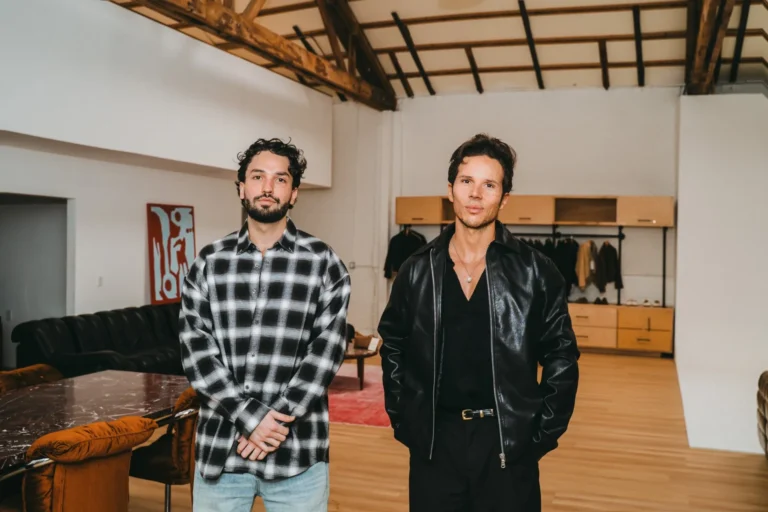
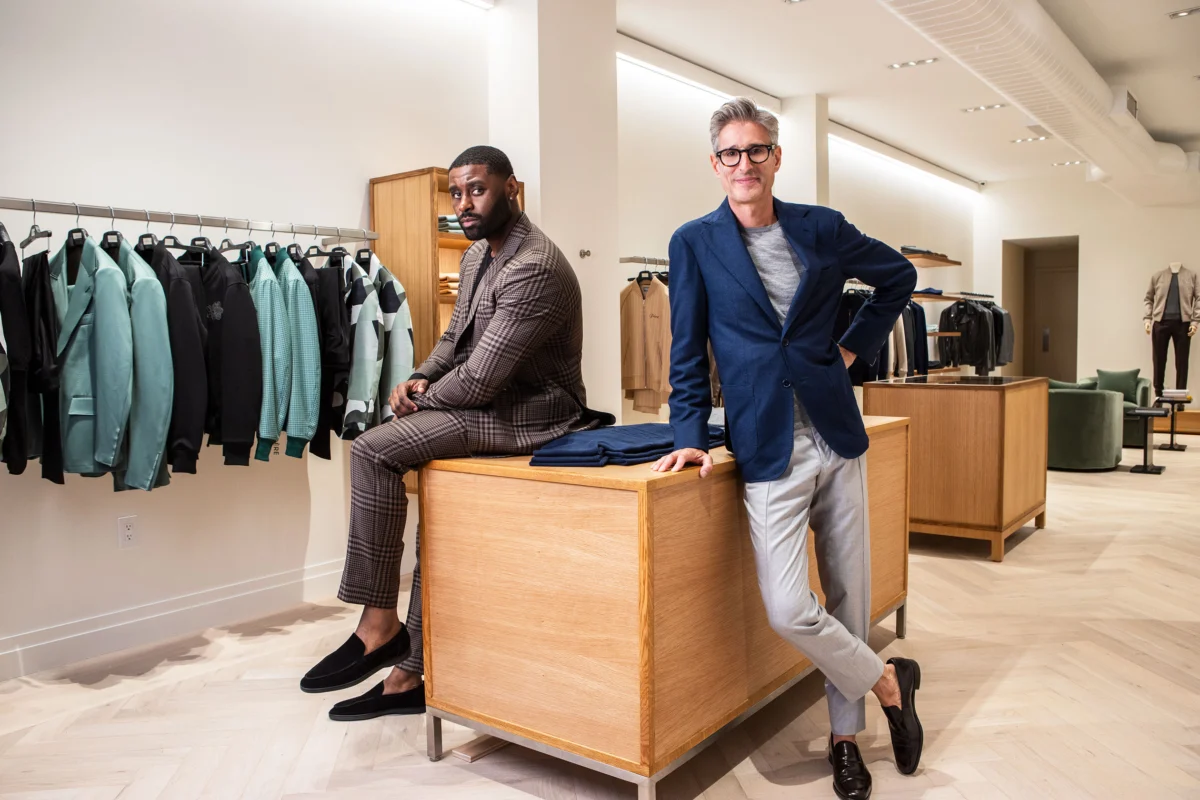
The rapid ascent of Frère is rooted in the complementary backgrounds of its founders, Davidson Petit-Frère and François Kress. The duo brings a unique combination of street-level creative instinct and corporate luxury experience to the venture.
Davidson Petit-Frère, the brand’s creative director, followed an unconventional path into the fashion industry. Originally working in luxury real estate, Petit-Frère pivoted to tailoring after recognizing a gap in the market for modern, well-fitted suits. His previous venture, Musika Frère, gained international acclaim for its bespoke tailoring, dressing celebrities such as Beyoncé and Stephen Curry. With Frère, he is integrating his Haitian heritage with classic European tailoring, aiming to create a silhouette that is both innovative and culturally resonant.
François Kress, serving as the company’s CEO, provides the institutional weight necessary to scale a luxury house. Kress’s resume is a roadmap of the luxury sector’s highest echelons. He previously served as the president of Fendi for North and South America, managing director of Bulgari, and president and CEO of the Prada Group in the United States. His experience navigating the operational complexities of LVMH and Prada brands has been instrumental in Frère’s strategy to prioritize physical retail and high-touch customer service.
"We saw an opportunity to reshape the menswear narrative by focusing on what will never go out of style: beautiful tailoring, timeless elegance, and exceptional craftsmanship," Kress stated regarding the brand’s mission.
The Evolution of the Tech Uniform
For decades, the fashion choices of Silicon Valley were defined by a deliberate lack of vanity. Steve Jobs’ Issey Miyake turtlenecks and Mark Zuckerberg’s identical gray T-shirts were framed as a way to avoid "decision fatigue," signaling that the wearer’s focus was entirely on innovation rather than appearance. However, as the tech industry has matured and its leaders have moved into the top tiers of global wealth, the "uniform" has undergone a sophisticated evolution.
Recent years have seen high-profile figures like Jeff Bezos and Mark Zuckerberg embrace more tailored and expressive wardrobes, often incorporating high-end materials and "stealth wealth" brands like Loro Piana, Brunello Cucinelli, and Common Projects. Frère is positioning itself as the next logical step in this progression.
The brand’s aesthetic—often described as "subtle tech"—allows leaders to maintain a professional edge while standing out through the quality of material and precision of fit rather than loud logos. According to Petit-Frère, the goal is to allow leaders "to stand out subtly in environments where understated style often speaks the loudest."
Investment and Strategic Growth
The financial backing of Frère reflects the brand’s cross-industry appeal. The company is currently in the process of raising a seed round, led by Robert Nelsen. Nelsen is best known as the co-founder and managing director of ARCH Venture Partners, a firm typically associated with high-stakes investments in biotechnology and life sciences. His decision to invest as an angel investor in a fashion house underscores the brand’s resonance with the venture capital community.

Other notable investors include Robert Hamwee of New Mountain Capital and Shawn "Jay-Z" Carter. The involvement of Carter, through his personal investment arm, adds a layer of cultural capital that few emerging brands can claim. This diverse group of backers suggests that Frère is viewed not just as a clothing company, but as a lifestyle brand that occupies the space where tech, finance, and culture meet.
"They make a helluva suit, plain and simple," Nelsen told TechCrunch. "Frère blends timeless craftsmanship with a fresh perspective, and that’s what makes it stand out. For folks in tech, it’s about having style that feels personal but still professional, something that reflects who you are and where you’re going."
The SoHo Flagship and the Physical Retail Strategy
In an era where many direct-to-consumer brands launch online first to minimize overhead, Frère has taken a contrarian approach by prioritizing a physical flagship in New York City’s SoHo. The brand has operated thus far without an e-commerce platform, though a digital storefront is slated for launch later this month.
The decision to lead with a brick-and-mortar location is a calculated move to establish brand prestige. In the luxury sector, the tactile experience—feeling the weight of the cashmere, observing the hand-stitched seams, and receiving a custom fitting—is essential to justifying premium price points.
"Beautiful products like ours need to be experienced firsthand, not just through a screen," Kress explained. The SoHo store is designed to be more than a point of sale; it is intended to be an immersive environment that communicates the brand’s narrative and the heritage of its founders.
Market Context and Industry Implications
The emergence of Frère comes at a time when the global luxury menswear market is seeing robust growth. According to market research data, the luxury apparel segment is projected to continue expanding as male consumers increasingly prioritize "investment pieces"—high-quality garments that offer longevity over fast-fashion trends.
The "Quiet Luxury" phenomenon, popularized by television shows like Succession and the public appearances of high-net-worth individuals, has shifted consumer interest toward "stealth wealth." This trend benefits brands like Frère that emphasize silhouette and fabric over branding. By targeting the tech elite—a demographic with significant purchasing power and a growing interest in personal branding—Frère is tapping into a lucrative and loyal niche.
Furthermore, the brand’s focus on blending heritage with modern luxury reflects a broader shift in the fashion industry toward inclusivity and diverse representation at the executive and creative levels. Petit-Frère’s ability to incorporate his Haitian roots into a high-luxury context provides a unique selling proposition in a market traditionally dominated by European heritage houses.
Looking Ahead: The Future of Frère
As Frère prepares to launch its e-commerce presence and complete its seed funding round, the company’s trajectory suggests a rapid expansion beyond the New York market. The combination of Kress’s operational expertise and Petit-Frère’s creative vision has created a brand that feels both established and disruptive.
The broader impact of Frère may be felt in the boardroom and at tech conferences worldwide. As more leaders adopt the brand’s "subtle tech" look, the visual language of power is shifting. The Patagonia vest may not be disappearing entirely, but it is increasingly being layered over—or replaced by—bespoke tailoring and high-grade cashmere.
For the modern CEO, the choice of attire is a communication tool. In the case of Frère, that communication is clear: a commitment to quality, a respect for tradition, and an eye toward a more sophisticated, globalized future. As the SoHo flagship opens its doors, the brand is not just selling clothes; it is defining the aesthetic of the modern mogul.