











The nation of France has solidified its position as a vanguard in the global movement against the detrimental impacts of fast fashion, implementing a robust legislative framework designed to curb overconsumption, mitigate waste, and enforce ethical practices across the textile industry. This proactive stance, backed by significant policy shifts and strong public sentiment, sets a precedent for how a major fashion hub can navigate the complexities of sustainability. This article explores France’s multifaceted approach and highlights eight French clothing brands that exemplify ethical production, earning "Good" or "Great" ratings through rigorous, independent assessment methodologies.
France’s Pioneering Legislative Framework Against Fast Fashion
Over the past few years, France has emerged as a formidable leader in establishing regulatory benchmarks to combat the excesses of fast fashion. The country’s commitment extends beyond mere rhetoric, translating into concrete laws that target various facets of the industry’s environmental and social footprint. These legislative actions underscore a national resolve to reshape consumer habits and industry practices towards a more sustainable model.
The initial cornerstone of this legislative edifice was laid in 2019 with the passage of a groundbreaking bill that legally prohibited companies from destroying unsold clothes and electronics. This "anti-waste law" represented a significant paradigm shift, compelling businesses to find alternative solutions for their unsold inventory, such as donation, recycling, or upcycling, thereby directly challenging the linear "take-make-dispose" model prevalent in the industry. Prior to this, it was common practice for brands to destroy unsold goods to maintain brand exclusivity or avoid discounting, a practice that generated immense waste and environmental damage. The law aimed to foster a circular economy where resources are valued and kept in use for as long as possible.
Building on this foundation, France escalated its efforts in 2024 with the passage of legislation specifically targeting "ultra-fast fashion." This pivotal law introduces several key measures:
- Advertising Ban: It bans advertising for ultra-fast fashion products, aiming to diminish their allure and combat the pervasive marketing tactics that encourage impulsive, high-volume purchasing.
- Eco-Surcharge: A progressive environmental surcharge is imposed on ultra-fast fashion garments. This "eco-tax" is designed to internalize the external environmental costs associated with the rapid production, low quality, and short lifespan of these items, effectively making them more expensive and less competitive. The levy is expected to increase over time, providing a financial disincentive for brands to operate within the ultra-fast fashion model.
- Environmental Disclosures: The legislation mandates environmental disclosures at the point of sale, requiring brands to provide consumers with clear, accessible information about the ecological impact of their purchases. This empowers consumers to make more informed decisions, fostering transparency and accountability within the industry.
These legislative interventions collectively signal a robust governmental commitment to steer the fashion industry towards greater responsibility, aligning with France’s broader environmental protection goals under the Ministry of Ecological Transition.
The SHEIN Controversy: A Test Case for French Regulatory Resolve
France’s proactive stance has not shied away from directly confronting global ultra-fast fashion behemoths. A notable instance of this resolve involved a legal challenge against the Chinese online retailer SHEIN. In an unprecedented move, French authorities pushed for the suspension of SHEIN’s website nationwide in 2025, citing concerns over the sale of "childlike" sex dolls and weapons, among other objectionable items, on its platform. This initiative, while ultimately unsuccessful in securing a complete ban from the courts, underscored the government’s willingness to leverage its regulatory power to protect consumers and uphold ethical standards.
The court’s decision, though rejecting the full website suspension, did mandate that SHEIN implement specific measures, including robust age verification systems and content filtering, to safeguard children from inappropriate materials. This ruling, while not a total victory for the authorities, nonetheless sent a clear message: foreign companies operating in the French market are subject to its legal and ethical frameworks.
The public reaction to SHEIN’s operations in France further amplified the debate. When SHEIN opened its first physical store in Paris in November 2025, it was met with widespread public outcry. Protestors took to the streets, demonstrating against the brand’s business model, which is often associated with exploitative labor practices, environmental degradation, and the promotion of excessive consumption. Concurrently, a petition titled "Paris deserves better than Shein" garnered more than 110,000 signatures, reflecting significant public disapproval and a strong desire for more ethical and sustainable retail options.
Nicole Lipman, a writer, articulated this sentiment in an op-ed for The Guardian in November 2025, stating, "By making it harder to purchase from Shein through corporate regulation, we can discourage the growth of ultra-fast fashion and limit its power in the market." This highlights the dual strategy of governmental regulation and consumer advocacy working in tandem to reshape the fashion landscape. The implications of this episode extend beyond SHEIN, serving as a warning to other ultra-fast fashion brands that their operational models, characterized by squeezing suppliers, exploiting workers, rapidly churning out poorly made polyester garments, and employing dark user interface patterns to pressure shoppers, are increasingly deemed unacceptable in France.
Defining Ethical Fashion: A Comprehensive Framework
Understanding what constitutes an "ethical brand" is paramount for both policymakers and consumers. At its core, an ethical brand is one that consciously strives to generate positive impacts across three fundamental pillars: people, the planet, and animals.
Impact on People:
An ethical brand prioritizes fair treatment and safe working conditions throughout its entire supply chain, from raw material sourcing to garment production. This encompasses:
- Child Labour and Forced Labour: Strict policies and practices to prevent and eradicate child labour and any form of forced labour. This often involves robust auditing and transparency measures within the supply chain.
- Worker Safety: Ensuring safe and healthy working environments, adhering to international labour standards, and providing adequate protective equipment.
- Freedom of Association: Respecting workers’ rights to join or form trade unions and engage in collective bargaining without fear of reprisal.
- Living Wage: Committing to paying a living wage, which is a wage sufficient to afford a decent standard of living for the worker and their family, covering food, housing, healthcare, education, and other essential needs, rather than merely the legal minimum wage. This is a critical distinction, as minimum wages often fall short of a true living wage.
- Supply Chain Transparency: Publicly disclosing information about suppliers, factories, and production processes, allowing for greater scrutiny and accountability.
Impact on the Planet:
An ethical brand demonstrates a profound commitment to environmental stewardship by minimizing its ecological footprint. Key considerations include:
- Resource and Energy Use: Efficient use of natural resources (e.g., water, land) and transitioning to renewable energy sources to power manufacturing operations.
- Carbon Emissions Reduction: Setting ambitious targets and implementing strategies to reduce greenhouse gas emissions across its operations, aligning with global climate goals. This includes optimizing logistics, using lower-impact materials, and improving energy efficiency.
- Waterway Impact: Minimizing water pollution from dyeing and finishing processes, treating wastewater effectively, and reducing overall water consumption. The fashion industry is a significant consumer and polluter of water.
- Chemical Management: Safely managing and disposing of chemicals, opting for non-toxic alternatives, and adhering to strict chemical discharge regulations to protect both human health and ecosystems.
- Waste Reduction and Circularity: Implementing strategies to reduce textile waste at every stage, from design to end-of-life. This includes using recycled or upcycled materials, designing for durability, offering repair services, and exploring take-back programs to facilitate material recovery and reuse.
Impact on Animals:
For an ethical brand, animal welfare is a non-negotiable principle. This means:
- Minimizing Animal Products: Ideally, an ethical brand uses no or very few animal products. This includes materials like wool, leather, fur, angora, down feather, shearling, karakul, and exotic animal skin and hair, which often involve questionable animal welfare practices.
- Vegan Certification: The gold standard is for a brand to be 100% vegan, ensuring no animal-derived materials are used in its products.
- Responsible Sourcing (if animal products are used): If a brand does choose to use animal products, it must demonstrate transparent and independently certified responsible sourcing practices that guarantee animal welfare throughout the supply chain (e.g., RWS certified wool, LWG certified leather, though the ultimate goal for many ethical consumers is to avoid these entirely).
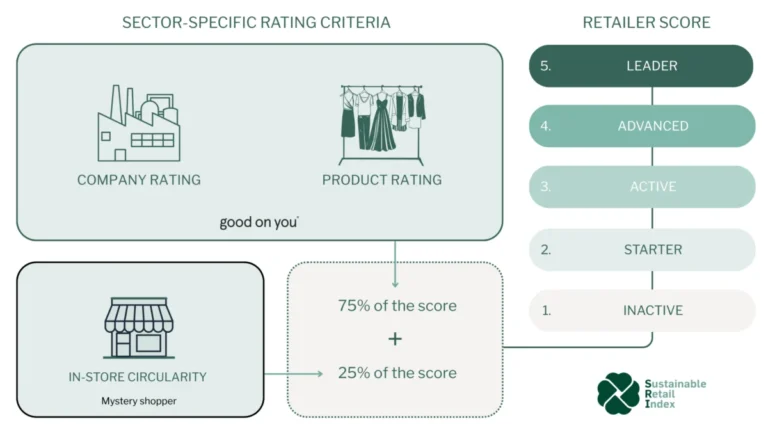
Independent analysis by sustainability experts, such as those at Good On You, plays a crucial role in evaluating brands against these comprehensive criteria, providing public disclosures on their actions and impacts. Brands rated "Good" or "Great" signify a strong commitment to these ethical principles.
Championing Sustainable French Brands: A Curated Selection
The legislative and public pressure in France is not merely about penalizing fast fashion; it’s also about creating fertile ground for more sustainable brands to flourish. When consumers appreciate the work, love, and time invested in creating clothes slowly, by individuals who are paid and treated fairly, it paves the way for a more equitable and environmentally sound fashion industry. Shopping locally, furthermore, offers numerous benefits, including a reduced carbon footprint from transportation and direct support for local economies and communities.
For those residing in France seeking to align their wardrobes with their values, a growing number of domestic brands are putting these ethical principles into practice. The following brands have been independently analyzed by sustainability experts and have achieved "Good" or "Great" ratings, signifying their commitment to people, planet, and animals.
-
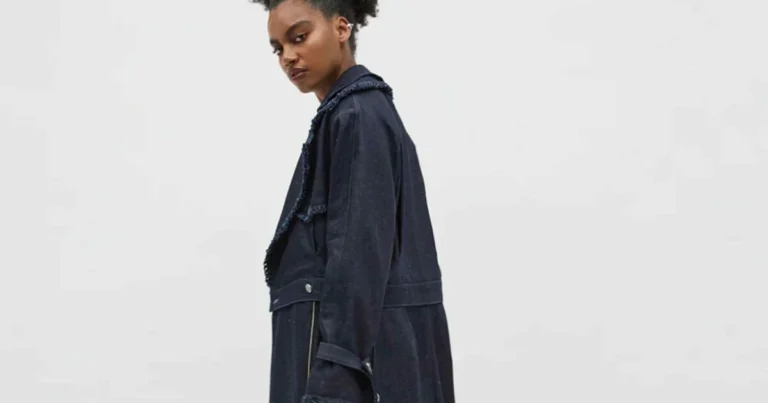
Facettes Studio: A Parisian brand focused on "wardrobe essentials for the multifaceted woman," Facettes Studio is committed to sustainability by utilizing upcycled materials and actively banning polyester and polyamide from its collections, which primarily feature suits. The brand further supports circularity by offering repair and alteration services, promoting longevity for its garments. Find its clothes in sizes FR 34-44.
-
Dressarte Paris: Specializing in custom-made clothing, Dressarte Paris crafts luxurious pieces using lower-impact materials, frequently sourced from surplus fabrics. Their made-to-order model significantly reduces waste associated with mass production. Customers can choose from existing sizes or provide their precise measurements for a truly personalized fit.
-
Courbet: As a French high jewellery brand, Courbet distinguishes itself through its commitment to responsible sourcing. It incorporates a medium proportion of lower-impact materials, notably recycled gold. This choice significantly reduces the environmental impact associated with conventional gold mining, limiting the use of harsh chemicals, excessive water, and wastewater generated during production.
-
Auria Paris: This clothing brand embodies a feminine, modern, and deeply committed approach to fashion. Auria Paris is certified vegan, ensuring no animal products are used in its collections. The brand consistently uses a high proportion of more responsible materials, including recycled components, reflecting its dedication to environmental stewardship. Find most items in sizes XS to 4XL.
-
Bluebuck: A French menswear label, Bluebuck is characterized by its playful, adventurous spirit, deeply rooted in a love for nature. The brand specializes in durable technical menswear basics and swimwear, designed for longevity. Bluebuck emphasizes local production to minimize its environmental footprint and utilizes better materials such as GOTS certified cotton and recycled marine plastic. Find most items in sizes XS-2XL.
The Road Ahead: Shifting Consumer Behaviour and Industry Standards
France’s assertive actions against fast fashion and its support for ethical alternatives represent a significant inflection point for the global fashion industry. The comprehensive nature of its legislative efforts, combined with sustained public pressure, serves as a powerful model that other nations may emulate. By making fast fashion economically and legally less viable, and by simultaneously elevating the visibility and desirability of sustainable brands, France is actively cultivating a market environment conducive to responsible consumption.
This shift has broader implications. It encourages innovation in sustainable materials and production processes, prompts greater transparency from brands, and ultimately aims to re-educate consumers on the true cost and value of clothing. The long-term vision is a fashion industry where ethical practices are not a niche concern but the accepted norm, where creativity thrives within ecological boundaries, and where the welfare of both people and the planet is paramount. The journey is ongoing, but France’s leadership provides a clear pathway towards a better, more conscious future for fashion worldwide.
Editor’s Note:
Feature image by Facettes Studio, all other images via brands mentioned. Good On You publishes the world’s most comprehensive ratings of fashion brands’ impact on people, the planet, and animals. Use our directory to search thousands of rated brands. We updated this article on 17 February 2026. Our editors frequently make updates to articles to ensure they’re up to date. We refreshed our suggestions to ensure they reflect brands with recent ratings.