








The global discussion around responsible consumption and the environmental impact of everyday objects has reached a new crescendo, with a growing demand for products that embody sustainability, durability, and thoughtful design. This shift is not merely a trend but a fundamental reevaluation of our relationship with material possessions, influencing how we shop, what we value, and the legacy we wish to leave. In this evolving landscape, the concept of "Distilled" everyday carry items emerges as a pertinent response, focusing on the essentials that are not only functional and long-lasting but also ethically sourced and designed for minimal environmental footprint.
The notion of "everyday carry" (EDC) itself has undergone a significant transformation. Historically, EDC referred to the collection of items an individual habitually carries on their person for practical purposes, often emphasizing utility and preparedness. However, the contemporary interpretation of EDC increasingly incorporates a deeper consideration for the provenance and lifecycle of these items. Consumers are no longer satisfied with mere functionality; they are seeking products that align with their values, demanding transparency from brands regarding their manufacturing processes, material sourcing, and labor practices. This has led to a surge in interest in items that are built to last, repairable, and made from sustainable or recycled materials.
The Rise of the Conscious Consumer
This growing awareness is not an isolated phenomenon. Data from various market research firms indicates a significant uptick in consumer willingness to pay a premium for sustainable products. A 2023 report by Nielsen found that 73% of global consumers would definitely or probably change their consumption habits to reduce their environmental impact. This sentiment is particularly strong among younger demographics, who are increasingly using their purchasing power to support brands that demonstrate a commitment to social and environmental responsibility.
Furthermore, the concept of "distilled" EDC can be understood as a rejection of disposable culture. The sheer volume of manufactured goods and their often-short lifespans contribute significantly to landfill waste and resource depletion. The "distilled" approach encourages a curated selection of items, prioritizing quality over quantity. This involves investing in well-made tools, accessories, and personal effects that are designed to endure, thereby reducing the need for frequent replacements and minimizing overall consumption.
Tracing the Roots of the Distilled EDC Movement
While the term "Distilled" as a specific branding or movement might be nascent, the underlying principles have been evolving for decades. The "buy it for life" (BIFL) movement, for instance, has been gaining traction for years, advocating for the purchase of high-quality, durable goods that are intended to last a lifetime. This philosophy directly underpins the "distilled" EDC ethos, emphasizing investment in items that offer long-term value and reduce waste.
The burgeoning interest in artisanal craftsmanship and small-batch production also plays a crucial role. These producers often prioritize traditional techniques, ethical sourcing, and a deep understanding of materials, leading to products that are not only unique but also built with longevity in mind. Online communities and forums dedicated to EDC and sustainable living have become hubs for sharing information, reviewing products, and fostering a collective consciousness around these values.
Key Components of Distilled Everyday Carry
The "Distilled" approach to everyday carry focuses on a few core principles:
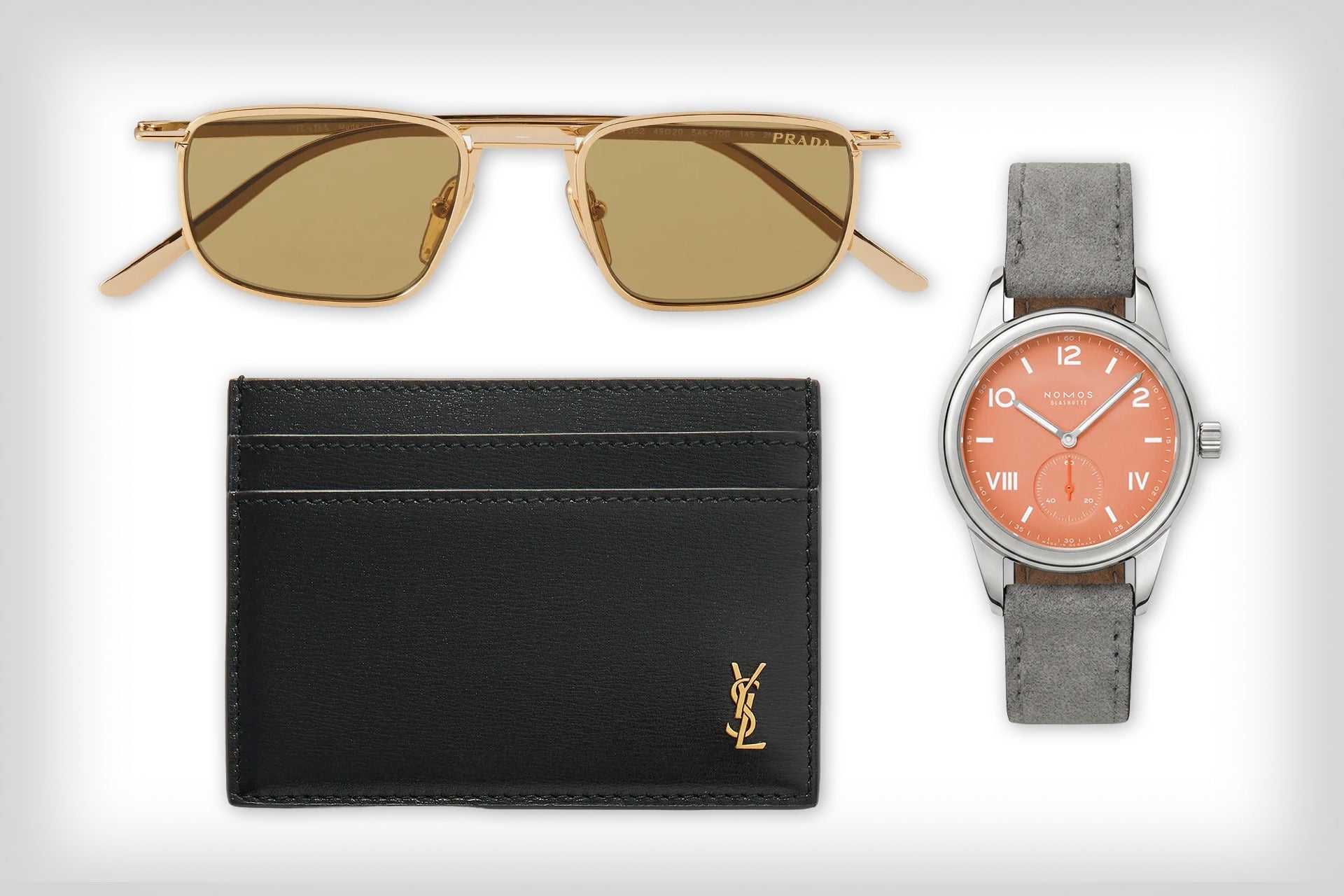
- Durability and Longevity: Items are chosen for their robust construction and ability to withstand daily wear and tear. This often means opting for materials like high-quality leather, solid metal alloys, and sturdy fabrics.
- Sustainability: Preference is given to products made from recycled, upcycled, or sustainably sourced materials. This includes natural fibers, reclaimed wood, and metals with a lower environmental impact.
- Repairability: The ability to repair an item is a significant consideration. This encourages products that can be maintained and restored, extending their usable life.
- Minimalism and Functionality: Each item serves a clear purpose and is essential to the individual’s daily needs. This avoids unnecessary clutter and promotes intentionality in consumption.
- Ethical Production: Transparency in manufacturing processes, fair labor practices, and a reduced environmental footprint during production are paramount.
A Chronology of Evolving Consumer Values
The shift towards conscious consumption and the principles embodied in "distilled" EDC can be traced through several key periods and developments:
- Late 20th Century: Growing environmental awareness emerges, fueled by concerns over pollution and resource depletion. Early movements advocating for recycling and reduced waste begin to gain traction.
- Early 2000s: The rise of the internet facilitates the sharing of information and the formation of online communities. Concepts like "buy it for life" begin to circulate, encouraging investment in durable goods.
- 2010s: Increased media attention on climate change and the impact of fast fashion and disposable consumerism raises public awareness. The "minimalism" trend gains popularity, emphasizing intentional living and reducing possessions.
- Late 2010s – Present: The "distilled" EDC concept, with its emphasis on sustainability, durability, and ethical sourcing, solidifies as a response to growing environmental concerns and a desire for more meaningful consumption. Brands that align with these values see increased market share and consumer loyalty.
Data Supporting the Trend
The economic implications of this shift are substantial. According to a 2024 report by the Global Sustainable Products Market, the market for sustainable goods is projected to reach over $300 billion by 2028, with a compound annual growth rate (CAGR) of 9.5%. This growth is driven by consumer demand for products that offer a combination of ethical production, environmental responsibility, and long-term value.
Specific sectors benefiting from this trend include:
- Durable Goods Manufacturing: Companies focusing on high-quality, long-lasting products are experiencing increased demand.
- Sustainable Material Innovation: Research and development in areas like biodegradable plastics, recycled fabrics, and eco-friendly alternatives are accelerating.
- Repair and Refurbishment Services: The growing emphasis on repairability is creating opportunities for businesses offering maintenance and restoration services for a wide range of products.
Inferred Reactions and Expert Analysis
While specific reactions from companies to the "Distilled" EDC concept are not explicitly detailed in the provided text, it is logical to infer that forward-thinking brands are actively adapting to these consumer demands. Industry analysts suggest that businesses failing to address sustainability and durability concerns risk alienating a growing segment of their customer base.
Dr. Anya Sharma, an environmental economist specializing in consumer behavior, commented, "The ‘Distilled’ EDC movement is a powerful indicator of a broader societal shift. Consumers are increasingly voting with their wallets, favoring brands that demonstrate genuine commitment to ethical and sustainable practices. This isn’t just about altruism; it’s about recognizing the long-term economic and environmental benefits of a circular economy."
Furthermore, the increasing prominence of independent artisans and small businesses in the EDC community reflects a desire for authenticity and transparency. These producers often have direct relationships with their material suppliers and can offer detailed insights into their creation processes, which resonates deeply with conscious consumers.
Broader Impact and Implications
The implications of the "Distilled" everyday carry philosophy extend beyond individual purchasing habits. This trend has the potential to:
- Influence Manufacturing Standards: As consumer demand for sustainable and durable products grows, manufacturers will be incentivized to adopt more responsible production methods, invest in cleaner technologies, and prioritize material longevity.
- Reduce Environmental Footprint: By encouraging the purchase of fewer, higher-quality items, the "distilled" EDC approach can significantly reduce waste, resource consumption, and carbon emissions associated with the production and disposal of goods.
- Promote a Circular Economy: The emphasis on repairability and longevity aligns perfectly with the principles of a circular economy, where products are designed to be reused, repaired, and recycled, minimizing waste and maximizing resource efficiency.
- Foster a Culture of Appreciation: This approach encourages a deeper appreciation for the craftsmanship, materials, and stories behind the objects we use daily, moving away from a culture of disposability towards one of mindful possession.
The "Distilled" everyday carry concept, therefore, represents more than just a collection of items; it signifies a conscious evolution in consumer values, a rejection of unsustainable practices, and a proactive embrace of a more responsible and enduring relationship with the objects that shape our daily lives. As this movement continues to gain momentum, it is poised to redefine our understanding of utility, value, and the true meaning of preparedness in the 21st century.