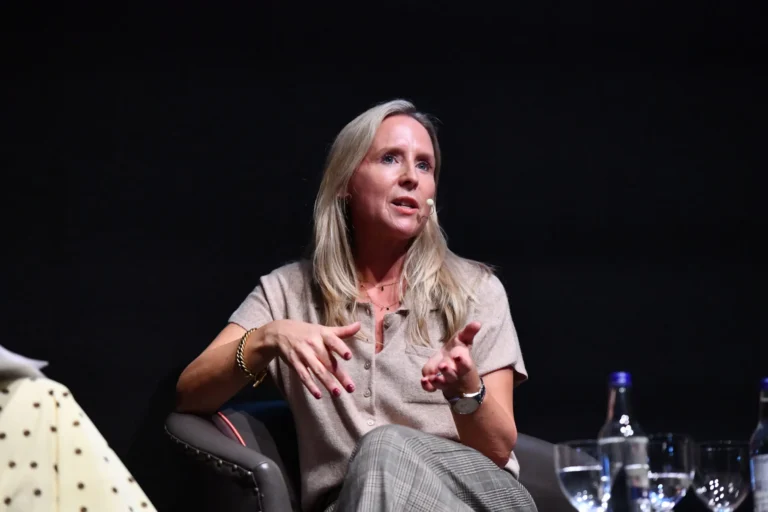











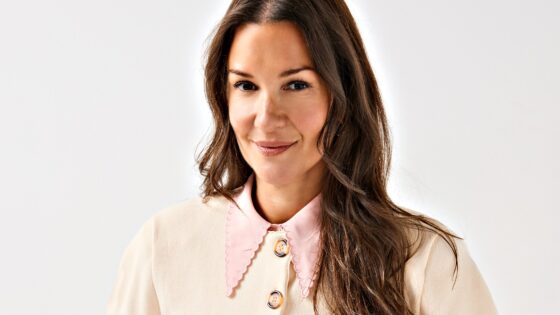
The Very Group, the prominent digital retailer behind the Very and Littlewoods brands, has officially appointed Beckie Crane-Stanion as its new marketing director, a strategic move that signals a renewed focus on competitive positioning and brand evolution within the increasingly volatile UK e-commerce landscape. Crane-Stanion, who joins the organization following a significant tenure at Frasers Group—the retail conglomerate controlled by Mike Ashley—brings with her extensive experience in high-velocity retail environments, digital transformation, and aggressive customer acquisition strategies. This appointment comes at a pivotal moment for The Very Group as it seeks to stabilize its market share and differentiate its multi-category offering against both legacy high-street competitors and emerging international digital platforms.
Strategic Background and Executive Trajectory
The recruitment of Crane-Stanion represents a calculated shift in the leadership profile at The Very Group. During her time at Frasers Group, Crane-Stanion was instrumental in navigating the complex integration of various retail banners under the Frasers umbrella, including House of Fraser, Flannels, and Sports Direct. Her expertise in driving brand visibility and leveraging data-led marketing campaigns is expected to be a primary asset for Very as it refines its proprietary platform.
For The Very Group, the decision to hire an executive from Frasers Group is not merely an operational change but a symbolic one. Frasers is widely recognized for its "elevation" strategy—a long-term initiative to move away from discount-only models toward premium positioning and enhanced brand partnerships. By bringing in a leader who understands the mechanics of this transition, Very is signaling to its shareholders and the wider retail market that it intends to optimize its own digital ecosystem to improve customer lifetime value rather than relying solely on volume-based sales.
The Evolution of the Very Group: A Chronology
To understand the weight of this appointment, one must consider the recent history of The Very Group. Founded on the heritage of the Littlewoods mail-order business, the company underwent a massive transformation to become a purely digital-first retailer.
- 2019-2020: The Group underwent a comprehensive digital migration, rebranding as The Very Group to reflect its flagship brand’s dominance and its pivot toward artificial intelligence-driven customer experiences.
- 2021-2022: The post-pandemic retail environment presented significant supply chain and inflationary pressures. The Group focused on stabilizing its logistics infrastructure and expanding its financial services arm, which remains a core pillar of its revenue model.
- 2023-2024: The company faced increased scrutiny regarding profitability, leading to cost-saving measures and a review of marketing spend. Leadership turnover in key operational roles began to shift toward executives with strong digital-native backgrounds.
- September 2026: The appointment of Beckie Crane-Stanion is finalized, marking a transition toward a new phase of growth and brand equity building in a high-interest-rate environment.
Market Context and Supporting Data
The UK non-food retail market has seen significant turbulence over the last 24 months. According to data from the Office for National Statistics (ONS) and recent retail sector analysis, digital-only retailers are grappling with a "double squeeze": rising operational costs—specifically in warehousing and delivery—and a contraction in discretionary consumer spending.
Very operates within the "pure-play" e-commerce sector, a segment that enjoyed explosive growth during the 2020–2021 period but has since faced a period of "normalization." Current market data indicates that while online shopping remains a dominant force, the rate of growth has slowed to low single digits. For Very, the challenge lies in maintaining its competitive edge against giants like Amazon, which continues to dominate logistics, and the rise of ultra-fast fashion platforms that have disrupted the apparel category.
The Group’s marketing strategy has traditionally relied on a blend of celebrity endorsements and credit-led convenience, allowing customers to "buy now, pay later." However, regulatory changes regarding consumer credit and the increasing cost of borrowing are forcing the company to pivot. Analysts suggest that Crane-Stanion’s role will involve de-emphasizing credit-based marketing and increasing the focus on brand sentiment, product exclusivity, and loyalty-driven retention—a core component of the "elevation" model she helped cultivate at Frasers.
Leadership and Corporate Governance
While official statements from The Very Group regarding the hire have remained concise, sources close to the executive search process suggest that the board was looking for a candidate capable of bridging the gap between performance marketing and brand identity. Marketing directors in the current retail climate must balance the immediate need for Return on Ad Spend (ROAS) with the long-term necessity of brand sustainability.
Crane-Stanion’s arrival is expected to coincide with a broader review of the Group’s marketing spend. In recent years, retailers have shifted significant portions of their budgets away from traditional media toward programmatic advertising, social commerce, and influencer-led campaigns. Very is expected to accelerate this trend, leveraging its vast database of customer behavior to create hyper-personalized shopping journeys.
Implications for the Competitive Landscape
The impact of this appointment will likely be felt across the wider retail sector. As Frasers Group continues to influence the trajectory of British retail, the migration of talent between the two groups underscores a consolidation of marketing best practices.
One primary implication is the potential for an intensified "customer journey" war. Very’s competitive advantage has always been its ability to combine fashion, home, and electrical goods with integrated financial products. If Crane-Stanion successfully modernizes the marketing of these categories, the company could see an uptick in cross-category shopping. Conversely, failure to align the brand’s identity with the shifting values of the post-2025 consumer—who is increasingly conscious of sustainability and value—could limit the effectiveness of any new marketing strategy.
Furthermore, the appointment raises questions about the future of the Littlewoods brand. While Very has successfully captured the youth and family demographic, Littlewoods has struggled to maintain its relevance in a digital-first world. A key metric for success in Crane-Stanion’s first year will be how she manages the distinct brand identities of the two, potentially seeking to revitalize the Littlewoods name through digital-native marketing channels.
Future Outlook: What to Expect
Moving into the final quarter of 2026 and heading into the 2027 fiscal year, the market will be looking for clear signs of change. Investors will be monitoring several KPIs (Key Performance Indicators) under the new marketing leadership:
- Customer Acquisition Cost (CAC): Whether the new marketing strategy can lower the cost of bringing in new users while maintaining quality leads.
- Conversion Rates: The ability of the platform to improve the transition from browsing to purchasing through more effective UI/UX-led marketing.
- Brand Perception: Market research metrics evaluating how consumers perceive the value proposition of The Very Group compared to its peers.
The appointment of Beckie Crane-Stanion is a clear indicator that The Very Group is not content to rely on its legacy status. By poaching talent from a high-growth, high-performance competitor like Frasers, the board has made its intentions clear: to pivot from defensive market retention to offensive brand growth. Whether this strategy will be sufficient to overcome the macroeconomic headwinds remains a central question for industry observers.
As the retail sector enters the crucial holiday planning season, all eyes will be on how Crane-Stanion integrates into the existing leadership structure and whether her arrival signals an immediate change in the company’s creative output and media buying patterns. The transition of power in the marketing suite is often a precursor to broader organizational shifts, and stakeholders will be watching closely to see if this appointment is the first of several high-profile changes within the organization.
In conclusion, the entry of Crane-Stanion into the fold at The Very Group is a significant development in the UK retail story. It highlights the ongoing struggle of established e-commerce players to remain agile and relevant in a world where customer attention is increasingly fragmented. By focusing on data-driven, premium-oriented marketing, Very is betting that it can evolve its way back to consistent, sustainable growth. The coming months will provide the first tangible evidence of whether this new direction can deliver the necessary results in an increasingly unforgiving retail environment.