









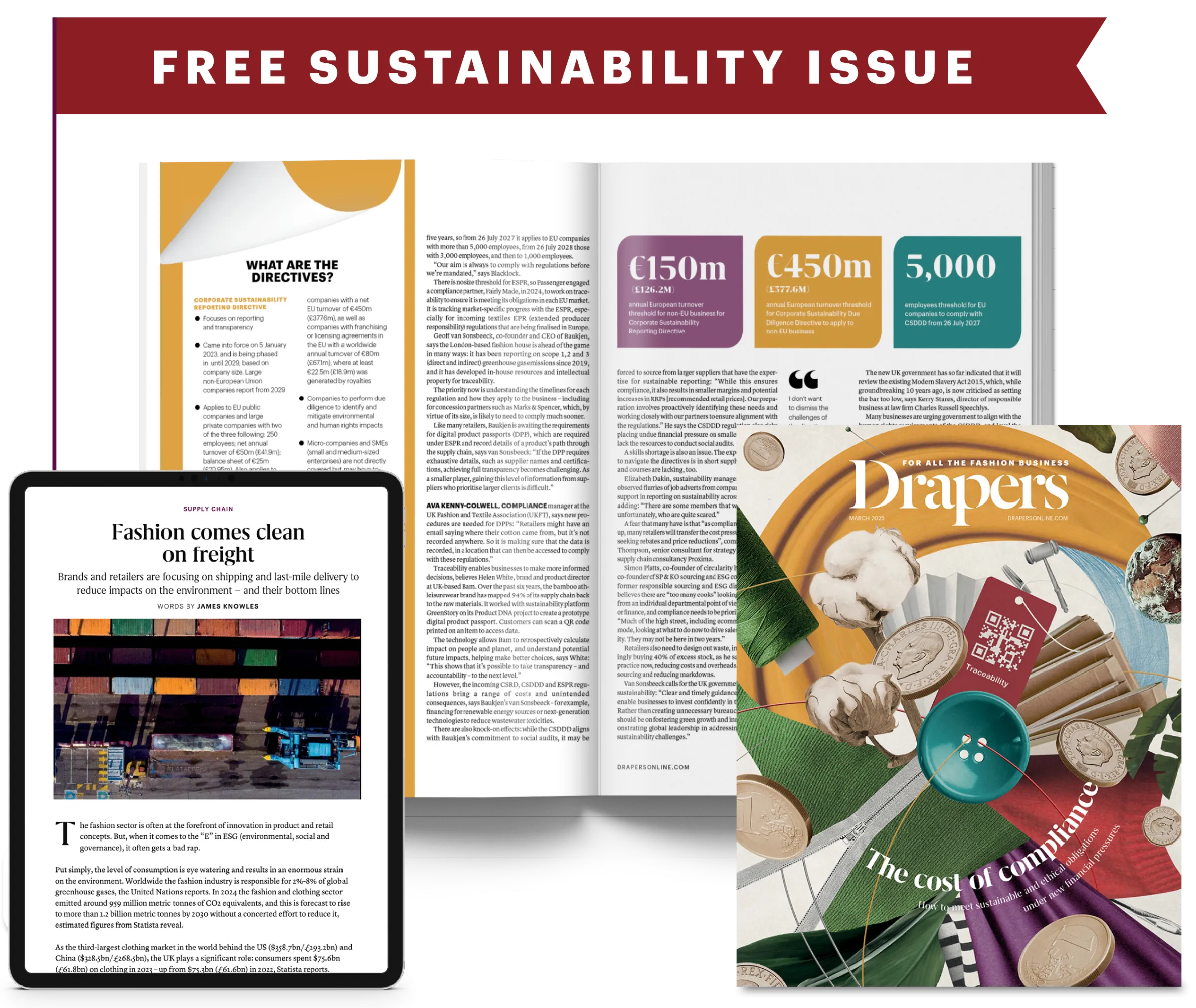
Uniqlo, the global apparel behemoth renowned for its "LifeWear" philosophy, has officially secured the lease for the erstwhile Ted Baker premises in Cambridge, marking a significant expansion of its UK footprint. The new store is projected to open its doors in the final quarter of 2026, as first revealed by industry publication Drapers. This strategic acquisition underscores Uniqlo’s aggressive growth trajectory in key European markets, capitalizing on prime retail locations that have become available amidst shifting consumer behaviours and the restructuring challenges faced by several established fashion brands. The move is anticipated to inject new vibrancy into Cambridge’s already robust retail landscape, offering residents and visitors access to Uniqlo’s extensive range of high-quality, functional, and affordable basics.
The transaction sees Uniqlo take over a prominent retail unit formerly occupied by Ted Baker, a brand that, despite its long-standing presence and distinctive aesthetic, has recently navigated substantial financial headwinds. For Uniqlo, a subsidiary of the Japanese Fast Retailing Group, this represents not just the addition of another store but a strategic foothold in a highly desirable, affluent, and academically vibrant city. The decision to establish a presence in Cambridge aligns with the company’s broader ambition to deepen its market penetration across the United Kingdom, where it has steadily expanded its physical store count in recent years.
The Evolving Landscape of UK Retail: Ted Baker’s Trajectory
The backdrop to Uniqlo’s latest expansion is the dynamic and often challenging environment of the UK retail sector. Ted Baker, once a darling of the British high street, celebrated for its quirky designs and distinctive branding, has experienced a turbulent period. Founded in 1988 in Glasgow, the brand grew from a shirt specialist to a global lifestyle retailer, known for its attention to detail and unique prints. However, a series of financial missteps, an accounting scandal in 2019, and the broader pressures of the COVID-19 pandemic significantly impacted its profitability and market position.
In March 2024, Ted Baker’s UK and European retail operations entered administration, a critical juncture that led to the closure of numerous stores and a strategic review of its physical retail footprint. This decision, implemented by its US owner Authentic Brands Group (ABG) and operational partner AARC, highlighted the acute pressures faced by many mid-market fashion retailers. The administration was a stark reminder of the need for brands to adapt swiftly to changing consumer demands, the rise of e-commerce, and the increasing cost of doing business. The Cambridge store, a valuable asset in a prime location, subsequently became available, presenting a unique opportunity for a burgeoning retailer like Uniqlo. The closure of such an iconic brand’s presence in a city like Cambridge leaves a noticeable void, which the arrival of a global player like Uniqlo is expected to competently fill.
Uniqlo’s Strategic Ascent and UK Ambitions
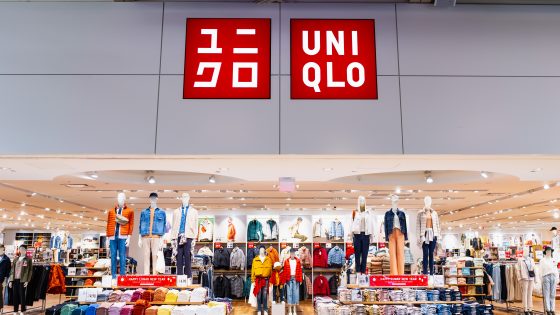
In stark contrast to Ted Baker’s recent struggles, Uniqlo has maintained a consistent trajectory of global expansion and financial growth. Founded in 1949 as Ogori Shōji, Fast Retailing Co., Ltd., under the visionary leadership of Tadashi Yanai, transformed into Uniqlo, a brand synonymous with its "LifeWear" concept. This philosophy emphasizes innovative, high-quality, and comfortable everyday clothing that transcends trends, focusing on functionality and universal appeal. The brand’s success is built on its robust supply chain, innovative fabric technology (like Heattech and Airism), and a clear value proposition that resonates with a broad demographic.
Uniqlo has been methodically expanding its presence across Europe, identifying key cities that offer a blend of affluent residents, strong tourist footfall, and a significant student population. The UK, in particular, has been a focus market. With existing flagship stores in London and a growing network across other major cities, Uniqlo’s entry into Cambridge signals a continued commitment to strengthening its UK market share. The company reported a robust performance in its most recent financial results, with Fast Retailing’s total revenue for the nine months to May 31, 2025, reaching approximately ¥2.23 trillion (around £12 billion), demonstrating significant year-on-year growth. This financial strength provides the capital and confidence for strategic acquisitions and expansions like the Cambridge store.
The choice of Cambridge is not coincidental. The city is a world-renowned hub for education, technology, and tourism. Its demographic profile includes a substantial number of university students, highly skilled professionals working in its burgeoning tech and biotech sectors, and a constant influx of international tourists. This diverse consumer base aligns perfectly with Uniqlo’s "LifeWear" ethos, which appeals to a wide range of ages and lifestyles. The city’s high street, while experiencing the same national challenges, maintains strong footfall due to its unique blend of historical charm, cultural attractions, and commercial vitality. Securing a prime location in such a city is a significant coup for Uniqlo, enhancing its brand visibility and accessibility to a key target audience.
A Chronology of Retail Transition
The process leading to Uniqlo’s acquisition of the Cambridge premises can be traced through a series of industry events:
- March 2024: Ted Baker’s UK and European retail operations enter administration, initiating a process of strategic review and potential store closures.
- Late 2024 – Early 2025: Following the administration, the decision is made to vacate several Ted Baker retail units deemed commercially unviable under the new operational model. The Cambridge store, despite its prime location, becomes available on the market.
- Mid-2025: Property agents begin marketing the vacant Ted Baker unit in Cambridge, attracting interest from various retailers seeking prime high street presence.
- Late 2025 – Early 2026: Uniqlo enters into negotiations with the landlord for the Cambridge site, recognizing its strategic value and potential for strong commercial performance. Due diligence and lease negotiations proceed.
- April 16, 2026: The lease agreement is formally concluded and announced, with Drapers breaking the news of Uniqlo’s successful acquisition.
- Q2-Q3 2026: Extensive renovation and fit-out work is scheduled to commence at the Cambridge site, transforming the former Ted Baker space to align with Uniqlo’s distinct minimalist and functional store design. This period will also involve a significant local recruitment drive for store staff, managers, and operational personnel.
- Q4 2026: The grand opening of Uniqlo Cambridge is slated to take place, welcoming its first customers and fully integrating into the city’s retail fabric ahead of the crucial festive trading period.
This timeline illustrates a swift and decisive transition for a prominent retail space, reflecting both the agility of major international retailers like Uniqlo and the underlying demand for well-located commercial properties even in a challenging retail climate.
Inferred Statements and Industry Reactions
While official statements regarding this specific Cambridge acquisition are yet to be widely disseminated beyond the initial Drapers report, industry experts and local stakeholders would likely offer the following perspectives:
A spokesperson for Uniqlo, speaking on condition of anonymity due to the ongoing nature of pre-opening preparations, might state: "Our expansion into Cambridge is a testament to Uniqlo’s unwavering commitment to the UK market and our belief in the continued vitality of physical retail. Cambridge, with its unique blend of academic excellence, technological innovation, and cultural richness, represents an ideal location for our ‘LifeWear’ concept. We are excited to bring our high-quality, innovative, and comfortable apparel to this dynamic community and look forward to becoming an integral part of Cambridge’s vibrant retail scene by Q4 2026."
From a local perspective, a representative from Cambridge City Council or the local Business Improvement District (BID) would likely express enthusiasm. "The arrival of an internationally renowned brand like Uniqlo is a significant vote of confidence in Cambridge’s high street," a council official could infer. "Filling a prominent vacancy with such a strong global retailer not only enhances our city’s shopping appeal but also promises job creation and increased footfall, benefiting surrounding businesses. We eagerly anticipate Uniqlo’s opening in late 2026 and the positive economic impact it will bring."
Retail analysts would undoubtedly weigh in on the broader implications. Dr. Eleanor Vance, a senior retail analyst at a prominent consultancy, might observe: "Uniqlo’s strategic move into Cambridge is a textbook example of a well-capitalized, value-driven retailer seizing opportunities in a reconfiguring market. While some heritage brands like Ted Baker have struggled to adapt, Uniqlo’s focus on quality basics, supply chain efficiency, and technological innovation continues to resonate with consumers. Securing a prime, previously occupied Ted Baker site demonstrates Uniqlo’s ability to capitalize on market dislocations, further cementing its position as a key player in the global apparel landscape. This ‘flight to quality’ in prime retail spaces is a trend we expect to continue across the UK."
Broader Impact and Implications
The opening of Uniqlo in Cambridge carries significant implications for various stakeholders:
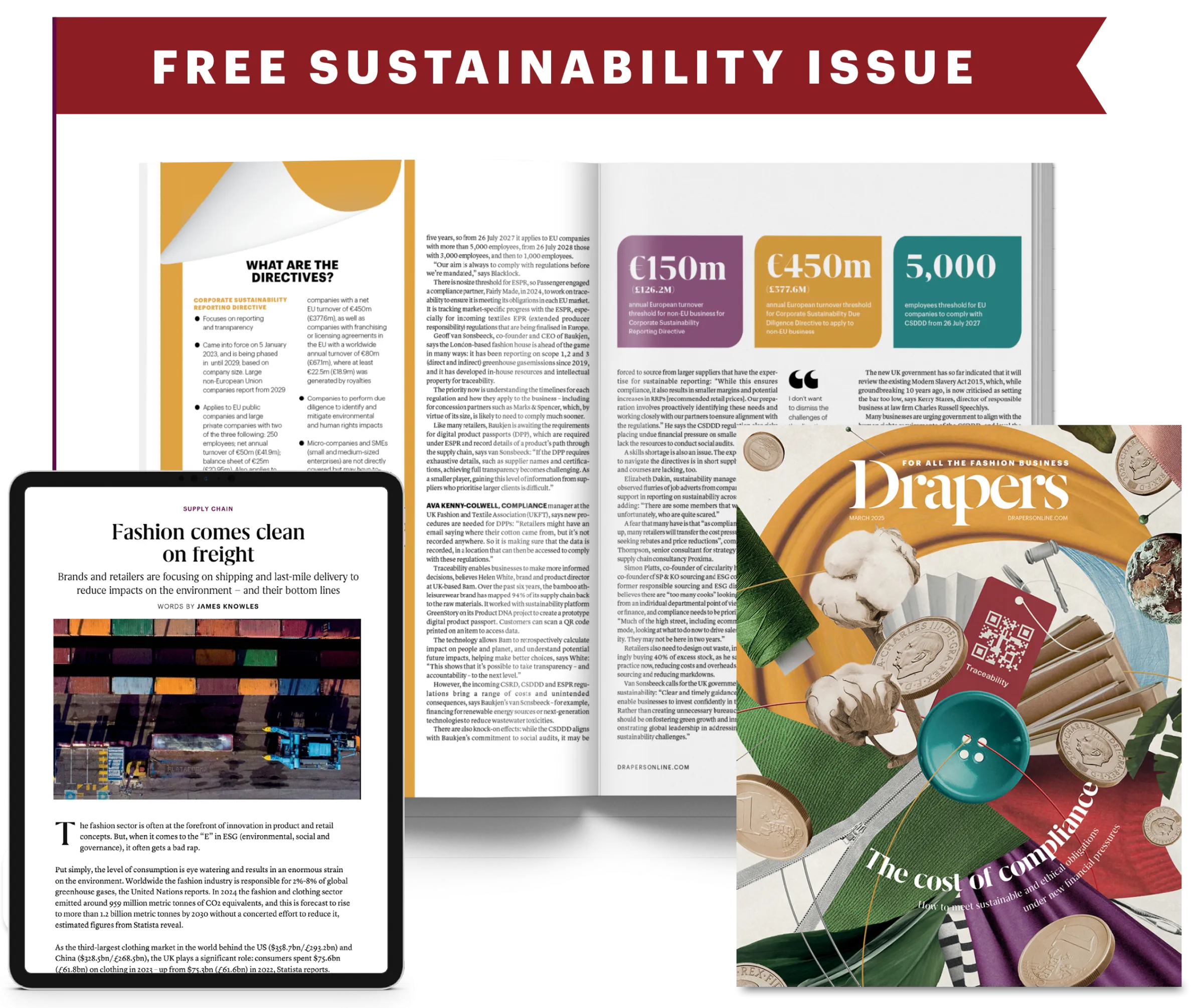
For Uniqlo: This new store will bolster Uniqlo’s brand presence in a high-spending region of the UK. It will allow the company to directly engage with a new demographic, including university students, faculty, and professionals, many of whom are discerning consumers valuing quality and functionality. A physical presence often complements and boosts online sales, creating an omnichannel synergy. Furthermore, it reinforces Uniqlo’s aggressive expansion strategy beyond London and other major metropolitan hubs, indicating confidence in regional high streets.
For Cambridge Retail Landscape: The arrival of Uniqlo is expected to be a net positive. It fills a significant retail void left by Ted Baker, preventing a prominent unit from remaining empty and potentially contributing to urban blight. The store is likely to act as a magnet, drawing increased footfall to its immediate vicinity and potentially benefiting neighbouring businesses. It diversifies the clothing offerings in Cambridge, providing a popular alternative to existing fashion retailers. The creation of new retail jobs, both full-time and part-time, will also be a welcome boost to the local economy.
For the Wider UK Retail Industry: This acquisition is emblematic of broader trends reshaping the UK retail sector. It highlights the continued divergence between retailers that have successfully adapted to modern consumer demands (e.g., strong online presence, clear value proposition, robust supply chains) and those that have struggled. It underscores the ongoing importance of prime physical retail locations, even as e-commerce grows, demonstrating that successful brands still view brick-and-mortar stores as crucial for brand building, customer experience, and omnichannel integration. The move also signals the resilience and attractiveness of key regional cities for global brands looking to expand their footprint outside of London. The challenges faced by brands like Ted Baker serve as a cautionary tale, while Uniqlo’s expansion provides a blueprint for successful navigation of the contemporary retail environment.
In conclusion, Uniqlo’s strategic acquisition of the former Ted Baker premises in Cambridge is more than just a new store opening; it is a significant indicator of the dynamic shifts occurring within the UK retail sector. As the industry continues to evolve, the ability of brands to adapt, innovate, and secure prime locations will be paramount to their success. With its projected opening in Q4 2026, Uniqlo Cambridge is set to become a notable addition to the city’s commercial fabric, symbolizing a new chapter for a key retail site and for the broader landscape of British high street fashion.