



Givenchy, the venerable French luxury fashion house owned by LVMH Moët Hennessy Louis Vuitton, has officially announced the appointment of Marco De Vincenzo, the former creative director of Etro, as its new Head of Leather Goods Design. This pivotal move places De Vincenzo directly under the artistic direction of Sarah Burton, signaling a strategic reinforcement of one of luxury fashion’s most lucrative and competitive segments. The announcement, made on May 27, 2026, underscores Givenchy’s commitment to elevating its accessories division, a critical revenue driver and brand definer in the contemporary luxury landscape.
The appointment of De Vincenzo, celebrated for his innovative approach to design and deep expertise in accessories, is seen by industry analysts as a decisive step for Givenchy to inject fresh energy and distinctiveness into its leather goods offerings. This sector is not merely a supplementary category but often the financial backbone of major fashion houses, providing accessible entry points for consumers and generating substantial profit margins. Givenchy, with its rich heritage and existing iconic designs, aims to capitalize further on this segment by bringing in a talent renowned for both creativity and commercial acumen.
The Strategic Imperative of Luxury Leather Goods
The global luxury leather goods market represents a significant and steadily growing segment of the wider luxury industry. Valued at an estimated $70 billion in 2025 and projected to reach over $90 billion by 2030, this sector is characterized by its resilience, high-profit margins, and ability to attract a broad customer base. For brands like Givenchy, leather goods — encompassing handbags, small leather goods, and footwear — often account for a substantial portion, sometimes exceeding 60-70%, of total revenues. These products serve as powerful brand ambassadors, offering accessible luxury items that carry the brand’s aesthetic and prestige to a wider audience than haute couture or ready-to-wear collections alone.
In an increasingly competitive market, innovation, craftsmanship, and distinctive design are paramount. Consumers are not only seeking quality and durability but also unique narratives, sustainable practices, and designs that resonate with their personal style and values. Givenchy’s decision to appoint a dedicated head for this division, especially one with De Vincenzo’s profile, reflects a clear understanding of these market dynamics and a proactive strategy to secure and expand its footprint in this vital category. The goal is likely to develop new ‘it’ bags, reinterpret classic silhouettes, and ensure a cohesive, compelling accessories narrative that complements Sarah Burton’s overarching artistic vision for the brand.
Marco De Vincenzo: A Profile in Design Innovation
Marco De Vincenzo brings a distinguished career spanning over two decades in luxury fashion, marked by a unique blend of technical mastery and imaginative flair. Born in Messina, Italy, De Vincenzo’s journey into fashion began with a strong foundation in accessories design. He first gained significant recognition during his tenure at Fendi, where he honed his skills in leather craftsmanship and developed an acute understanding of luxury accessories for nearly two decades. His work there contributed to some of Fendi’s most memorable and commercially successful bag collections, showcasing his ability to blend traditional techniques with contemporary aesthetics.
In 2009, De Vincenzo launched his eponymous label, quickly establishing a reputation for vibrant colors, unexpected material combinations, and intricate textures. His independent brand, known for its playful yet sophisticated aesthetic, garnered critical acclaim and a dedicated following, demonstrating his distinct creative voice.
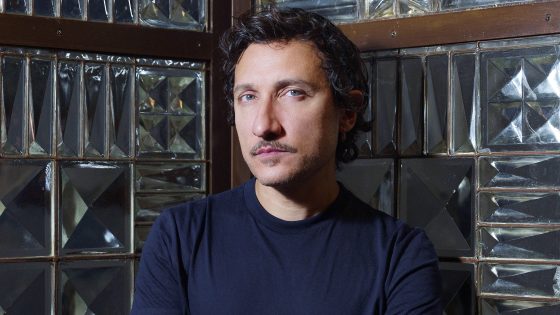
His most recent high-profile role was as the creative director of Etro, where he was appointed in June 2021. At Etro, De Vincenzo was tasked with revitalizing the brand’s ready-to-wear and accessories, moving it towards a more contemporary and youthful direction while respecting its rich bohemian heritage. During his tenure, he introduced new silhouettes, bold color palettes, and innovative fabric manipulations, injecting a fresh perspective into Etro’s signature paisley prints and bohemian codes. His collections at Etro were often lauded for their sartorial precision mixed with an eclectic sensibility, proving his versatility and ability to reinterpret brand identities while maintaining commercial appeal. This experience in leading a heritage brand through a period of redefinition makes him particularly well-suited for a strategic role at Givenchy.
Sarah Burton’s Vision for Givenchy
The appointment of Marco De Vincenzo takes place under the artistic direction of Sarah Burton, a figure whose own career is defined by profound artistic integrity and a deep understanding of craftsmanship. Sarah Burton joined Givenchy as its Artistic Director in late 2025, following her highly acclaimed departure from Alexander McQueen, where she served as Creative Director for over a decade. Her legacy at McQueen is characterized by her ability to evolve the brand’s dramatic aesthetic while honoring the vision of its founder, infusing it with a sense of romanticism, exquisite tailoring, and powerful femininity.
Burton’s move to Givenchy marked a significant new chapter for the house, which has seen several creative directors in recent years, each bringing a distinct perspective. Her arrival signaled a potential return to a more refined, craft-focused elegance, deeply rooted in the maison’s heritage while offering a modern sensibility. Her design philosophy emphasizes meticulous detail, narrative storytelling through clothing, and a profound respect for artisanal techniques.
In this context, De Vincenzo’s appointment is highly complementary. His expertise in material innovation, color, and intricate accessory design aligns perfectly with Burton’s emphasis on craftsmanship and refined aesthetics. It is anticipated that De Vincenzo will translate Burton’s broader artistic vision into the tangible, covetable objects of leather goods, ensuring a coherent brand message from runway to retail. This collaboration is expected to result in accessories that are not only desirable but also embody the sophistication and understated luxury that Givenchy aims to project under Burton’s leadership.
Givenchy within the LVMH Ecosystem
Givenchy’s strategic moves are invariably viewed through the lens of its parent company, LVMH, the world’s leading luxury conglomerate. LVMH’s strength lies in its diverse portfolio of over 75 distinguished maisons, each operating with a degree of creative autonomy while benefiting from the group’s vast resources, global distribution networks, and strategic oversight. The fashion and leather goods division is a cornerstone of LVMH’s financial success, consistently reporting strong growth and profitability.
LVMH’s strategy often involves cultivating and strategically deploying top talent across its brands to foster innovation and maintain market leadership. The group actively seeks designers who can balance creative vision with commercial viability, a trait evident in De Vincenzo’s career trajectory. His transition to Givenchy reflects LVMH’s continuous effort to optimize its creative talent pool and reinforce key segments like leather goods across its brands. This move also highlights the internal mobility and opportunities available within the LVMH ecosystem for designers to take on new challenges and contribute to different brand narratives.
In its latest financial reports, LVMH continues to demonstrate robust performance in its fashion and leather goods segment, driven by sustained demand for iconic brands and innovative product lines. Givenchy, while a significant name, operates in a highly competitive internal landscape alongside powerhouses like Louis Vuitton, Dior, and Celine, all of which boast formidable leather goods divisions. De Vincenzo’s task will be to carve out a distinct and compelling identity for Givenchy’s accessories that allows it to stand out both within the LVMH family and against external competitors like Hermès, Chanel, and Gucci.
Market Dynamics and Anticipated Impact
The luxury leather goods market is currently navigating several key trends. There is a growing demand for sustainability and ethical sourcing, pushing brands to innovate in materials and production processes. Craftsmanship and provenance remain highly valued, with consumers increasingly interested in the story behind their purchases. Furthermore, the market is characterized by a blend of timeless classics and trend-driven novelties, requiring brands to strike a delicate balance between heritage and innovation. The rise of digital engagement and direct-to-consumer models also means that leather goods must have strong visual appeal and narrative power online.
Marco De Vincenzo’s appointment is expected to have several key implications for Givenchy:
- Product Innovation: De Vincenzo’s track record suggests a strong likelihood of fresh, innovative designs that could potentially introduce new "it" bags or reinterpret Givenchy’s existing archives with a modern twist. His expertise in working with diverse materials and textures could lead to unique tactile experiences and visual aesthetics.
- Brand Cohesion: Working directly under Sarah Burton, De Vincenzo will be instrumental in ensuring that the leather goods collections are in perfect harmony with the ready-to-wear, creating a seamless and unified brand identity across all categories.
- Market Positioning: This strategic hire signals Givenchy’s intent to aggressively compete in the high-stakes leather goods arena. By strengthening this category, Givenchy can enhance its overall brand desirability, attract new customer segments, and reinforce its position as a leading luxury house.
- Commercial Performance: Ultimately, the success of this appointment will be measured by its commercial impact. Strong, desirable leather goods are crucial for driving sales and profitability. Analysts will be closely watching for De Vincenzo’s first collections to assess market reception and sales performance.
Industry observers are largely optimistic about this development. "De Vincenzo has a proven ability to marry artistic vision with commercial appeal, a critical skill set for any brand looking to dominate the accessories market," commented one luxury market analyst. "His background in accessories at Fendi and his creative leadership at Etro demonstrate a versatility that Givenchy will undoubtedly leverage to great effect under Sarah Burton’s direction."
Timeline of Key Appointments and Events
To contextualize this significant appointment, a brief chronology of relevant career moves and brand milestones is helpful:
- Early 2000s: Marco De Vincenzo begins his career, notably spending nearly two decades refining his accessory design expertise at Fendi, a pivotal period for developing his understanding of luxury leather goods.
- 2009: Marco De Vincenzo launches his eponymous fashion label, showcasing his distinct creative vision and establishing his independent design voice.
- September 2023: Sarah Burton concludes her highly successful tenure as Creative Director at Alexander McQueen, having profoundly shaped the brand for over a decade.
- Late 2025/Early 2026 (Inferred): Sarah Burton is appointed Artistic Director of Givenchy, embarking on a new chapter for the prestigious French maison. This appointment is anticipated to steer Givenchy towards a renewed focus on craftsmanship, elegance, and narrative depth.
- June 2021: Marco De Vincenzo is appointed Creative Director of Etro, where he undertakes the task of reinterpreting and modernizing the brand’s aesthetic while respecting its heritage.
- May 27, 2026: Givenchy announces the appointment of Marco De Vincenzo as its Head of Leather Goods Design, placing him under the artistic direction of Sarah Burton, marking a strategic enhancement of the brand’s crucial accessories division.
Conclusion
The appointment of Marco De Vincenzo as Givenchy’s Head of Leather Goods Design marks a significant strategic maneuver for the LVMH-owned luxury house. Under the artistic direction of Sarah Burton, this move is poised to inject fresh creativity, technical prowess, and commercial acumen into a segment that is vital for Givenchy’s overall success and market positioning. De Vincenzo’s rich experience, from his formative years at Fendi to his revitalizing work at Etro, positions him as an ideal candidate to craft leather goods that resonate with Burton’s vision for Givenchy – a blend of refined elegance, meticulous craftsmanship, and modern desirability. As the luxury market continues to evolve, Givenchy’s investment in top-tier talent for its accessories division underscores its ambition to not only compete but to lead in the highly competitive and lucrative world of luxury leather goods. The industry eagerly awaits the unveiling of De Vincenzo’s inaugural collections, anticipating a new era of iconic accessories for the house of Givenchy.