










The recent Paris Men’s Fashion Week (PMFW), held from June 23 to 28, 2026, concluded with a powerful declaration of trends for the Spring/Summer 2027 season, underscoring a significant shift towards sustainable innovation, hybrid silhouettes, and the integration of advanced technology. Drapers, a leading authority in fashion analysis, has meticulously dissected the presentations, revealing a forward-looking vision that marries practicality with avant-garde aesthetics. The week-long event, a pivotal fixture on the global fashion calendar, brought together an eclectic mix of established luxury houses, cutting-edge independent designers, and a new wave of digital-native brands, all contributing to a vibrant dialogue about the future of menswear.
The Evolving Landscape of Fashion Week: A Hybrid Approach
Paris Men’s Fashion Week, organized by the Fédération de la Haute Couture et de la Mode, has long stood as a bastion of creativity and commercial influence. For the SS27 season, the event solidified its commitment to a hybrid format, seamlessly blending physical runway shows and intimate presentations with state-of-the-art digital experiences. This approach, refined over several seasons, allowed for unprecedented global reach, with virtual front rows, immersive 3D showcases, and real-time streaming extending the Parisian spectacle to millions worldwide. Industry analysts noted that this balanced strategy not only enhanced accessibility but also provided designers with diverse platforms to convey their creative narratives, from the grandeur of a physical show to the intricate detail possible through digital rendering. This evolution is particularly pertinent in a post-pandemic world, where the fashion industry has embraced technological advancements to redefine engagement and sustainability. According to a 2025 report by the Business of Fashion, hybrid events have seen a 40% increase in global audience engagement compared to purely physical formats, highlighting the strategic success of this integrated model.
A Week in Review: Chronology of Paris Men’s Fashion Week SS27 (June 23-28, 2026)
The six-day schedule was a carefully orchestrated sequence of shows, presentations, and digital activations, each contributing to the season’s overarching narrative.
- Monday, June 23: The Dawn of Innovation
The week commenced with a focus on emerging talent, showcasing designers who are pushing boundaries in material science and conceptual design. Labels like "Atelier Nova" and "Synth Collective" presented collections heavily reliant on recycled ocean plastics and bio-engineered fabrics, setting a strong tone for sustainability. The day also featured several digital-only presentations, utilizing augmented reality to allow viewers to interact with garments in virtual showrooms, providing an intimate look at texture and drape from anywhere in the world. - Tuesday, June 24: Established Vanguard
Major luxury houses began to unveil their SS27 offerings. Dior Men presented a collection that explored the dialogue between military utility and couture tailoring, featuring deconstructed trench coats and meticulously crafted accessories. Hermès followed, emphasizing understated luxury through exquisite leathers and a palette of natural earth tones, reinforcing its commitment to timeless elegance and artisanal craft. The day concluded with a series of panel discussions streamed live, addressing topics such as ethical sourcing in luxury supply chains and the future of AI in fashion design. - Wednesday, June 25: Blurring Lines and Bold Statements
Mid-week saw a surge in collections challenging traditional menswear archetypes. Loewe showcased fluid, sculptural silhouettes, blurring the lines between art and apparel, while Givenchy explored a darker, more introspective aesthetic, incorporating intricate embellishments and layered textures. The street style scene outside the venues was a spectacle in itself, reflecting the growing influence of youth culture and personal expression on high fashion trends. Public engagement on social media platforms peaked, with discussions revolving around gender-fluid designs and innovative fabrications. - Thursday, June 26: The Powerhouses and Pop Culture Influence
The penultimate day was highlighted by highly anticipated shows from global powerhouses. Louis Vuitton, whose finale image captured widespread attention, presented a collection that was a vibrant celebration of global youth culture, infused with luxury travel narratives and artistic collaborations. The collection featured bold graphics, oversized silhouettes, and innovative accessories, signaling a clear direction towards playful yet sophisticated masculinity. Virgil Abloh’s enduring legacy was evident in the continued exploration of streetwear elevated to luxury status. Elsewhere, Rick Owens delivered his signature blend of dystopian romanticism, with dramatic silhouettes and a monochromatic palette, captivating critics and fans alike. - Friday, June 27: Conceptual Explorations and Digital Dexterity
The focus shifted to more experimental and conceptual brands. Designers like Marine Serre and Casablanca showcased their distinct visions, with Serre continuing her exploration of upcycling and crescent moon motifs, while Casablanca offered a vivid, resort-inspired collection, blending athletic luxury with opulent prints. Digital installations provided immersive experiences, allowing users to "try on" virtual garments and explore the collections in dynamic, interactive environments. These digital activations were particularly popular with a younger demographic, driving significant online traffic and engagement. - Saturday, June 28: Concluding Visions and Future Outlook
The final day rounded off with a series of presentations from avant-garde designers and a collective showcasing of student talent from prestigious fashion academies. These emerging voices provided a glimpse into the next generation of fashion, often emphasizing radical sustainability and technological integration. The week concluded with a sense of collective optimism and a clear roadmap for the SS27 season, positioning Paris once again at the forefront of global fashion innovation.
Decoding the Runways: Leading Trends for Spring/Summer 2027
Drapers’ comprehensive analysis of the PMFW SS27 collections identified several dominant trends poised to shape the menswear landscape:
- Sustainability at the Forefront: This was not merely a trend but a foundational principle. Designers showcased a strong commitment to environmental responsibility through the extensive use of recycled materials (e.g., regenerated nylon, organic cotton), upcycled garments, and innovative bio-based textiles derived from agricultural waste or algae. Traceability and ethical production practices were highlighted, with many brands providing QR codes for consumers to track the journey of their garments. A recent consumer survey by GlobalData indicated that 78% of luxury consumers aged 18-35 actively seek out brands with transparent sustainability practices, making this a commercial imperative.
- The New Hybrid Silhouette: The boundaries between formalwear, casualwear, and sportswear continued to dissolve. SS27 introduced "hybrid tailoring," where impeccably cut blazers were paired with technical shorts or joggers, and structured shirts met relaxed, wide-leg trousers. Oversized yet refined outerwear, multi-functional garments, and modular designs that allow for customization were prevalent. This trend reflects a desire for versatility and comfort without sacrificing sophistication, catering to a dynamic modern lifestyle.
- Technological Textures and Materials: Innovation extended beyond sustainable sourcing to material performance. Smart fabrics capable of temperature regulation, moisture-wicking properties, and even integrated micro-electronics were subtly incorporated. Iridescent finishes, translucent overlays, and metallic accents added a futuristic sheen to collections, suggesting a seamless blend of natural and synthetic aesthetics. This embrace of technology in textiles signifies a move towards a more functional and adaptive wardrobe.
- Colour Palettes and Print Innovations: The SS27 palette was predominantly grounded in serene, earthy tones – sand, terracotta, moss green, and various shades of blue and grey. These were punctuated by vibrant pops of electric yellow, fuchsia, and cobalt, often used as accent colours or in bold graphic prints. Abstract patterns, nature-inspired motifs, and digitally distorted prints offered a fresh take on surface design, moving away from traditional florals towards more conceptual artistic expressions.
- Redefining Masculinity: Fluidity and Inclusivity: The conversation around gender fluidity continued to evolve, with many collections featuring garments that defied traditional gender classifications. Skirts, dresses, and traditionally feminine silhouettes were reinterpreted for the male wardrobe, emphasizing freedom of expression and personal style. This trend is supported by a growing cultural acceptance, with a 2024 report by Euromonitor International showing that gender-neutral apparel sales increased by 25% year-on-year in the luxury segment.
- The Return of Elevated Craftsmanship: Amidst technological advancements, there was a palpable return to celebrating artisanal techniques. Hand-embroidery, intricate weaving, bespoke detailing, and hand-painted elements were prominently featured, particularly in the collections of established luxury houses. This emphasis on craftsmanship speaks to a desire for longevity, heritage, and the unique value of human skill in an increasingly digital world.
Industry Reactions and Expert Insights
The SS27 collections garnered significant praise from across the industry. "Paris has once again demonstrated its unparalleled ability to blend artistic vision with commercial viability," commented a spokesperson for the Chambre Syndicale de la Mode Masculine. "The seamless integration of digital and physical formats has not only broadened our audience but also pushed designers to think innovatively about presentation and engagement."
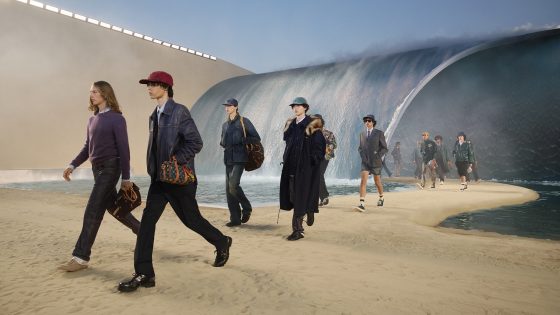
Retail buyers expressed optimism regarding the season’s commercial prospects. "We’re seeing a clear demand for sustainable luxury and versatile pieces that transcend fleeting trends," stated Sarah Jenkins, Head Buyer for Men’s Luxury at a prominent European department store group. "The hybrid silhouettes and emphasis on quality craftsmanship from PMFW SS27 align perfectly with our customers’ evolving preferences for conscious consumption and enduring style. Louis Vuitton’s finale, in particular, offered a commercially strong yet creatively daring vision."
Fashion critics lauded the conceptual depth and technical prowess on display. "This season marked a maturation of many trends we’ve been observing," wrote Marc Dubois, a renowned fashion analyst. "Sustainability is no longer a niche but an integrated design philosophy, and the exploration of identity through clothing has reached new heights of sophistication. The digital dimension has truly amplified the message."
Designers themselves spoke of a renewed sense of purpose. "We are moving beyond simply creating beautiful clothes," remarked one designer, whose collection championed biodegradable textiles. "Our responsibility now extends to crafting a more sustainable and inclusive future for fashion, and Paris provides the perfect stage for that dialogue."
Economic Footprint and Global Reach
Paris Men’s Fashion Week is not merely a cultural event; it is a significant economic engine for the city and the wider fashion industry. The SS27 edition attracted an estimated 60,000 physical attendees, including international buyers, press, and industry professionals, contributing an estimated €150 million to the Parisian economy through tourism, hospitality, and related services. Digitally, the reach was exponential, with official live streams and social media content generating over 500 million impressions globally across various platforms. The cumulative media value for the week is estimated to have exceeded €1 billion, underscoring the event’s immense global influence.
The global menswear market, projected to reach approximately $580 billion by 2027 with a Compound Annual Growth Rate (CAGR) of 4.5% from 2023, continues to be a robust segment. The trends set in Paris have a direct impact on purchasing decisions for retailers worldwide, influencing manufacturing cycles, marketing strategies, and consumer spending patterns for the upcoming season.
Looking Ahead: The Future Trajectory of Menswear
The Paris Men’s Fashion Week SS27 demonstrated a clear trajectory for menswear: one that is deeply conscious, technologically informed, and creatively boundless. The emphasis on sustainability and circularity suggests a future where environmental responsibility is not an option but a design imperative. The evolution of silhouettes points to a more adaptable and personalized approach to dressing, reflecting a society that values comfort, versatility, and individual expression. Furthermore, the seamless integration of digital platforms into the fashion week experience confirms that technology will continue to play an increasingly vital role in how fashion is created, presented, and consumed. As the industry moves forward, the lessons from Paris will undoubtedly serve as a guiding light, shaping not only what men wear but also how they engage with fashion in a rapidly changing world.