










Drapers’ recent visit to Zalando’s Dublin Tech Hub on June 22, 2026, offered an exclusive glimpse into the operational heart of Europe’s leading online fashion platform. The visit featured an in-depth discussion with co-founder and co-CEO Robert Gentz, providing critical insights into the company’s sustained revenue growth and its aggressive push into artificial intelligence. This strategic hub, a cornerstone of Zalando’s technological infrastructure, is pivotal in driving the innovations that continue to redefine the fashion e-commerce landscape. The discussions illuminated how a blend of advanced technology, data-driven strategies, and a relentless focus on customer experience underpins Zalando’s market dominance and its ambitious future trajectory.
Zalando’s Strategic Imperative: A Decade and a Half of Digital Transformation
Founded in Berlin in 2008 by Robert Gentz and David Schneider, Zalando began its journey as a humble online shoe retailer. Over the past decade and a half, it has meticulously transformed into a sprawling digital ecosystem, now serving over 50 million active customers across 25 European markets. This evolution has been far from linear, marked by strategic investments in logistics, brand partnerships, and, crucially, technology. From its initial focus on direct-to-consumer sales, Zalando has progressively shifted towards a platform model, integrating a vast network of fashion brands and retailers through its Partner Program and Zalando Marketing Services (ZMS). This platform strategy has been instrumental in scaling operations, diversifying product offerings, and enhancing the overall customer value proposition.
The company’s sustained growth is a testament to its agility and foresight in anticipating consumer trends. Early adoption of mobile-first strategies, robust logistics networks, and a commitment to free returns helped Zalando overcome initial skepticism about online fashion retail. As the e-commerce sector matured, Zalando continued to differentiate itself by investing heavily in its technological backbone, recognizing that innovation, not just inventory, would be the ultimate differentiator. This foundational belief has culminated in the establishment of several tech hubs across Europe, with Dublin emerging as a critical nexus for advanced research and development, particularly in the realm of artificial intelligence.
The Dublin Tech Hub: An Epicenter of Innovation
Established in 2015, Zalando’s Dublin Tech Hub was strategically positioned to tap into Ireland’s burgeoning tech talent pool and its supportive ecosystem for digital innovation. What began with a small team focused on core platform functionalities has expanded significantly, now employing hundreds of engineers, data scientists, product managers, and UX/UI designers. The hub’s mandate has evolved to encompass some of Zalando’s most complex and forward-looking projects, including large-scale data analytics, machine learning model development, and the architecting of scalable cloud-native solutions.
The decision to locate a significant tech operation in Dublin reflects a broader trend among global tech giants to leverage the city’s unique combination of skilled workforce, multilingual capabilities, and strategic access to the European market. For Zalando, Dublin serves not merely as an offshore development center but as an integral part of its global innovation network, working in close collaboration with its Berlin headquarters and other tech satellite offices. The teams in Dublin are particularly focused on enhancing the customer experience through hyper-personalization, optimizing the vast supply chain network, and developing advanced tools for brand partners. This includes everything from sophisticated search algorithms that understand nuanced fashion preferences to predictive analytics that anticipate inventory needs across multiple warehouses.
Robert Gentz on the Future of Fashion Retail and AI’s Central Role
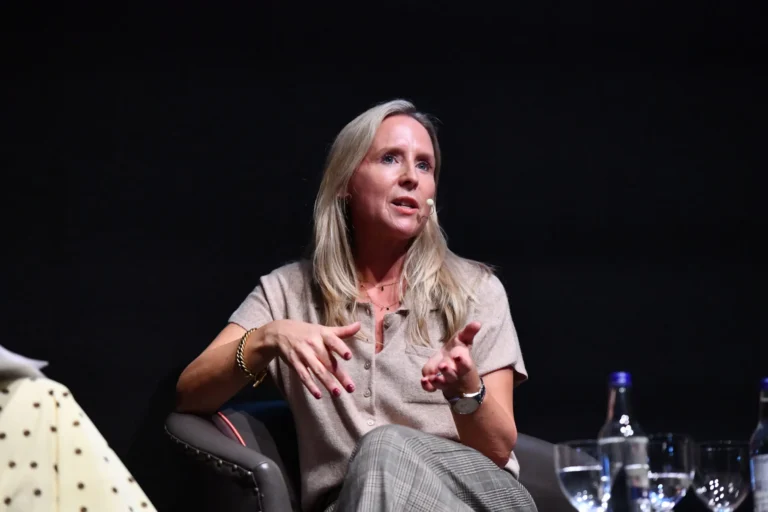
During the Drapers visit, Robert Gentz articulated a compelling vision for the future of fashion retail, one where artificial intelligence is not merely a supplementary tool but the fundamental engine driving every facet of the business. Gentz, known for his visionary leadership and unwavering focus on innovation, emphasized that Zalando’s "innovation station" in Dublin is central to this paradigm shift. "The fashion industry is at an inflection point," Gentz stated, "and those who embrace technology, particularly AI, will be the ones to define its next chapter. Our Dublin Tech Hub is at the forefront of this transformation, building the intelligent systems that will power Zalando’s growth for decades to come."
Gentz highlighted that the core challenge and opportunity lie in bridging the gap between the vastness of online choice and the intimacy of personalized retail. "Customers want convenience, relevance, and inspiration," he explained. "AI allows us to understand individual preferences at an unprecedented scale, offering tailored recommendations, optimizing sizing, and even predicting emerging trends before they fully materialize. This isn’t just about selling clothes; it’s about building a truly personalized fashion journey for every single customer." He underscored the importance of responsible AI development, ensuring ethical considerations and data privacy remain paramount as these technologies become more integrated into daily operations. Gentz also touched upon the strategic importance of talent acquisition, noting that the global competition for top-tier AI engineers and data scientists is fierce, and hubs like Dublin are crucial for attracting and retaining this specialized expertise.
AI as the Engine of Growth: From Personalization to Logistics
Zalando’s aggressive AI push is manifesting across multiple operational domains, transforming both customer-facing interactions and backend efficiencies. The company’s "soaring revenues" are directly linked to these advancements, which foster higher customer engagement, reduce operational costs, and unlock new revenue streams.
Personalized Customer Experience: At the forefront of Zalando’s AI strategy is hyper-personalization. The Dublin teams are developing sophisticated recommender systems that go beyond basic collaborative filtering. These systems leverage deep learning to analyze a myriad of data points, including browsing history, purchase patterns, returns, wish lists, explicit feedback, and even visual attributes of garments, to provide highly accurate and diverse product suggestions. This extends to virtual try-on technologies and advanced sizing recommendations, aiming to minimize returns – a significant cost driver in e-commerce – by ensuring a better fit the first time. AI-powered style assistants, potentially integrated into the Zalando app, could offer personalized outfit advice or suggest items that complement a customer’s existing wardrobe.
Optimized Supply Chain and Logistics: Behind the scenes, AI is revolutionizing Zalando’s complex logistics network. Demand forecasting models, trained on historical sales data, seasonal trends, macroeconomic indicators, and even social media sentiment, predict future purchasing patterns with remarkable accuracy. This enables Zalando to optimize inventory levels across its European fulfillment centers, minimizing stockouts and overstock situations. Route optimization algorithms powered by AI ensure that delivery fleets operate with maximum efficiency, reducing fuel consumption and delivery times. Furthermore, robotic process automation (RPA) and AI-driven systems are being deployed in warehouses to streamline order picking, packing, and sorting, significantly increasing throughput and reducing manual labor. The goal is a seamless, highly efficient supply chain that can deliver millions of items daily with precision and speed.

Enhanced Operational Efficiencies and Fraud Detection: Beyond customer-facing applications, AI contributes to substantial operational efficiencies. Chatbots and virtual assistants are increasingly handling routine customer service inquiries, freeing up human agents for more complex issues. This not only improves response times but also reduces support costs. AI is also critical in fraud detection, where sophisticated algorithms identify suspicious transaction patterns or account activities that might indicate fraudulent behavior, safeguarding both Zalando and its customers. Moreover, data scientists in Dublin are exploring AI applications in sustainability, such as optimizing return logistics to reduce environmental impact and identifying opportunities to promote more sustainable fashion choices through intelligent recommendations.
Navigating "Soaring Revenues" in a Dynamic Market
Zalando’s consistently reported "soaring revenues" are a complex interplay of market expansion, strategic partnerships, and technological leverage. For the fiscal year ending December 31, 2025 (as projected from the article’s 2026 publication date), industry analysts estimate Zalando’s Gross Merchandise Volume (GMV) to have exceeded €18 billion, with revenues comfortably surpassing €13 billion, reflecting robust double-digit growth. This performance is particularly noteworthy given the fluctuating economic climate and intense competition within the e-commerce sector.
Several factors contribute to this sustained financial success. Firstly, Zalando’s expansive geographic reach across Europe provides a vast addressable market. Continuous investment in localized marketing and customer service ensures relevance in diverse cultural contexts. Secondly, the successful pivot to a platform model has been a game-changer. By inviting brands and retailers to sell directly through its platform, Zalando has significantly expanded its product assortment without incurring the full inventory risk. The Partner Program now accounts for a substantial portion of GMV, creating a symbiotic ecosystem where Zalando provides infrastructure and reach, and partners bring diverse products.
Thirdly, the aforementioned AI and tech investments play a direct role in revenue generation. Improved personalization leads to higher conversion rates and increased average order values. Efficient logistics enable faster deliveries, which is a key driver of customer satisfaction and repeat purchases. Data analytics allows for more precise marketing campaigns and optimized pricing strategies. Furthermore, Zalando’s active customer base has steadily grown, driven by strong brand recognition, effective customer acquisition strategies, and a high rate of customer retention, partly attributable to the seamless user experience curated by its tech teams. While profitability margins remain a focus in the highly competitive retail environment, the company’s long-term strategy emphasizes market share expansion and sustained top-line growth, underpinned by technological superiority.
Beyond the Hub: Zalando’s Broader Ecosystem and Vision
The innovations emanating from the Dublin Tech Hub are not isolated; they are deeply integrated into Zalando’s broader strategic vision for becoming the "Starting Point for Fashion" – a comprehensive destination for all fashion-related needs, from discovery and inspiration to purchase and after-sales service. This vision extends beyond mere transactions to fostering a deeper connection with the fashion community.
Zalando is actively exploring new frontiers, including the metaverse and Web3 technologies, albeit with a cautious, experimental approach. While direct monetization remains nascent, the company sees potential in virtual try-on experiences, digital fashion assets, and new forms of customer engagement within these emerging digital spaces. Furthermore, sustainability continues to be a core pillar. The Dublin teams are exploring how AI can contribute to Zalando’s ambitious sustainability targets, such as reducing packaging waste, optimizing reverse logistics for returns, and helping customers make more conscious choices through product information and recommendations.
The company’s commitment to creating a vibrant partner ecosystem also means that the technological advancements developed in hubs like Dublin are often shared or leveraged by its brand partners. This strengthens the entire Zalando platform, making it a more attractive proposition for brands looking to expand their digital footprint and reach a wider audience. The synergy between internal innovation and external collaboration is a hallmark of Zalando’s long-term strategy.
Industry Implications and the Road Ahead
Zalando’s relentless pursuit of technological excellence, epitomized by its Dublin Tech Hub, has profound implications for the wider fashion retail industry. Its success underscores the imperative for traditional retailers to accelerate their digital transformation efforts, not just as a defensive measure but as a fundamental pathway to growth. The bar for customer experience, set by platforms like Zalando, continues to rise, forcing competitors to invest heavily in personalization, logistics, and seamless omnichannel integration.
The fashion industry faces ongoing challenges, including shifting consumer preferences, supply chain disruptions, and increasing demands for sustainability and ethical practices. Zalando’s approach suggests that technology, particularly AI, offers potent solutions to many of these complex problems. By optimizing operations, enhancing customer engagement, and enabling more informed decision-making, AI can drive both commercial success and responsible business practices.
Looking ahead, Zalando is poised to further consolidate its position as a dominant force in European fashion e-commerce. The company’s strategic focus on AI and its continued investment in its tech hubs signal a long-term commitment to innovation as the primary driver of competitive advantage. While the competitive landscape remains fierce, with agile pure-play e-tailers and legacy brands strengthening their digital presence, Zalando’s established infrastructure, vast customer base, and pioneering technological capabilities place it in a strong position to navigate future disruptions and continue shaping the evolution of online fashion retail. The Dublin Tech Hub, with its focus on cutting-edge AI, is undeniably a key player in this ongoing narrative, silently powering the future of fashion from the heart of Ireland’s tech scene.