









As the United Kingdom grapples with a succession of unprecedented heatwaves in July 2026, reaching temperatures consistently above 35°C across vast swathes of the country, the fashion retail sector finds itself navigating a complex and often contradictory landscape. Retailers, from high-street giants to independent boutiques and burgeoning online platforms, are reporting a mixed bag of trade results, with some categories experiencing a significant uplift while others face severe headwinds. This latest period of extreme weather is forcing a rapid re-evaluation of seasonal strategies, supply chain resilience, and long-term adaptation to a demonstrably changing climate, prompting industry experts to ponder the fundamental shifts required for sustained viability in an increasingly volatile meteorological environment.
Contextualizing the Climatic Challenge
The current heatwave, which commenced in late June and has persisted with intermittent breaks into mid-July, marks a significant departure from typical British summer patterns. Meteorological Office data indicates that July 2026 is on track to become one of the warmest on record, with several regions experiencing their hottest consecutive days in over a century. This follows a trend of increasingly frequent and intense heat events observed over the past decade, underscoring the growing impact of climate change on daily life and economic activity. For retail, particularly fashion, this translates into immediate operational challenges and profound shifts in consumer purchasing behaviour. Historically, UK fashion retail has prepared for a temperate summer, stocking a balanced inventory of light layers, transitional pieces, and some dedicated holiday wear. The sustained extreme heat, however, has rendered much of this traditional stock obsolete or undesirable, creating both glut and scarcity in unexpected areas.
Immediate Retail Responses and Shifting Sales Patterns
The initial days of the heatwave saw an immediate surge in demand for quintessential summer items. Swimwear sales reportedly spiked by over 200% in the first week of July compared to the same period last year, according to data from the British Retail Consortium (BRC). Similarly, linen clothing, lightweight cottons, shorts, t-shirts, and sandals have flown off the shelves. Online retailers, with their ability to quickly adapt inventory displays and marketing messages, were particularly agile in capitalising on this immediate need. ASOS and Boohoo reported triple-digit growth in searches for "heatwave essentials" and "cooling fabrics."
However, this boom has been highly concentrated, leaving other segments of the market struggling. Formal wear, typically bolstered by summer weddings and corporate events, has seen a sharp decline, with many consumers opting for more casual, heat-appropriate attire even for semi-formal occasions. Knitwear, denim, and heavier fabrics, usually part of a standard summer collection for cooler evenings or transitional weather, have languished. "We’ve seen an unprecedented rush on anything breathable," commented Sarah Jenkins, CEO of a prominent high-street fashion chain, in a recent Drapers’ interview. "Our linen dresses and wide-leg trousers are selling out as fast as we can restock them, but our denim skirts and light jackets are barely moving. It’s a very lopsided demand."
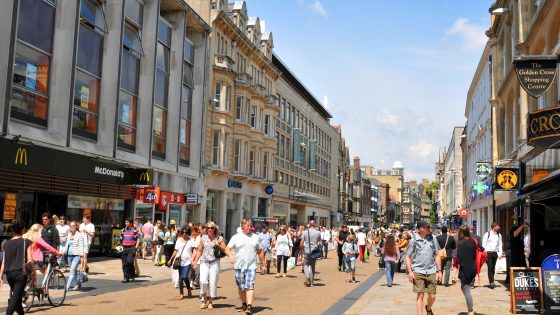
Footfall in physical stores has also presented a complex picture. High street locations, especially those without adequate air conditioning, reported a noticeable dip during peak daytime hours as consumers sought refuge in cooler environments or opted for online shopping from their air-conditioned homes. Conversely, retail parks and shopping centres with extensive climate control measures saw more consistent traffic, albeit with a clear preference for browse-and-buy rather than extended shopping trips.
Supply Chain Under Pressure: The Race for Resupply
The sudden and intense demand for specific summer items has put immense pressure on global supply chains, which are still recovering from previous disruptions. Retailers are scrambling to reorder lightweight fabrics, manufacturing capacity for specific garments like shorts and dresses, and even basic accessories like hats and sunglasses. The lead times for manufacturing in many Asian countries mean that replenishing stock quickly is a significant challenge.
"Our agile supply chain has been tested to its limits," stated Mark Thompson, Head of Operations for a major online fashion retailer. "We’ve had to air freight certain popular lines, which significantly impacts our margins and environmental commitments, but it’s necessary to meet customer demand and avoid lost sales. The challenge is predicting if this demand will persist or if a sudden temperature drop will leave us with excess stock." The urgency highlights a broader vulnerability: the fashion industry’s reliance on often distant manufacturing facilities makes it inherently slow to react to rapid, localised shifts in consumer needs driven by extreme weather events.
Operational Adjustments and Employee Welfare
Beyond stock management, retailers have had to implement various operational adjustments to cope with the heat. Many stores have relaxed dress codes for staff, prioritising comfort and breathability. Hydration stations for employees and even customers have become common, and some retailers have adjusted opening hours, either closing earlier or opening later to avoid the hottest parts of the day. Energy consumption for air conditioning has soared, adding to operational costs and raising sustainability concerns for businesses already under pressure.
"The welfare of our staff is paramount," said Emily Clarke, HR Director for a nationwide clothing brand. "We’ve ensured regular breaks, access to water, and lighter uniform options. It’s a balance between maintaining service levels and protecting our team from heat-related risks."
Expert Analysis and Industry Outlook
Industry bodies are closely monitoring the situation. The BRC noted in its mid-July update that while the heatwave has stimulated sales in specific categories, the overall impact on fashion retail’s bottom line is likely to be marginal to negative due as the boost in summer wear is offset by a broader decline in other sectors and increased operational costs.
"This isn’t just a temporary blip; it’s a stark reminder of the evolving climate and its direct impact on retail," explained Dr. Eleanor Vance, a retail analyst at the Centre for Retail Research. "Fashion cycles are traditionally planned 12-18 months in advance. These unpredictable heatwaves demand a fundamental shift towards more flexible, responsive supply chains and a deeper understanding of climate-adaptive design. We’re seeing consumers actively seeking out performance fabrics, UV protection, and genuinely breathable materials – trends that will likely become mainstream."
The implications extend to purchasing and merchandising strategies. Buyers, who traditionally plan seasonal collections well in advance, are now facing the dilemma of whether to overstock on summer essentials, risking obsolescence if the weather turns, or maintain a leaner inventory and risk missing out on peak demand. The concept of "seasonality" itself is becoming increasingly blurred, prompting discussions about more fluid, "seasonless" collections focused on adaptability.
Long-Term Strategic Adaptations: A Paradigm Shift
The current heatwave is accelerating several long-term trends within fashion retail:
- Fabric Innovation: There’s a renewed focus on natural, breathable fibres like linen, hemp, and Tencel, as well as technologically advanced cooling fabrics. Investment in research and development for materials that offer UV protection, moisture-wicking, and thermoregulation will likely increase.
- Flexible Supply Chains: The ability to rapidly scale production of specific items or redirect inventory will become a competitive advantage. This may involve near-shoring or on-shoring manufacturing to reduce lead times and improve responsiveness to localised weather events.
- Climate-Adaptive Design: Designers are being challenged to create collections that are inherently more versatile and suitable for a wider range of temperatures. This could mean more modular clothing, adjustable garments, and a greater emphasis on layering for adaptability.
- Data-Driven Forecasting: Retailers will increasingly rely on advanced analytics, integrating meteorological data with sales figures to predict demand more accurately and manage inventory proactively. Artificial intelligence and machine learning will play a crucial role in these sophisticated forecasting models.
- Sustainability in Focus: While immediate needs might lead to short-term compromises (like air freight), the broader context of climate change reinforces the urgency of sustainable practices. Consumers are becoming more aware of the environmental footprint of their purchases, and brands that offer durable, responsibly sourced, and climate-appropriate clothing will likely gain favour.
- Store Design and Experience: Physical retail spaces may need to rethink their environments. Enhanced air conditioning, better insulation, and even shaded outdoor areas could become standard. The in-store experience will increasingly focus on comfort and convenience in extreme weather conditions.
The Climate Imperative: Beyond the Heatwave
The July 2026 heatwave serves as a potent reminder that climate change is no longer a distant threat but an immediate, tangible reality impacting every sector of the economy. For fashion retail, it’s a stress test that highlights vulnerabilities and accelerates the need for transformative change. The industry, often criticised for its environmental impact, now has an opportunity to lead in adapting to the very climate challenges it has contributed to.
As the UK looks ahead to the remainder of the summer, with meteorologists predicting a higher likelihood of further heat spikes, retailers are preparing for a new normal. The traditional seasonal calendar for fashion is being rewritten in real-time. Success will depend not just on riding out the current heatwave but on fundamentally restructuring operations, product offerings, and consumer engagement strategies to thrive in a world of increasing climatic variability. The lessons learned in July 2026 will undoubtedly shape the future of fashion retail for years to come, pushing innovation and resilience to the forefront of industry priorities.