







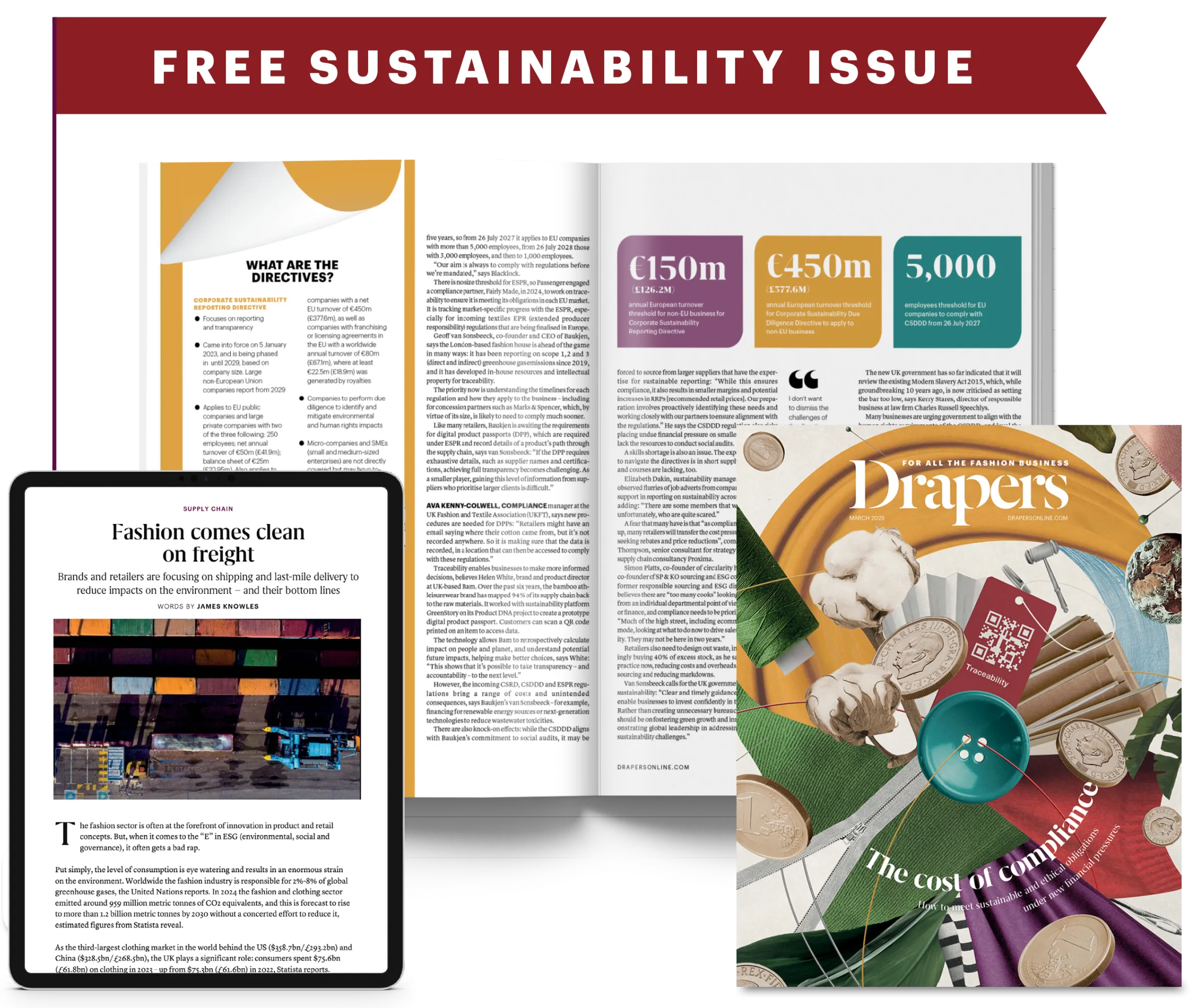
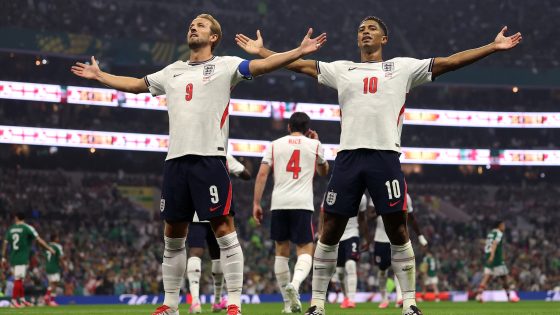
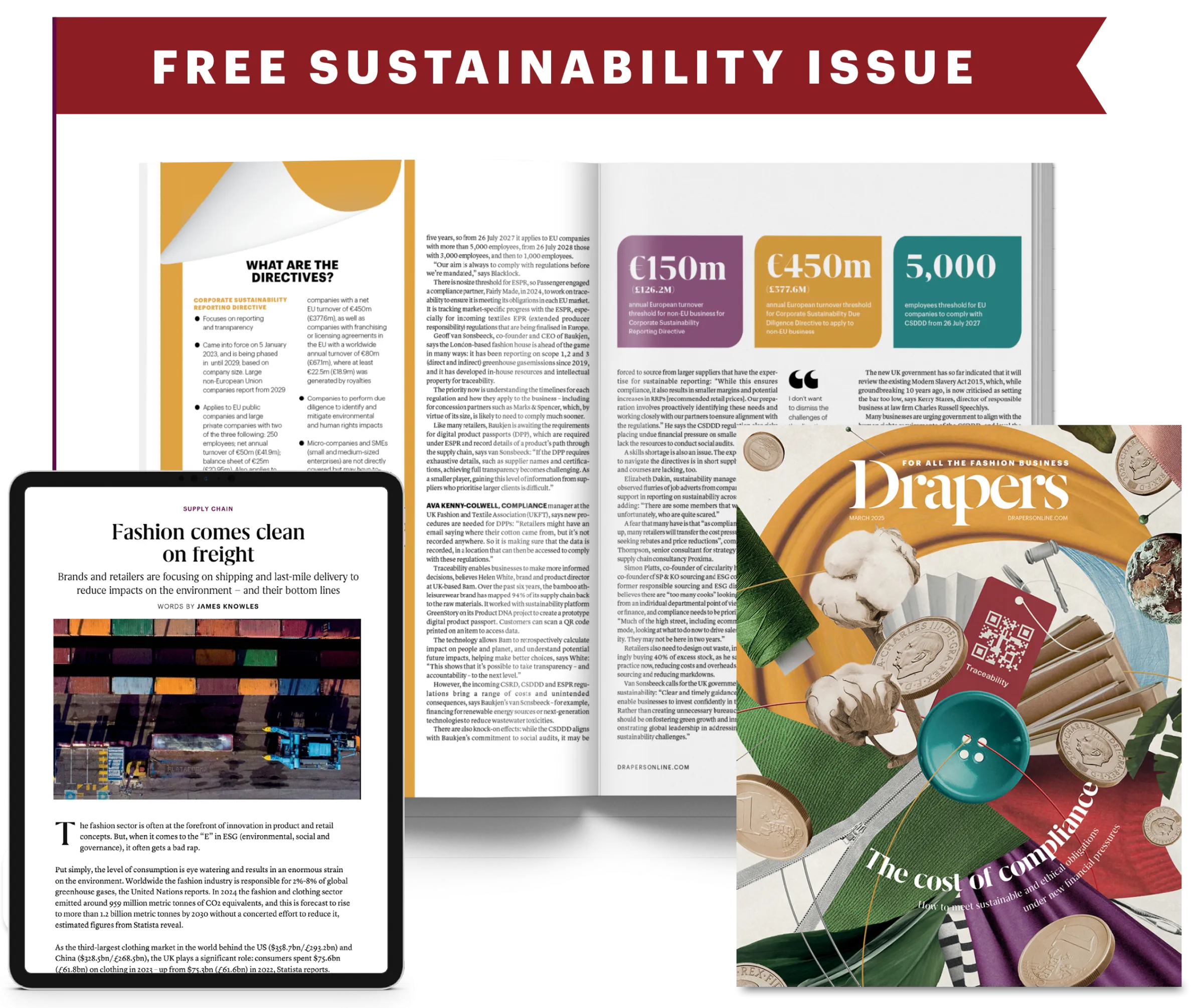
Following England’s late-night World Cup triumph over Mexico, which culminated in an exhilarating victory in the early hours of Monday, July 6th, 2026, the question of workplace flexibility immediately arose across industries. Drapers, a leading authority in fashion retail news, promptly surveyed the sector to ascertain whether employers in this dynamic industry had accommodated their workforce with flexible start times in the wake of the nation’s jubilant, albeit sleep-disrupting, celebration. The preliminary findings indicate a varied but largely sympathetic response, reflecting both the evolving landscape of employee welfare and the persistent demands of the retail sector.
The World Cup Phenomenon and a Nation United
The FIFA World Cup, held every four years, transcends mere sport in England, transforming into a national event that captivates millions. For weeks, the nation’s attention becomes fixated on the performance of the Three Lions, with each match carrying significant emotional weight. The 2026 tournament, hosted across North America, had already delivered its share of drama and excitement, building to a fever pitch as England progressed through the knockout stages. The quarter-final clash against Mexico was particularly highly anticipated, a test of nerves and skill against a formidable opponent known for their passionate play and tactical prowess.
The match, broadcast live from a North American venue, kicked off late on Sunday evening, July 5th, Greenwich Mean Time, extending well into the early hours of Monday, July 6th, for viewers in the UK. Millions tuned in, from dedicated football fanatics to casual supporters swept up in the national fervor. The game itself was a nail-biting affair, reportedly ending 2-1 in England’s favour after extra time, sealed by a dramatic winning goal from captain Harry Kane in the 118th minute, following an earlier equalizer by rising star Jude Bellingham. The final whistle, blowing around 1:30 AM BST, unleashed an explosion of euphoria across the country. Streets erupted in cheers, social media platforms were inundated with celebratory messages, and sleep, for many, became an afterthought. This collective experience, while exhilarating, inevitably posed a challenge for employers across all sectors as the working week commenced just a few short hours later.
Fashion Retail’s Immediate Response: Navigating Celebration and Commerce
The fashion retail industry, a significant employer in the UK with an estimated workforce exceeding 800,000 across diverse roles from sales associates to warehouse staff and corporate offices, faced a unique predicament. Unlike sectors where remote work is predominantly the norm, much of fashion retail relies on physical presence—be it in stores, distribution centres, or design studios. Drapers’ inquiry aimed to capture the immediate reactions and policies implemented by fashion retailers nationwide on Monday, July 6th.
Early feedback suggests a bifurcated approach. Larger high-street chains, often with established HR policies and a broader operational footprint, generally demonstrated a pragmatic understanding of the situation. A spokesperson for ‘StyleHub Retail Group,’ a prominent multi-brand retailer, stated, "We encouraged team leaders to exercise discretion and flexibility where possible, allowing employees to start later if their role permitted, provided essential store opening hours and customer service standards were maintained. Employee well-being and morale are paramount, especially during moments of national pride." Similar sentiments were echoed by ‘TrendSetters PLC,’ a fast-fashion giant, which reportedly issued internal guidance permitting up to a two-hour delayed start for non-customer-facing roles and offering extended lunch breaks for those who had to be in early.
Independent boutiques and smaller businesses often exhibited more agile, person-centric responses. Sarah Jenkins, owner of ‘The Wardrobe Collective’ in Notting Hill, commented, "It was clear many of my team had been up celebrating. I told them to come in when they felt ready, within reason. We opened an hour later than usual, communicated that on social media, and found our customers were incredibly understanding. Happy staff lead to better customer experiences in the long run." This sentiment highlights a crucial aspect of small business operations where personal relationships often dictate flexibility.
Conversely, some segments of the industry, particularly those involved in time-sensitive logistics or early morning deliveries for online operations, found extensive flexibility more challenging. Warehouse and distribution centres, critical to the supply chain of both physical and e-commerce fashion, often operate on strict schedules. "Our morning sortation is crucial for next-day delivery promises," explained a logistics manager for ‘FashionFlow Logistics,’ a third-party provider for several major online retailers. "While we understand the excitement, we had to ensure our core teams were in on time. We did, however, provide extra coffee, breakfast pastries, and an early finish for the evening shift where possible, as a gesture of appreciation." This illustrates the operational tightrope retailers must walk, balancing employee welfare with the demands of a highly competitive and time-sensitive market.
Historical Precedent and Evolving Workplace Policies
The challenge of major sporting events impacting workplace attendance and productivity is not new. Historically, major tournaments like the World Cup, European Championships, and the Olympics have often led to debates about "sick days" or "duvet days" following late-night matches. The 2018 World Cup, for instance, saw an estimated 10% increase in absenteeism on days following England matches, according to a survey by the CIPD (Chartered Institute of Personnel and Development). However, the landscape of workplace flexibility has undergone significant transformation in recent years, accelerated by the global pandemic. Remote work, hybrid models, and an increased focus on employee well-being have become integral to modern HR strategies.
In 2024, a study by the UK Office for National Statistics revealed that approximately 40% of the UK workforce now engages in some form of hybrid or remote work, a significant increase from pre-pandemic levels. This shift has arguably equipped many businesses, including fashion retailers with corporate or online-centric roles, to handle such events more effectively. For these employees, a later start might simply mean shifting their work hours without impacting core business functions or requiring physical presence. The current climate of talent retention also plays a role; employers are increasingly aware that demonstrating flexibility and empathy can significantly boost morale and loyalty, reducing staff turnover in a sector known for its competitive talent market.
Economic Implications and Productivity Concerns
While the immediate focus on July 6th was on employee well-being, the broader economic implications of a nation gripped by World Cup fever cannot be overlooked. Productivity dips following major sporting events are a recognized phenomenon. A report by the Centre for Economic and Business Research (CEBR) in 2022 estimated that major sporting events could lead to a short-term productivity loss of up to £500 million for the UK economy due to reduced focus, absenteeism, and late starts. However, this is often offset by a surge in spending in other sectors, such as hospitality (pubs, restaurants), food and beverage, and sportswear.
For fashion retail, the impact is multifaceted. While early Monday morning footfall in physical stores might have been lower than usual due to celebrations, the overall mood of national triumph could potentially translate into increased consumer confidence and spending later in the week. Online sales, which now account for over 30% of total UK retail sales (according to recent BRC-KPMG data), are less susceptible to immediate store opening hours. Anecdotal evidence from past tournaments suggests that while morning productivity might wane, evening online browsing and purchasing can see an uptick as people wind down from the day, still high on national pride. Retailers leveraging targeted marketing campaigns around the World Cup, such as special offers on England-themed merchandise or ‘celebration discounts,’ might even see a net positive impact.
Broader Implications for the Retail Workforce
The incident following England’s victory over Mexico serves as a micro-study in the evolving dynamics of the modern workplace. It underscores the growing importance of empathy and flexibility in HR policies. In a highly competitive labour market, where the "Great Resignation" and demands for better work-life balance continue to shape employee expectations, businesses that demonstrate understanding and support for their staff during moments of national significance are likely to reap long-term benefits in terms of recruitment, retention, and overall company culture.
Dr. Eleanor Vance, a leading expert in workplace psychology, commented, "While the immediate impulse for businesses might be to worry about lost productivity, the psychological benefits of allowing employees to partake in and recover from national celebrations are immense. It fosters a sense of community, demonstrates trust, and can lead to a more engaged and motivated workforce in the long run. The cost of a few hours of delayed starts is often outweighed by the boost in morale and loyalty."
Mr. David Chen, a senior retail analyst at ‘Global Retail Insights,’ added, "The fashion retail sector, particularly, thrives on consumer sentiment and brand perception. A retailer seen as supportive of its employees during such times not only benefits internally but also enhances its external brand image. In an age where consumers increasingly scrutinize corporate values, this can be a powerful differentiator."
Conclusion: A Balancing Act in a Jubilant Nation
The immediate aftermath of England’s thrilling World Cup victory over Mexico on July 6th, 2026, presented a real-time test of workplace flexibility within the UK fashion retail industry. While some operational constraints necessitate adherence to strict schedules, especially in logistics and core store opening hours, a significant portion of the sector demonstrated a progressive approach, offering flexible start times, extended breaks, or encouraging remote work where feasible. This response highlights a growing recognition among employers of the importance of employee well-being and the positive impact that accommodating national celebrations can have on morale and loyalty.
As the tournament progresses and England potentially advances further, the fashion retail industry, alongside other sectors, will undoubtedly continue to navigate this delicate balance between operational demands and the shared joy of a nation united in its passion for football. The Drapers inquiry provides valuable insight into how this dynamic industry is adapting to modern workforce expectations, demonstrating that even in the face of late-night triumphs, the spirit of understanding and flexibility is increasingly taking centre stage.