






The fundamental right to collective bargaining stands as a crucial safeguard for workers’ safety and wellbeing, particularly within the often-precarious global garment supply chain. Understanding its meaning, mechanisms, and impact is essential for stakeholders across the industry, from factory floors to consumer markets. This overview delves into the core aspects of collective bargaining, its profound significance, and the ongoing efforts to strengthen its role in fostering equitable labor practices.
Defining Collective Bargaining: A Foundation for Fair Labor
At its heart, collective bargaining represents the process of negotiation between workers and their employer, typically mediated by a labor union or trade union, to establish agreements on working rights. These agreements encompass a broad spectrum of critical areas, including wages, working conditions, health and safety protocols, benefits, and overtime remuneration. This mechanism is foundational to establishing an equitable working relationship, shifting the power dynamic from individual vulnerability to collective strength. Without the ability to negotiate collectively, individual employees can find themselves in highly vulnerable positions, susceptible to exploitation, low wages, and unsafe environments.
Historically, the absence of robust collective bargaining mechanisms has been directly linked to severe labor abuses. Kalpona Akter, a prominent labor activist and founder of the Bangladesh Center for Workers Solidarity, highlighted this stark reality in an interview with UN Women: "In Bangladesh, the garment industry has never allowed workers to raise their voices; the political focus has always been on the growth of the industry and keeping the international corporations happy." Akter critically linked this suppression of worker voice to the conditions that precipitated the catastrophic Rana Plaza factory collapse, stating, "It is this kind of power over workers’ rights that created the environment in which [the Rana Plaza] disaster was allowed to happen." This underscores how the denial of collective bargaining can have fatal consequences, revealing a direct correlation between worker representation and workplace safety.
Freedom of Association: The Indispensable Precursor
Integral to the functioning of collective bargaining is the principle of freedom of association. This internationally recognized human right grants individuals the liberty to voluntarily form, join, and leave groups dedicated to advocating for or defending specific interests or rights. For workers, particularly those in the vast and often fragmented fashion supply chain, freedom of association is the enabling condition that allows them to unite, form unions, and subsequently engage in collective bargaining. Without this fundamental right, the concept of collective negotiation becomes largely theoretical, as workers would lack the legal and practical means to organize and present a unified front to their employers.
The International Labour Organization (ILO), a United Nations agency, enshrines freedom of association and the effective recognition of the right to collective bargaining as two of its eight fundamental conventions (Conventions 87 and 98). These conventions serve as benchmarks for labor standards globally, asserting that all workers, without distinction, have the right to establish and join organizations of their own choosing without prior authorization, and to engage in collective bargaining to regulate terms and conditions of employment. Despite these international mandates, their implementation and enforcement remain significant challenges in many garment-producing nations, directly hindering the advancement of worker rights.
The Urgent Imperative in the Garment Sector
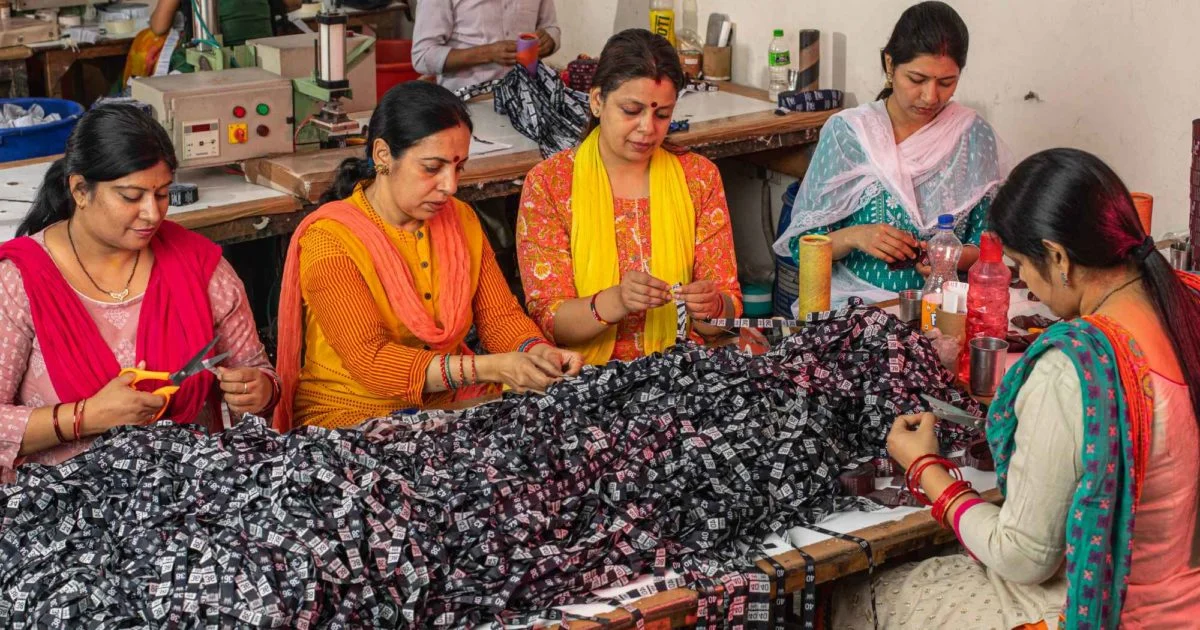
The garment industry’s unique structure, characterized by intense global competition, complex supply chains, and a drive for low-cost production, makes collective bargaining particularly vital. Brands, especially those operating within the fast fashion model, exert immense pressure on their suppliers to minimize costs and maximize output. This pressure often translates directly into suppressed wages, extended working hours, and compromised safety standards at the factory level. When garment workers are denied the right to organize and advocate for themselves, factory owners can exploit this vulnerability, offering wages far below a living wage, enforcing unsafe conditions, and refusing proper compensation for overtime.
Numerous major garment-producing countries have, historically and presently, fostered their industry growth through deliberate limitations on freedom of association and collective bargaining. This environment allows those in positions of power to exploit workers with relative impunity. Amnesty International has reported extensively on how these restrictions enable profits to be prioritized over people. In contexts like Bangladesh, specific regulations or their enforcement have made unionization exceptionally difficult, particularly in export-processing zones where many garment factories are concentrated. Beyond legal prohibitions, workers often face severe intimidation, unfair dismissal (union-busting), and even violence if they attempt to associate with a union. The tragic beating death of Bangladeshi labor leader Shahidul Islam in 2023 during a wage dispute starkly illustrates the dangers faced by those advocating for worker rights.
The 2025 Global Rights Index (GRI) from the International Trade Union Confederation (ITUC) consistently ranks several key garment-producing nations among the worst countries for working people. Bangladesh, Myanmar, and Turkey, all significant players in the global apparel market, have frequently appeared in the top 10 worst. For instance, Bangladesh alone is responsible for approximately 8% of the global garment market. While such rankings might suggest boycotting these countries, such actions often have unintended negative consequences, potentially plunging thousands of workers deeper into poverty through job losses. Instead, the focus must shift towards supporting companies that actively champion worker rights within these challenging environments, recognizing that ethical engagement rather than disengagement can drive positive change. The persistence of labor rights abuses throughout garment supply chains, especially in fast fashion, necessitates that workers are empowered to voice their concerns and demand better conditions from their employers.
The Rana Plaza Catastrophe: A Defining Moment and Its Aftermath
The collapse of the Rana Plaza building in Dhaka, Bangladesh, on April 24, 2013, stands as a grim testament to the devastating consequences of neglected worker safety and suppressed collective voice. The disaster, which killed 1,134 garment workers and injured over 2,500, exposed the systemic failures within the global fashion industry, where cost-cutting pressures often trumped fundamental human rights. Workers at Rana Plaza had reportedly raised concerns about cracks in the building the day before the collapse but were allegedly pressured to return to work by factory management, fearing loss of pay. This refusal to acknowledge worker concerns, a direct consequence of the absence of effective collective bargaining, amplified the tragedy.
In the immediate aftermath, there was a global outcry and unprecedented pressure on international brands to take responsibility. This led to the creation of the Bangladesh Accord on Fire and Building Safety (now the International Accord for Health and Safety in the Textile and Garment Industry). The Accord, a legally binding agreement between global brands and trade unions, mandated independent safety inspections, remediation of identified hazards, and crucially, empowered workers with the right to refuse unsafe work and established a robust complaints mechanism. The Accord represented a significant step forward, demonstrating that collective action, spurred by tragedy, could force brands to commit to enforceable safety standards, a direct benefit of the principles underlying collective bargaining. While the Accord significantly improved safety in signatory factories, the challenges of ensuring genuine freedom of association and collective bargaining across the entire industry persist.
The Landscape of Unionization: Challenges and "Yellow Unions"
Quantifying the exact number of unionized garment workers globally is challenging due to data scarcity and the clandestine nature of some union-busting activities. However, existing reports paint a stark picture. In 2016, Human Rights Watch reported that a mere 10% of Bangladesh’s approximately 4,500 garment factories had registered unions. This low figure highlights the immense barriers to organizing, ranging from legal restrictions to employer intimidation.
Furthermore, the mere presence of a registered union does not automatically guarantee genuine collective bargaining or true freedom of association. A significant concern is the proliferation of "company unions," often dubbed "yellow unions," which are influenced or controlled by the employer rather than genuinely representing the interests of their employees. These unions are often established to appease clients, comply superficially with codes of conduct, or deter independent unionization. Their purpose is to project an image of compliance while effectively neutralizing authentic worker representation. As recently as December 2023, workers at a Levi’s supplier in Turkey reportedly faced threats and abuse after withdrawing from a company union to form their own, illustrating the coercive tactics used to maintain control. Such incidents underscore that the fight for labor justice is not just about having unions, but about ensuring those unions are truly independent and worker-led.
Despite these significant obstacles, there are beacons of hope. Nazma Akter, a prominent trade unionist and founder of the Awaj Foundation, has been instrumental in establishing independent, women-led unions in Bangladeshi factories. She shared with Forbes, "We have succeeded in setting up unions in some of the factories [in Bangladesh], and things are better there… For example, we have sexual harassment committees with representation by women workers. These new kinds of unions are run by the women and are not involved in politics like in the old days." The Awaj Foundation has facilitated collective bargaining agreements that have led to tangible improvements, such as enhanced rights for pregnant workers and better maternity leave – crucial gains in an industry where women constitute the majority of the workforce in low-level positions but are severely underrepresented in leadership roles. These examples demonstrate the transformative power of genuine collective bargaining when it is allowed to flourish.
Empowering Garment Workers: A Collective Responsibility
Advancing the collective bargaining power of garment workers requires a concerted effort from consumers, industry organizations, governments, and unions alike. One of the primary drivers of exploitation in the garment industry is the relentless pressure brands place on suppliers to lower costs and increase production speed. Public and sustained pressure on these brands to adopt ethical sourcing practices and uphold worker rights is therefore paramount.
The Clean Clothes Campaign has documented numerous instances where brands only addressed issues of union busting at their suppliers after being threatened with public campaigns exposing their inaction. This illustrates the effectiveness of publicizing brands’ lack of transparency and ethical failures in compelling them to change.
Several actionable steps can be taken:
- Leverage Consumer Voice and Purchasing Power: Consumers hold significant power. Contacting favorite brands directly to inquire about their labor practices and demanding they sign legally binding agreements like the International Accord for Health and Safety in the Textile and Garment Industry is crucial. The Accord, established in the wake of Rana Plaza, provides an enforceable complaints mechanism for workers and mandates rigorous safety protocols. Tools like the Good On You app facilitate direct communication with brands, allowing consumers to provide feedback easily. Additionally, boycotting brands with documented poor people ratings or known associations with questionable suppliers can send a clear market signal.
- Support Ethical Brands and Initiatives: Actively seek out and support brands that demonstrate a strong commitment to worker rights, fair wages, and freedom of association. Look for certifications and transparency reports that verify these claims. Engage with multi-stakeholder initiatives and organizations working to improve labor conditions.
- Stay Informed and Advocate: Continuous education on labor rights issues in the garment industry is vital. Follow credible sources such as Human Rights Watch, Labour Behind the Label, Clean Clothes Campaign, and the ITUC’s Global Rights Index. Share this knowledge with friends and family to foster broader awareness and collective action.
- Advocate for Stronger Legislation: Support calls for governments to implement and enforce robust human rights due diligence legislation, which would hold companies legally accountable for labor abuses throughout their supply chains. This shifts the burden from voluntary commitments to mandatory compliance.
- Strengthen Union Capacity: Support organizations that work to build the capacity of independent trade unions in garment-producing countries, providing training, resources, and legal assistance to empower workers to organize effectively.
While the scale of the global garment industry and the entrenched power dynamics can make individual action feel insignificant, every voice and every conscious purchasing decision contributes to a wider movement. The fight for garment workers’ rights, anchored by the indispensable principles of freedom of association and collective bargaining, is a long-term endeavor. However, the potential for systemic change and the moral imperative to ensure dignity and safety for those who clothe the world demand unwavering commitment from us all.
Editor’s Note: Good On You publishes the world’s most comprehensive ratings of fashion brands’ impact on people, the planet, and animals. Use our directory to search thousands of rated brands. We updated this article on 5 March 2026. Our editors frequently make updates to articles to ensure they’re up to date. We checked and updated the sources in this story.