








Collective bargaining stands as a fundamental pillar for safeguarding workers’ rights, ensuring their safety, and promoting overall well-being, particularly within the often-precarious global garment supply chain. This essential mechanism, rooted in the principles of freedom of association, empowers employees to negotiate for equitable working conditions, fair remuneration, and secure environments, thereby addressing systemic imbalances of power that can otherwise lead to exploitation and severe human rights abuses.
Understanding Collective Bargaining and Its Foundations
At its core, collective bargaining is the structured process of negotiation between workers and their employer, or employers, to establish agreements concerning employment terms. These terms encompass a broad spectrum of rights and conditions, including wages, working hours, overtime compensation, benefits, health and safety protocols, and grievance procedures. The ability to engage in such negotiations is not merely a privilege but a fundamental aspect of an equitable working relationship, designed to balance the inherent power disparity between individual employees and their corporate employers. Typically, these negotiations are conducted on behalf of workers by a labor union or a trade union—an organized body of workers represented by elected or nominated delegates.
The efficacy of collective bargaining is inextricably linked to the principle of freedom of association. This internationally recognized human right grants individuals the liberty to voluntarily form, join, and leave groups dedicated to advocating for or defending specific interests or rights. For workers in the garment industry, particularly those in countries where labor protections are weak or unenforced, freedom of association is the gateway to uniting, forming unions, and engaging in collective bargaining to demand better wages, safer factories, and dignified treatment. Without this right, employees are often left isolated and vulnerable, susceptible to being trapped in cycles of poverty and dire working conditions. Kalpona Akter, a prominent labor activist and founder of the Bangladesh Center for Workers Solidarity, underscored this reality in an interview with UN Women, stating, "In Bangladesh, the garment industry has never allowed workers to raise their voices; the political focus has always been on the growth of the industry and keeping the international corporations happy." She critically linked this suppression of worker power to catastrophic events, asserting, "It is this kind of power over workers’ rights that created the environment in which [the Rana Plaza] disaster was allowed to happen."
The importance of these rights is codified in international law, notably by the International Labour Organization (ILO). ILO Conventions 87 (Freedom of Association and Protection of the Right to Organise Convention) and 98 (Right to Organise and Collective Bargaining Convention) form the bedrock of international labor standards, obligating signatory states to protect these fundamental freedoms. However, adherence to these conventions varies significantly across countries, particularly in key garment-producing nations.
The Garment Industry’s Unique Vulnerabilities and Historical Context
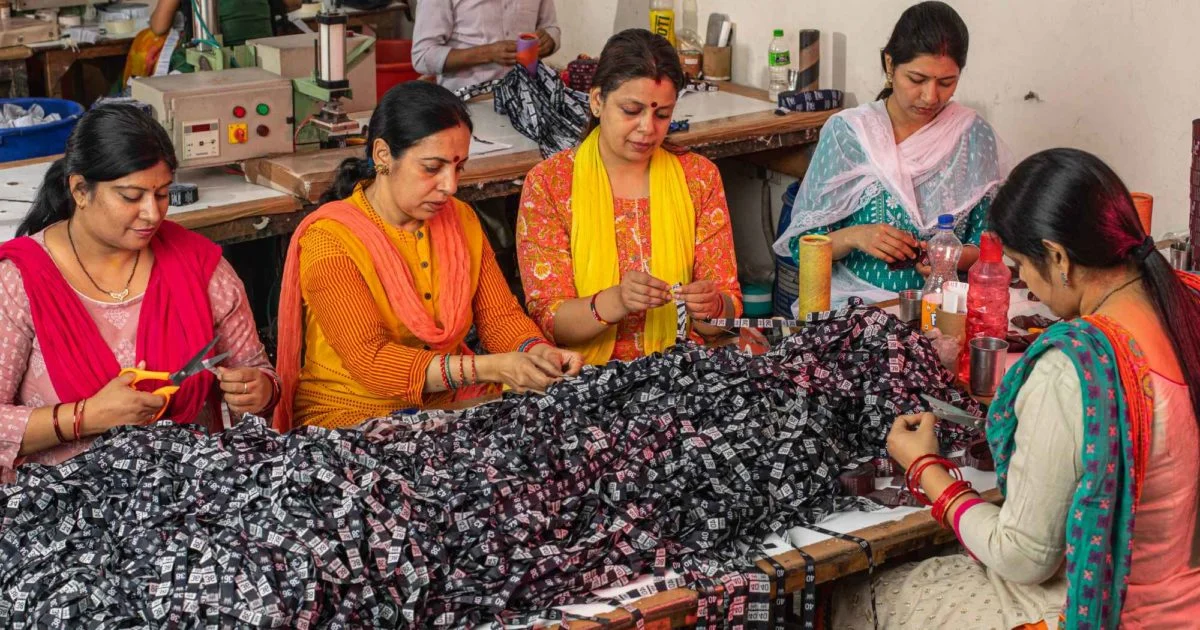
The global garment industry is characterized by its vast scale, intricate supply chains, and intense pressure for low-cost production and rapid turnaround. Employing tens of millions of people worldwide, predominantly women, it represents a critical economic sector for many developing nations. Yet, this economic engine often operates at the expense of its workforce. The pursuit of ever-lower production costs by global brands, particularly those in the fast fashion sector, exerts immense pressure on factory owners, who in turn often suppress wages, compromise safety standards, and demand excessive overtime from their workers.
Historically, the garment industry has been plagued by a systemic lack of worker voice. As production shifted from industrialized nations to countries in Asia, Africa, and Latin America over the past few decades, many governments in these regions prioritized foreign investment and industrial growth above robust labor protections. This "race to the bottom" mentality allowed companies to exploit lax regulations and abundant, cheap labor pools, creating an environment where workers’ rights were frequently overlooked or actively undermined.
The tragic collapse of the Rana Plaza factory in Bangladesh on April 24, 2013, stands as a stark and horrific testament to the consequences of suppressed worker voices and inadequate safety enforcement. This disaster, which claimed the lives of over 1,132 garment workers and injured thousands more, exposed the brutal reality behind the fashion industry’s supply chain. Workers had reportedly expressed concerns about visible cracks in the building’s structure prior to the collapse but were allegedly forced to continue working under threat of dismissal. The scale of the tragedy galvanized international outrage and brought unprecedented attention to the dire need for enforceable safety standards and robust worker representation. In its wake, the legally binding International Accord for Health and Safety in the Textile and Garment Industry (initially the Bangladesh Accord) was established, providing a complaints mechanism for workers and holding brands accountable for factory safety. This initiative, driven by global unions and NGOs, demonstrated the potential power of collective action and external pressure in compelling systemic change.
Challenges to Collective Bargaining: Union Busting and Suppressed Rights
Despite international conventions and the moral imperative, the path to effective collective bargaining in the garment sector is fraught with obstacles. Many of the world’s largest garment-producing countries have achieved their dominant market positions, in part, due to limitations on freedom of association and collective bargaining. This allows those in positions of power—factory owners and their brand clients—to exploit workers without significant challenge.
Tactics to suppress unionization, commonly known as "union-busting," are pervasive. These include intimidation, threats, unfair dismissals, and, in extreme cases, violence against union organizers. Amnesty International and other human rights organizations have extensively documented instances where regulations in countries like Bangladesh prohibit workers from unionizing, particularly in concentrated garment factory zones. Even where unions are legally permitted, workers often face severe repercussions for associating with them. The death of Bangladeshi labor leader Shahidul Islam in June 2023, reportedly beaten to death following a wage dispute, serves as a grim reminder of the extreme dangers faced by those advocating for worker rights.
Another insidious challenge comes in the form of "company unions" or "yellow unions." These are organizations nominally representing workers but are, in reality, influenced or controlled by the employer. Their primary purpose is often to create a veneer of compliance with client codes of conduct or international labor standards, rather than genuinely advocating for employee interests. In December 2023, reports emerged of workers at a Levi’s supplier in Turkey facing threats and abuse after withdrawing from such a company-controlled union, highlighting the ongoing struggle against these deceptive practices.
The International Trade Union Confederation’s (ITUC) Global Rights Index (GRI) consistently ranks several major garment-producing nations among the worst countries for working people. In its 2023 index, Bangladesh, Myanmar, and Turkey—all significant players in the global garment market—were listed in the top 10 worst countries. This ranking reflects systematic violations of workers’ rights, including the right to organize and bargain collectively. For instance, Bangladesh, responsible for approximately 8% of the global garment market, has a documented history of severe restrictions on union activities.
Statistical Landscape and Impact on Workers
Precise, up-to-date statistics on unionization rates among garment workers globally are challenging to obtain, reflecting the often opaque nature of the industry and the risks associated with data collection. However, available data paints a concerning picture. Human Rights Watch reported in 2016 that merely 10% of Bangladesh’s approximately 4,500 garment factories had registered unions. Furthermore, the existence of a registered union does not automatically equate to genuine collective bargaining or freedom of association, given the prevalence of company unions.
The consequences of suppressed bargaining power are profound and far-reaching for garment workers. They are frequently paid wages significantly below a living wage, trapping them and their families in poverty despite working long hours. Unsafe working conditions, including inadequate ventilation, structural hazards, and lack of emergency exits, remain prevalent. Unpaid overtime is a common complaint, as is the lack of social security or health benefits. Moreover, the industry’s largely female workforce often faces additional challenges, including gender-based violence, sexual harassment, and discrimination, particularly concerning maternity rights.
However, where collective bargaining is successfully implemented, positive change is demonstrable. Nazma Akter, a trade unionist and founder of the Awaj Foundation, a Bangladeshi organization dedicated to empowering garment workers, told Forbes, "We have succeeded in setting up unions in some of the factories [in Bangladesh], and things are better there… For example, we have sexual harassment committees with representation by women workers. These new kinds of unions are run by the women and are not involved in politics like in the old days." Her organization has also facilitated collective bargaining agreements (CBAs) that have led to tangible improvements, such as enhanced rights for pregnant workers and better maternity leave provisions—critical advancements in an industry where women dominate the workforce but are underrepresented in leadership roles. These examples underscore the transformative potential of genuine worker representation.
Official Responses and Advocacy Efforts
International organizations, human rights watchdogs, and labor advocacy groups play a crucial role in documenting abuses, raising awareness, and pressuring brands and governments. Organizations such as Human Rights Watch, Labour Behind the Label, and the Clean Clothes Campaign consistently publish reports and campaigns highlighting abuses and advocating for stronger labor protections. The ITUC’s Global Rights Index serves as a vital tool for benchmarking countries’ adherence to fundamental labor rights, providing data that informs advocacy efforts.
The UN Women’s engagement, as highlighted by Kalpona Akter’s statements, signifies the broader human rights implications of suppressing collective bargaining, particularly for women workers. The Awaj Foundation’s work, as cited, exemplifies effective, grassroots advocacy leading to concrete improvements through CBAs, demonstrating a model for positive change.
The International Accord, born from the Rana Plaza tragedy, represents a significant example of how multi-stakeholder initiatives can enforce safety standards and worker rights. By including a complaints mechanism directly accessible to workers, it bypasses some of the traditional barriers to justice and holds signatory brands legally accountable for ensuring safe workplaces in their supplier factories. Its continued existence and expansion to new countries are vital for maintaining pressure on the industry.
Broader Implications: Economic, Social, and Ethical
The implications of robust collective bargaining extend beyond individual worker welfare, impacting the broader economic, social, and ethical landscape of the global garment industry. Economically, respecting workers’ rights and providing fair wages can lead to increased productivity, reduced employee turnover, and improved product quality, as workers are more engaged and motivated. Conversely, continued exploitation poses significant reputational risks for brands, potentially leading to consumer boycotts and damage to brand value.
From a social justice perspective, collective bargaining is essential for addressing systemic inequalities and promoting human dignity. It ensures that workers, who are often marginalized and vulnerable, have a voice in decisions that directly affect their lives and livelihoods. Ethically, consumers and industry stakeholders face a critical dilemma: whether to avoid sourcing from countries with poor labor records or to engage with them while actively supporting and pushing for improvements in worker rights. The ITUC and many NGOs argue against boycotts that could lead to job losses and further impoverish workers, instead advocating for sustained engagement coupled with strong demands for improved labor standards and support for local unions. This approach recognizes the complex economic realities and aims for sustainable, long-term change from within.
Empowering Workers: A Call to Action for Consumers and Industry
Achieving greater collective bargaining power for garment workers requires a concerted, multi-pronged effort involving consumers, industry organizations, brands, and unions. Consumers, despite often feeling powerless, wield significant influence through their purchasing decisions and advocacy.
Actions consumers can take include:
- Demand Brand Accountability: Contact favorite brands and inquire about their commitment to worker rights, specifically asking them to sign and adhere to legally binding agreements like the International Accord for Health and Safety in the Textile and Garment Industry. Tools like the Good On You app offer features to facilitate direct communication with brands.
- Support Ethical Brands: Prioritize purchasing from brands that demonstrate strong commitments to worker rights, fair wages, and safe working conditions, often indicated by "Good" or "Great" ratings in ethical directories. Boycott brands known for exploiting workers or those with consistently poor people ratings.
- Stay Informed: Educate oneself and others on the ongoing challenges and developments in the garment industry. Rely on credible sources such as Human Rights Watch, Labour Behind the Label, Clean Clothes Campaign, and the ITUC Global Rights Index. Sharing this knowledge with friends and family amplifies awareness and pressure.
Industry and brands must:
- Respect Freedom of Association: Ensure that their suppliers fully respect workers’ rights to organize and bargain collectively, without fear of retaliation.
- Pay Fair Prices: Brands must commit to paying prices to their suppliers that enable the payment of living wages and the maintenance of safe working conditions, moving away from the "pressure to lower costs" model that drives exploitation.
- Implement Due Diligence: Conduct thorough human rights due diligence throughout their supply chains, identifying and mitigating risks to worker rights.
- Support Legitimate Unions: Actively engage with and support independent, democratic trade unions in their supply chains, facilitating genuine collective bargaining agreements.
The Clean Clothes Campaign has reported numerous instances where brands refused to address union-busting issues at their suppliers until threatened with public campaigns revealing their inaction. This underscores the power of public scrutiny and collective pressure in forcing brands to take responsibility.
While the complexities of global supply chains and the influence of large corporations can make individual action feel small, every push, every informed choice, and every demand for transparency contributes to the wider cause of garment workers’ rights. Collective bargaining is not just an abstract concept; it is a tangible mechanism for justice, safety, and dignity for millions of workers worldwide, and its strengthening is paramount for a truly ethical and sustainable fashion industry.