











The intersection of luxury goods and financial speculation has taken a novel turn with the recent announcement of a partnership between online pre-owned watch marketplace Bezel and Kalshi, a leading prediction market platform. This collaboration, unveiled in March 2026, aims to establish the first-ever prediction markets dedicated to the fluctuating values of iconic luxury timepieces. The move has sparked considerable discussion within the horological and financial communities, raising questions about the nature of watch investment and the evolving landscape of alternative asset trading.
Kalshi, described by its founder as the "largest prediction market in the world," provides a platform where users can trade contracts based on the outcomes of future events. Bezel, a prominent online venue for buying and selling pre-owned luxury watches, will contribute its extensive data on watch sales and market trends to inform these new prediction markets. This data will allow users to speculate on whether the market value of specific, high-demand watches will rise or fall.
The concept, while potentially perceived as unusual by some, draws parallels to broader trends in alternative asset investing and the increasing securitization of tangible goods. The market for pre-owned luxury watches has seen significant growth in recent years, driven by factors such as increased disposable income, the desire for tangible assets as inflation hedges, and the growing influence of social media and online marketplaces. According to industry reports, the global pre-owned luxury watch market was valued at approximately $15 billion in 2023 and is projected to continue its upward trajectory, reaching an estimated $25 billion by 2028. This expansion has created opportunities for new investment vehicles and risk management strategies.
Historical Context: From Collectibles to Tradable Assets

For decades, luxury watches have been viewed primarily as collectibles, appreciated for their craftsmanship, heritage, and potential for long-term value appreciation. However, the digital age and the proliferation of data have begun to transform them into more actively traded assets. Platforms like Bezel have played a crucial role in this evolution by providing transparency and liquidity to the secondary market. Kalshi’s entry into this space, leveraging Bezel’s data, represents a further step in financializing these tangible luxury items.
The partnership is not without its critics, with some observers drawing parallels to the increasing prevalence of mobile sports betting among younger demographics, a phenomenon highlighted by author Michael Lewis in his recent work on gambling. This raises concerns about the potential for these markets to attract speculative behavior rather than genuine investment intent. However, proponents argue that these prediction markets can offer legitimate hedging opportunities for those already invested in the physical watch market.
Hedging and Risk Management in the Watch Market
One of the primary potential benefits of these new markets, as pointed out by commentators on platforms like the Openwork Podcast, is the ability for watch sellers and collectors to hedge against potential downturns in market value. For instance, a dealer holding a significant inventory of a particular watch model might choose to bet against its future value on Kalshi. Should the market price of that watch indeed fall, the payout from the successful prediction contract could help offset the losses incurred on the physical inventory. This offers a novel risk management tool for participants in the pre-owned watch ecosystem.
This strategic approach aligns with the principle of diversifying investment strategies. Just as investors use futures contracts to hedge against price volatility in commodities like oil or gold, watch market participants may now have a mechanism to mitigate the risks associated with owning high-value, fluctuating assets. The success of such a strategy, however, hinges on the accuracy of the data provided and the collective intelligence of market participants.

Market Dynamics and Data Integrity
The effectiveness of Bezel and Kalshi’s prediction markets will be intrinsically linked to the quality and depth of the data Bezel provides. Bezel’s platform aggregates listings, sales data, and market analysis, offering a granular view of the pre-owned watch market. This data encompasses a wide range of factors that influence watch values, including brand reputation, model rarity, condition, provenance, and current market sentiment. By feeding this information into Kalshi’s trading engine, the platform aims to create markets that reflect real-time shifts in demand and supply.
The timeline for the development and impact of these markets is still unfolding. The initial launch will likely focus on a curated selection of highly sought-after watch models, allowing the market to establish a baseline for trading activity and price discovery. As more data becomes available and user participation grows, the scope of these markets could expand to encompass a broader range of timepieces.
Broader Industry Implications and Expert Perspectives
The introduction of watch prediction markets raises several questions about the future of the luxury watch industry. It could further professionalize the pre-owned market, attracting more sophisticated financial players and potentially increasing liquidity. Conversely, it might also introduce new forms of volatility and speculation, requiring careful regulatory oversight.

Industry analysts are observing this development with keen interest. Some view it as an innovative evolution that reflects the increasing financialization of luxury goods, while others express caution about the potential for detached speculation to overshadow the intrinsic value and craftsmanship of these timepieces. The fundamental question remains: are these markets a sophisticated hedging tool or a new frontier for speculative gambling?
Case Study: The Heuer Autavia 1163T "Siffert" and Market Sentiment
To illustrate the potential application of these markets, consider a hypothetical scenario involving a vintage watch like the Heuer Autavia 1163T "Siffert." This iconic racing watch, with its rich history and significant collector appeal, is subject to market fluctuations influenced by auction results, celebrity endorsements, and shifts in collector trends. If Bezel’s data indicates a surge in demand for this specific model, leading to rising prices, a prediction market on Kalshi might see increased trading activity with contracts predicting further price increases. Conversely, if a new trend emerges that devalues vintage chronographs, the market might reflect a bearish sentiment, with contracts predicting a price decline.
Senior Editor Sean Lorentzen’s detailed exploration of the Heuer Autavia 1163T "Siffert" in aBlogtoWatch underscores the deep historical and design significance that contributes to a watch’s desirability. Such intrinsic value is the bedrock upon which market sentiment, and consequently prediction markets, are built. The success of Kalshi and Bezel’s venture will depend on their ability to accurately translate these nuanced factors into tradable market outcomes.
The Swatch Group’s Financial Performance and Market Scrutiny
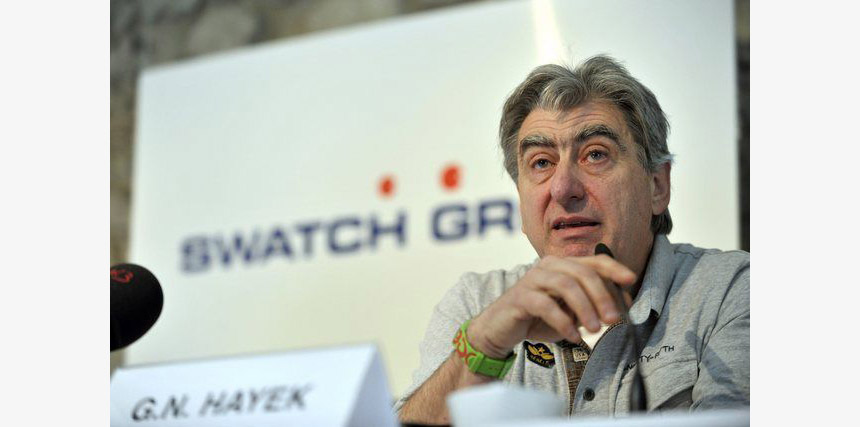
In parallel with these new financial instruments, the broader luxury watch industry continues to grapple with market performance and investor confidence. The recent exchange between the Swatch Group and Morgan Stanley, following the latter’s annual Swiss Watcher report, highlights the ongoing scrutiny of major players in the sector. The report, which analyzes the performance of Swiss watch brands, indicated a less than stellar year for Swatch Group’s brands in 2025. While the Swatch Group has disputed some of the report’s findings, the company’s reported net profit margin of 0.4% for 2025, as noted in Revolution magazine, suggests underlying financial challenges. This level of financial transparency, or lack thereof for privately held brands, makes detailed market analysis crucial, a task that prediction markets aim to enhance through data-driven insights.
Leadership’s Role in Brand Trajectory
The importance of strong leadership in navigating market challenges and driving brand success remains a constant theme. As Ariel Adams articulated in aBlogtoWatch, effective leadership can significantly impact a watch brand’s fortunes. Recent examples, such as the revitalization of Timex under Chief Creative Director Giorgio Galli and Parmigiani Fleurier’s catalog overhaul under CEO Guido Terreni, demonstrate the transformative power of strategic leadership. In contrast, the ongoing C-suite changes at TAG Heuer and Breitling’s reliance on limited edition releases suggest that inconsistent or uninspired leadership can hinder a brand’s progress. This internal brand health is a significant, albeit indirect, factor influencing the long-term value and market perception of the watches produced, thus impacting any prediction markets based on their future worth.
Swiss Watchmaking and Government Support
The Swiss watchmaking industry also continues to navigate the implications of government support programs. The "Reduction of Working Hours" (RHT) scheme, designed to maintain employment by subsidizing wages for reduced work hours, has been extended multiple times, with the current deadline looming in July. As reported by the Financial Times, the program’s extended duration, from the initial 12 months to 18 and then 24 months, raises questions about potential moral hazard. If the deadline is extended again, it suggests a continued reliance on government intervention, which could mask underlying economic vulnerabilities within the sector. The long-term sustainability of the Swiss watch industry may depend on its ability to adapt to market demands without perpetual reliance on such support.

Preservation of American Watchmaking Heritage
Beyond the realm of high finance and international markets, the preservation of historical industrial sites remains a pertinent issue. The ongoing efforts to save the former Timex headquarters building in Waterbury, Connecticut, as reported by the Hartford Courant, highlight the struggle to protect tangible symbols of American industrial heritage. The involvement of the Cultural Landscape Foundation signifies a growing recognition of the importance of these sites. The legal battles surrounding the development of the property, with activists challenging proposed demolition for distribution warehouses and the developer facing legislative and legal challenges, underscore the complex interplay between economic development, historical preservation, and community interests. The fate of this architectural icon, a testament to a bygone era of American watchmaking, remains uncertain as legal proceedings continue.
Bonus Reads: A Spectrum of Watch-Related News
In addition to these primary developments, the watch world continues to offer a diverse range of news. The collaboration between designer Marc Newson and vintage watch expert Eric Wind on a $22,000 hourglass, featured on Uncrate, showcases the intersection of design and horological passion, albeit at a premium price point. Grand Seiko’s announcement of baseball superstar Shohei Ohtani as a global ambassador, reported by Grand Seiko, places a significant watch-wearing personality at the forefront of a prestigious brand, recognizing the immense market influence of such figures. Finally, the Rolex Greenroom at the 2026 Oscars, covered by Professional Watches, underscores the enduring association between luxury watches and high-profile cultural events, offering a glimpse into the exclusive world of brand integration at prestigious ceremonies.