







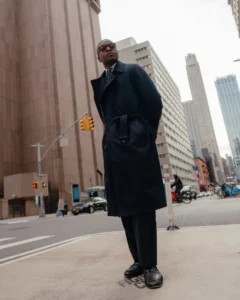



For nearly two decades, Berlin’s legendary nightlife has been synonymous with an austere, often intimidating, techno culture, characterized by all-black attire, industrial aesthetics, and notoriously strict door policies. Yet, a profound cultural shift is reshaping the city’s sonic landscape, moving away from this monochromatic dominance towards a more vibrant, inclusive, and upbeat electronic music scene. This evolution reflects not only a natural progression of musical tastes but also a broader societal yearning for positivity and connection in an increasingly complex world.
The Reign of Techno: A Legacy Challenged and Evolving
Since the fall of the Berlin Wall in 1989, Berlin rapidly cemented its reputation as the global capital of techno. The abundance of derelict industrial spaces, coupled with a newfound sense of freedom and hedonism in the reunited city, provided fertile ground for the genre to flourish. Clubs like Berghain, Tresor, and KitKat became international pilgrimage sites, drawing enthusiasts from across the globe eager to experience the raw, immersive power of trance-inducing beats that could extend for days. The aesthetic became iconic: minimalist, dark, and often serious, reflecting a deep commitment to the music and the unique communal experience of the dance floor. This cultural phenomenon was so significant that in 2023, Berlin’s techno scene was officially recognized by UNESCO as an intangible cultural heritage, a move intended to protect its unique character and secure vital funding amidst growing pressures.
However, beneath this celebrated surface, signs of strain have emerged. Recent years have seen a notable decline in techno tourism, with figures indicating a slowdown in international visitors primarily seeking the traditional techno experience. While precise recent tourism statistics for techno-specific travel are difficult to isolate, anecdotal evidence from club owners and promoters suggests a noticeable dip in the numbers of international visitors arriving solely for the traditional techno pilgrimage. The city has also witnessed an unprecedented rate of club closures, a trend exacerbated by rising rents, gentrification, and the lasting economic impact of the global pandemic. According to the Berlin Club Commission, over 100 clubs have closed in the past decade, with many citing increased operating costs and stringent regulations. For many within the scene, the UNESCO designation, while a prestigious acknowledgment, felt less like a celebration of a thriving culture and more like a desperate measure to preserve an endangered species, a "bandage rather than a crown" against an encroaching commercialization and a shifting cultural tide. This confluence of factors has created a fertile environment for alternative sounds and philosophies to take root and flourish.
Toy Tonics Leads the Charge: A New Paradigm of Inclusivity
At the forefront of this vibrant transformation is Toy Tonics, an eclectic Berlin-based house label that consciously positions itself in opposition to the established techno orthodoxy. Founded by Mathias Modica, known artistically as DJ and producer Kapote, the label champions a sound and an ethos diametrically opposed to the "cold mood" that has long governed electronic music and fashion in Berlin. Modica articulates this philosophy clearly: "We’re coming out of a decade in which a ‘cold mood’ was ruling in fashion and electronic music – dark sounds, black clothes, industrial aesthetics, and aloof behaviour came from the underground and became mainstream."

Toy Tonics’ mission, according to Modica, is to inject positivity and an open-minded attitude into a scene he felt had become "dark and monotone." This artistic rebellion is visually underscored by Modica himself, often seen sporting a bright blue cap emblazoned with "Fuck Bauhaus," a provocative rejection of what he terms "the old Gods of German rationality" – a reference to the austere, functionalist design movement that heavily influenced German aesthetics. Instead, Toy Tonics draws inspiration from figures like Andy Warhol, celebrated for his pop art and disruption of artistic norms, and the German artist Isa Genzken, known for her vibrant, often chaotic, sculptural assemblages. Modica speaks of celebrating "punks" who broke rules with a certain sprezzatura – an Italian concept denoting an ironic ease and a positive, open-minded approach that rejects rigid rules and restrictions. This philosophy encourages a playful disregard for conventional seriousness, fostering an environment where authenticity and joy take precedence.
The label’s commitment to this philosophy is evident in its prolific activity, having hosted no fewer than 190 lively parties in the past year alone. A recent event, the "Art Jam," at the newly-built Studio 1111 venue in Schöneberg during the Erster Mai (Labour Day) celebrations, offered a vivid illustration of this new paradigm. The atmosphere was a stark contrast to the often-austere queues of traditional techno clubs; the party spilled onto the streets, an impromptu hip-hop jam session unfolded with unknown local artists, and the doorperson was observed freestyling into a microphone rather than enforcing strict entry codes. Attendees, dressed in a kaleidoscopic array of styles – from camouflage to colourful prints – underscored a palpable freedom from the sartorial constraints often associated with Berlin’s club scene. This emphasis on inclusivity and uninhibited self-expression highlights Modica’s guiding principle: "Kindness is the new coolness."
The Social Undercurrent: Kindness in a Time of Global Anxieties
Modica connects this shift directly to broader societal anxieties. "In times where extreme right-wing politicians are known for their arrogance, and when we are surrounded by growing economic problems and new wars, it’s not the time to be cool and cold: it’s the time to be open and friendly," he explains. This sentiment resonates deeply with a younger generation, particularly Gen Z, who have come of age amidst a succession of global crises: a pandemic, failing political systems, the rise of hard-right ideologies, pervasive images of conflict, and the looming threats of climate change and artificial intelligence. For many, the unadulterated, escapist fun offered by more upbeat, "silly" music provides a crucial antidote to this pervasive bleakness.
This cultural phenomenon extends beyond Berlin. Observers of the global dance music scene have noted a broader shift towards "silly music," characterized by maximalist and meme-adjacent sonics. Once-maligned figures like "brostep" pioneer Skrillex are now seen as unlikely harbingers of this trend, with artists such as Underscores and Ninajirachi embodying this new drive towards playful, less serious electronic sounds. This artistic evolution is often interpreted as a collective psychological response, a craving for moments of unburdened joy and communal catharsis when the external world feels increasingly heavy. The demand for such alternatives to Berlin’s traditional techno scene is not merely a passing fad but a profound response to contemporary social and emotional needs.
A Historic Co-existence: Reclaiming Berlin’s Diverse Musical Roots
The notion that Berlin is moving away from techno does not necessarily imply a complete rejection of the genre, but rather a re-balancing and a rediscovery of its more diverse roots. As DJ Lovefoxy, known for her upbeat house and Detroit-style techno sets, points out, techno has historically co-existed with house in the city’s nightclubs. The perception of techno as a "stone-faced, leather-clad monolith" is a relatively recent development, solidifying primarily over the last 15 years as Berlin’s techno image became a global brand.

"In the 80s, it was more disco-house-y. Techno was definitely around but not to the extent that it [has been recently]," Lovefoxy explains, drawing on the insights of her mother, who opened one of Berlin’s first house and techno clubs in 1989, just prior to the fall of the Wall. This pre-Wall era, particularly in West Berlin, fostered a strong community spirit where the focus was on a "loose, fun approach to partying" rather than on headliners or strict dress codes. "People didn’t care about the headliners," she recalls, emphasizing a spontaneous and less commercialized scene. The contemporary emphasis on inclusivity and authenticity – "Come as you are, be as you are" – echoes these earlier, more open times, suggesting that the current "vibe shift" is, in many ways, a return to Berlin’s foundational principles of freedom and self-expression, predating the more rigid image that emerged with global techno tourism.
Implications for Berlin’s Nightlife Economy and Identity
The implications of this shift are multifaceted for Berlin’s cultural landscape and its economy. Economically, a diversification of Berlin’s nightlife offerings could help stabilize the struggling club scene, attracting a broader demographic of tourists and locals. While traditional techno tourism has shown signs of decline, a more varied appeal encompassing house, disco, and experimental electronic genres could invigorate the industry, fostering new venues and creative ventures beyond the established giants. This adaptability is crucial for the resilience of Berlin’s nightlife sector, which contributes significantly to the city’s cultural GDP and employment.
Culturally, this evolution challenges and enriches Berlin’s identity as a global music hub. It demonstrates the city’s capacity for reinvention, moving beyond a single dominant genre to embrace a more fluid and expansive musical landscape. This shift also reflects a broader global trend in electronic music towards genre-fluidity and an increased appreciation for diverse cultural influences, moving away from purist genre definitions. The city’s willingness to embrace this change reinforces its reputation as a dynamic and progressive cultural center.
The upcoming two-day takeover of Kraftwerk, a techno mecca housing Tresor, by Skrillex and other artists like Oxford DJ Hamdi (known for dubstep sonics) and Tokyo’s cloud-rap artist Tohji, serves as a potent symbol of this transformation. This event, hosted in one of the city’s most hallowed techno grounds, signals a profound change in wind, illustrating how even the heartlands of techno are opening up to a broader spectrum of electronic music. It is a strategic move that not only acknowledges the changing tastes of a younger audience but also aims to inject new energy and revenue into established venues by diversifying their programming.
Ultimately, this evolving narrative in Berlin’s nightlife underscores a fundamental human desire for acceptance and joy. Far from the stern-faced bouncers and mythical vibe codes that once gatekept entry, the emerging scene prioritizes genuine connection and uninhibited revelry. Whether it’s the diffusive afro-disco-house sets of Toy Tonics or the maximalist chaos championed by artists like Skrillex, the future of Berlin’s nightlife appears brighter, more colourful, and decidedly more welcoming. It’s a future where the doorperson might be too busy freestyling over a classic reggae tune in the smoking area to check an attendee’s outfit, embodying the very spirit of "kindness" that now defines Berlin’s vibrant new beat.