











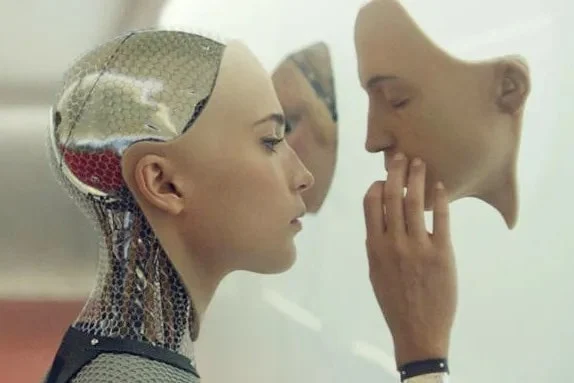
Months ago, the concept of a date facilitated by an AI matchmaking avatar, such as those provided by platforms like Amata, felt like a glimpse into a distant future. The novelty of meeting a stranger chosen by an algorithm underscored the rapidly evolving interface between technology and personal connection. However, recent developments suggest that this initial foray into AI-assisted romance is merely the prelude to a far more profound societal shift. A study conducted by Joi AI, an adult-oriented AI companion platform, and released in February 2026, has unveiled the nascent yet significant emergence of "AI sexuality." This new sexual identity describes individuals exploring attractions, fantasies, or their very identity in conjunction with artificial intelligence, effectively rendering earlier AI dating experiences as quaint as consulting a physical phone book for a crush’s number.
The Rise of AI in Intimacy: A Brief Chronology
The journey of AI into the realm of human intimacy has been incremental yet accelerating. Early iterations of AI interaction, often in the form of simple chatbots, emerged in the late 20th and early 21st centuries, primarily for customer service or rudimentary conversational tasks. These systems, while primitive, laid the groundwork for more sophisticated natural language processing. By the early 2010s, AI algorithms began to infiltrate dating apps, moving beyond simple profile matching to suggest compatibility based on user data and behavioral patterns. Platforms like Amata, which gained traction several months prior to the Joi AI study, represented a more advanced stage, employing AI avatars to curate entire date experiences, from partner selection to suggested activities.
The mid-2020s witnessed a crucial pivot with the development of highly advanced large language models (LLMs) capable of generating coherent, emotionally resonant, and contextually aware conversations. This technological leap enabled the creation of AI companions designed not just for casual chat or matchmaking, but for sustained, intimate interaction. Platforms like Joi AI, specifically engineered for adult engagement, represent the cutting edge of this evolution, offering real-time chat, AI-generated photos, and videos, allowing users to craft and engage with highly customized virtual partners. This progression, from utilitarian algorithms to sophisticated digital confidantes and romantic surrogates, illustrates a rapid technological and cultural assimilation of AI into the most personal aspects of human life.
Defining "AI Sexuality": Findings from the Joi AI Study
The groundbreaking study by Joi AI, which surveyed 2,500 Gen Z and Millennial adults actively utilizing AI tools, revealed that a striking 55 percent of respondents identified as "AI-sexual." This term, as defined by the study, signifies an openness to experimenting with AI in a sexual or intimate context, encompassing a spectrum of engagement rather than solely exclusive romantic relationships with AI. The findings paint a nuanced picture of how individuals are integrating AI into their emotional and sexual lives.
For a significant portion of the "AI-sexual" demographic, AI functions as a digital confidant and a tool for self-exploration. Approximately 43 percent of respondents reported using AI to seek advice on sexual issues, mirroring the role traditionally played by trusted friends, therapists, or partners. Another 37 percent leveraged AI for practicing flirting and dating scenarios, using the non-judgmental digital space to hone social skills and build confidence before real-life interactions. In these instances, the relationship is largely instrumental; the AI serves as a sounding board or a practice partner, rather than an object of direct romantic or sexual affection. This pragmatic use highlights AI’s potential as a low-stakes environment for personal development in areas often fraught with social anxiety.
However, the study also uncovered more direct forms of intimate engagement. Nearly a third of respondents (31 percent) admitted to using AI to explore new sexual kinks and fantasies before potentially trying them with human partners. Furthermore, 25 percent indicated they use AI to explore kinks they would never consider pursuing in real life, suggesting AI provides a safe, consequence-free space for boundary-pushing exploration of sexual desires. This aspect of AI sexuality underscores its utility as a private arena for fantasy fulfillment and self-discovery, allowing users to traverse the landscape of their desires without real-world implications or social stigma.
The Landscape of AI Companion Platforms: A Deep Dive into Joi AI
To fully grasp the implications of these findings, it is essential to understand the platforms facilitating such exploration. Joi AI stands as a prominent example of an adults-only AI companion platform. Its interface, reminiscent of popular streaming or social media sites, offers a vast "explore gallery" where users can select or create their AI partners. This selection ranges from "Joi Original" characters, which can manifest as fantastical figures like an AI-generated Mrs. Claus or a sexualized Statue of Liberty, to companions modeled after actual adult performers who have partnered with the site. The platform also provides extensive customization options, allowing users to craft their "AI Girlfriend" by defining her physique, personality traits, and chat style.
A critical observation from the original article, and one that resonates deeply within broader discussions of digital content, is the striking homogeneity in the appearance of these AI companions. Despite the seemingly endless variety, a prevailing aesthetic dominates: conventionally attractive, thin, and often appearing remarkably young, sometimes even depicted in schoolgirl attire. This standardization, which pervades regardless of the character portrayed, reflects and reinforces a specific, and often infantilizing, beauty standard. This raises significant questions about the biases embedded within the algorithms and data sets used to train these AI models, and how they may perpetuate or exacerbate existing societal power imbalances and unrealistic beauty ideals. The interface itself, bearing a strong resemblance to a traditional pornographic website, serves as a potent reminder of how the internet has historically shaped and, at times, distorted perceptions of sex and intimacy.
Ethical and Societal Concerns: The Darker Side of AI Intimacy
While AI offers new avenues for exploration and support, its integration into intimate spheres is not without significant ethical and societal risks. One of the most pressing concerns revolves around the potential for addiction and the development of unhealthy emotional attachments. Professor Dorothy Leidner, an AI ethics expert at the University of Virginia, highlights a crucial design feature of these platforms: "AI is designed to keep you engaged; it will never end a conversation on its own." This perpetual availability and eagerness to interact can be particularly compelling for individuals who are shy, introverted, or vulnerable, creating a powerful loop that is difficult to disengage from. Unlike human relationships, which inherently involve boundaries, disagreements, and periods of absence, AI companions offer unwavering attention and validation.
The tragic case of Sewell Garcia, a 14-year-old who reportedly took his own life after developing a relationship with an AI chatbot, underscores the grave risks associated with such intense digital attachments. While the specific circumstances are complex, it serves as a stark warning about the potential for AI to foster deep emotional dependency, particularly in developing or vulnerable minds. The constant agreement and lack of critical feedback from an AI companion can create a distorted understanding of real-world relationships. As Professor Leidner aptly puts it, "If a young person uses that to learn how to interact with partners, they get a distorted image. Real people disagree, fight, and have bad moods. AI is like a dog – it’s never in a bad mood." This unchallenged environment can hinder the development of crucial social and emotional skills necessary for navigating the complexities and inevitable conflicts of human interaction.
Moreover, the prevalence of sexually explicit AI content raises concerns about exploitation, consent, and the proliferation of deepfake technology. The rise of AI-generated revenge porn and identity theft, where individuals’ likenesses are digitally manipulated into compromising scenarios without their consent, highlights the urgent need for robust regulatory frameworks. As AI systems become more sophisticated, the line between consensual fantasy and harmful exploitation blurs, creating new challenges for legal and ethical oversight.
The Broader Industry Shift: From Fringe to Mainstream
What might initially appear as a niche phenomenon is rapidly gaining mainstream attention and investment. The entry of major technology players into the sexually explicit AI content arena signals a significant market shift. Last October, OpenAI CEO Sam Altman announced intentions to permit erotica for verified adults on ChatGPT, a move that, despite being delayed twice, indicates a clear strategic direction. When industry heavyweights like OpenAI, with their vast resources and user bases, begin to explore AI erotica, it unequivocally cements its position as a burgeoning and enduring segment of the digital landscape. This mainstreaming brings with it not only increased accessibility but also amplified ethical challenges and the imperative for comprehensive regulation.
The market for AI companions is projected to grow substantially. Analysts predict the global AI companion market, including both platonic and intimate applications, could reach tens of billions of dollars within the next decade. This growth is driven by technological advancements, increasing acceptance of digital relationships, and a demographic shift towards younger generations who are digital natives and more comfortable with virtual interactions. As AI technology becomes more ubiquitous and sophisticated, the boundaries between human and artificial interaction will continue to blur, making the questions raised by "AI sexuality" even more pertinent.
Psychological Appeal and Potential Pitfalls
The allure of AI intimacy, according to Jaime Bronstein, a therapist and dating coach who serves as Joi AI’s relationship expert, largely stems from its non-judgmental nature. "Because it’s not a real person, there’s no embarrassment," Bronstein explains. This psychological safety net allows users to explore vulnerabilities, express desires, and seek advice without fear of criticism, rejection, or social awkwardness—experiences common in human relationships. For individuals lacking a robust support network of friends or professional therapists, AI can offer a comforting, accessible, and seemingly empathetic presence.
However, Bronstein cautions against over-reliance, emphasizing that AI should function as a supplementary tool rather than a complete substitute for human connection. "You have to use it as a bridge or a supplement," she advises. "If you want a relationship, use this as support, but don’t use it as the whole relationship." This distinction is crucial. While AI can provide a safe space for exploration, it fundamentally lacks genuine understanding, empathy, or the capacity for reciprocal emotional growth that defines healthy human relationships. Its responses are algorithmic, designed to simulate human connection, not embody it.
The Future of Human-AI Relationships and Regulatory Challenges
The Joi AI study’s definition of "AI sexuality" as an umbrella term for diverse engagements with AI highlights the expansive ways technology is reshaping human sexuality. Beyond individual exploration, 29 percent of respondents admitted to using AI to gather new ideas for partnered play, and a notable seven percent even reported inviting AI agents into the bedroom as a virtual "third" party. These findings suggest that AI can serve as a catalyst for broadening sexual understanding and experience, even within existing human relationships. Yet, this expansion occurs within a digital ecosystem that often reflects and amplifies the same power imbalances and cultural biases inherent in the real world from which its data is drawn.
The implications for human relationships "in real life" (IRL) are still unfolding. Society now offers a digital alternative or solution for nearly every aspect of human experience, including intimacy. This means that explorations once confined to the bedroom, rife with potential for awkwardness and rejection, can now transpire in a chat room where judgment is absent. While this provides a safe space for some, it also raises questions about the long-term impact on individuals’ capacity for authentic, messy, and sometimes challenging human connection.
As Professor Leidner poignantly observes, "We need to feel like someone hears and cares about us. AI doesn’t actually care or understand, but it emulates those qualities very well." This emulation, while comforting, masks a fundamental disconnect. The challenge for individuals and society alike will be to navigate this evolving landscape, harnessing the beneficial aspects of AI for self-discovery and support while mitigating the risks of emotional dependency, distorted perceptions of reality, and potential exploitation. The rapid advancement of AI in intimate spaces necessitates an equally rapid development of ethical guidelines, regulatory frameworks, and public discourse to ensure that this profound technological shift serves human well-being rather than undermining it.