







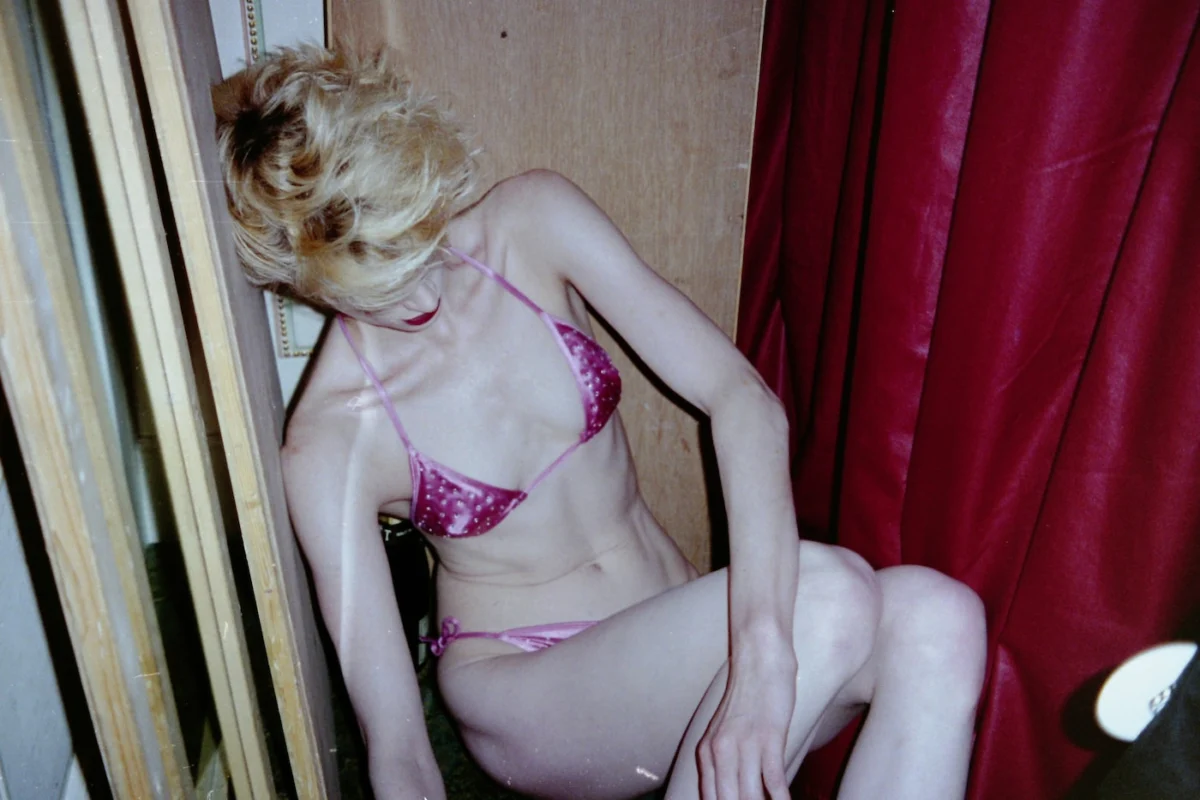
A groundbreaking exhibition at Berlin’s prestigious auction house Grisebach is currently unveiling a vast, previously unseen photographic archive captured by the late Angelica Blechschmidt, the influential former editor-in-chief of German Vogue. Titled "Angelica Blechschmidt – In The Archives," the exhibition offers an intimate and unfiltered look at the backstage world of 1990s fashion, presenting a unique historical document that predates the ubiquitous presence of digital cameras and social media. The collection, which includes candid moments featuring icons like Kate Moss, Donatella Versace, and Karl Lagerfeld, serves as a poignant reminder of an era defined by its raw energy and genuine creative exchange, contrasting sharply with the meticulously curated imagery prevalent in today’s fashion landscape.
A Glimpse Behind the Velvet Rope: The Genesis of an Extraordinary Archive
The genesis of this remarkable exhibition lies in a personal legacy. Following Blechschmidt’s passing in 2018, her close friend and former stylist, Kirsten Landwehr, inherited an astounding collection of over 180,000 photographic negatives. These negatives, stored outside Berlin, represented a lifetime of diligent, almost clandestine, documentation. Landwehr, faced with this monumental trove, began the arduous process of cataloging and preserving Blechschmidt’s work. During the global pandemic, a period that prompted many to reflect on legacy and digital presence, Landwehr launched the Instagram account @archiveangelicablechschmidt, providing the first public glimpse into Blechschmidt’s unseen world.
The account quickly garnered significant attention, attracting fashion enthusiasts and industry insiders alike. It was through this digital outreach that fashion editor Alexandra Bondi de Antoni connected with Landwehr, initiating a collaboration that would ultimately lead to the Grisebach exhibition. "Kirsten and Angelica were friends," explains Bondi de Antoni. "After Angelica’s death in 2018, Kirsten inherited over 180,000 negatives and picked them up with a truck from outside of Berlin. During the pandemic, she started the IG account @archiveangelicablechschmidt. I joined a few years ago, after sliding into her DMs asking if we could work together." This partnership, along with the expertise of Grisebach curator Dr. Anna Ballestrem, brought the extensive collection to a wider audience, culminating in what is now the largest solo exhibition of Blechschmidt’s photography. The collaboration with Grisebach was a deliberate choice, as Bondi de Antoni notes, "We have deliberately chosen to cooperate with Grisebach because we share a commitment to quality and a love for unusual photography as a historical document."
Angelica Blechschmidt: Editor, Visionary, and Chronicler of Her Time
Angelica Blechschmidt’s career was marked by a distinct vision that extended far beyond the conventional confines of fashion. As editor-in-chief of German Vogue, a position she held for many years, she redefined the publication’s scope, blending high fashion with lifestyle features and engaging with pressing social and political issues of her time, including poverty and climate change. Her editorial approach was holistic, recognizing fashion not as an isolated industry but as an integral part of broader cultural and societal narratives. This perspective permeated her personal photographic practice, where she sought to capture the authentic, unvarnished moments that truly encapsulated the rhythm and spirit of the fashion world.
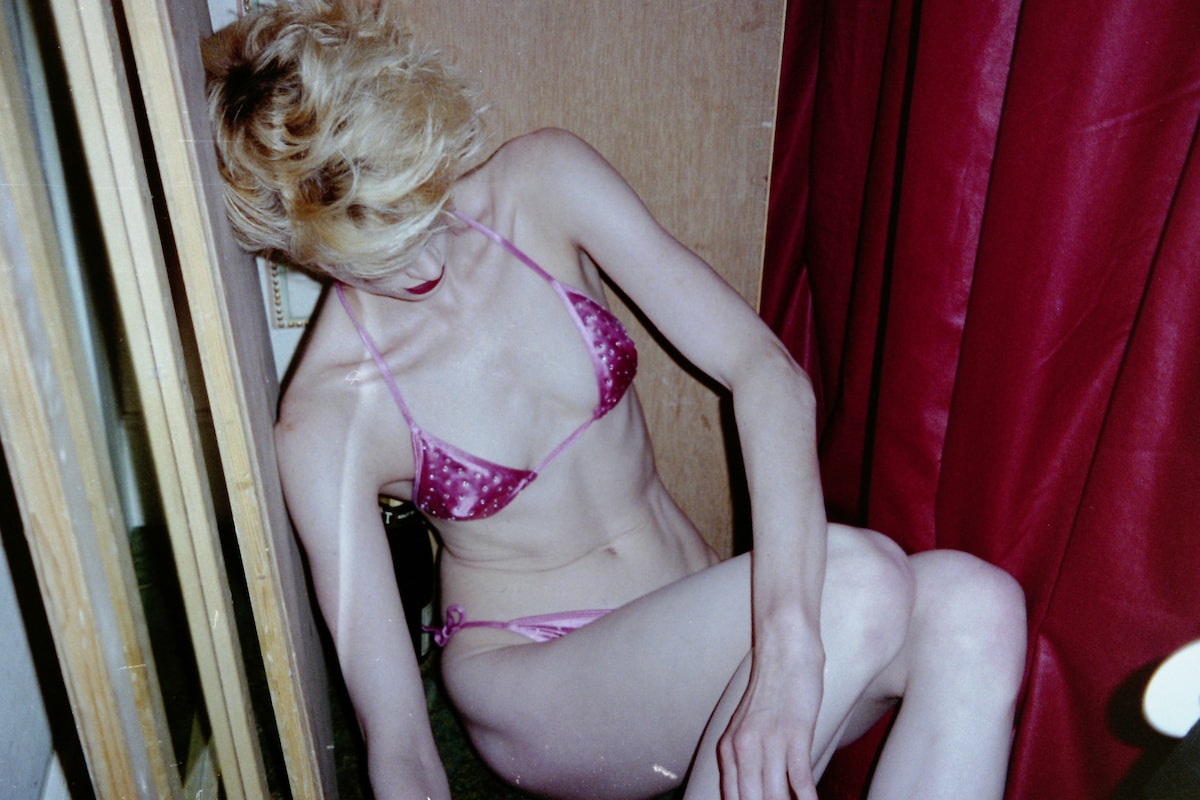
Blechschmidt was also an early and ardent champion of emerging talent. She notably supported avant-garde designers such as Helmut Lang and Jil Sander, whose minimalist and deconstructed aesthetics would come to define much of 1990s fashion. Her keen eye for innovation and her willingness to feature designers who challenged the status quo solidified her reputation as an integral figure in Berlin’s dynamic cultural scene. Her philosophy regarding photography was best articulated in an editor’s note from Vogue Germany’s January 1994 edition: "I am fascinated by the fractions of a second that seem so accidental, yet are as typical, unique, and revealing as a fingerprint." This statement serves as a perfect encapsulation of the exhibition’s core essence, highlighting her dedication to capturing the genuine, fleeting moments that reveal deeper truths about her subjects and their environment.
The Unfiltered Nineties: A Pivotal Era in Fashion History
The 1990s represented a transformative period in fashion, marked by a seismic shift from the opulent excess of the 1980s to a more diverse and often contradictory aesthetic. It was an era that embraced minimalism, grunge, deconstruction, and a burgeoning streetwear influence, all while celebrating the phenomenon of the "supermodel." Blechschmidt’s archive offers a rare, intimate window into this pivotal decade, capturing the behind-the-scenes energy that shaped its iconic runway moments.
The exhibition features an impressive roster of figures who defined the era. Supermodels such as Kate Moss, whose waifish aesthetic challenged traditional notions of beauty, Shalom Harlow, known for her captivating presence, and Kristen McMenamy, celebrated for her distinctive androgynous look, are seen in moments of vulnerability and camaraderie. These images show them not as untouchable goddesses, but as working professionals, often caught between takes, in fittings, or sharing a laugh. Beyond the models, the archive immortalizes leading designers like Donatella Versace, who inherited the formidable legacy of her brother Gianni, and the legendary Karl Lagerfeld, whose boundless creativity revitalized Chanel. Giorgio Armani, a pioneer of elegant minimalism, is also present, alongside influential Vogue editors like the flamboyant Anna Piaggi, the impeccably styled Hamish Bowles, and the visionary Grace Coddington, whose creative direction has shaped countless iconic fashion editorials. Isabella Blow, the eccentric and influential fashion editor and muse, also makes an appearance, underscoring Blechschmidt’s access to the innermost circles of the industry.
One particularly significant photograph captures Tom Ford backstage at his Autumn/Winter 1995 collection for Gucci. This collection was a watershed moment, often credited with single-handedly reviving the then-ailing Italian luxury house. Ford’s sensual, 70s-inspired designs, marked by sleek silhouettes and provocative advertising, ushered in a new era of "porno chic" and redefined luxury for the modern age. Blechschmidt’s image provides a rare glimpse of Ford in the crucial moments before a show that would forever alter the trajectory of Gucci and cement his status as a design superstar. These photographs collectively serve as an invaluable historical record, illustrating the dynamics, personalities, and creative processes that characterized this seminal decade.
The Analog Advantage: Capturing Authenticity in a Pre-Digital Age
A defining characteristic of Blechschmidt’s archive is her choice of equipment: a tiny Olympus film camera. In an era long before smartphones became ubiquitous documentation tools, this unassuming camera allowed her to capture moments with an unparalleled degree of intimacy and discretion. Unlike the professional photographers positioned at the end of the runway, or the later proliferation of digital cameras that often signalled a more performative interaction, Blechschmidt’s compact film camera facilitated a more natural, less self-conscious capture of reality.
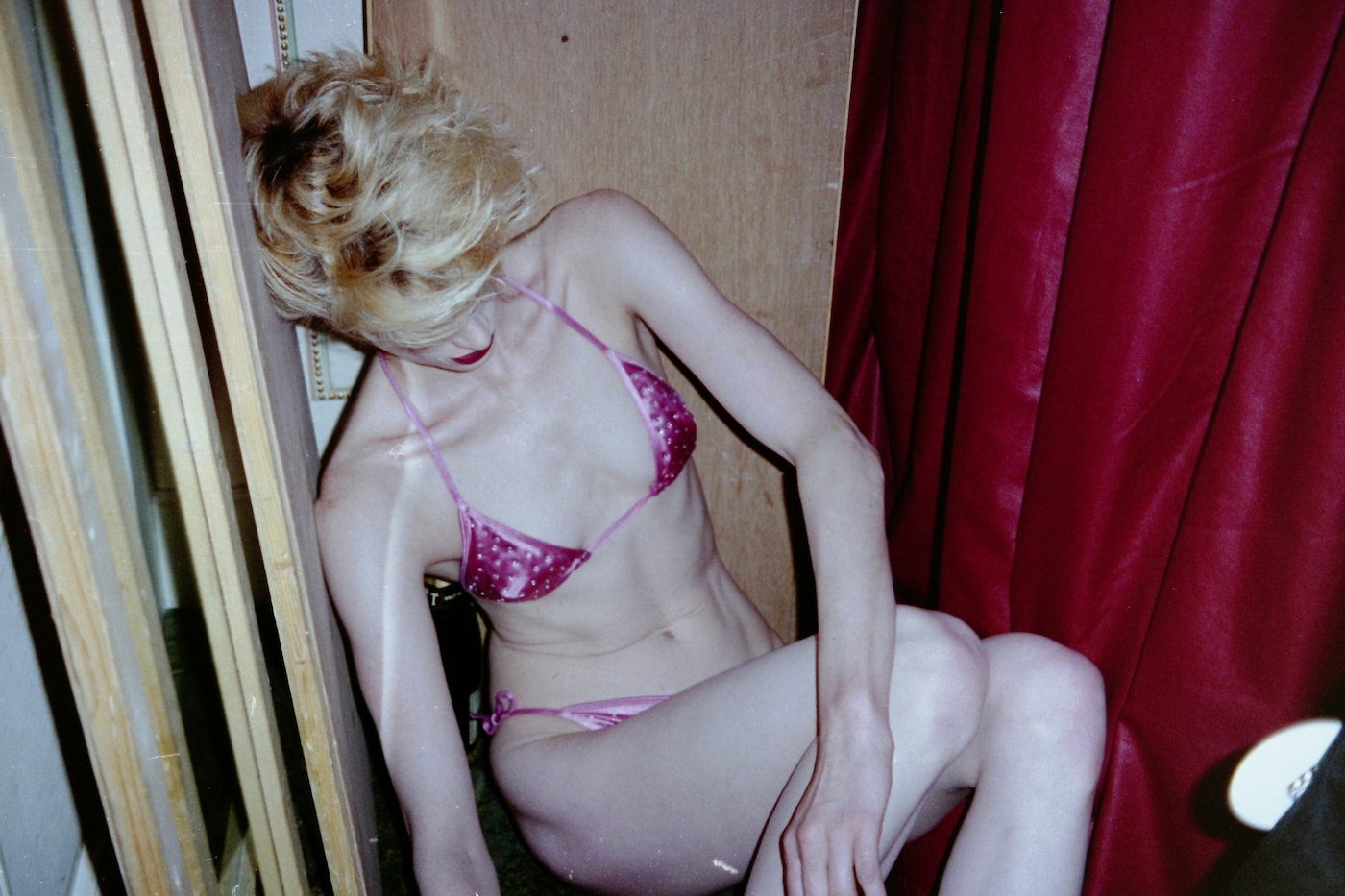
The use of film itself imbues the images with a particular aesthetic and historical weight. Each click of the shutter was a deliberate act, devoid of the instant gratification and endless retakes afforded by digital photography. This process fostered a sense of patience and careful observation, resulting in photographs that feel less staged and more authentically observed. The "in-between moments" she sought—the hurried adjustments, the shared glances, the quiet contemplation, the bursts of laughter—were often the very fractions of seconds that revealed the human element behind the glamorous façade. This analog approach highlights a stark contrast with contemporary fashion documentation, where every backstage interaction is potentially "content," often meticulously choreographed for social media consumption, blurring the lines between genuine authenticity and constructed virality. Blechschmidt’s work stands as a testament to the power of discreet, analog observation in preserving a truer, more candid historical record.
Curatorial Vision and Exhibition Impact
The curation of "Angelica Blechschmidt – In The Archives" by Kirsten Landwehr, Alexandra Bondi de Antoni, and Dr. Anna Ballestrem reflects a profound understanding of Blechschmidt’s legacy and the historical significance of her photographic work. While a selection of Blechschmidt’s photos was previously featured in a 2021 exhibition curated by supermodel Claudia Schiffer on 90s fashion photography at Kunstpalast Düsseldorf, the Grisebach show marks her first and largest dedicated solo exhibition. This distinction elevates her work from mere historical artifact to a recognized body of artistic and journalistic photography.
The decision to partner with Grisebach, a renowned auction house specializing in fine art and photography, underscores the curators’ belief in the artistic merit and historical value of Blechschmidt’s images. Their shared commitment to "quality and a love for unusual photography as a historical document" ensures that the archive is presented within a context that emphasizes its artistic integrity and its contribution to the broader discourse of photographic history. The exhibition is not merely a collection of nostalgic images; it is a meticulously organized presentation that highlights Blechschmidt’s unique eye, her consistent thematic focus, and her profound influence on how fashion was documented and understood.
Beyond the Runway: Human Connection and Creative Exchange
Blechschmidt’s photographs eloquently argue that fashion is far more than the sum of its finished collections or polished campaigns. It is, at its heart, a human endeavor defined by collaboration, community, and countless everyday experiences. Her images capture the palpable energy of a bustling backstage environment: hair and makeup artists working feverishly, stylists making last-minute adjustments, designers anxiously observing their creations, and models transitioning between roles, from poised professionals to young individuals sharing a fleeting moment of joy or exhaustion.
These candid snapshots reveal the unspoken bonds and shared passion that fuel the creative process. They show instances of genuine camaraderie among models, the intense focus of a designer, or the spontaneous laughter shared between industry stalwarts. In a sense, Blechschmidt stripped away the performative layers, offering viewers a privileged glimpse into the raw, often chaotic, yet deeply human heart of the fashion industry. This focus on human connection and creative exchange reminds us that the enduring power of fashion lies not just in the garments themselves, but in the collective efforts, personalities, and relationships that bring them to life.

A Timeless Lesson for the Digital Age
In an era dominated by rapid trend cycles, instant gratification, and the meticulously constructed realities of social media, Angelica Blechschmidt’s archive holds a particularly resonant significance. Today, "backstage moments" are frequently repackaged as carefully curated content, designed for maximum engagement and virality. The line between genuine documentation and manufactured authenticity has become increasingly blurred, with every interaction potentially becoming a performance for the camera.
Blechschmidt’s work stands in stark contrast to this modern paradigm. Her "fractions of seconds" were captured without the intention of immediate public dissemination or viral fame. They were the result of patient observation and a deep understanding of her subjects, preserved on film as genuine historical documents. Viewed today, these photographs offer a powerful reminder of the importance of slowing down, observing closely, and valuing authentic interactions. They underscore the enduring power of photography to preserve a timeless visual history, prioritizing genuine creative exchange, human connection, and the unseen details that have, in retrospect, profoundly reshaped the fashion industry. The exhibition not only celebrates Blechschmidt’s extraordinary talent but also prompts a critical reflection on how we consume and document fashion in the digital age, advocating for a return to the value of genuine, unfiltered moments.
"Angelica Blechschmidt – In The Archives" is on display at Grisebach in Berlin until July 16, 2026.