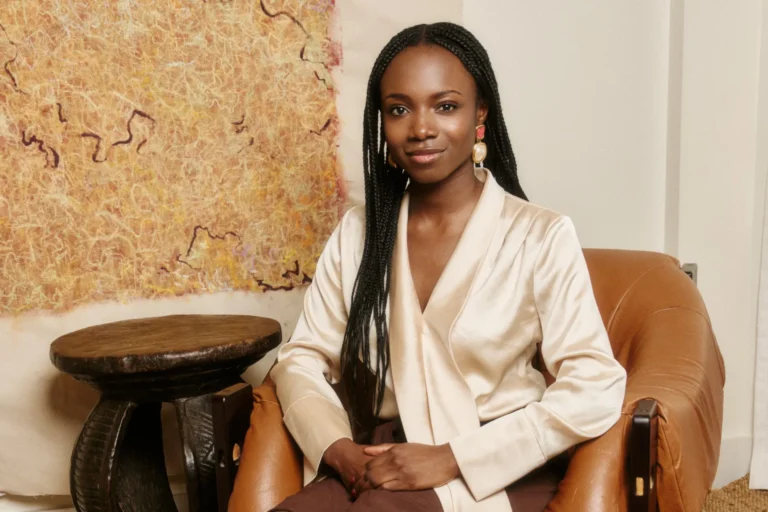




The intersection of generative artificial intelligence and the global fashion industry reached a significant milestone today with the announcement that Alta, an AI-driven personal styling platform, has closed an $11 million seed funding round. Led by Menlo Ventures, the investment signals a growing confidence in agentic AI solutions designed to solve the perennial consumer challenge of wardrobe management and personalized commerce. Founded by 28-year-old Jenny Wang, a Harvard-trained engineer and former technology investor, Alta aims to move beyond simple search-based shopping by providing a comprehensive digital styling agent that accounts for a user’s specific budget, lifestyle, local weather patterns, and personal calendar.
The successful funding round arrives at a pivotal moment for the retail sector, which has struggled to integrate high-level personalization into the digital shopping experience. While previous attempts at digital "closet assistants" often fell short due to technical limitations in image processing and predictive modeling, the recent maturation of large language models (LLMs) and diffusion-based image generation has provided the necessary infrastructure for Alta to realize its vision. The company’s primary offering functions as both a personal shopper and a virtual wardrobe consultant, allowing users to visualize outfits on personalized digital avatars before making purchase decisions or selecting their attire for the day.
The Evolution of the Digital Closet
The concept of a computerized wardrobe assistant has been a fixture in popular culture since the 1995 film "Clueless," which featured a primitive interface for outfit selection. For decades, the fashion-tech industry has attempted to replicate this "Cher Horowitz" experience, but most predecessors were hampered by the manual labor required for data entry and the lack of sophisticated visual rendering. Jenny Wang noted that she had explored similar concepts in the past, but the underlying technology—specifically in the realms of computer vision and generative AI—was not yet capable of providing a seamless user experience.
Alta’s platform utilizes a multi-modal approach to digitizing the user’s wardrobe. Consumers can populate their virtual closets by uploading photographs of their garments, forwarding digital purchase receipts, or selecting items from Alta’s extensive existing database of retail products. Once a closet is digitized, the AI agent can suggest combinations that the user may not have considered, integrating items already owned with potential new purchases. This "mix-and-match" capability is designed to increase the utility of existing wardrobes while reducing the likelihood of "regret purchases" that do not align with a user’s current inventory.
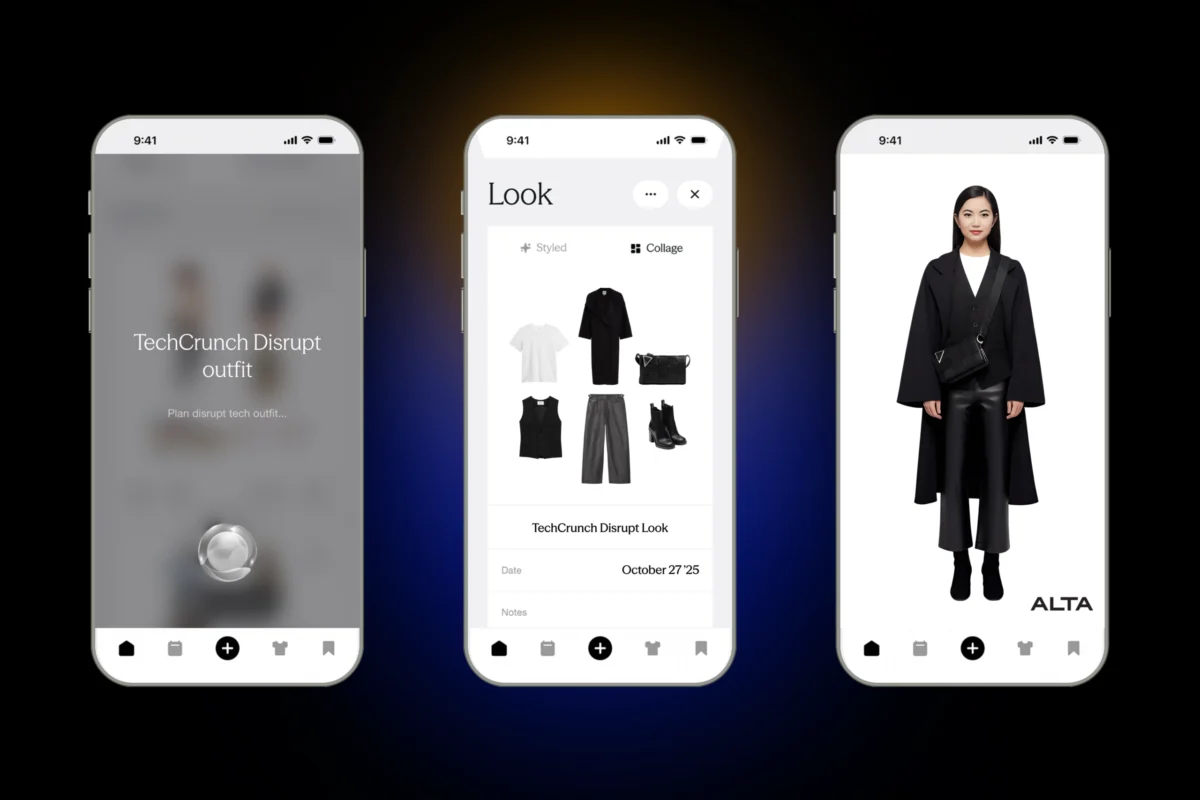
The platform’s utility extends into contextual styling. For instance, a user preparing for a professional conference can prompt the AI to suggest outfits suitable for the event’s dress code, the specific climate of the host city, and the user’s scheduled activities. The AI then generates a lookbook of options, which the user can "try on" via their virtual avatar, providing a realistic representation of fit and aesthetic harmony.
Strategic Investment and Industry Backing
The $11 million seed round reflects a unique synthesis of Silicon Valley venture capital and the traditional fashion establishment. Beyond the lead investment from Menlo Ventures, the round saw participation from Aglaé Ventures, the investment firm backed by the Arnault family, who control the LVMH luxury conglomerate. This connection provides Alta with a direct line to the highest echelons of the global fashion market.
The investor roster also includes:
- Benchstrength: A venture firm known for its focus on consumer-facing technology.
- Phenomenal Ventures: Founded by Meena Harris, focusing on impactful consumer brands.
- Anthology Fund: The venture arm of Anthropic, emphasizing the application of advanced AI models.
- Prominent Angels: The round was bolstered by figures such as DoorDash CEO Tony Xu, Poshmark CEO Manish Chandra, and Rent the Runway co-founder Jenny Fleiss. High-profile figures from the fashion world, including supermodels Karlie Kloss and Jasmine Tookes, also participated, highlighting the platform’s appeal to industry insiders.
Wang’s ability to secure such a diverse group of backers is attributed to her extensive background in both engineering and the investment landscape. Her career trajectory includes a technical education at Harvard, an internship at DoorDash, and roles within investment firms where she served as a technical advisor to various brands. This dual expertise allowed her to navigate the fundraising process with a focus on "alignment," ensuring that her investors brought both capital and deep domain expertise in retail, logistics, and AI research.
Human Expertise in the Age of Algorithms
One of the distinguishing factors of Alta’s development is its reliance on human expertise to refine its algorithmic outputs. To ensure the AI’s recommendations remain sophisticated and fashion-forward, Wang enlisted Meredith Koop, famously known as the longtime stylist for former First Lady Michelle Obama. Koop’s involvement was instrumental in training the AI models, moving beyond simple color-matching to incorporate nuanced principles of silhouette, occasion-appropriateness, and seasonal trends.
This hybrid approach addresses a common criticism of AI in creative fields: that algorithms often produce "average" or "generic" results. By ingesting the logic and aesthetic sensibilities of professional stylists, Alta aims to offer a premium service that feels more like a human interaction than a database query. Wang continues to lead the technical development, stating that she remains actively involved in coding and refining the in-house models based on community feedback.
Global Expansion and Strategic Partnerships
While Alta is currently focused on the North American market, its roadmap includes aggressive international expansion. The company has already relocated its primary operations from San Francisco to New York City, positioning itself at the heart of the American fashion industry. Wang cited the proximity to European fashion hubs as a strategic advantage, particularly as the company leverages its relationship with LVMH and European tech influencers like Zita d’Hauteville to grow its footprint in Paris and beyond.
On the partnership front, Alta has secured a significant collaboration with the Council of Fashion Designers of America (CFDA). This partnership will introduce Alta’s technology to the CFDA’s extensive membership base, which includes the most prominent designers in the United States. Furthermore, the company is collaborating with Marie Kondo, the world-renowned organizing consultant, to facilitate its expansion into Oceania and the Pacific regions. This partnership highlights Alta’s broader mission: it is not just a shopping tool, but a tool for organization and intentional consumption.
Market Analysis and the Future of AI in Fashion
The launch of Alta comes at a time when the "Personalized AI" market is projected to grow exponentially. According to recent market research, the global AI in fashion market is expected to reach a valuation of over $15 billion by 2030, driven by the demand for virtual try-on solutions and personalized styling. Consumers are increasingly fatigued by the "infinite scroll" of traditional e-commerce sites like Google Shopping or Pinterest, where the burden of choice remains entirely on the individual.
Alta represents a shift toward "agentic" commerce—a model where the AI does not just provide options but acts as a proactive assistant. This shift has several implications for the broader retail ecosystem:
- Sustainability: By helping users better utilize the clothes they already own, Alta could potentially slow the cycle of fast fashion and reduce textile waste.
- Reduced Returns: Virtual try-on technology is a critical tool for lowering the high return rates that plague online retail, which currently cost the industry billions of dollars annually in logistics and lost inventory.
- Data-Driven Design: The aggregate data from Alta’s users could provide retailers with unprecedented insights into what consumers actually have in their closets, allowing for more precise inventory planning and design.
However, the path forward is not without challenges. Competitors like Whering and Cladwell are also vying for dominance in the digital wardrobe space, and tech giants like Google and Amazon continue to invest heavily in their own AI styling capabilities. Alta’s success will likely depend on its ability to maintain a superior user interface and the continued refinement of its proprietary models to ensure they remain more accurate and "stylish" than general-purpose AI.
Conclusion
The $11 million seed funding for Alta marks a significant vote of maternal confidence in the potential for generative AI to reshape the most personal aspects of daily life. By combining the technical rigor of a Harvard engineer with the aesthetic intuition of world-class stylists, Jenny Wang is attempting to build the definitive "operating system" for the modern wardrobe. As the company scales its team and continues its research and development, the focus will remain on bridging the gap between the digital and physical closets, turning a long-held cinematic fantasy into a functional utility for the global consumer.
With the support of the CFDA, LVMH-backed investors, and a team that is "fashion-obsessed" yet "highly technical," Alta is positioned to lead the next wave of consumer technology in the fashion capital of the world. As the company prepares to partner with retailers worldwide, the retail industry will be watching closely to see if AI can finally solve the age-old dilemma of "having a closet full of clothes but nothing to wear."