









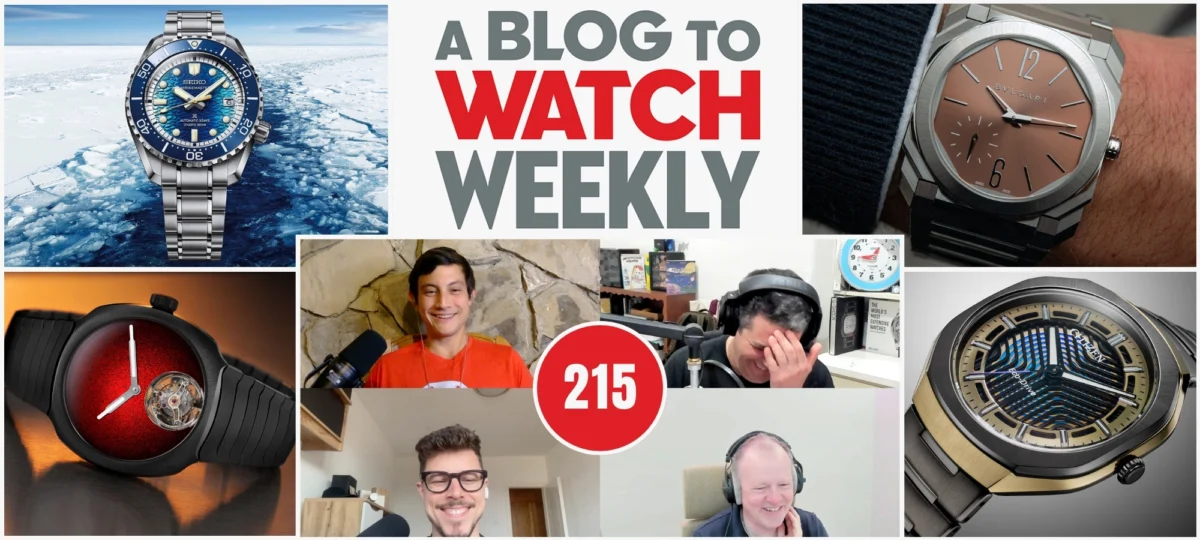
This week on aBlogtoWatch Weekly, the podcast’s hosts – Rick, Ariel, David, and Ripley – delved into a critical and increasingly relevant topic: the growing chasm between public perception and the actual state of the watch industry. The discussion centered on how the proliferation of market noise and often misleading data can create a distorted picture, suggesting a more dramatic downturn or boom than reality might warrant. Ariel, in particular, voiced strong reservations about the prevailing obsession with secondary market valuations and investor-driven narratives, contending that a truly comprehensive understanding of the industry’s health requires a far more nuanced approach than a few headline-grabbing metrics can provide. The conversation also explored the perennial question of whether watch enthusiasts should even concern themselves with the business intricacies of the horological world, or if their focus should remain solely on the timepieces themselves. Throughout the episode, the panel navigated the complexities of modern watch collecting, the impact of media-driven hype cycles, and the ease with which narratives can become detached from factual grounding when data is incomplete or selectively presented.
The Data Divide: Unpacking the Misleading Narratives
The core of the episode’s debate revolved around the disconnect between readily available data, often amplified by online discussions and news cycles, and the underlying realities of the watch market. While metrics like resale values of certain popular models or the performance of high-end brands might suggest a booming or collapsing market, the hosts argued that these indicators often fail to capture the full spectrum of the industry.
For instance, the secondary market, while a significant facet of watch ownership and collecting, represents a specific segment. A surge in the resale value of a limited-edition steel sports watch from a highly sought-after brand, while notable, does not necessarily reflect the sales performance of entry-level quartz watches, the stability of independent brands, or the production challenges faced by many manufacturers. Data from industry analytics firms, such as Morgan Stanley’s annual reports on the luxury watch market, often highlights these complexities. Their reports, which typically analyze brand performance, sales channels, and consumer trends, frequently point to a market that, while subject to fluctuations, remains robust in its core segments, driven by genuine passion rather than purely speculative investment. The hosts suggested that focusing solely on these speculative elements can obscure the true drivers of the industry: craftsmanship, heritage, design innovation, and the enduring appeal of mechanical watchmaking.
The Allure and Peril of Secondary Market Obsession
Ariel’s critique of the secondary market fixation underscored a prevalent trend: the transformation of watches from personal adornments and expressions of craftsmanship into speculative assets. This shift, she argued, can lead to an unhealthy focus on short-term gains and a distorted view of value. When a watch’s primary perceived worth becomes its resale potential, the intrinsic qualities—the engineering, the finishing, the historical significance—can be sidelined. This can also create a barrier to entry for new enthusiasts, who may be priced out of desirable models by investors or collectors solely focused on flipping.
The proliferation of online platforms dedicated to the buying and selling of pre-owned watches has undoubtedly democratized access to some extent, but it has also amplified the price-driven narrative. The constant stream of "grail watch" auctions, "flipping" success stories, and discussions about depreciation or appreciation can overshadow the more fundamental aspects of watch appreciation. This creates a feedback loop where perceived value, driven by speculative interest, can influence actual demand, further complicating the assessment of the market’s true health.
Enthusiast Engagement: Business or Passion?
The podcast then ventured into a philosophical debate: should watch enthusiasts concern themselves with the business side of the industry, or should they remain solely focused on the passion for watches themselves? Ripley, for example, might argue that understanding the market dynamics, the economic pressures on brands, and the influence of conglomerates can enhance an enthusiast’s appreciation for the watches they collect. Knowing the challenges a brand faces in bringing a complex movement to market, or the strategic decisions behind a new release, can add layers of context to the ownership experience.

Conversely, Ariel’s perspective suggests that an overemphasis on business can detract from the pure joy of horology. The argument is that if the focus shifts from the artistry and engineering to the investment potential or the latest quarterly earnings report, the very essence of why many fell in love with watches in the first place – their mechanical marvel, their aesthetic beauty, their historical narrative – can be lost. This dichotomy highlights a generational divide or a philosophical divergence within the watch community itself, with some embracing the analytical and economic aspects, while others champion a purer, passion-driven approach.
When the Rules Break: The Infamous Seiko Segment
The episode’s narrative took a characteristically unexpected turn with a segment dedicated to Seiko pricing, which, as the hosts humorously admitted, descended into chaos. This particular segment is a recurring favorite on aBlogtoWatch Weekly, often involving structured discussions or debates that inevitably veer off course due to the hosts’ dynamic personalities and differing viewpoints. In this instance, Ariel reportedly "broke the rules of the game," effectively derailing a planned discussion in real time. While the specifics of this disruption were not detailed in the provided text, it serves as a microcosm of the show’s appeal: a blend of informed discussion, genuine passion, and an unscripted, often hilarious, spontaneity. Such moments, while seemingly minor, highlight the informal and engaging nature of the podcast, which resonates with listeners who appreciate authentic conversations over overly polished presentations. This unpredictability is a hallmark of the show, reflecting the sometimes chaotic, yet always fascinating, nature of the watch world itself.
Navigating Hype Cycles and Incomplete Data
The discussion about media-driven hype cycles and the impact of incomplete data is particularly pertinent in the digital age. Social media platforms and online watch forums can amplify trends and create perceived demand that may not be sustainable. A watch that garners significant online attention can experience a surge in interest and, consequently, in secondary market prices. However, this can be a fleeting phenomenon, driven more by algorithmically amplified visibility than by intrinsic merit or long-term desirability.
The hosts’ concern about narratives spiraling out of control when data is incomplete is a valid observation. In the absence of comprehensive and transparent industry-wide sales figures, or detailed breakdowns of production costs versus retail prices, enthusiasts are often left to piece together information from various, sometimes conflicting, sources. This can lead to the formation of strong opinions based on limited evidence, contributing to the very "noise" the hosts sought to dissect. For example, the widely reported increase in Swiss watch exports in recent years, while generally positive, masks significant variations in performance across different brands and price segments. A brand experiencing robust growth in its entry-level offerings might be overlooked in favor of discussions about the stratospheric prices of ultra-luxury independents, creating a skewed perception of the market’s overall trajectory.
The Broader Implications for the Watch World
The implications of this perception-versus-reality debate extend beyond the immediate confines of the podcast. For brands, it raises questions about how they communicate their value and engage with their audience. Are they catering to the speculative investor, the passionate collector, or the casual admirer? For consumers, it underscores the importance of critical thinking and a discerning approach to information. Relying solely on secondary market trends or sensationalized headlines can lead to misinformed purchasing decisions and a distorted understanding of the watch market.
Ultimately, the conversation on aBlogtoWatch Weekly serves as a timely reminder that the watch industry, like any complex market, is multifaceted. While headlines and trending topics often capture the public’s attention, a deeper understanding requires looking beyond the superficial. The hosts’ willingness to engage with these complex issues, even when it leads to lively debate and unexpected detours, reinforces their commitment to providing authentic and insightful conversations for the watch community. The episode concluded by posing a fundamental question that resonates with many in the horological sphere: are enthusiasts collectively overthinking the watch world, or are they simply analyzing the wrong aspects, thereby missing the true story behind the dials and movements they so admire? This ongoing dialogue is crucial for fostering a more informed and balanced appreciation of horology.