




The spring 2026 art season unfurls as a compelling global dialogue, with artists worldwide turning their discerning gaze towards the intricate systems that define contemporary existence. From the foundational structures of land and labor to the complex interplay of memory, identity, and resistance, this stellar line-up of exhibitions deftly navigates the space between the intimate personal experience and the expansive societal framework. Across a rich tapestry of mediums—from painting and photography to video art, sound installations, and mixed-media works—a shared impulse emerges: to delve beneath superficial narratives and uncover the latent forces at play. These exhibitions, far from offering simplistic resolutions, courageously embrace ambiguity, celebrate contradiction, and illuminate the fertile ground from which new possibilities might arise.
Unearthing Contemporary Realities: A Thematic Overview
The curatorial vision uniting this season’s offerings is remarkably cohesive, even across diverse geographic locations and artistic practices. A predominant theme is the rigorous examination of power structures, both visible and invisible, that shape human lives and environments. Artists are dissecting economic systems (capitalism, industrial farming), social constructs (identity, gender, sexuality), historical legacies (colonialism, migration), and the very act of cultural archiving.
The interplay between the individual and the collective is a recurring motif. Many artists explore how personal narratives—family histories, queer experiences, cultural heritage—are inextricably linked to broader socio-political landscapes. There is a palpable sense of urgency in these works, reflecting current global challenges such as climate change, social inequality, and the evolving nature of community in a digital age. The choice of mediums often mirrors this complexity, with artists employing innovative approaches to documentation, storytelling, and sensory engagement, pushing the boundaries of traditional exhibition formats. This period marks a significant moment for critical reflection within the art world, as artists continue to challenge viewers to confront uncomfortable truths and imagine alternative futures.
A Global Canvas: Exhibitions Across Continents
The geographical spread of these exhibitions underscores the global nature of contemporary artistic inquiry, with major cities serving as pivotal nodes for cultural exchange and critical discourse.
Europe’s Artistic Hubs
Paris: Echoes of History and Youth
In Paris, Mohamed Saïd Chair: Out of the Shadows at AFIKARIS (March 14 – May 9, 2026) presents a powerful series by the Tangier-based artist. Chair’s work stages Moroccan youth with a dramatic intensity reminiscent of European history paintings, drawing parallels to masters like Géricault, Caravaggio, and Delacroix. This deliberate echoing of historical art forms imbues his contemporary subjects with a timeless gravitas. By intentionally obscuring the faces of his subjects, Chair shifts the narrative burden onto their bodies, allowing posture, gesture, and composition to convey a potent sense of anticipation and vulnerability. The works evoke an ever-present feeling that something significant, perhaps even volatile, is on the cusp of unfolding, inviting viewers to project their own understanding onto these deliberately veiled narratives of youth and societal pressure. The exhibition challenges conventional portraiture, offering a nuanced commentary on representation and the untold stories within a rapidly changing society.
London’s Dynamic Spring Program
London emerges as a particularly vibrant center this spring, hosting a multitude of significant exhibitions.
-
Group Exhibitions Highlighting Collective Visions:
- Global Pulse (Vol. 2) at Brunswick Art Gallery continues its exploration of the contemporary moment. Following its successful Miami debut, the London iteration, curated by Dez Amakye, serves as a collective snapshot, deliberately shunning a singular narrative thread. Instead, it offers a diverse and expansive vision of "the now," spanning explorations of urban life, ritual, unrest, and intimacy. This exhibition acts as a barometer of global anxieties and aspirations, reflecting the multifaceted experiences of individuals within an interconnected world. The curatorial choice to avoid a monolithic theme allows for a rich interplay of perspectives, fostering a more inclusive and representative dialogue about the present.
- The Many Within Her II returns to Gillian Jason Gallery (April 2 – May 16, 2026), reinforcing its commitment to exploring the complexities of womanhood. This second iteration maintains its tight focus on womanhood as a concept that is multiple, unstable, and perpetually under construction. Bringing together a multigenerational and international group of artists, including Jess Cochrane, Holly Rollins, Sara Berman, and Jingyi Li, the show actively resists fixed narratives and the notion of a singular "female experience." Instead, it champions identity as something lived, negotiated, and profoundly culturally specific, contributing to an ongoing critical discourse on feminist art and intersectional identities.
- Gesture and Being at Saatchi Gallery (February 18 – March 30, 2026) spotlights six emerging painters fresh from the Royal College of Art (RCA) and Slade School of Fine Art. This exhibition pushes figuration beyond stable representation, venturing into a more fluid and ambiguous territory. The featured artists—Mia Wilkinson, Qian Zhong, Katja Farin, Anna Curzon Price, Poppy Critchlow, and Gala Hills—present bodies that stretch, fragment, and perform, never quite settling into fixed forms. This collective exploration of the body as a site of constant transformation reflects a contemporary artistic interest in fluidity, psychological states, and the performative aspects of identity.
-
Individual Artist Spotlights in London:
- Zoe Williams: Dirty at Nicoletti (March 6 – April 18, 2026) delves into the unsettling aspects of consumption. British artist Zoe Williams pushes material fetishism past the point of comfort, exploring substances like butter, cake, satin, and bronze. Her works transform these often-seductive materials from soft and perishable states into hardened, monumental forms. What begins as an alluring visual experience quickly curdles into something else: food rots into spectacle, touch morphs into rupture, and excess devolves into waste. Drawing on Georges Bataille’s concept of "expenditure"—the non-productive use of resources—Williams exposes capitalism not as a clean, efficient system, but as something viscous, erotic, and inherently unstable, challenging viewers to confront the dark underbelly of consumer desire.
- Gary Lee Boas: Celebrity Skin at Tate Modern (April 15 – September 21, 2026) offers a unique historical lens on fame. Shot in the vibrant slipstream of 1970s and 80s New York, Boas’s photographs capture a pivotal moment when celebrity still felt tangible and accessible. Crucially, Boas was not a paparazzi; he was a fan with a camera, blurring the lines between admirer and documentarian. His resulting images deftly straddle devotion and intrusion, intimacy and projection, tracing a culture on the cusp of a significant shift, just before celebrity access became almost impossible in the digital age. This exhibition provides a poignant archive of an era, offering insights into the evolving relationship between the public and their idols.
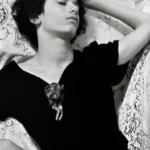
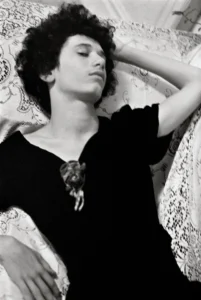
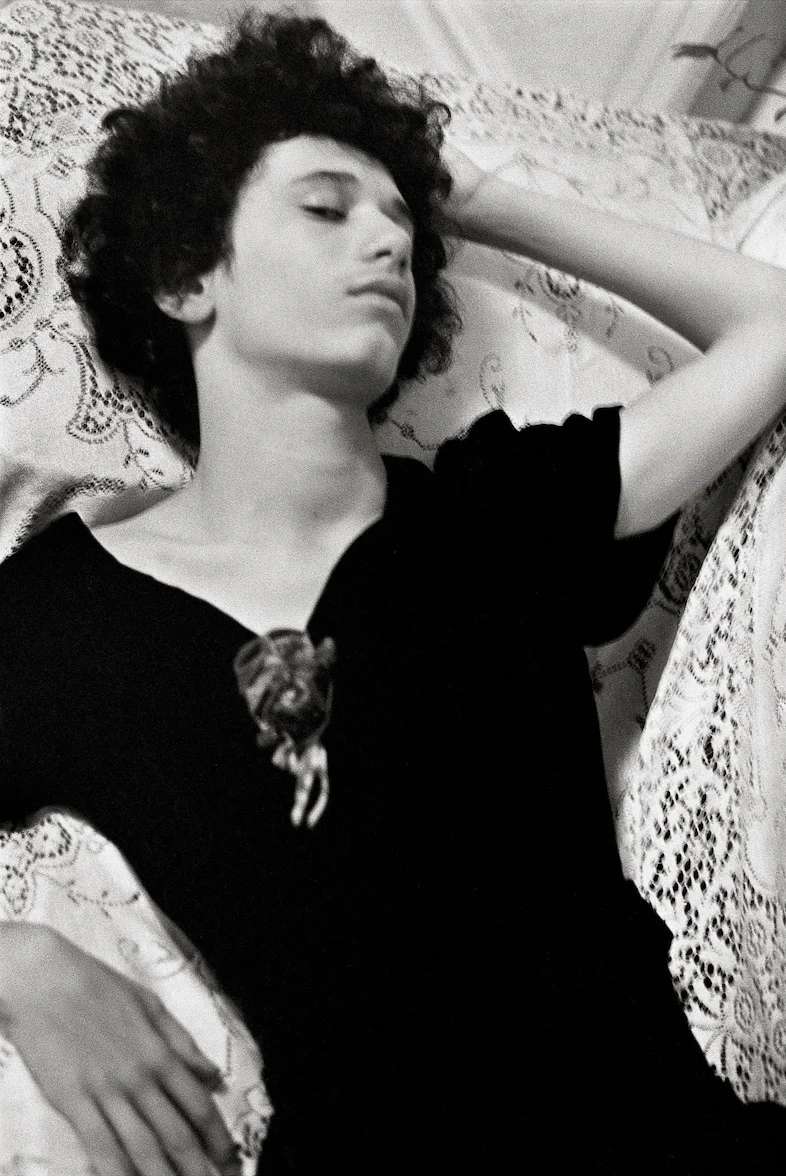
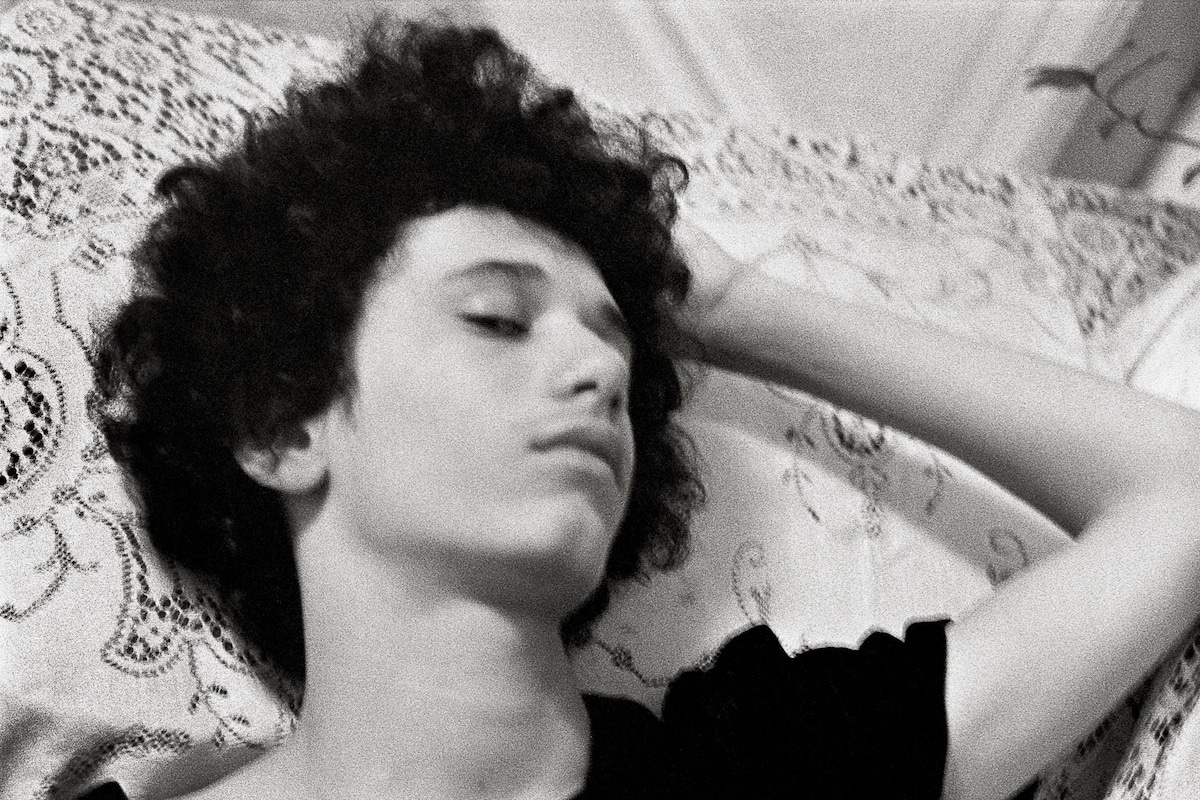
- Donna Gottschalk and Hélène Giannecchini: We Others at The Photographers’ Gallery (March 6 – June 7, 2026) creates a compelling intergenerational dialogue. The exhibition pairs Donna Gottschalk’s intimate photographs of queer life from the 1960s onwards with newly commissioned texts by Hélène Giannecchini. Gottschalk’s images, predominantly depicting her own friends and lovers, capture moments of profound care, restorative rest, and defiant resistance within the queer community. Giannecchini’s accompanying texts weave a contemporary commentary, bridging decades and offering new layers of interpretation to Gottschalk’s seminal work. This collaboration highlights the enduring power of community, love, and resilience in the face of societal challenges, offering a vital historical and contemporary perspective on queer identity.
- Nhu Xuan Hua: Of Walking on Fire at Autograph (April 16 – September 19, 2026) presents a deeply personal exploration of heritage and memory. Rooted in her French-Vietnamese background, Hua meticulously works through the gaps in her family history, resisting the urge to fill them with definitive answers. Her approach acknowledges the power of what remains unsaid. Presented alongside evocative trinkets, objects, and flower vases arranged on ornamental shelves, Hua destabilizes her family archive through blurred, distorted, and reimagined images. This exhibition invites viewers to contemplate how personal histories are constructed, fragmented, and reinterpreted across generations, often shaped by silence as much as by explicit narratives.
- Ain Bailey: The Jamaica Project at Camden Art Centre (April 10 – June 14, 2026) unfolds as a rich sonic and visual journey. London-based composer, artist, and DJ Ain Bailey anchors this immersive exhibition in a trilogy of films, tracing memory, family, and place. Moving from archival fragments to a newly commissioned work filmed in Jamaica, the exhibition documents the artist’s first visit to her mother’s homeland. Bailey’s interdisciplinary practice weaves together soundscapes, moving image, and personal narrative to explore themes of diaspora, belonging, and the intricate ways in which ancestral connections shape individual identity.
- Zahra Malkani: Noorani Metal Sound at Auto Italia (March 27 – June 21, 2026) immerses visitors in a powerful sonic environment. Pakistani interdisciplinary artist and researcher Zahra Malkani crafts a space that functions simultaneously as shrine and archive. Combining sculpture and moving image with field recordings from Pakistan’s coastal regions, Malkani creates a dense, multi-layered soundscape. These recordings capture a spectrum of human expression—lullabies, war cries, and mourning rituals—offering a profound auditory journey into the cultural fabric and emotional landscape of a specific geography. The exhibition explores the intangible heritage embedded within sound and its capacity to evoke memory, history, and collective experience.
- Dean Sameshima: Wonderland (1995–97) at Soft Opening (March 27 – May 23, 2026) offers a poignant map of queer life in Los Angeles during the AIDS crisis. Sameshima’s images meticulously document the facades of bathhouses, cruising grounds, and "tea rooms"—spaces that were vital yet often clandestine. The power of this series lies in what is not explicit; people are intentionally left out of the frame. Instead, Sameshima shifts attention to the spaces themselves, highlighting how these venues operated in plain sight while simultaneously existing under a necessary cover of disguise. The exhibition serves as a powerful historical document, speaking volumes through its eloquent omissions and underscoring the resilience and vulnerability of queer communities during a period of immense challenge.
The Netherlands: Tending to Joy and Identity
In Amsterdam, Watering a Black Garden at OSCAM (March 6 – May 6, 2026) brings together eight women and non-binary cross-disciplinary artists from across the African diaspora, including Ufuoma Essi, Shaniqwa Jarvis, Aline Motta, and Bernice Mulenga. This exhibition provocatively reframes joy as a form of labor—something that requires active tending, cultivation, and protection. Through diverse artistic expressions, the show foregrounds themes of presence, healing, and connection, offering a counter-narrative to often-prevalent depictions of trauma within diaspora experiences. It celebrates the act of nurturing one’s inner world and community as a radical act of resistance and self-preservation.
Greece: A Post-War Voice Re-emerges
Athens hosts a significant retrospective, Niki Kanagini: An Ode to Things at EMST (April 2 – November 8, 2026). This long-overdue exhibition reintroduces Niki Kanagini as a key voice in post-war Greek art. Spanning four decades of her prolific career, the show traces her artistic evolution from tapestry to installation art. Kanagini’s enduring obsession with objects as carriers of memory, gendered experience, and lived history is central to her practice. The retrospective offers a comprehensive look at an artist who consistently explored the symbolic weight of everyday items, transforming them into profound reflections on human existence and societal structures in post-war Greece.
Spain: Nightlife and Community Documented
Ibiza’s In Between Ibiza gallery presents A Shot in the Dark (April 17 – May 8, 2026), showcasing the work of Australian photographer @capturecharles. Renowned for his ability to translate "moments of chaos into deliberate composition," Charles has built a captivating document of global nightlife, from local dancefloors to international club circuits. Shot on film, his images capture the raw energy, sweat, and moments of stillness that define these communal spaces. The exhibition functions as a vibrant archive of celebration, community, and connection, reflecting the ephemeral yet profound human interactions that unfold within the nocturnal realm.
North America: Archiving and Reflecting
New York: The Digital and the Institutional
In Brooklyn, New York, C.A.V.E. hosts Nihaal Faizal: (video art) (until April 11, 2026). Curated by Ben Broome, this innovative exhibition reimagines a YouTube playlist as a formal gallery presentation. Bangalore-based artist Nihaal Faizal gathers over 200 self-shot video recordings of seminal art installations from around the world. These selections, purely "motivated by (Faizal’s) fandom," become a loose, living archive of some of the world’s most prestigious artists and their works. Installed in a Greenpoint storefront, the exhibition’s proximity to the very institutions and galleries where these works were originally filmed adds a layer of critical commentary. It serves as both a testament to Faizal’s personal fascination and a vital educational archive, particularly for those excluded by the traditional, often inaccessible, art world. This exhibition highlights the democratizing potential of digital media and challenges conventional notions of art documentation and access.
Underlying Currents: Themes and Methodologies
The collective impact of these exhibitions is to paint a vivid picture of contemporary concerns and artistic responses. Several key thematic and methodological currents emerge as central to this season’s discourse.
The Politics of Land and Labor: Rehana Zaman’s Plantation at Site Gallery, Sheffield, UK (February 20 – May 17, 2026) offers a searing indictment of the quiet violence embedded within industrial farming. Moving between Scotland and Pakistan, Zaman meticulously traces the lives of migrant workers, sharecroppers, and day laborers who sustain these systems built on extraction. Her work interweaves moments of intimacy with scenes of collective resistance, forming an immersive landscape where time fluidly shifts between documentary, memory, and myth. Zaman’s profound inquiry asks what it means to live and work within structures that relentlessly deplete both the land and the human body, providing a powerful commentary on global supply chains, ecological degradation, and labor exploitation.
Reimagining Identity and Representation: This season sees a robust exploration of identity in its myriad forms. Watering a Black Garden in Amsterdam, The Many Within Her II in London, and Gottschalk and Giannecchini’s We Others all contribute to a rich tapestry of intersectional and culturally specific identities. From celebrating joy as a radical act for the African diaspora to deconstructing fixed narratives of womanhood, and archiving queer life with tenderness and defiance, these exhibitions collectively challenge monolithic representations and champion the multiplicity of human experience. Mohamed Saïd Chair’s focus on Moroccan youth further amplifies this, presenting a generation grappling with identity amidst historical echoes.
Memory, Archive, and the Unspoken: Several artists engage deeply with the nature of memory and archives, both personal and collective. Nhu Xuan Hua’s Of Walking on Fire meticulously navigates family history through its deliberate gaps, suggesting that what is unspoken can be as potent as what is revealed. Ain Bailey’s The Jamaica Project similarly mines personal and familial archives to construct a sonic and visual journey into heritage and belonging. Zahra Malkani’s Noorani Metal Sound transforms field recordings into an immersive archive of cultural memory, while Nihaal Faizal’s (video art) challenges the very notion of institutional archives by creating a fan-driven, digital alternative. These works collectively underscore the fluid, subjective, and often contested nature of historical record.
Critique of Consumer Culture: Zoe Williams’s Dirty stands out as a potent critique of contemporary consumerism. By pushing materials like butter and cake to their grotesque extremes, Williams exposes the seductive yet ultimately corrupting nature of excess. Her work, drawing from Bataille, positions capitalism not as a benign economic system but as a force that is both alluring and fundamentally unstable, leaving behind a trail of waste and dis-ease. This analysis resonates deeply in a world grappling with overconsumption and its environmental consequences.
The Shifting Nature of Fame and Access: Gary Lee Boas’s Celebrity Skin provides a fascinating historical counterpoint to today’s hyper-mediated world. His intimate photographs from 70s and 80s New York document a time when celebrity was more accessible, captured through the lens of a fan rather than a professional paparazzo. This exhibition implicitly questions how the digital age has transformed our relationship with fame, making it both more pervasive and paradoxically more distant, as mediated by carefully curated public images.
Looking Ahead: A Season of Reflection and Engagement
As this extraordinary spring season unfolds, it promises to be a period of profound reflection and vigorous engagement. The artists featured across these international venues collectively invite viewers to look beyond the surface, to question established systems, and to consider the intricate ways in which individual lives are shaped by larger societal forces. From the intimate exploration of personal heritage to expansive critiques of global capitalism, these exhibitions offer diverse perspectives and challenging insights. By embracing ambiguity and contradiction, they not only mirror the complexities of our current moment but also illuminate the potential for new understandings and alternative futures to emerge. This season underscores the enduring power of art to provoke thought, foster empathy, and inspire dialogue across cultures and communities, making it an essential destination for anyone seeking to understand the currents shaping the world now.
Exhibition Details: A Chronological Guide (March – November 2026)
- Gesture and Being
- Artists: Mia Wilkinson, Qian Zhong, Katja Farin, Anna Curzon Price, Poppy Critchlow, Gala Hills
- Location: Saatchi Gallery, London, UK
- Dates: February 18 – March 30, 2026
- Rehana Zaman: Plantation
- Artist: Rehana Zaman
- Location: Site Gallery, Sheffield, UK
- Dates: February 20 – May 17, 2026
- Zoe Williams: Dirty
- Artist: Zoe Williams
- Location: NÄCOLETTi, London, UK
- Dates: March 6 – April 18, 2026
- Watering a Black Garden
- Artists: Ufuoma Essi, Shaniqwa Jarvis, Aline Motta, Bernice Mulenga, and more
- Location: OSCAM, Amsterdam, Netherlands
- Dates: March 6 – May 6, 2026
- Donna Gottschalk and Hélène Giannecchini: We Others
- Artists: Donna Gottschalk and Hélène Giannecchini
- Location: The Photographers’ Gallery, London, UK
- Dates: March 6 – June 7, 2026
- Mohamed Saïd Chair: Out of the Shadows
- Artist: Mohamed Saïd Chair
- Location: AFIKARIS, Paris, France
- Dates: March 14 – May 9, 2026
- Zahra Malkani: Noorani Metal Sound
- Artist: Zahra Malkani
- Location: Auto Italia, London, UK
- Dates: March 27 – June 21, 2026
- Dean Sameshima: Wonderland (1995–97)
- Artist: Dean Sameshima
- Location: Soft Opening, London, UK
- Dates: March 27 – May 23, 2026
- Nihaal Faizal: (video art)
- Artist: Nihaal Faizal (curated by Ben Broome)
- Location: C.A.V.E., Brooklyn, New York, USA
- Dates: Until April 11, 2026
- The Many Within Her II
- Artists: Jess Cochrane, Holly Rollins, Sara Berman, Jingyi Li, amongst others
- Location: Gillian Jason Gallery, London, UK
- Dates: April 2 – May 16, 2026
- Niki Kanagini: An Ode to Things
- Artist: Niki Kanagini
- Location: EMST, Athens, Greece
- Dates: April 2 – November 8, 2026
- Ain Bailey: The Jamaica Project
- Artist: Ain Bailey
- Location: Camden Art Centre, London, UK
- Dates: April 10 – June 14, 2026
- Gary Lee Boas: Celebrity Skin
- Artist: Gary Lee Boas
- Location: Tate Modern, London, UK
- Dates: April 15 – September 21, 2026
- Nhu Xuan Hua: Of Walking on Fire
- Artist: Nhu Xuan Hua
- Location: Autograph, London, UK
- Dates: April 16 – September 19, 2026
- A Shot in the Dark
- Artist: @capturecharles
- Location: In Between Ibiza, Spain
- Dates: April 17 – May 8, 2026
- Global Pulse (Vol. 2)
- Curator: Dez Amakye
- Location: Brunswick Art Gallery, London, UK
- Dates: (Specific dates not provided, but indicated as part of spring line-up)