








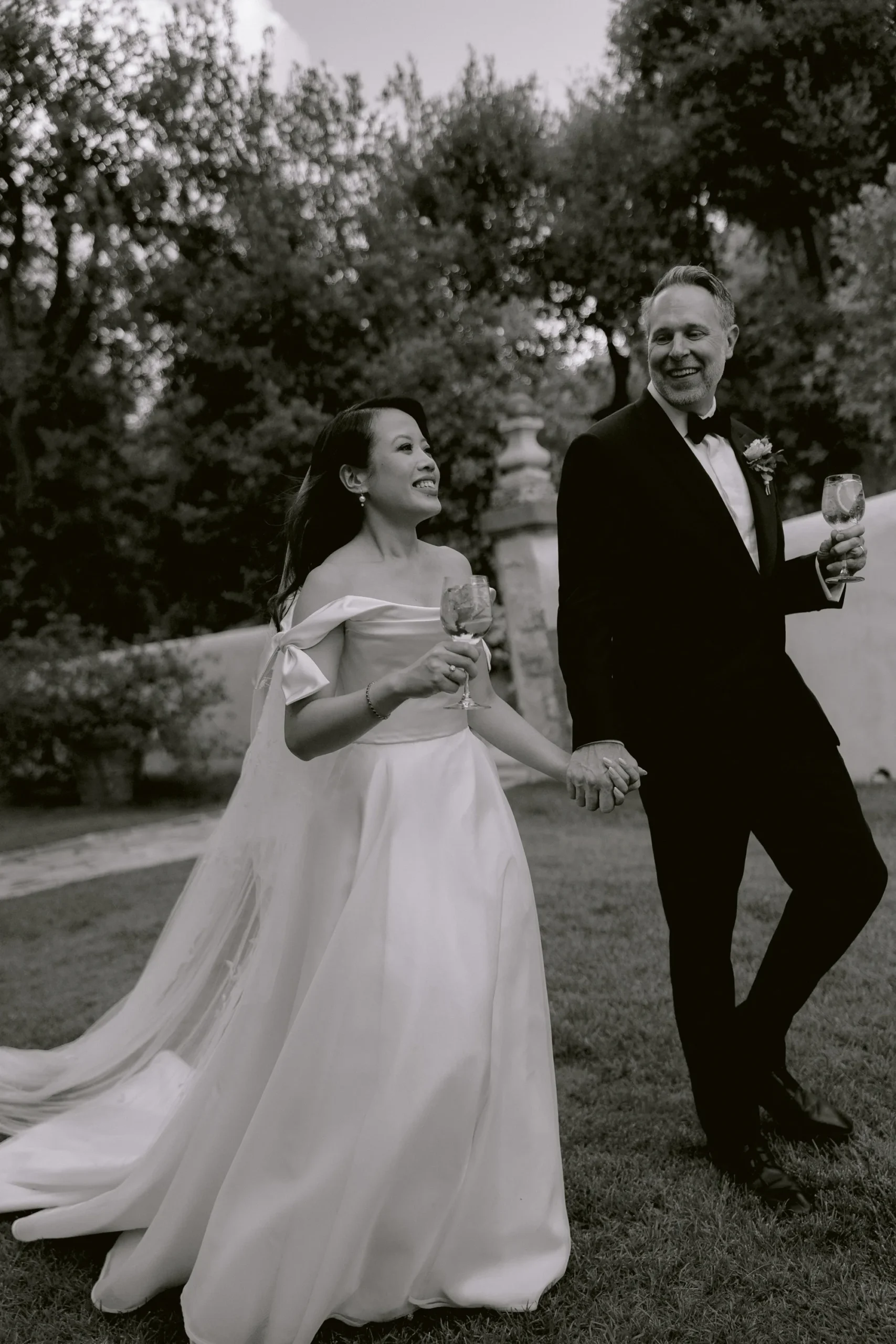
The historic hills of Settignano, overlooking the city of Florence, served as the setting for the June nuptials of Katie and Jamie, an event that combined high-fashion logistics, cross-cultural heritage, and sixteenth-century architectural grandeur. The ceremony took place at Villa Gamberaia, a premier Italian estate renowned for its unique water parterre and terraced gardens. This event highlights a growing trend in the luxury destination wedding market, where couples prioritize historical authenticity and bespoke craftsmanship over traditional local ceremonies.
The Historical Significance of Villa Gamberaia
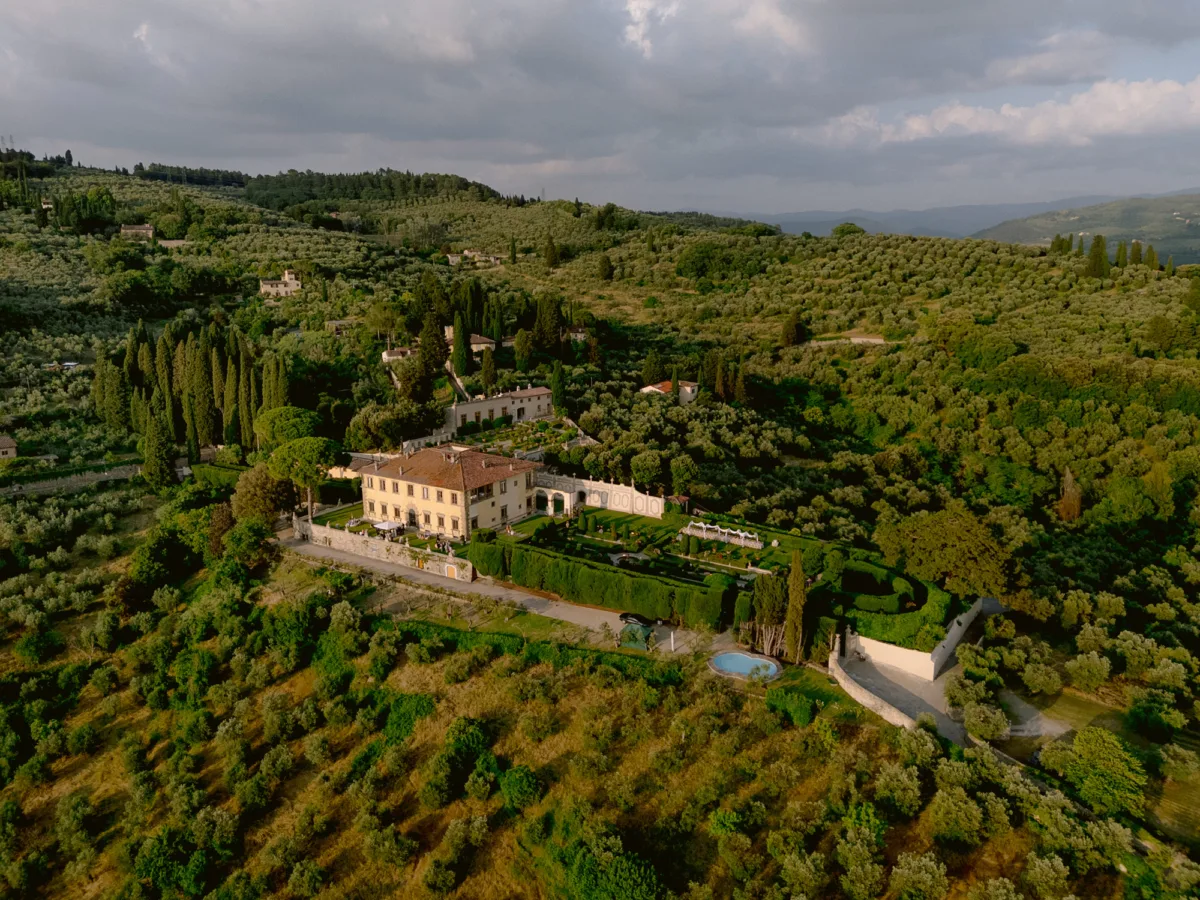
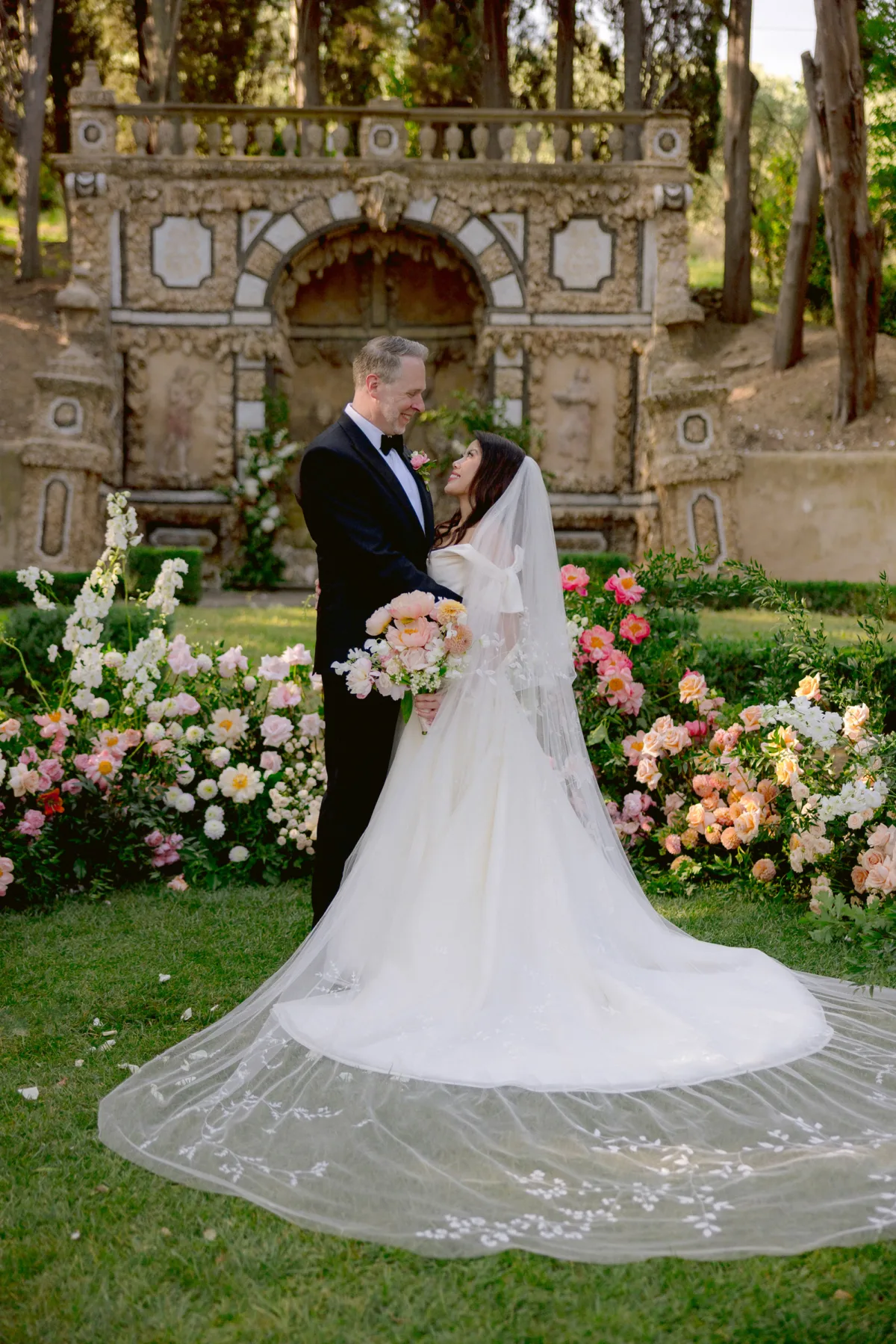
Villa Gamberaia, the site of the celebration, represents one of the most significant examples of Italian landscape design. Originally built in the 1600s by the Gamberelli family, the estate underwent a transformative period in the early 20th century under the ownership of Princess Catherine Ghyka. The villa is celebrated by architectural historians for its "water parterre," which replaced traditional flower beds with reflective pools, a design choice that remains one of the most photographed features in Tuscany.
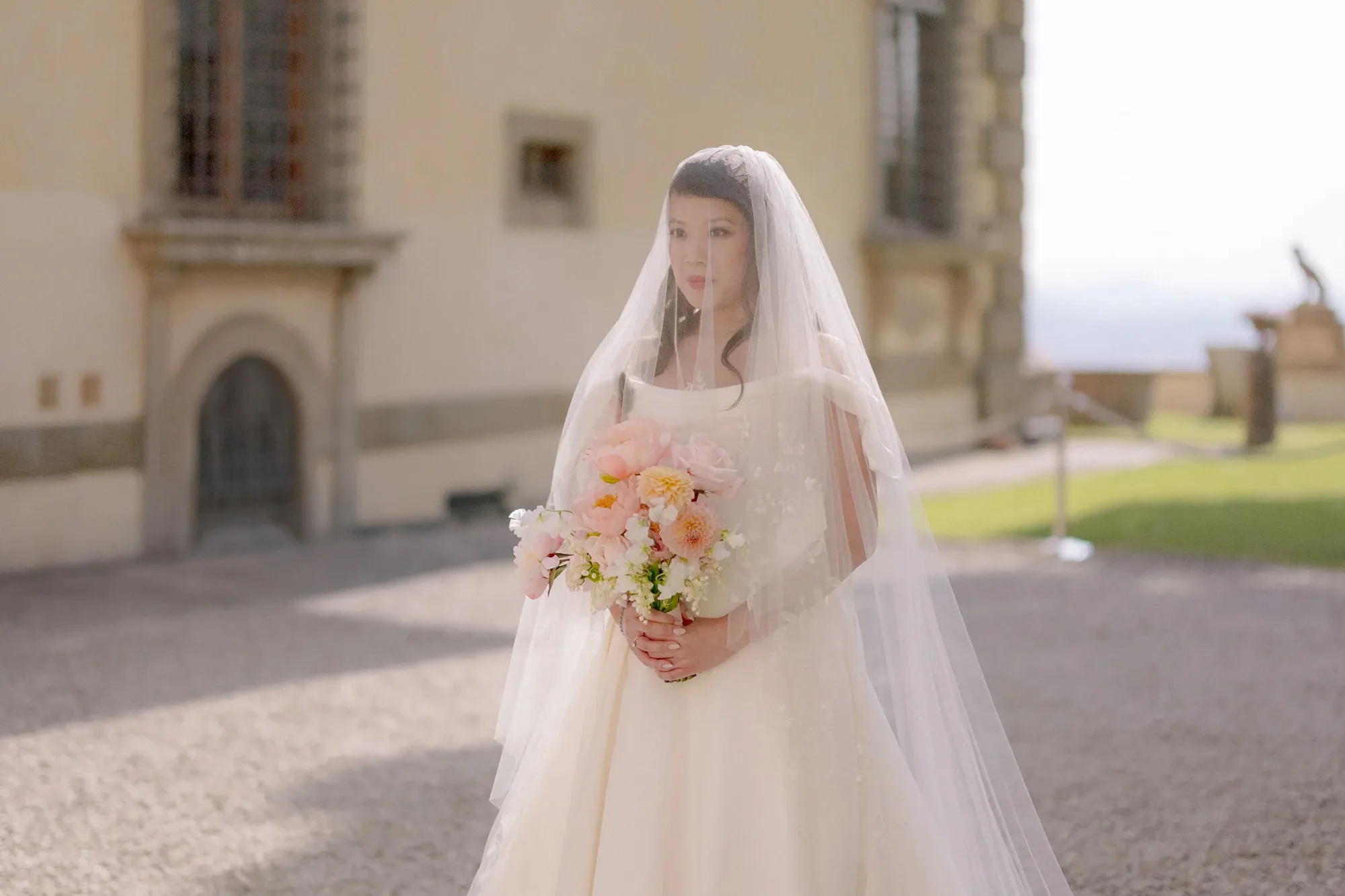
For Katie and Jamie, the choice of venue was predicated on both its aesthetic energy and its capacity to house guests for a multi-day experience. According to the couple, the historical weight of the estate, which has witnessed centuries of Florentine social history, provided a profound backdrop for their own narrative. In the context of modern wedding tourism, Villa Gamberaia serves as a "monumental garden," a designation that requires strict adherence to preservation standards, adding a layer of logistical complexity to any large-scale event hosted on its grounds.
Chronology of a Global Union
The path to the Tuscan altar began in St. Louis, Missouri, where the couple first met. Despite minor logistical hurdles on their first date—including a mistaken location and a domestic maintenance issue—the pair bonded over shared interests in the humanities and culinary arts. The relationship developed into a long-distance and international journey, eventually leading to a proposal in New York City.
The proposal occurred in December at the Shakespeare Garden in Central Park. The location was a calculated choice by Jamie, intended as a tribute to Katie’s British roots. Following the engagement, the couple entered an 18-month planning phase, a timeline consistent with high-end destination weddings which often require extensive lead times for venue booking and international vendor coordination. This period was marked by a commitment to a summer wedding in Italy, a region that continues to dominate the European destination wedding sector.
Bespoke Artisanship and International Logistics
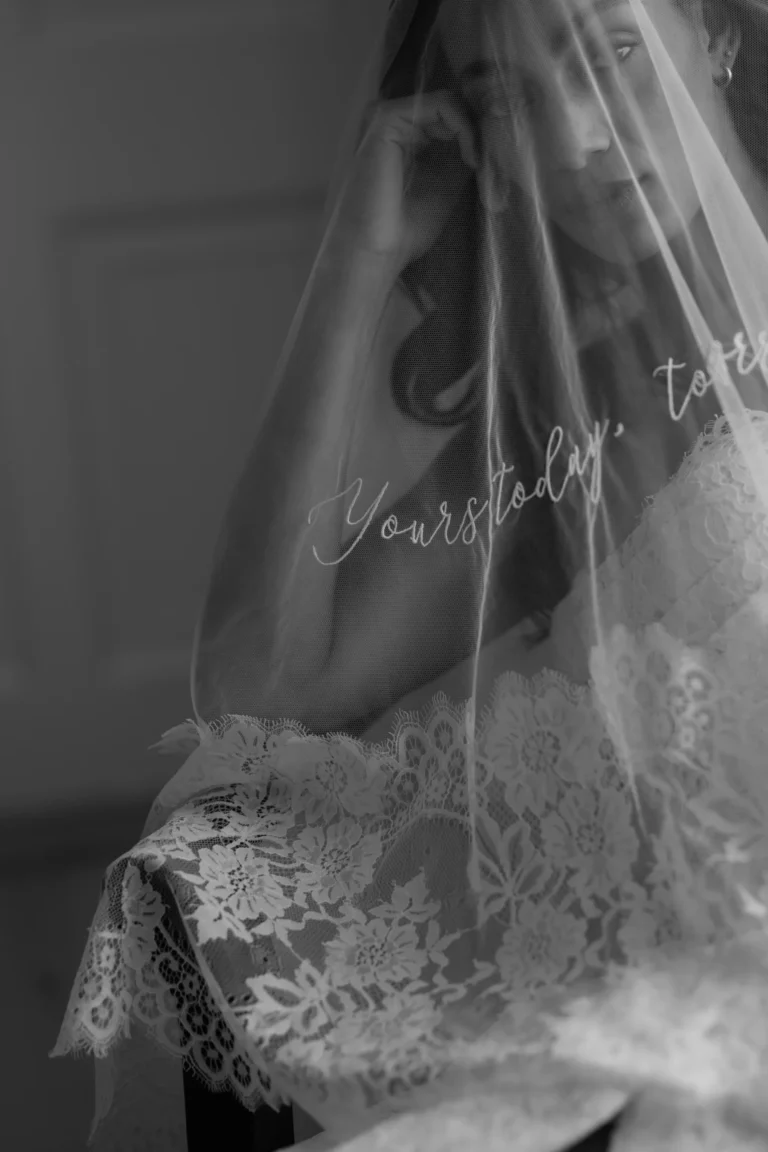
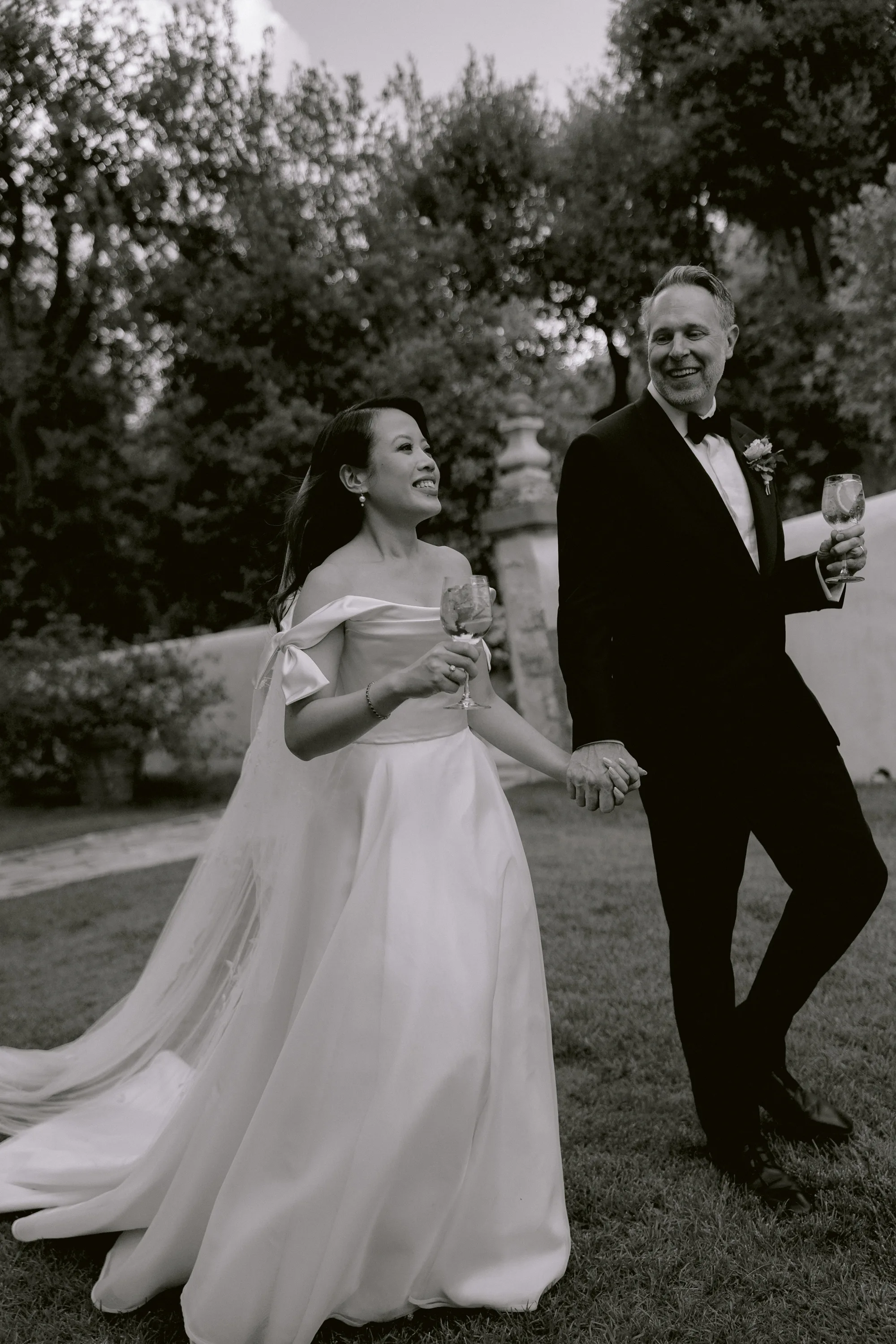
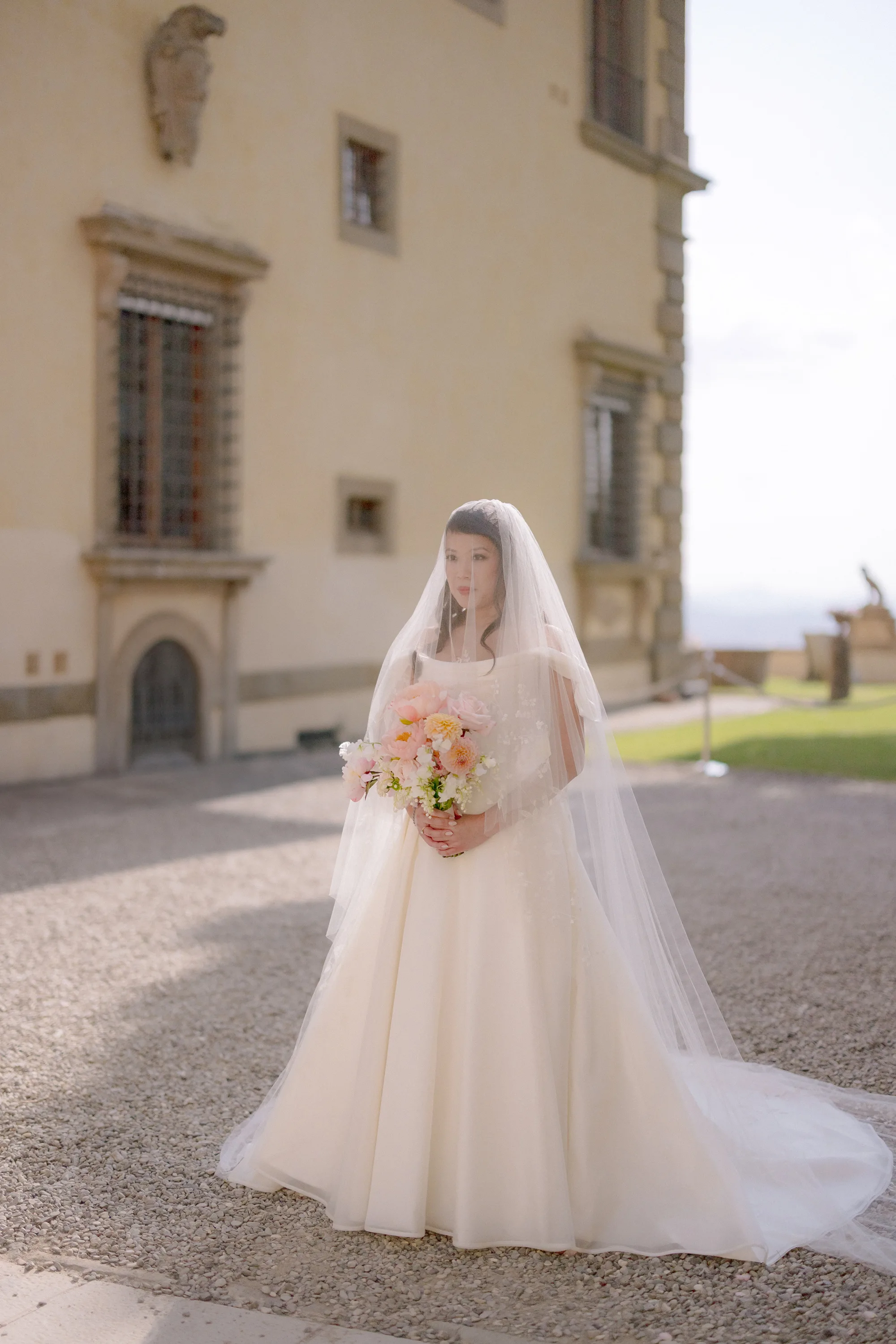
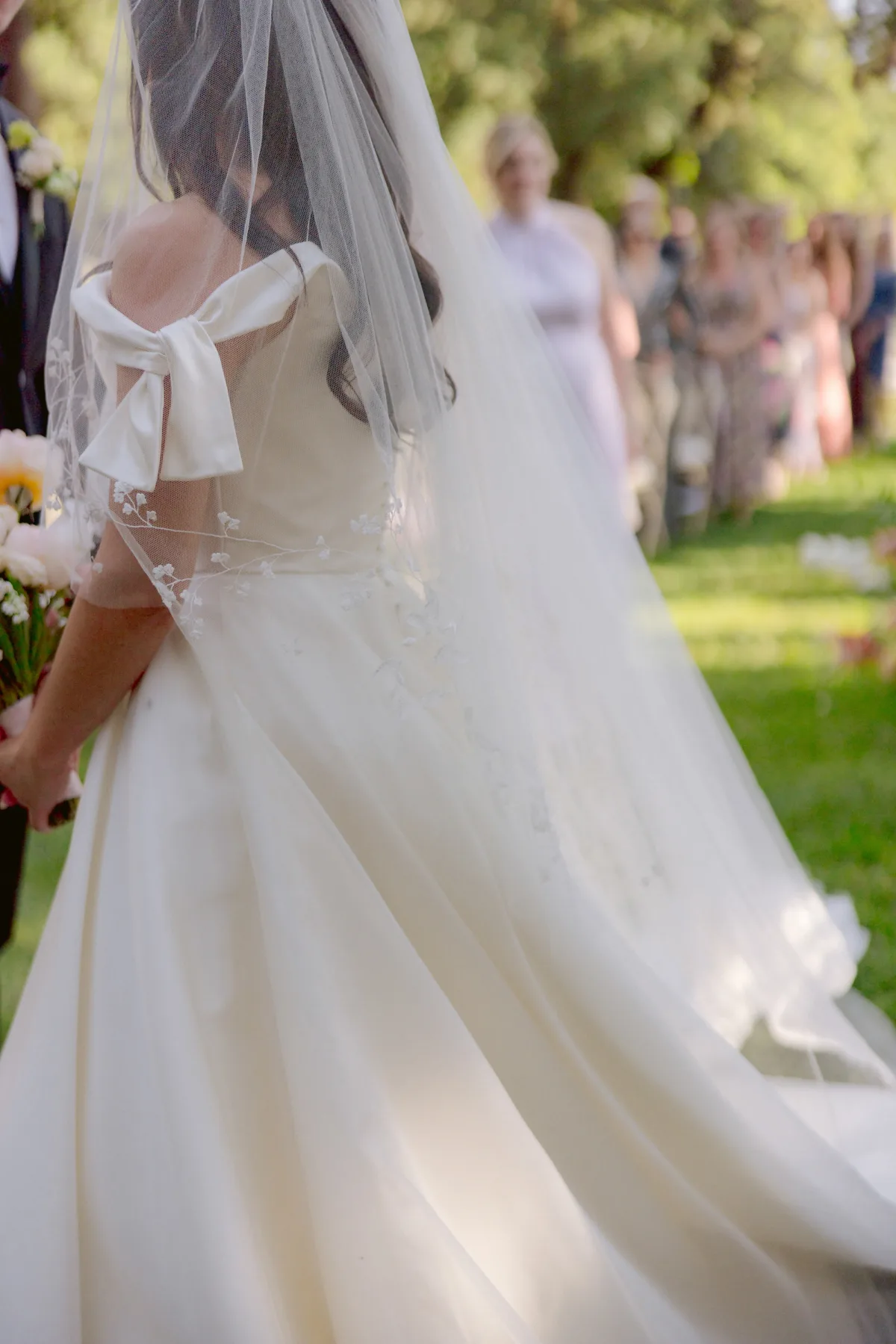
The wedding was characterized by a rigorous commitment to bespoke craftsmanship, involving significant international travel for fittings and consultations. Katie’s attire consisted of a couture gown and silk tulle veil by London-based designer Phillipa Lepley. The process required Katie to fly from the United States to London eight times for fittings. Lepley, known for her traditional British corsetry and hand-embroidery, incorporated the couple’s initials into the veil, a hallmark of personalized luxury fashion.
Jamie’s attire followed a similarly meticulous path. He wore a bespoke tuxedo from Cad and the Dandy, a firm synonymous with Savile Row tailoring. The suit was finalized after five separate trips to New York, demonstrating the global reach of traditional British tailoring services.
The jewelry further emphasized the couple’s focus on meaningful design. All rings, including the engagement piece and wedding bands, were produced by British jeweler Jessica McCormack. Katie’s wedding band featured a gold bamboo design, a deliberate symbolic reference to her Vietnamese heritage. In Vietnamese culture, bamboo is a metaphor for resilience, strength, and flexibility—traits the couple identified as essential for a successful marriage.
The Ceremony: A Synthesis of Cultures and Faiths
The ceremony was held within the villa’s gardens and was officiated by Scott, a pastor and close friend of the groom. Although Scott is a religious official, the service was non-religious and designed to reflect the diverse cultural backgrounds of the families involved. The proceedings blended British, American, and Vietnamese traditions, creating a secular yet deeply personal narrative.
Linguistic diversity played a central role in the service. Katie’s mother delivered a reading in Vietnamese, which was then translated into English by Katie’s brother. The text was an excerpt from Love’s Garden: A Guide to Mindful Relationships by Peggy Rowe Ward and Larry Ward, featuring an introduction by the renowned Zen master Thich Nhat Hanh. This was followed by a reading from Jamie’s nine-year-old bridesmaid, Emmeline, who shared an excerpt from Robert Fulghum’s All I Really Need to Know I Learned in Kindergarten.
The inclusion of Jamie’s sons, Parker and Grady, who accompanied Katie down the aisle to Pachelbel’s Canon in D, underscored the family-centric nature of the event. The couple exchanged self-written vows, a practice that has become increasingly popular in contemporary ceremonies as a way to personalize the legal and social commitment of marriage.
Floral Design and Aesthetic Coordination
The visual identity of the wedding was managed by VB Events, with floral arrangements handled by Marta Petrioli of Flowers Living. The design philosophy moved away from rigid, over-structured arrangements in favor of a "loose and natural" aesthetic. Petrioli’s approach treats floral elements not as accessories, but as integral components of the guest experience, using muted palettes and warm tones to complement the aged stone and vibrant greenery of the villa.
A unique aspect of the wedding’s visual branding was the stationery. Jamie, an amateur artist, painted a watercolor of Villa Gamberaia. This original artwork was utilized as the primary motif for the invitations, menus, and seating charts, ensuring a cohesive aesthetic thread that linked the physical venue to the printed materials.
Culinary Traditions and Entertainment
The reception featured a blend of Italian culinary traditions and personalized entertainment. The wedding cake was a traditional Italian Millefoglie, a dessert composed of multiple layers of crisp pastry and cream. In a display of "culinary theater," the cake was constructed live in front of the guests by the catering team from Galateo. This practice is a staple of high-end Italian weddings, emphasizing freshness and artisanal skill.
The evening’s entertainment included a performance by Jon Bon Jovi, who sang "Hallelujah" for the couple’s first dance. This performance held personal significance, as a Bon Jovi concert was the first major event the couple attended together. The use of live, high-profile musical performances is a growing trend among luxury weddings, where the "entertainment value" of the evening is weighted as heavily as the ceremony itself.
Economic and Industry Analysis
The wedding of Katie and Jamie reflects broader economic trends within the Italian tourism and events industry. According to data from the Destination Wedding Tourism Observatory, Italy hosted approximately 11,000 destination weddings in the most recent fiscal year, generating an estimated €600 million in revenue. Tuscany remains the most sought-after region, accounting for over 25% of these events.
The couple’s admission that they doubled their original budget is not uncommon in the luxury sector. Rising costs for international logistics, premium vendors, and the desire for "once-in-a-lifetime" experiences often lead to significant budget expansions. The economic impact of such events extends beyond the venue and catering, benefiting local hotels, transportation services, and artisanal suppliers.
Furthermore, the "slow wedding" movement—characterized by multi-day stays and a focus on meaningful, personal details—is visible here. By hosting guests at the villa for the entire weekend, the couple contributed to the "residential wedding" model, which increases the average spend per guest and provides a more immersive experience than a single-day event.
Broader Implications for the Wedding Sector
The success of this event highlights the importance of the "planner-vendor" relationship. VB Events and Facibeni Photography (led by Christian and Lara) were credited with navigating the complexities of an international wedding. For the photography, the couple prioritized a "natural style" over posed shots, reflecting a shift in consumer preference toward documentary-style wedding photography that captures candid emotional data.
In summary, the marriage of Katie and Jamie at Villa Gamberaia was more than a social union; it was a sophisticated logistical operation that bridged three continents. By integrating Vietnamese cultural symbols, British couture, and Italian history, the event serves as a case study in how modern couples are redefining the boundaries of the traditional wedding, opting instead for a bespoke, multicultural celebration that honors both their heritage and their personal journey. The event reinforces Tuscany’s status as a global hub for luxury nuptials and demonstrates the enduring appeal of the Italian "dolce vita" when paired with modern, professional event management.