








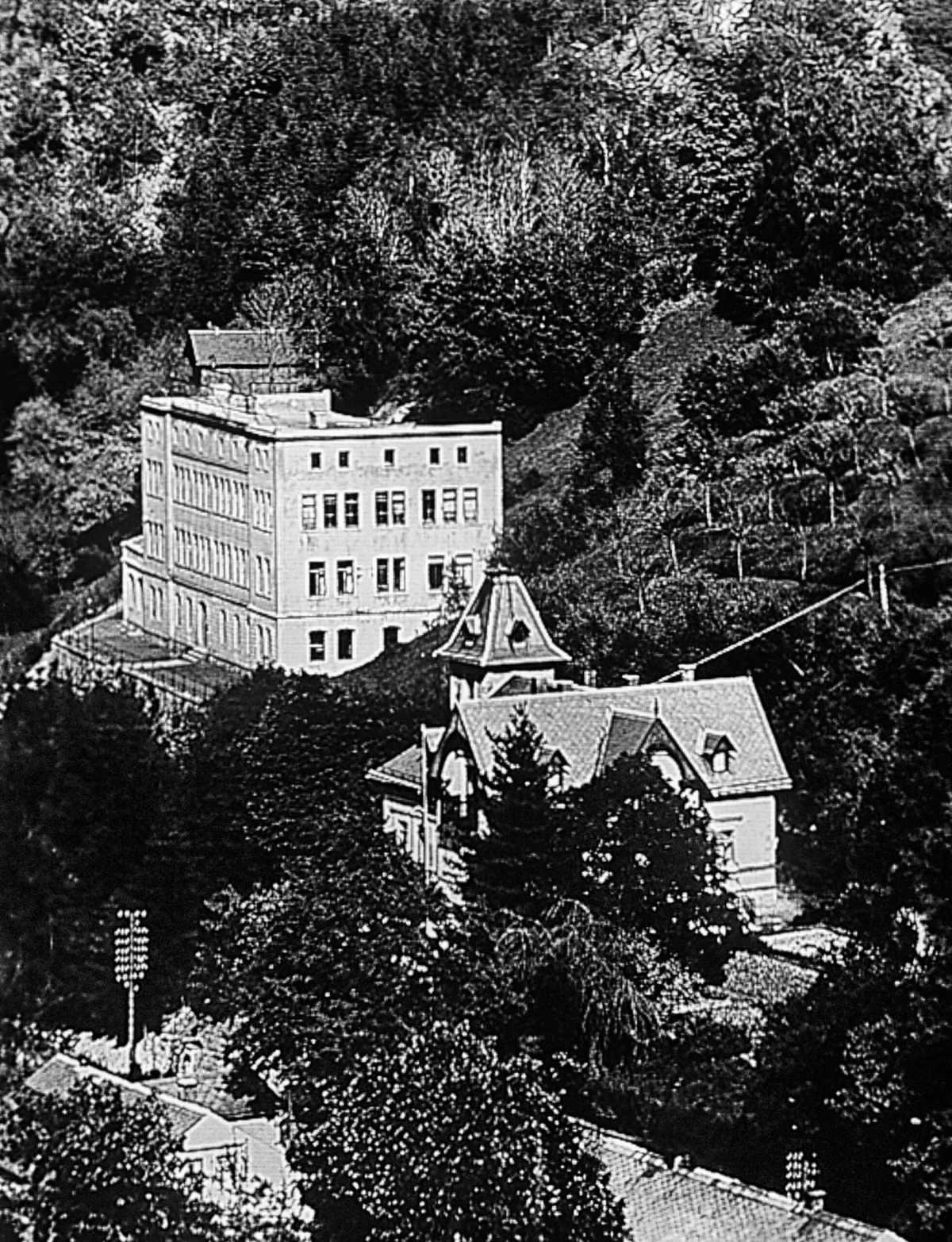
The story of Glashütte, a secluded town in the Saxon Ore Mountains of Germany, is a testament to the endurance of industrial craftsmanship. With a population of fewer than 7,000, this unassuming hamlet has paradoxically become the global epicenter of high-end German horology. Among the few watchmakers that maintain an unbroken lineage stretching back to the pre-war era, Tutima Glashütte stands as a pillar of historical significance and modern innovation. As the brand approaches its centenary, it has unveiled a significant evolution in its leadership and its signature Patria dress watch line, marking a pivotal moment in the company’s ongoing transition from a post-war survivor to a contemporary manufacture.

The Genesis of a Saxon Legacy
The roots of Tutima Glashütte were planted in 1927, a period defined by rapid technological acceleration and geopolitical volatility. While the aviation industry was revolutionized by Charles Lindbergh’s transatlantic flight and the entertainment landscape shifted with the advent of electric television, the German watchmaking sector faced a period of obsolescence. Much of the industry remained tethered to the production of traditional pocket watches, failing to recognize the emerging global transition toward the wristwatch.

To rectify this stagnation, the regional financial institution Girozentrale Sachsen commissioned Dr. Ernst Kurtz, a lawyer with a keen eye for industrial reorganization, to consolidate the fragmented watchmakers of the Müglitz Valley. Kurtz’s vision was ambitious: he established two distinct entities, Uhren-Rohwerke-Fabrik Glashütte AG (UROFA) for movement production and Uhrenfabrik Glashütte AG (UFAG) for final assembly. The "Tutima" designation—derived from the Latin tutus, meaning "safe" or "secure"—was introduced as a quality seal to signify the superior durability and reliability of the company’s high-end output. By the 1930s, these wristwatches had successfully competed with established Swiss manufacturers, and by 1941, the company’s flyback chronographs, powered by the UROFA 59 caliber, were widely regarded as benchmarks of technical precision.

The Disruption of Conflict and the Long Road Back
The mid-20th century dealt a series of existential blows to the brand. In 1945, as World War II drew to a close, Allied air raids decimated the production facilities in Glashütte. The subsequent Soviet occupation and the establishment of the Iron Curtain led to the nationalization of the local industry, which was consolidated into the state-owned VEB Glashütter Uhrenbetriebe (GUB).

Dr. Kurtz, demonstrating remarkable foresight, had evacuated to Western Germany shortly before the fall of the region. He attempted to restart production in Ganderkesee, struggling against the tide of mass-produced, industrial watches emerging from southwestern Germany. While the original factory remained in the East, the spirit of the brand survived through the stewardship of Dieter Delecate, who joined the company in 1954. Delecate, serving as a protégé to Kurtz, eventually acquired the rights to the name and spent decades navigating the volatile watch market, shifting operations toward quartz technology in the 1970s and securing a major contract for the German Air Force (Bundeswehr) in the early 1980s. The resulting Tutima Military Chronograph ref. 798 became an iconic piece of military equipment, validated by its ability to withstand 7G acceleration forces.

The reunification of Germany in 1990 ignited Delecate’s long-standing ambition to return the company to its birthplace. This process was arduous, involving the acquisition of a historic maintenance depot in 2008 and a complete renovation to meet modern manufacture standards. The successful return was punctuated in 2011 with the unveiling of the Hommage, the first minute-repeater wristwatch entirely developed and manufactured in Germany.

A New Chapter: The Stotz Era
In 2025, Tutima entered a new organizational phase with the appointment of Matthias Stotz as CEO. Stotz brings a pedigree that blends deep technical expertise with executive experience; as the fourth generation of a watchmaking family, he is well-versed in both the art and the business of horology. His previous tenure at Junghans (2007–2023), where he led the brand through a successful turnaround, suggests a strategic focus on balancing technical heritage with market viability. This leadership transition occurs with the full support of the Delecate family, signaling continuity even as the company modernizes its corporate structure.

Expanding the Patria Collection: Analysis of New Releases
The current expansion of the Patria collection is not merely an aesthetic update but a deliberate effort to synthesize the brand’s 1930s origins with 21st-century manufacturing capabilities. The three new models introduced this year demonstrate a clear focus on diversifying the collection’s appeal.

- The Light Blue Titanium Patria (Ref. 6612-11): By opting for Grade 5 titanium, Tutima has shifted the "dress watch" paradigm toward modern wearability. The 41mm case, combined with a pyramidal dial structure, offers a contemporary aesthetic that bridges the gap between formal and casual attire.
- The Two-Hand Variant (Ref. 6612-21): This model represents a return to minimalist design principles. Featuring an inky black lacquer dial and diamond-cut markers, it serves as a study in simplicity, highlighting the mechanical purity of the hand-wound caliber 617.
- The Limited Edition Rose Gold Series: Strictly limited to 9+9 pieces to commemorate the brand’s 99-year history, these watches feature the caliber 626. The choice of a half-plate movement architecture—rather than the traditional Glashütte three-quarter plate—is a bold stylistic decision. It prioritizes the visual display of the gear train, reflecting a philosophy that high-end watchmaking should be as much about the mechanical theater as it is about chronometric precision.
Economic and Industry Implications
The price points for the new collection, ranging from €8,600 ($11,000 USD) for the titanium models to €24,800 ($29,900 USD) for the limited-edition gold pieces, place Tutima firmly within the luxury segment. This positioning is supported by significant investment in internal R&D, such as the use of free-sprung oscillation systems and hand-finished components.

From an industry perspective, Tutima’s ability to remain independent in an era of massive consolidation is significant. As part of a larger trend in the German watch industry, firms like Tutima, A. Lange & Söhne, and Nomos have turned the town of Glashütte into a powerful "Protected Geographical Indication" of sorts, where the location itself serves as a hallmark of quality. By maintaining family ownership and keeping manufacturing, assembly, and development in-house, Tutima mitigates supply chain risks while reinforcing the authenticity of its "Made in Glashütte" label.

Future Outlook
The path forward for Tutima, under the guidance of Stotz, appears to be one of "controlled growth." The emphasis on limited editions and the refinement of the Patria line suggests a strategy that prioritizes brand equity and collector interest over mass-market volume.

The successful navigation of the post-war era, the quartz crisis, and the challenges of reunification has instilled a culture of pragmatism within the firm. As the brand nears its 100th anniversary, the focus remains on leveraging its history as a military and technical supplier while simultaneously capturing the high-end dress watch market. With the transition to the fourth generation of leadership and the successful integration of in-house manufacturing, Tutima Glashütte is positioned to remain a relevant and respected entity in the landscape of independent watchmaking for the foreseeable future. The brand’s evolution from a regional manufacturing collective to a modern, vertically integrated house serves as a definitive case study in corporate longevity and the enduring value of regional industrial expertise.