









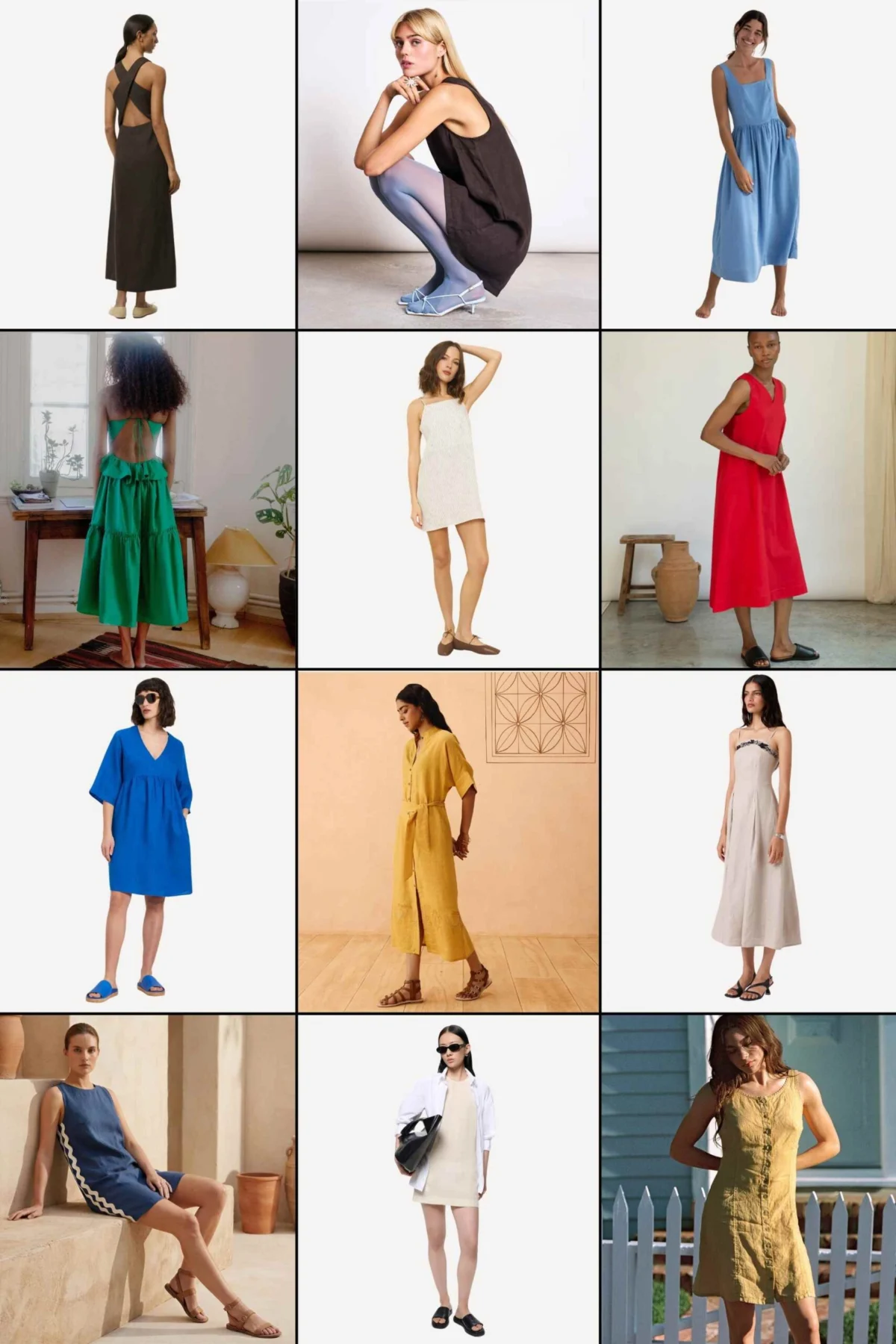
Amidst an accelerating global climate crisis marked by increasingly frequent and intense heatwaves, consumers are demonstrating a discernible shift towards more sustainable and functionally appropriate apparel choices. In this evolving landscape, linen, a fabric revered for millennia, is experiencing a significant resurgence, positioned not merely as a seasonal trend but as a cornerstone of ethical and practical summer wardrobes. Independent fashion sustainability rating platform, Good On You, a leading authority in assessing brands’ environmental and social impact, has recently highlighted linen’s credentials, curating a selection of highly-rated brands offering sustainable linen dresses. This move underscores a broader industry pivot towards transparency and lower-impact materials, responding directly to both environmental imperatives and escalating consumer demand for conscious consumption.
The Enduring Appeal and Environmental Footprint of Linen
Linen, derived from the fibers of the flax plant (Linum usitatissimum), boasts a heritage stretching back thousands of years, with archaeological evidence pointing to its use as early as 30,000 BCE. Its enduring appeal lies in a unique combination of physical properties and a comparatively lower environmental footprint than many other common textile fibers. The material is renowned for its exceptional breathability, high moisture absorbency, and rapid drying capabilities, making it an ideal choice for warm and humid climates. The hollow fibers of flax allow air to circulate freely, creating a natural cooling effect against the skin, a critical advantage as global temperatures continue to rise.
From an environmental perspective, the cultivation of flax presents several advantages over more resource-intensive crops like conventional cotton. Flax is a remarkably resilient plant, capable of thriving in poor soil conditions with minimal intervention. Crucially, its water requirements are significantly lower; studies indicate that flax cultivation typically uses up to 80% less water than cotton, a stark difference in an era of increasing water scarcity. Furthermore, flax requires considerably fewer pesticides and fertilizers, reducing chemical runoff and soil degradation. The plant’s lifecycle also contributes positively to soil health, often improving soil quality for subsequent crops.
However, the journey from flax plant to finished linen fabric is not without its complexities. While the raw material is inherently sustainable, the processing stages can introduce environmental concerns. The retting process, which separates the fibers from the plant’s woody stalk, traditionally involved soaking flax in water (water retting) or leaving it in fields to decompose naturally (dew retting). Modern industrial methods can sometimes employ chemical retting, which, while faster, can lead to the discharge of pollutants if not managed responsibly. Similarly, the dyeing and finishing processes for linen can be chemical-heavy. Consequently, discerning consumers and ethical brands are increasingly prioritizing organic linen, certified to rigorous standards such as the Global Organic Textile Standard (GOTS). GOTS certification ensures that the linen is produced without hazardous chemicals, from cultivation through to manufacturing, and also incorporates social criteria for workers.
Another critical aspect of linen’s sustainability profile is its biodegradability. In its natural, untreated form, linen is fully biodegradable, returning to the earth without leaving harmful residues. This characteristic is vital in combating the escalating global textile waste crisis. However, the use of synthetic dyes, bleaching agents, and other chemical treatments can compromise this natural decomposition process. Consumers are advised to seek out transparency from brands regarding these finishing processes and to familiarize themselves with terms such as "compostable" and "biodegradable" to make informed choices.
The Challenge of Fiber Blends and the Durability Imperative
While pure linen offers maximum environmental benefits, it is sometimes blended with other fibers, such as cotton, viscose, or even synthetics like polyester, to alter its texture, reduce wrinkling, or enhance drape. While these blends might offer certain aesthetic or functional qualities, they introduce significant challenges for end-of-life recycling. Mixed-fiber garments are notoriously difficult to separate and recycle effectively, often ending up in landfills. Ethical guidelines therefore strongly recommend opting for 100% pure linen whenever possible, simplifying the recycling process and maximizing the material’s inherent sustainability advantages.
Beyond its environmental credentials, linen is celebrated for its exceptional durability. This robust nature translates directly into a longer lifespan for garments, aligning perfectly with the principles of "slow fashion" and reducing the need for frequent replacements. A well-cared-for linen dress can withstand years of wear and washing, defying the fast-fashion cycle of disposability. This longevity is a crucial factor for consumers looking to build a more sustainable wardrobe, encouraging a focus on timeless designs over fleeting trends. The investment in a high-quality linen piece is thus an investment in enduring style and reduced environmental impact.
Good On You’s Role in Navigating the Ethical Fashion Landscape
In an increasingly complex retail environment, where terms like "eco-friendly" and "sustainable" are often used without verifiable backing, independent rating platforms like Good On You play an indispensable role. The organization employs a comprehensive methodology to assess thousands of fashion brands across three key areas: Planet, People, and Animals. Their rigorous ratings system scrutinizes a wide array of factors, including material sourcing, water and energy use, waste management, labor practices, supply chain transparency, and animal welfare policies.
A spokesperson for Good On You emphasized the platform’s mission: "Our editors curate highly rated brands that are first assessed by our rigorous ratings system. Buying through our links may earn us a commission—supporting the work we do. Our goal is to empower consumers with credible information, enabling them to make purchasing decisions that align with their values and contribute positively to global sustainability efforts." This commitment to transparency and objective evaluation provides a critical resource for consumers seeking to identify genuinely ethical brands amidst a sea of "greenwashing."
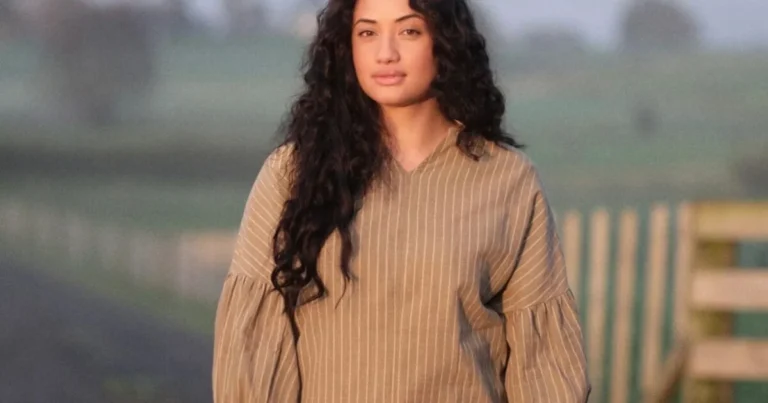
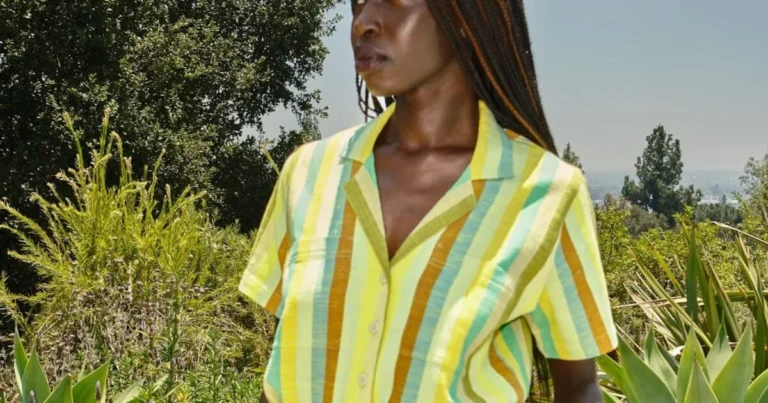
Good On You’s recent spotlight on sustainable linen dresses is a direct response to both market demand and the material’s proven eco-credentials. Their curated selection features a diverse range of styles—from flowing maxi dresses and chic mini lengths to relaxed loose-fit designs and more formal options—all sourced from brands that meet their stringent sustainability criteria. This curation not only simplifies the shopping process for eco-conscious individuals but also amplifies the visibility of brands committed to responsible production.
Market Trends and Expert Insights
The growing interest in sustainable materials like linen is part of a larger global trend towards conscious consumption. Data from various market research firms indicates a significant expansion in the sustainable fashion market. For instance, reports suggest the global sustainable fashion market size, valued at approximately USD 8.27 billion in 2022, is projected to grow at a compound annual growth rate (CAGR) of over 11% from 2023 to 2030. This growth is driven by increasing consumer awareness of environmental issues, a desire for ethical products, and the availability of more sustainable options.
"The shift towards materials like organic linen is not just a passing fad; it’s a fundamental recalibration of consumer values and industry practices," stated Dr. Anya Sharma, a textile sustainability expert and professor at the London College of Fashion. "As climate change impacts become more palpable, consumers are actively seeking solutions that offer both comfort and peace of mind. Linen perfectly embodies this dual demand, provided brands are transparent about their entire supply chain."
Environmental advocacy groups also weigh in on the importance of such material shifts. "The fashion industry is one of the most polluting sectors globally," remarked a representative from EarthWatch International. "Every choice, from fiber sourcing to manufacturing processes, has a ripple effect. Platforms like Good On You are vital in holding brands accountable and guiding consumers towards choices that genuinely mitigate environmental harm. Prioritizing certified organic linen, for example, directly addresses concerns around water pollution and pesticide use."
Implications for the Fashion Industry and Future Outlook
The rising demand for sustainable linen presents both opportunities and challenges for the broader fashion industry. For brands, it necessitates a deeper dive into their supply chains, a commitment to sourcing certified materials, and an investment in ethical manufacturing practices. This often involves collaborating with suppliers who adhere to international labor standards and environmental regulations. While the cost of producing truly sustainable garments can be higher, market trends suggest that a significant segment of consumers is willing to pay a premium for products that align with their ethical values.
The emphasis on durability and timeless design inherent in linen fashion also supports a move away from the unsustainable "fast fashion" model. Brands are increasingly encouraged to design for longevity, offering repair services or take-back programs to extend the life cycle of garments. This shift towards a circular economy model, where materials are reused, recycled, or biodegraded, is crucial for reducing textile waste and resource depletion.
Looking ahead, linen is poised to maintain its prominence as a key sustainable textile. Continued innovation in fiber processing, such as closed-loop retting systems that minimize water pollution, and advancements in natural dyeing techniques, will further enhance its environmental profile. As consumers become more educated and discerning, the pressure on brands to adopt genuine sustainability practices will only intensify. The collaborative efforts of independent raters, environmental organizations, and forward-thinking brands will be essential in shaping a fashion industry that is not only stylish but also truly sustainable. The linen dress, in its simple elegance, stands as a powerful symbol of this evolving paradigm, offering a cool, conscious choice for a warming world.