









With summer 2026 on the horizon, bringing with it the palpable excitement of the soccer world’s biggest tournament, the infectious spirit of the sport feels inescapable. This global event serves as a powerful reminder of the deep, intricate relationship between major sportswear brands and the athletic disciplines they champion. Among these, Nike stands as a titan, continuing its enduring legacy of not merely supplying gear but profoundly investing in the very culture of soccer. This commitment, spanning nearly five decades, underscores a strategic vision that extends far beyond the retail shelf, embedding the brand into the fabric of communities and the aspirations of athletes worldwide.
The Genesis of a Global Powerhouse: Nike’s Entry into Soccer
Nike’s journey into the world of soccer began not on the grand stages of international competition, but in its iconic sportswear brand’s birthplace: Oregon. Founded in 1964 as Blue Ribbon Sports by Bill Bowerman and Phil Knight, the company initially focused on track and field, revolutionizing running shoe design with innovations like the Waffle sole. By 1978, the nascent label had already begun to take over the running scene, establishing itself as a formidable force in athletic footwear. It was in this pivotal year that Nike made one of its first major entries into professional soccer, signing a sponsorship deal with Portland’s professional team, the Timbers. This initial foray, while perhaps modest in comparison to later ventures, was a critical strategic move, signaling Nike’s ambition to diversify beyond its running stronghold and challenge the established European brands that dominated the soccer landscape.
At the time, soccer, or football as it is known globally, was experiencing a surge in popularity in North America, largely fueled by the North American Soccer League (NASL). The Timbers, with their enthusiastic fan base, provided Nike with a valuable platform to test its products and gain insights into the specific demands of the sport. This early partnership allowed Nike to understand the nuances of soccer footwear and apparel, laying the groundwork for future innovations. It was a bold step into a market segment largely controlled by European competitors like Adidas and Puma, requiring Nike to not only develop specialized products but also to cultivate an authentic connection with the sport’s burgeoning culture.
Decades of Disruption and Dominance: A Strategic Ascent
The decades that followed Nike’s inaugural soccer signing were characterized by a relentless drive, akin to a striker dashing towards an open goal. The brand systematically expanded its footprint, transitioning from regional sponsorships to global partnerships that would define its presence in soccer. This strategic ascent was not merely about signing contracts; it was about identifying and aligning with winning teams, iconic athletes, and emerging trends that resonated with the brand’s ethos of performance and innovation.
From Regional to Global: Expanding Sponsorships
Nike’s sponsorship strategy evolved rapidly. After its initial domestic forays, the brand began to target prominent international club teams. England’s Aston Villa FC, a club with a rich history and passionate fan base, became an early high-profile European partner. These club sponsorships provided Nike with visibility in key European markets, which were the undisputed heartland of global soccer. However, the true breakthrough came with national team sponsorships. Dressing powerhouse teams like Brazil’s national team, five-time World Cup champions and perennial favorites, instantly elevated Nike’s global standing. The iconic yellow and green jerseys, adorned with the Nike swoosh, became synonymous with flair, skill, and success.
Simultaneously, Nike recognized the growing influence of women’s soccer. Its long-standing partnership with the US Women’s National Team (USWNT), a dominant force in the sport, proved to be particularly prescient. The USWNT’s multiple World Cup victories and Olympic gold medals brought immense visibility and helped Nike champion equality and empowerment in sports, aligning with broader societal trends. Beyond these examples, Nike cultivated relationships with numerous other national federations and top-tier clubs across Europe, South America, and Asia, cementing its position as a leading kit supplier. By the mid-2000s, Nike was sponsoring roughly half of the national teams participating in major tournaments, a testament to its aggressive and successful market penetration.
Innovation on the Pitch: Footwear and Apparel
While sponsorships opened doors, it was Nike’s relentless pursuit of product innovation that truly cemented its dominance. The brand brought its "disruptive" spirit, honed in running, to soccer footwear. Early innovations included the Tiempo series, known for its classic leather feel and comfort, which quickly became a favorite among elite players. However, it was the launch of the Mercurial boot line in 1998, coinciding with the World Cup in France, that truly revolutionized soccer footwear. Designed for speed and lightness, the original Mercurial R9 was famously worn by Brazilian superstar Ronaldo, becoming an instant icon. This boot, with its sleek, synthetic upper, marked a significant departure from traditional leather boots, signaling Nike’s embrace of cutting-edge materials and design for performance enhancement. Subsequent iterations, such as the Mercurial Vapor, continued to push boundaries, integrating technologies like Flyknit and Dynamic Fit collars to offer unparalleled fit and feel.
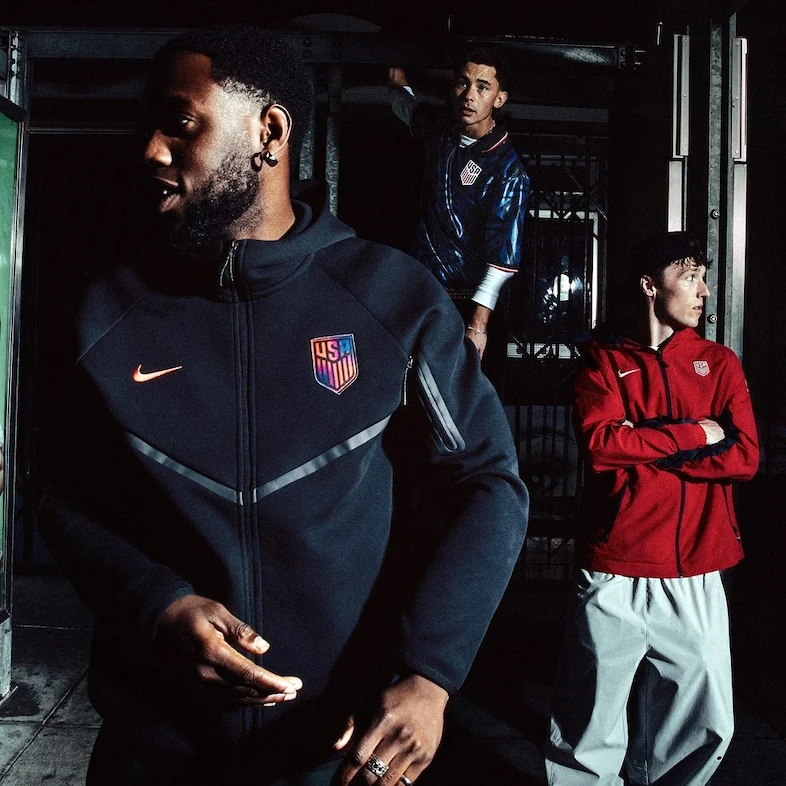
Beyond boots, Nike invested heavily in national team kits. These jerseys were not just uniforms; they were canvases for cultural expression. Each kit became an opportunity to showcase a country’s heritage through color palettes, subtle patterns, and innovative fabric technologies designed for optimal athlete performance. The brand’s focus on lightweight, moisture-wicking materials like Dri-FIT became industry standards. More recently, collections like the Express Collection exemplify this blend of sport, street style, and cultural expression, bridging the gap between performance wear and everyday fashion, thus broadening soccer’s appeal beyond the pitch. This holistic approach to product development, combining performance, aesthetics, and cultural relevance, has been a hallmark of Nike’s soccer strategy.
Market Share and Financial Impact
Nike’s deep entanglement with soccer has translated into significant commercial success. While exact figures for its soccer division are often folded into broader reporting, industry analysts consistently highlight soccer as a critical pillar of Nike’s global revenue, alongside basketball and running. The global soccer market, encompassing everything from merchandise to media rights, is valued in the hundreds of billions of dollars, with the sportswear segment alone representing a substantial portion. Nike consistently ranks among the top two global brands in soccer apparel and footwear, often vying with its long-standing German rival, Adidas, for market leadership. Reports from firms like Statista and various market research groups indicate that Nike’s soccer-related sales contribute billions annually to its overall revenue, representing a significant percentage of its total footwear and apparel sales. For instance, in fiscal year 2023, Nike reported global revenues exceeding $51 billion, with soccer products playing a vital role in categories like "Football" (soccer outside North America) which consistently perform strongly, especially around major tournament cycles. These major events, like the upcoming 2026 World Cup, typically trigger significant spikes in merchandise sales, underscoring the economic importance of Nike’s strategic positioning within the sport.
Cultivating the Game: Beyond the Commercial
Today, nearly 50 years after that first signing with the Timbers, Nike is more enmeshed in the soccer world than ever. While apparel and footwear remain core to its business, with the brand still dressing the world’s most major teams and producing national team kits that showcase a country’s heritage, the larger story is the profound way the brand has uplifted the culture around soccer. This shift from purely transactional sponsorships to a more holistic cultural investment reflects a deeper understanding of the sport’s power to connect and inspire.
The Rise of Community Engagement: A Paradigm Shift
Nike’s evolution in soccer reflects a broader paradigm shift in sports marketing. Recognizing that genuine connection goes beyond product placement, the brand has increasingly focused on hosting worldwide community events that celebrate fans’ love of the game. This strategy moves beyond simply outfitting elite athletes to actively fostering grassroots participation and cultural expression. It’s an acknowledgment that the future of the sport, and by extension, the brand, lies in cultivating passion at every level, from the professional pitch to the local street court.
This approach ensures authenticity and relevance, particularly with younger generations who seek brands that genuinely contribute to their passions rather than merely capitalizing on them. By investing in community initiatives, Nike builds a reservoir of goodwill and brand loyalty that transcends seasonal product cycles or individual athlete endorsements. It reinforces the idea that Nike is not just a sportswear company, but an integral part of the soccer ecosystem, committed to nurturing the game from its roots.
Toma: A Global Grassroots Movement
Perhaps no better example of this cultural investment exists than Toma, Nike’s innovative, youth-led street soccer platform. Created to unleash the joy and creativity of the game through neighborhood tournaments and local experiences, Toma represents a strategic pivot towards grassroots engagement and community building. Launched in 2025, Toma is designed to be more than just a series of events; it’s a movement that empowers local players, creators, and fans to celebrate the game on their own terms, fostering an environment of competition, creativity, and self-expression.
Since its inception, Toma experiences have rapidly expanded globally, taking place in diverse urban centers such as Los Angeles, Seoul, and Mexico City. Each activation is meticulously designed to reflect the unique local culture while providing a universal platform for street soccer. These events are not simply branded tournaments; they are vibrant cultural festivals that integrate music, art, and fashion, making soccer accessible and appealing to a broader youth audience. "Toma embodies our belief that sport can be a catalyst for positive change and cultural connection," an inferred statement from a Nike executive might suggest. "By empowering young people to express themselves through street soccer, we’re not just growing the game; we’re fostering community and creativity."
This past spring, Toma activated with significant impact in Atlanta, a city rapidly growing in its soccer enthusiasm and cultural vibrancy. The Atlanta Toma event brought together the city’s top street soccer lovers, who competed for dominance in fast-paced, high-energy matches. Beyond the competitive aspect, the event was a true celebration of community and culture. Attendees danced to electrifying performances from homegrown talent, including Grammy-winning artist 21 Savage, whose presence underscored the fusion of sport and popular culture that Nike seeks to cultivate. Exclusive Nike Toma merchandise was also available, creating a tangible connection for participants and fans alike. The Atlanta activation showcased the unparalleled energy and love that soccer fans bring to the game, demonstrating how Nike’s initiatives create spaces where local narratives and global passion converge. This event, like others, provides a platform for local creators and artists to showcase their talents, further embedding Nike within the cultural landscape of these cities.
Strategic Implications and Future Outlook
Nike’s comprehensive strategy in soccer, blending historical investment with future-oriented cultural initiatives, carries significant implications for both the brand and the sport itself. This holistic approach ensures sustained relevance and market leadership in an increasingly competitive global arena.
Building Brand Affinity for the Next Generation
The investment in platforms like Toma is a shrewd long-term strategy for building brand affinity among the next generation of consumers and athletes. By providing accessible, inclusive, and culturally relevant platforms for youth to engage with soccer, Nike cultivates loyalty from an early age. These grassroots efforts create powerful emotional connections that transcend fleeting trends or product cycles. Young players who experience the joy and camaraderie of a Toma tournament are likely to form a lasting bond with the Nike brand, viewing it not just as a supplier of gear, but as an enabler of their passion and expression. This deep engagement is crucial for maintaining Nike’s market leadership in the decades to come, ensuring a steady pipeline of consumers who resonate with the brand’s values.
Redefining Sportswear Brand Identity
Through initiatives like Toma, Nike is actively redefining the identity of a sportswear brand. It is moving beyond the traditional role of a manufacturer and sponsor to become a cultural facilitator and community builder. This approach positions Nike as an authentic partner in the growth of soccer, rather than merely a commercial entity. By investing in the sport’s cultural ecosystem, Nike reinforces its brand narrative as one that empowers athletes, fosters creativity, and celebrates the human spirit. This nuanced brand identity allows Nike to stand out in a crowded market, offering a compelling proposition that goes beyond product features to encompass lifestyle and values.
The Road to 2026 and Beyond
As the world gears up for this summer’s tournament, Nike’s extensive preparation is evident. Its historical roots, forged in Oregon and solidified through decades of strategic sponsorships and product innovation, provide a robust foundation. Its current cultural investments, exemplified by the global reach and local impact of Toma, demonstrate a forward-looking vision that prioritizes community and authentic engagement. This integrated strategy positions Nike not just to capitalize on the excitement of major tournaments but to actively shape the future trajectory of soccer. The brand is keeping the game’s fans, and its culture, front of mind, understanding that true leadership in sports requires a commitment that extends from the elite professional pitch to the vibrant, spontaneous street courts of global cities. The upcoming tournament will undoubtedly showcase Nike’s latest performance innovations on the field, but it will also serve as a global spotlight on the deep, authentic connections the brand has forged within the diverse communities that truly embody the spirit of the beautiful game.
In conclusion, Nike’s journey in soccer is a testament to strategic vision, relentless innovation, and a profound understanding of cultural dynamics. From its humble beginnings in Oregon to its current status as a global powerhouse, the brand has consistently demonstrated its commitment to the sport. By blending high-performance apparel and footwear with impactful grassroots initiatives like Toma, Nike has not only secured a dominant market position but has also become an indispensable partner in cultivating the global culture of soccer, ensuring its enduring legacy for generations to come.