





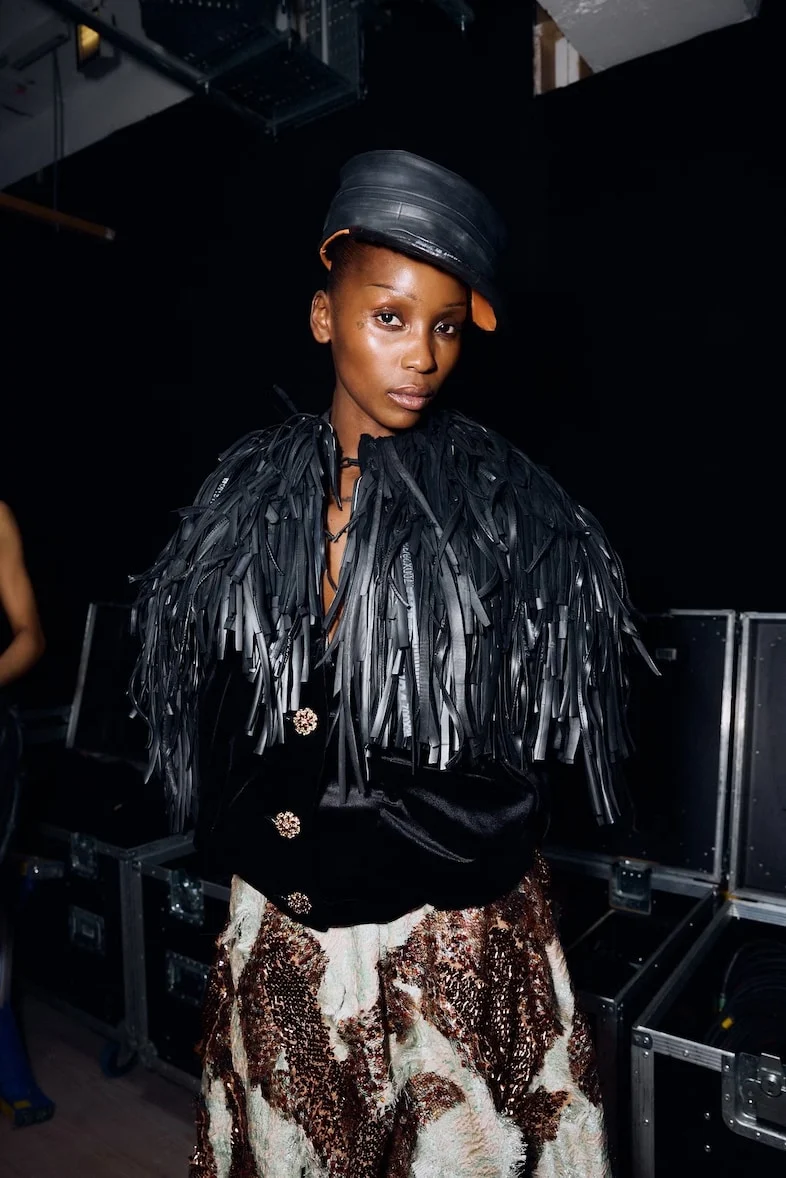
The intersection of high fashion, social commentary, and environmental advocacy is rarely as profoundly articulated as in the work of Arielle Uno-Ekwang, the prodigious Central Saint Martins (CSM) MA Fashion graduate. Operating under her distinctive brand, Marachii, Uno-Ekwang has not only captivated the discerning eye of industry titans like Amanda Harlech, a long-standing consultant for Chanel, but has also leveraged her platform to confront the harrowing realities of female oppression within Nigeria’s Niger Delta oil industry. Her debut collection, "RUST" – an acronym for "Rebuilding Us Slowly Through Nature" – presented at the prestigious CSM MA show during London Fashion Week in February 2026, serves as a powerful testament to fashion’s capacity for narrative and transformation, imagining a "glamorous new reality" emerging from societal and environmental collapse.
The Ascendance of a Visionary: Arielle Uno-Ekwang’s Path to Central Saint Martins
Arielle Uno-Ekwang’s journey into the upper echelons of fashion began far from the glittering runways of Paris or London. Raised in South London, her early childhood was infused with an innate creative drive, manifest in her incessant desire to craft new outfits for her dolls, often at the expense of her household curtains. This nascent passion was further fueled by popular culture, notably the Disney Channel series That’s So Raven, which depicted a young fashion designer pursuing her dreams, offering a tangible aspiration for Uno-Ekwang. This formative period, coupled with her rich Nigerian heritage from the Igbo and Calabar tribes – her Igbo name, Amarachi, being the root of her brand "Marachii" – laid the groundwork for a design philosophy deeply rooted in personal identity and cultural storytelling.
At 22 years old in 2024, Uno-Ekwang’s academic trajectory reflects a thoughtful blend of creative and strategic thinking. Her undergraduate studies in BA Fashion with Business Studies at the University of Brighton provided her with a comprehensive understanding of both the artistic and commercial facets of the fashion industry. This dual perspective proved invaluable as she navigated the rigorous demands of the MA Fashion course at Central Saint Martins, one of the world’s most competitive and revered fashion institutions. CSM is renowned for its alumni, including Alexander McQueen, Stella McCartney, and John Galliano, and its curriculum emphasizes conceptual innovation and critical inquiry, pushing students to challenge conventional design paradigms. Securing a place, let alone thriving, within such an environment speaks volumes about Uno-Ekwang’s talent and intellectual rigor.
The Chanel Endorsement: A Beacon of Recognition and Mentorship
A pivotal moment in Uno-Ekwang’s burgeoning career was her selection as a Chanel scholar in 2024. This prestigious scholarship, often awarded to exceptional talents, signifies not only financial support but also an unparalleled level of industry validation and access. Through this program, Uno-Ekwang gained the invaluable mentorship of Amanda Harlech, a figure whose influence in the fashion world is virtually unparalleled. Harlech, celebrated for her profound intellect, encyclopedic knowledge, and sophisticated aesthetic sensibility, has been an indispensable muse and advisor to some of fashion’s most iconic designers. Her long-standing collaborations with John Galliano during his transformative years in the 1980s and 90s, where she was instrumental in shaping his historically rich collections, and her subsequent pivotal role as a consultant for Karl Lagerfeld at Chanel, underscore her stature as a fashion oracle.
Harlech’s mentorship provided Uno-Ekwang with a unique opportunity to refine her vision under the guidance of a master. "She really understood my way of thinking, especially in terms of the human relationship to the natural world," Uno-Ekwang explained, highlighting the alignment between her conceptual approach and Harlech’s discerning perspective. The Chanel scholarship also facilitated a groundbreaking collaboration: Uno-Ekwang was granted permission to incorporate reworked Chanel pieces into her graduate collection. This unprecedented gesture from a luxury house of Chanel’s caliber is a powerful endorsement, signaling profound trust in Uno-Ekwang’s design integrity and artistic vision. It transcends mere financial aid, offering a symbolic bridge between established luxury and avant-garde emerging talent, demonstrating Chanel’s commitment to nurturing the future of fashion while acknowledging Uno-Ekwang’s potential to redefine it. Additionally, support from the British Fashion Council (BFC) further cemented her position as a designer to watch, illustrating the broader industry’s collective effort to cultivate innovative talent within the UK fashion ecosystem.
"RUST": A Collection Addressing the Niger Delta’s Scars
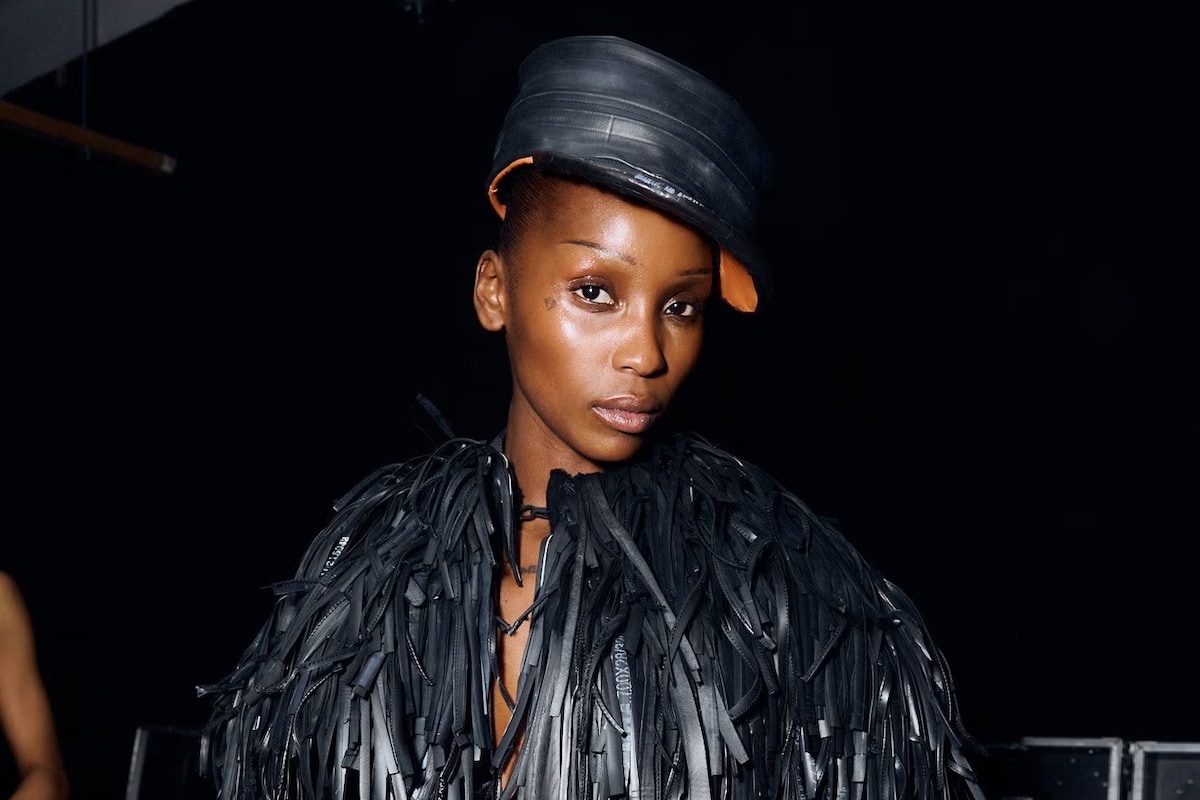
Uno-Ekwang’s graduate collection, "RUST," is far more than an aesthetic statement; it is a meticulously researched and emotionally charged narrative woven into fabric and form. The collection’s title, an acronym for "Rebuilding Us Slowly Through Nature," immediately signals its thematic core: decay, resilience, and the potential for regeneration. It directly confronts the devastating socio-environmental crisis in Nigeria’s Niger Delta region, a crisis Uno-Ekwang chose to illuminate through the lens of fashion.
The Niger Delta, a vast wetland region in southern Nigeria, has been the epicenter of Nigeria’s oil industry since the mid-20th century. While oil extraction has been the backbone of Nigeria’s economy, generating significant wealth for the nation, it has simultaneously unleashed an environmental catastrophe and exacerbated socio-economic inequalities for the local populations. Decades of oil spills, gas flaring, and inadequate waste management have severely polluted the region’s delicate ecosystems, destroying fishing grounds, contaminating farmlands, and poisoning water sources. The UN Environment Programme (UNEP) in 2011 reported widespread and severe oil contamination in Ogoniland, a part of the Niger Delta, indicating that restoration could take 25-30 years. Amnesty International and other human rights organizations have extensively documented the devastating impact on human health and livelihoods, leading to widespread poverty, food insecurity, and social unrest.
Within this context, women in the Niger Delta face compounded vulnerabilities. They are often disproportionately affected by environmental degradation, as their traditional roles in agriculture and fishing are directly undermined. Furthermore, existing patriarchal structures within the oil-dominated industry and society at large often marginalize women, limiting their access to resources, decision-making power, and justice. Uno-Ekwang’s inspiration for "RUST" stemmed directly from the documentary Daughters of the Niger Delta, which poignantly chronicles the struggles of local women navigating these oppressive systems.
However, instead of dwelling on victimhood, Uno-Ekwang chose to "flip the narrative." Her collection speculates on a future where these women, having endured and adapted, emerge as matriarchs, leading a "glamorous new reality" post-collapse. This vision is steeped in resilience, reclaiming femininity and autonomy in a world reshaped by their strength. Uno-Ekwang’s research extended beyond contemporary documentaries, drawing from her own family history within the Niger Delta and exploring the vibrant, often psychedelic, aesthetic of 1970s Nigerian rock music, which offered a cultural counterpoint of defiance and creativity. The collection also incorporated obscure rusted objects from the English countryside, physically embodying the concept of decay and transformation.
Sustainable Innovation and the Aesthetics of Transformation
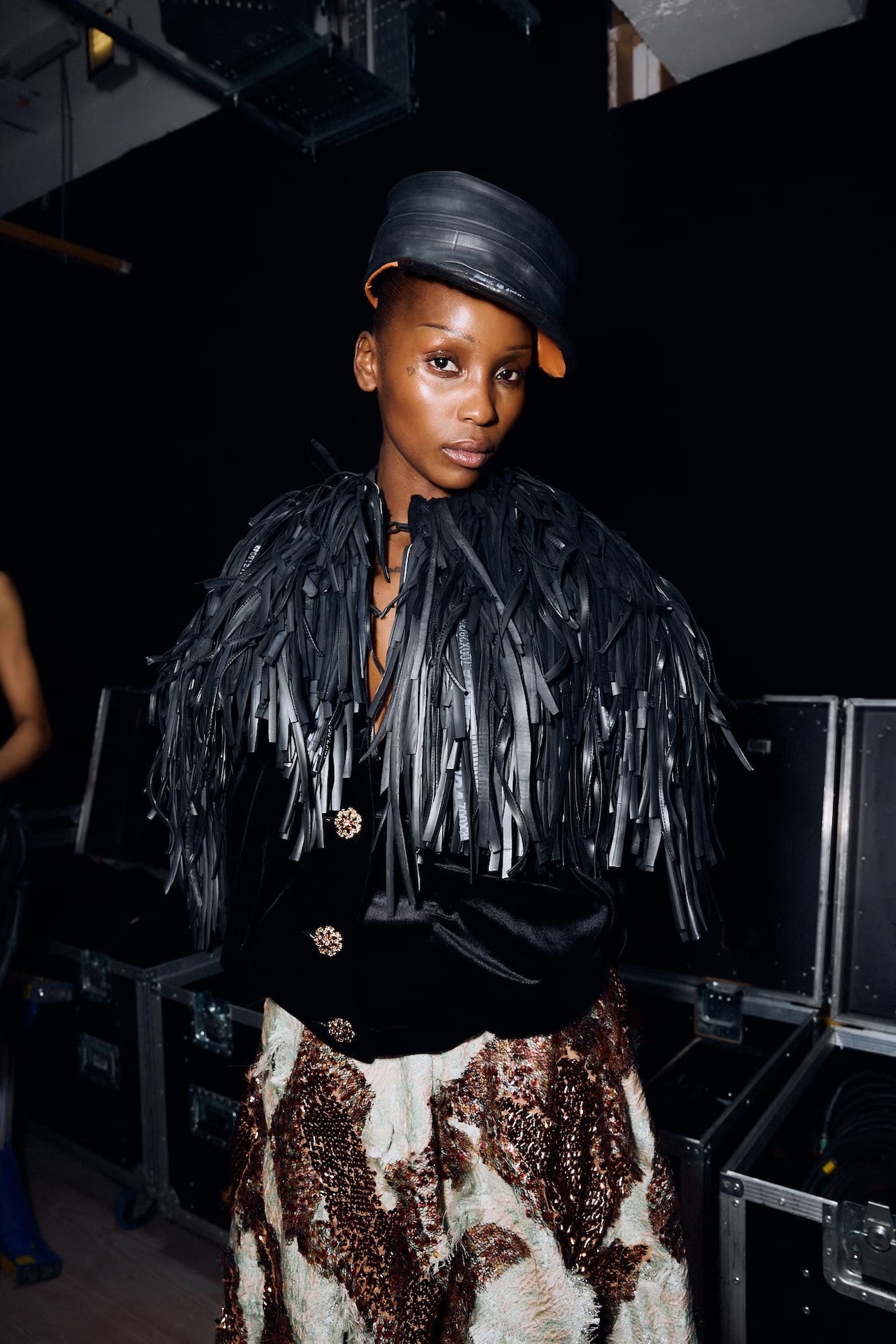
At the heart of "RUST" lies a profound commitment to sustainability, interpreted not merely as preservation but as a radical system of transformation. Uno-Ekwang consciously sourced materials from waste products, notably repurposing discarded tyres. This choice is both a critique of unchecked industrial waste and a proposed solution, demonstrating that beauty and utility can be extracted from materials typically destined for landfills. Working with such unconventional materials presents significant design challenges, requiring innovative techniques for cutting, molding, and integrating them into wearable garments. Uno-Ekwang’s success in this endeavor underscores her technical skill and creative ingenuity.
Her philosophy challenges conventional notions of beauty, explicitly stating, "I don’t design conventional ideas of beauty. That’s why I’m drawn to unconventional materials. Working with them is about finding a point where ugliness and beauty stop being opposites and start becoming a language." This aesthetic stance aligns with a growing movement in avant-garde and sustainable fashion that seeks to redefine luxury and desirability. Designers are increasingly exploring textures, forms, and narratives that emerge from repurposing and deconstruction, creating garments that tell a story of their origins and transformation. The "ugliness" of industrial waste, when meticulously crafted and conceptually framed, transforms into a powerful, poignant beauty that provokes thought and challenges consumer expectations. This approach contributes significantly to the discourse on circular fashion, moving beyond mere recycling to a more holistic reimagining of material lifecycles and value creation.
London Fashion Week and the Broader Impact
The CSM MA show, held during London Fashion Week in February, is a critical platform for emerging designers, often regarded as a barometer for future talent in the global fashion industry. Its reputation as a launchpad for visionary designers ensures significant media attention and industry scrutiny. For Uno-Ekwang, presenting her final collection at this event was the culmination of years of dedication, a moment she described with the evocative imagery of The Verve’s "Bitter Sweet Symphony." The intense, solitary process of developing a unique creative language suddenly culminates in a public unveiling on a grand stage, a profound and exhilarating experience. The decision to brand her collection under "Marachii" rather than her given name further solidified her brand identity, establishing a distinct presence for her deeply personal and culturally rooted vision.
Uno-Ekwang’s work, through Marachii, resonates with several broader implications for the fashion industry and beyond. Firstly, it amplifies the burgeoning influence of African designers and narratives on the global fashion stage. For too long, the industry has been dominated by Eurocentric perspectives. Designers like Uno-Ekwang are forcefully asserting diverse cultural identities and addressing pressing global issues through a unique lens, enriching the tapestry of contemporary fashion. This trend reflects a wider cultural shift towards recognizing and celebrating the creativity emerging from the African continent.
Secondly, Marachii exemplifies fashion as a powerful tool for activism and storytelling. By explicitly linking her designs to the plight of women in the Niger Delta and the environmental devastation wrought by the oil industry, Uno-Ekwang elevates fashion beyond mere adornment. Her garments become wearable statements, provoking dialogue, raising awareness, and offering a hopeful vision for social and ecological justice. This approach aligns with a growing consumer demand for brands with ethical practices and a clear purpose.
Looking ahead, Uno-Ekwang’s ambitions are as expansive as her vision. She expresses a desire to dress Solange Knowles, an artist renowned for her experimental glamour, profound cultural storytelling, and intentional artistic practice – qualities that mirror Marachii’s ethos. This aspiration highlights a synergy between two artists who use their respective mediums to explore identity, heritage, and social commentary. Beyond individual style, Uno-Ekwang dreams of shaping the industry from within, aspiring to become a design director for an established house. In such a role, she envisions infusing her unique perspective on sustainability and cultural narrative into a larger brand, potentially pushing the boundaries of what a luxury house can represent in the 21st century.
Perhaps her most radical ambition is to champion an independent fashion system that is "seasonless" and driven by genuine need rather than relentless consumer cycles. The current fashion calendar, with its constant demand for new collections, contributes significantly to overproduction, waste, and unsustainable consumption patterns. Uno-Ekwang’s vision of creating garments "only made when the world needs it" is a direct challenge to this paradigm, advocating for a slower, more thoughtful, and inherently sustainable model. This disruptive approach, if realized, could serve as a powerful blueprint for an industry grappling with its environmental footprint and ethical responsibilities. Arielle Uno-Ekwang, through Marachii, is not merely designing clothes; she is crafting a future, offering a compelling argument that perhaps, a fashion world yearning for purpose, innovation, and authenticity, is precisely what Marachii needs right now.