








In an increasingly conscious global marketplace, the demand for ethical and sustainable fashion extends far beyond casual wear, now encompassing even the most formal of attire: men’s dress shoes. Consumers are actively seeking footwear that not only meets aesthetic and functional requirements for the office, weddings, job interviews, or special events but also aligns with their core values regarding environmental stewardship and social equity. This shift represents a significant evolution in consumer behavior, prompting brands to innovate and transparently communicate their practices. Organizations like Good On You are at the forefront of this movement, providing meticulously curated recommendations of responsible footwear brands, offering a crucial guide for those aiming to invest in Derby shoes, Oxfords, boots, and smart sneaker styles that embody both quality and conscience.
The Evolving Landscape of Sustainable Fashion and Footwear
The narrative around sustainable fashion has gained considerable momentum over the past decade, moving from a niche concern to a mainstream imperative. While significant progress has been made across various clothing categories, the footwear industry, particularly for men’s formal shoes, has historically lagged. This can be attributed to several factors, including complex global supply chains, traditional manufacturing processes reliant on conventional materials, and a focus on durability often at the expense of environmental impact. However, a noticeable acceleration in innovation and commitment to responsibility is now evident, driven by both consumer pressure and a growing understanding among manufacturers of their ecological and social footprint.
The journey towards truly sustainable footwear is multifaceted. It involves rethinking material sourcing, manufacturing processes, labor practices, and end-of-life solutions. Traditional leather production, for instance, is often associated with significant environmental burdens, including deforestation, water pollution from tanneries, and greenhouse gas emissions. Similarly, synthetic materials frequently rely on fossil fuels and contribute to plastic waste. Addressing these challenges requires a holistic approach, from utilizing innovative plant-based alternatives and recycled materials to implementing closed-loop production systems and ensuring fair wages and safe working conditions for all laborers in the supply chain.
The Environmental and Social Imperative: Data Driving Change
The urgency for sustainable practices in the footwear industry is underscored by compelling data. The global footwear market is projected to reach over $400 billion by 2026, with billions of pairs produced annually. This massive scale translates into a substantial environmental footprint. A single pair of leather shoes, for example, can have a carbon footprint equivalent to 10-20 kg of CO2, depending on the production methods and materials. Water consumption is also a major concern, with leather processing alone requiring vast quantities. Moreover, the industry generates millions of tons of waste, much of which ends up in landfills due to the composite nature of shoes, making them difficult to recycle.
Beyond environmental impact, the social dimensions of footwear production are equally critical. Reports from various non-governmental organizations consistently highlight issues such as low wages, excessive working hours, and unsafe conditions in manufacturing facilities, particularly in developing countries. The lack of transparency in intricate supply chains makes it challenging for consumers to ascertain the ethical credentials of their purchases. This confluence of environmental degradation and social injustice forms the bedrock of the movement towards ethical footwear, pushing for greater accountability and traceability from brands. Consumers are increasingly demanding to know "who made my clothes" and "what are my shoes made of," transforming purchasing decisions into statements of personal values.
Defining Ethical Footwear: Good On You’s Rigorous Methodology
In response to this complex landscape, platforms like Good On You have emerged as indispensable resources for conscious consumers. Their robust rating system provides a transparent and comprehensive assessment of fashion brands’ impact across three key pillars: people, planet, and animals. This methodology, developed by diverse experts, aggregates publicly available information, certifications, and independent audits to assign brands a simple five-point scale rating, from "We Avoid" to "Good" or "Great."
For footwear, a "Good" or "Great" rating signifies a brand’s significant contributions to sustainability. This includes:
- Material Innovation: Prioritizing lower-impact materials such as recycled content (e.g., recycled polyester, rubber), organic fibers, bio-based leathers (e.g., mushroom leather, apple leather), and innovative plant-based synthetics. Brands may also focus on responsibly sourced animal-derived materials, adhering to strict animal welfare standards and minimizing environmental impact.
- Labor Practices: Demonstrating commitment to fair wages, safe working conditions, freedom of association, and ethical treatment of workers throughout their supply chain. This often involves robust supplier codes of conduct, independent audits, and transparent reporting.
- Environmental Management: Implementing strategies to reduce water consumption, minimize waste, decrease greenhouse gas emissions, and avoid hazardous chemicals in their manufacturing processes. Brands might invest in renewable energy, employ circular design principles, or offer repair services to extend product life.
Good On You’s editorial team meticulously curates recommendations, ensuring that featured products meet high standards of quality, longevity, and trend-transcendence. This rigorous vetting process empowers consumers to make informed choices, simplifying what can often be an overwhelming search for truly responsible options. The platform’s "buy less, buy better" motto encourages thoughtful consumption, emphasizing investment in durable, ethically produced items rather than frequent, disposable purchases.
Navigating the Market: A Curated Selection for the Conscious Consumer
For those ready to invest in new ethical dress shoes, the market, though still evolving, now offers compelling choices. Good On You highlights a range of styles, from the classic elegance of Oxford shoes and Derby shoes to the contemporary versatility of Chelsea boots and smart sneakers, all from brands committed to responsible practices.
Before purchasing new, consumers are always encouraged to explore alternatives such as second-hand stores, online resale platforms, or clothing swaps. This circular approach significantly reduces demand for new production and extends the life cycle of existing garments and footwear. However, when a new investment is necessary, the curated selection points towards brands that are actively addressing the industry’s challenges.
Examples of highly-rated brands making strides in ethical men’s footwear include:
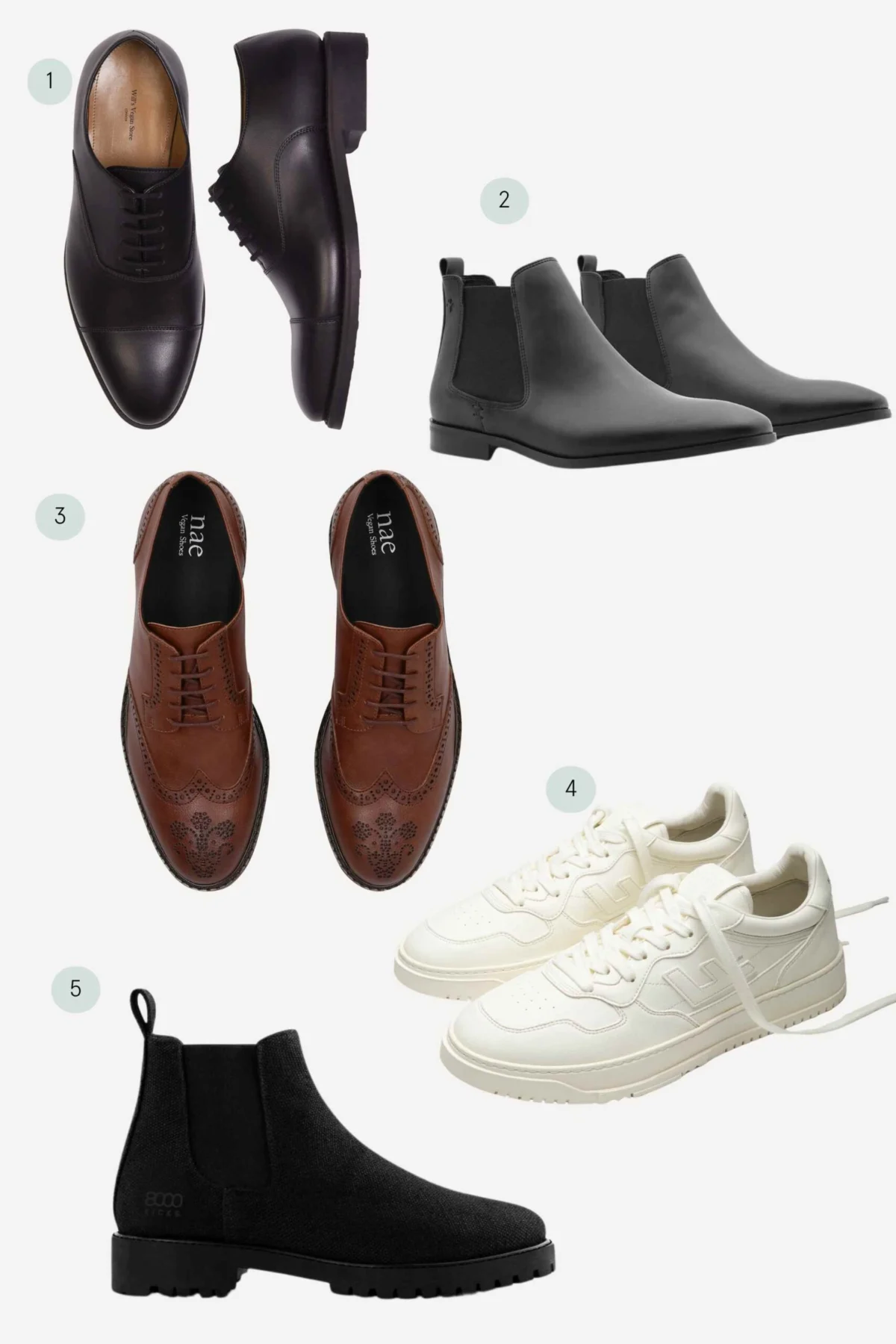
- Will’s Vegan Store: A pioneer in vegan footwear, Will’s offers Goodyear Welted Vegan Oxford Shoes, demonstrating that traditional craftsmanship can be achieved without animal products. Their commitment to ethical production extends to their entire supply chain.
- COG Vegan: Specializing in vegan alternatives, COG provides stylish Vegan Chelsea Boots, showcasing how animal-free materials can meet the demands of sophisticated design and durability.
- NAE Vegan: Another leader in the vegan footwear space, NAE produces Gael Vegan Brogues, utilizing innovative plant-based materials to recreate classic styles with a minimal environmental footprint.
- Flamingos’ Life: Known for their commitment to sustainability, Flamingos’ Life offers products like the Ventura Vegan Sneakers, merging casual style with responsible sourcing and manufacturing.
- 8000Kicks: Pushing the boundaries of material innovation, 8000Kicks provides The Crossover Hemp Chelsea Boot, leveraging the durability and low environmental impact of hemp for modern footwear solutions.
These brands exemplify the growing trend towards utilizing recycled materials, organic cotton, plant-based leathers, and other innovative fabrics, while also ensuring transparent and ethical manufacturing processes. Each brand’s dedicated page on the Good On You directory offers granular details about their specific actions and ratings, empowering consumers to delve deeper into their commitments.
Beyond Gendered Marketing: An Inclusive Approach to Footwear
A progressive aspect of the sustainable fashion movement, championed by platforms like Good On You, is the increasing recognition of fashion’s inherent gender fluidity. While this article, like many others, addresses "men’s shoes" due to common search terms, the fundamental truth is that clothing, shoes, and accessories possess no inherent gender. The industry’s historical ascription of gender to inanimate garments often creates artificial binaries that restrict personal expression.
Good On You advocates for a future where individuals of all genders can express themselves authentically, unconstrained by traditional marketing labels. Consequently, their directory’s search functionality is designed to deliver gender-neutral results by default, allowing users to discover products based on style, material, and ethical credentials rather than prescribed gender categories. Filters remain available for those who specifically seek products labeled as menswear or womenswear, but the default approach underscores a commitment to inclusivity and personal autonomy in fashion choices. This philosophy extends beyond mere convenience; it challenges outdated norms and promotes a more expansive, self-determined approach to dressing.
The Broader Implications: A Shift Towards Conscious Consumption
The growing focus on ethical men’s dress shoes signifies more than just a niche market trend; it reflects a broader societal shift towards conscious consumption. This movement has profound implications for the entire fashion industry, driving innovation, fostering transparency, and recalibrating the relationship between brands and consumers.
For brands, the imperative to adopt sustainable practices is no longer merely a marketing advantage but an expectation. This pushes manufacturers to invest in research and development for new materials, optimize production processes for efficiency and reduced waste, and scrutinize their supply chains for ethical compliance. Those that fail to adapt risk losing relevance in an increasingly discerning market.
For consumers, the availability of platforms like Good On You translates into unprecedented empowerment. The ability to make informed choices that align with personal values transforms shopping from a purely transactional activity into an act of ethical engagement. This fosters a deeper connection to products and encourages a "buy less, buy better" mentality, prioritizing longevity and quality over fleeting trends.
The future of footwear is likely to see further advancements in circularity, where products are designed for disassembly, repair, and eventual recycling, minimizing waste and maximizing resource utilization. Material science will continue to yield groundbreaking alternatives, reducing reliance on environmentally damaging resources. Increased regulatory oversight and industry-wide collaboration will also play crucial roles in accelerating this transformation. The collective effort of brands, consumers, and policymakers is essential to fully realize a fashion industry that is truly sustainable and equitable.
Editorial Integrity and Continuous Review
Good On You remains committed to providing trustworthy and up-to-date recommendations. Their comprehensive ratings of fashion brands’ impact on people, the planet, and animals are regularly updated to reflect new information and evolving industry standards. The curation of "Good" or "Great" rated brands ensures that consumers are directed towards companies making genuine and significant contributions to sustainable fashion. This article, last updated on 12 May 2026, reflects the latest insights and product recommendations, ensuring that the information provided remains current and relevant for the conscious consumer navigating the ethical footwear market.