








The persistent concern of thinning hair often overshadows other common hair challenges faced by men, such as dealing with thick, wavy, or generally unruly hair. These hair types, while often perceived as desirable, can present significant styling and management difficulties, impacting not only appearance but also self-confidence. Research from Yale University indicates a correlation between dissatisfaction with one’s hair and increased self-consciousness, self-criticism, and reduced sociability. The psychological impact of a "bad hair day" can be substantial, affecting self-esteem significantly. Understanding the unique characteristics of one’s hair is the foundational step in achieving a manageable and stylish outcome.

Hair type is determined by a combination of factors, including the thickness of individual hair strands and their structural shape. Hair thickness can range from approximately 50 microns for fine hair to over 100 microns for thicker strands, also influenced by the total number of hairs on the scalp. The cross-sectional shape of a hair shaft dictates its behavior: round shafts, common in Asian hair, result in straight, flat hair; slightly oval shafts, typical of Caucasian hair, can lead to fine textures with varying degrees of waviness; and flat, curved shafts, characteristic of Afro-Caribbean hair, create distinct curl patterns. Hair density, or the number of individual hair shafts, is also influenced by hair color, with blondes generally having the most hair and redheads the least. As Wendy Lewis, author of "Hair Affair," aptly states, "Half the battle is learning how to work with the hair you’ve been given." This guide aims to equip men with the knowledge and strategies to effectively manage and style their unique hair types.
Navigating Thick Hair: Volume and Manageability
Thick hair, while often envied, can be a source of constant annoyance due to its sheer volume and inherent manageability challenges. Jaymarie Winkler, a store manager at Ruffians barbershop, highlights that the primary concerns with thick hair are controlling its volume and ensuring it is manageable.

Styling Strategies for Thick, Wavy Hair
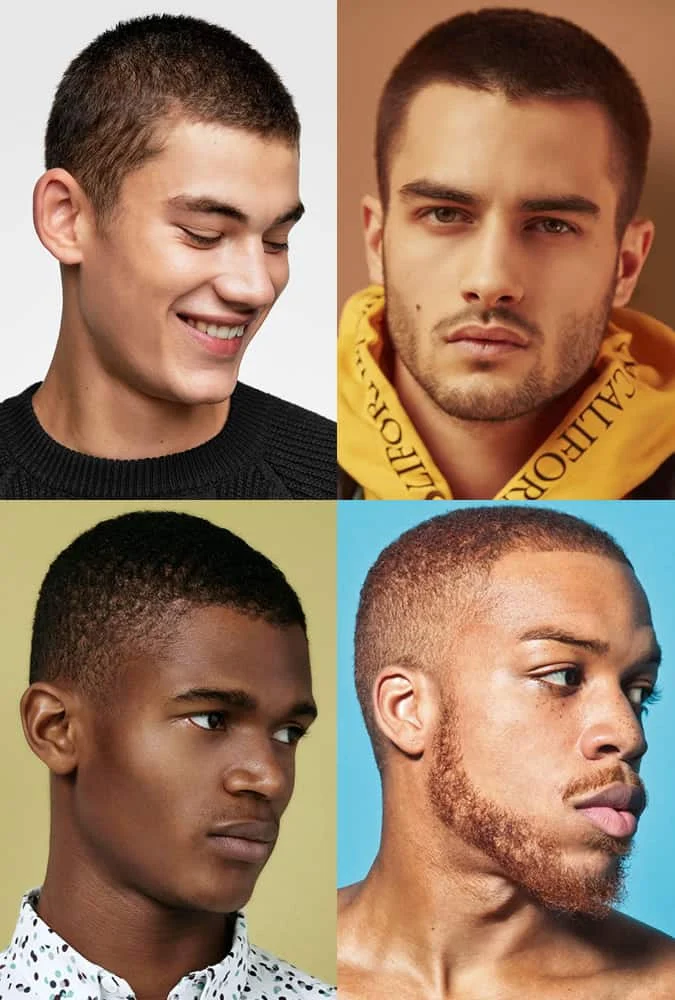
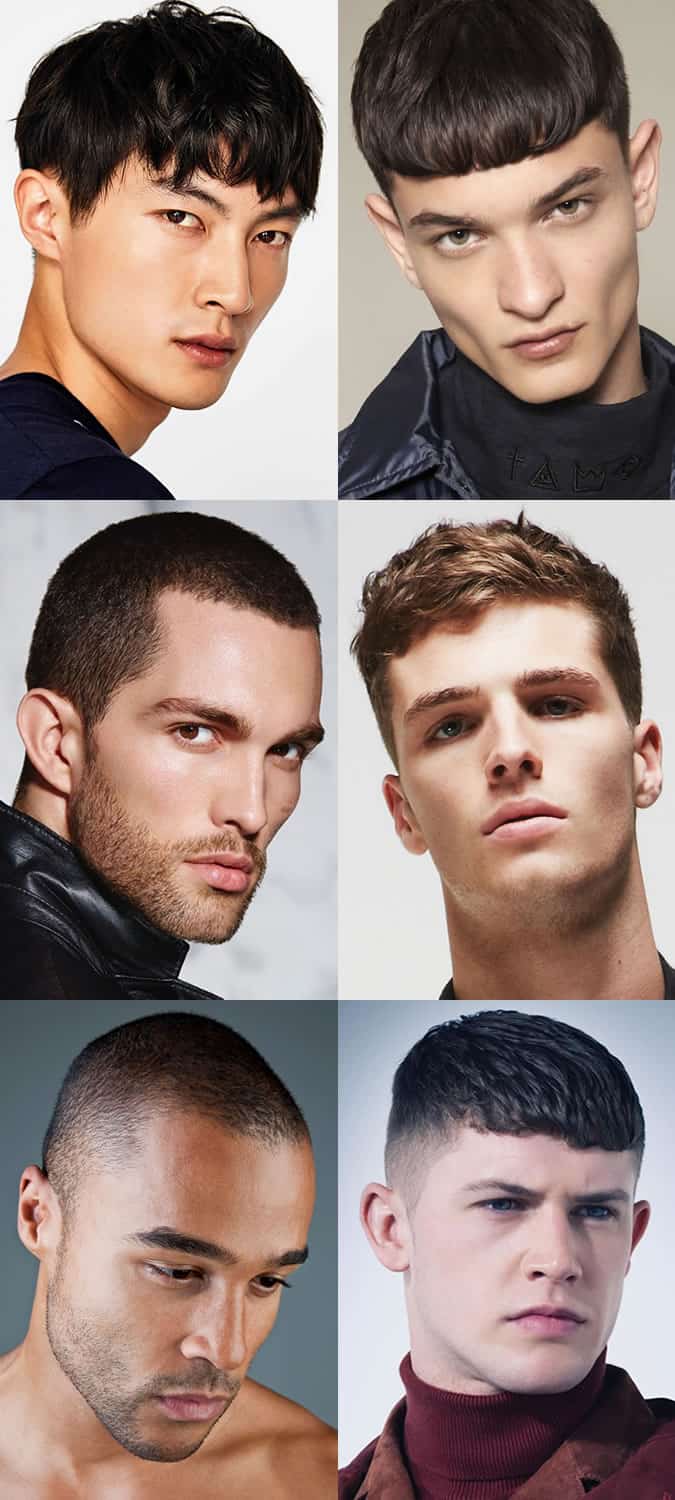
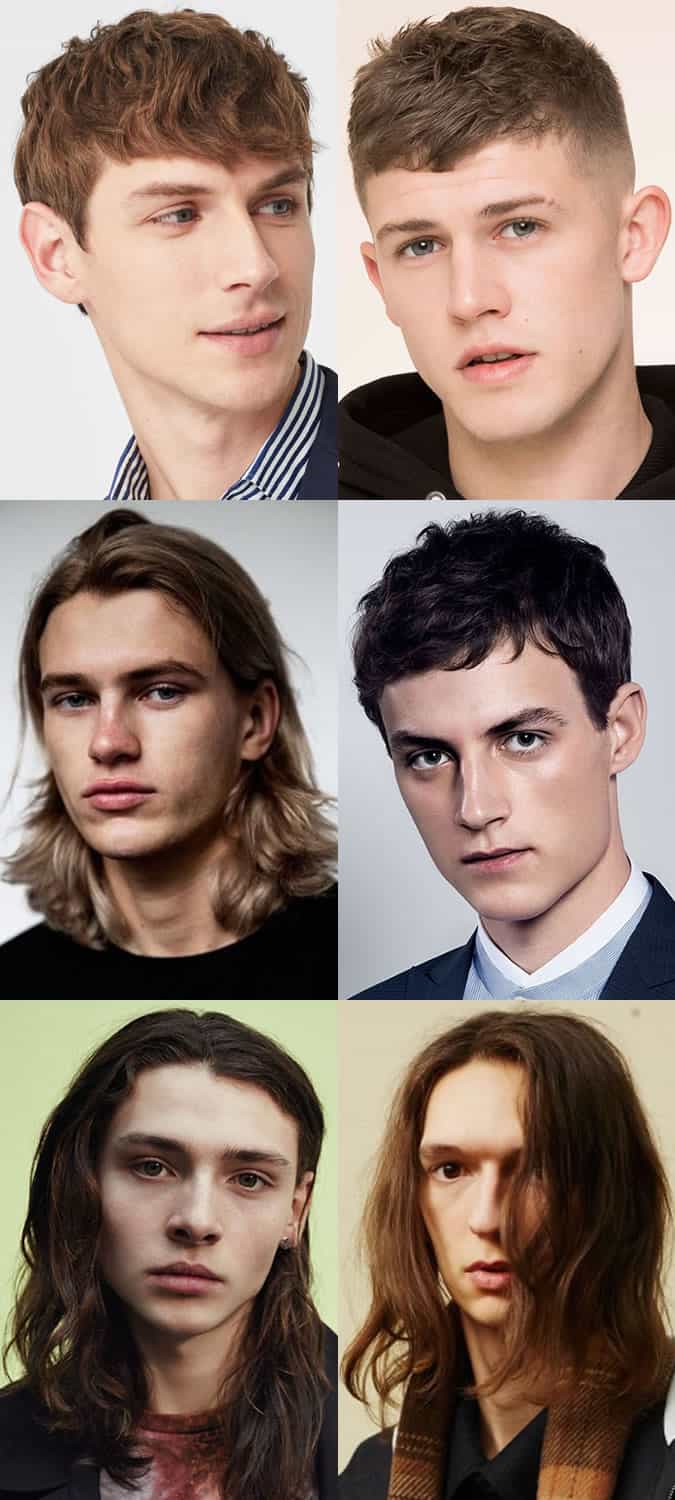
For men with thick, wavy hair, shorter hairstyles often prove most effective. Cuts like the Caesar fringe, buzz cuts, textured crops, and short, choppy quiffs offer excellent control and definition. For those who prefer longer hair, a men’s ponytail can be a practical solution to keep the hair off the face. If the hair is exceptionally thick, consulting a barber for thinning or texturizing with specialized scissors can help reduce weight and improve manageability. However, it is crucial to avoid this technique if the hair is also coarse, as it can exacerbate frizz. Allowing hair to air dry whenever possible is recommended, as blow-drying can increase volume. If blow-drying is necessary, using a cool setting is advisable.
Product Recommendations for Thick Hair
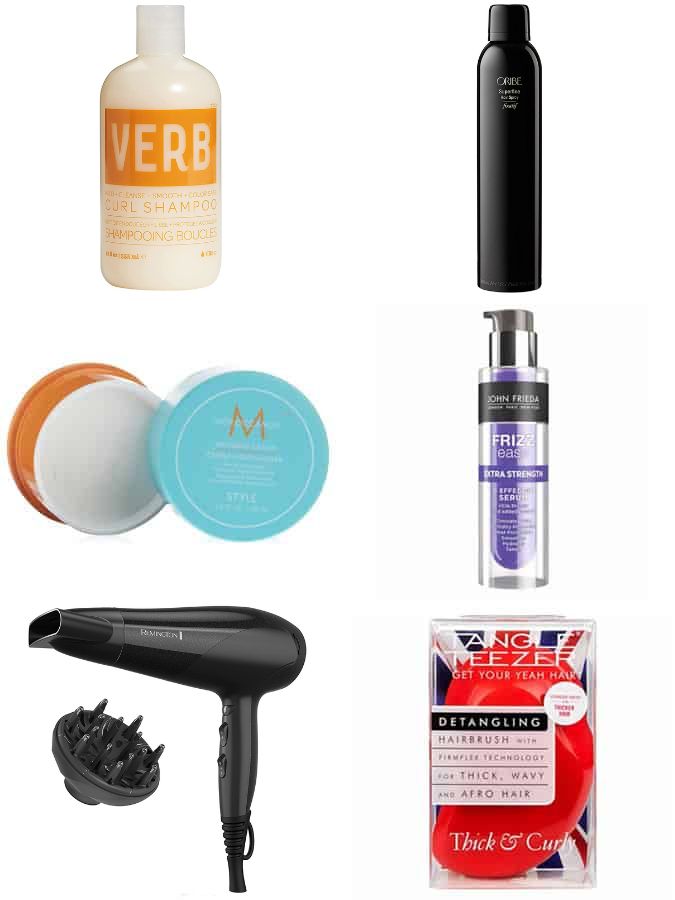
Men with thick, wavy hair should avoid volumizing mousses. Instead, styling products that offer hold without adding excess volume or stickiness are ideal. Hair clays and hair pastes are excellent choices. According to Paul Morgan, a master barber at Jacks of London, a good moisturizing shampoo and conditioner are essential to prevent hair from drying out. Dry hair, with its raised cuticles, appears thicker and straw-like. Conditioners also play a vital role in keeping thick, wavy hair manageable and achieving a sleeker, less voluminous appearance. Moroccan Oil is particularly beneficial for thick hair, providing moisture and, with consistent use, can soften the hair’s texture.
Embracing Wavy Hair: The "Holy Grail" of Hair Types
Approximately 40% of Caucasian men have slightly wavy hair, a texture shared by notable figures like David Gandy, Orlando Bloom, and Roger Federer. Wavy hair, like curly hair, can appear bulky and is susceptible to environmental factors such as humidity, which can enhance the wave pattern. It can also lead to tangling, especially in longer styles.
Styling Techniques for Wavy Hair
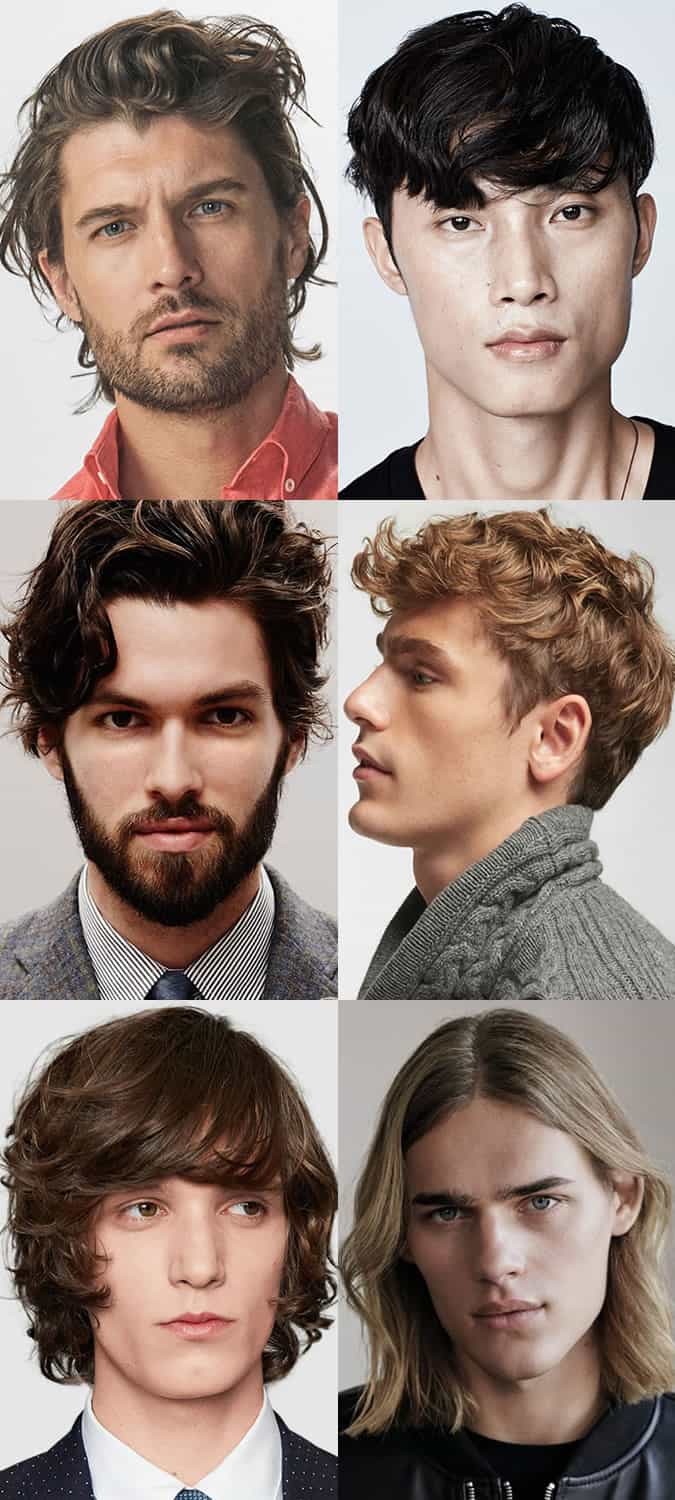
Winkler describes wavy hair as "the holy grail of hair types," as most styles work well with it. Styles that are pushed back effectively showcase the natural wave. For men with hair that is both thick and wavy, barbers can use razors or thinning scissors to reduce bulk without risking frizz. Popular wavy hairstyles include the undercut, where the sides and back are kept short while the hair on top is longer; the classic side part, with the fringe falling forward; and loose, tousled styles reminiscent of Jon Snow or Harry Styles. For greater control over the wave, keeping the hair under three inches is often recommended. To manage long, unruly wavy hair, tying it loosely overnight can create a natural, effortlessly cool look by morning.

Product Selection for Wavy Hair
The market offers a wide array of products for men with wavy hair. Key to success is finding the right product for your specific wave pattern. Winkler suggests using sea salt spray or volumizing hair spray to add texture and hold before applying a glossy pomade or styling paste. Products designed to define and enhance curls and waves, along with anti-frizz serums, can help achieve a polished look. For those wishing to temporarily straighten wavy hair, ceramic straighteners are an option. Precision is key for shorter styles, necessitating models with smaller plates.
Taming Curly Hair: Texture and Hydration
Curly hair’s texture is determined by the shape of the hair follicle beneath the scalp. Typically, curly hair is coarser and holds less moisture, making it prone to dryness. It also absorbs light rather than reflecting it, contributing to a less shiny appearance. Humidity can exacerbate frizz, making protective styling products essential.
Styling Approaches for Curly Hair
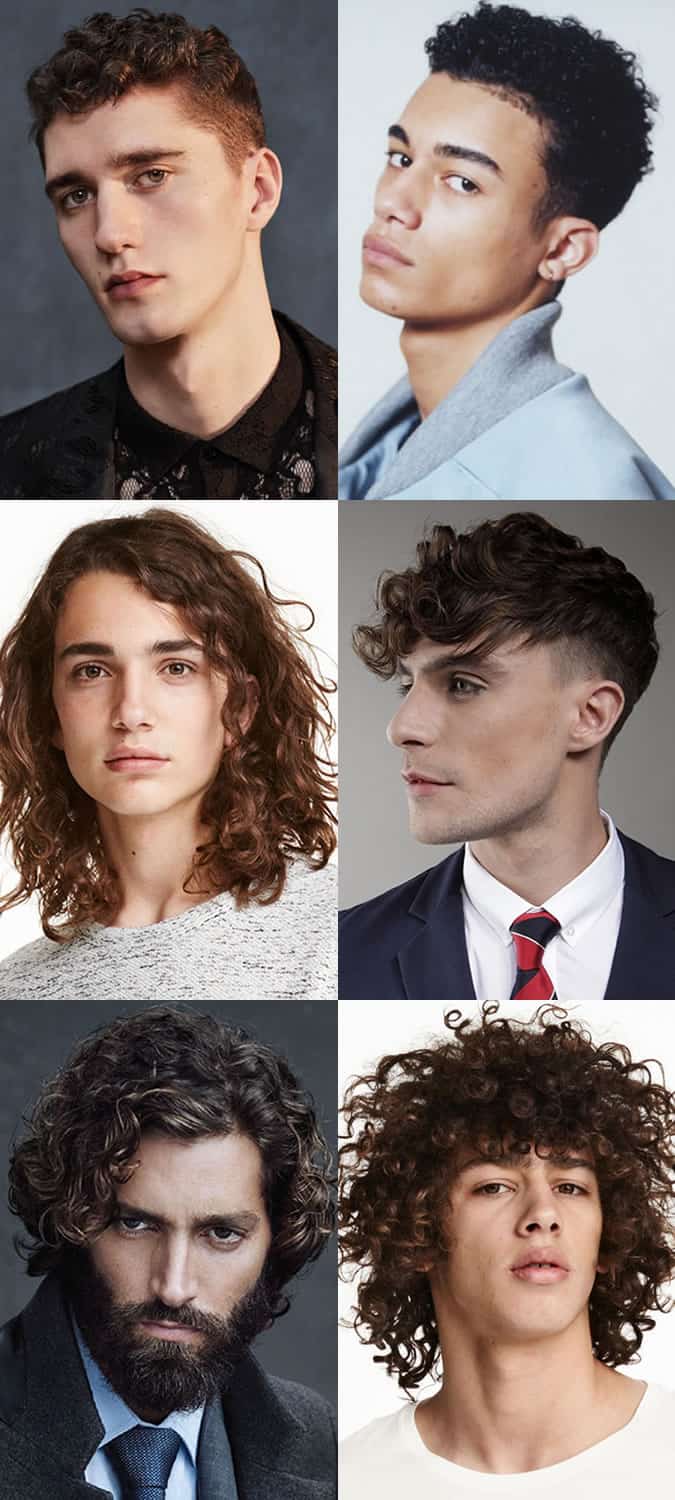
Managing curly hair can be overwhelming for many men. Options range from keeping it cropped, as Justin Timberlake does with his curly mop-top, to chemical treatments to relax the curls. However, the most authentic and often easiest approach is to embrace and work with natural texture. Celebrities like James Franco and Adrian Grenier showcase the versatility of curly hair. To maintain and define curls, a flat, layered cut is recommended by Morgan to create a full, curly finish, avoiding excessive thinning or texturizing that can lead to frizz. Curly undercuts and curly quiffs are stylish options, as is growing the hair to jaw-length. It is crucial to have curly hair cut or shaped when dry, as its springiness changes when wet, ensuring the desired style and length.
Essential Products for Curly Hair
Product choice is paramount for curly hair. Morgan recommends a moisturizing shampoo to combat dryness and frizz, alongside styling products like Moroccan Oil Moulding Cream. This cream, applied to wet hair, is highly moisturizing, defines curls, and provides good hold. For detangling, brushes with flexible teeth designed for thick and curly hair are effective, gently smoothing cuticles and minimizing damage. Hairdryers with diffusers help protect hair and define curls without causing frizz. For a more relaxed curl, towel-drying and using a standard hairdryer nozzle can help straighten the hair. Straighteners can also be used for a temporary change of look. It’s important to note that heat styling, alcohol-based sprays, and mousses can further dry out curly hair, necessitating the use of moisture-rich, non-volumizing shampoos, nourishing styling products, and occasional deep conditioners.

Managing Unruly Hair: Cowlicks and Double Crowns
Unruly hair is characterized by its tendency to defy conventional styling due to natural quirks like cowlicks and double crowns. Cowlicks are small sections of hair that grow in a direction contrary to the rest of the hair, creating gravity-defying tufts. Double crowns are whorls of hair, often forming at the back of the head, which can be challenging for barbers to style around due to multiple growth centers.
Styling Solutions for Unruly Hair
For a pronounced double crown, committing to either a very long, choppy style or a very short cut is recommended. Longer hair can weigh the crown down, making it less noticeable, while short, choppy styles can help disguise it. Styles that fall between these extremes can exacerbate the problem, with different hair sections appearing to grow in disparate directions. Stubborn cowlicks are best managed with short, spiky, or textured hairstyles that incorporate the cowlick rather than fighting it.
Product and Technique Recommendations for Unruly Hair
While there isn’t a single "magic potion" for unruly hair, a combination of hair oil and specific styling techniques can make a significant difference. Blow-drying can temporarily alter the direction of hair growth, particularly for cowlicks. Growing the hair longer can also help by weighing down unruly sections. Interestingly, washing hair less frequently can be beneficial, as natural oils can help weigh down individual strands at the root, reducing their tendency to stick up.
Expert Insights and Trustworthy Recommendations
Lee Kynaston, an award-winning journalist and experienced male grooming expert, brings extensive knowledge to the curation of products for thick, wavy, and unruly hair. His approach prioritizes effectiveness, hair health, and positive user feedback. Kynaston’s background, detailed in his author profile and numerous publications, ensures that recommendations are grounded in thorough research and practical application. His expertise is further reinforced by his role as Lifestyle & Grooming Editor for Niven & Joshua and his recognition as Best Beauty/Grooming Blogger in 2013.
Frequently Asked Questions About Wavy, Curly, and Unruly Hair
How can men achieve wavy hair?
Men who are not naturally gifted with wavy hair can achieve this texture through several methods. Sea salt spray applied to towel-dried hair and scrunched towards the scalp can create a "beachy" effect. Braiding long hair overnight, loosely for soft waves or tightly for more defined curls, is another effective technique. Applying mousse to wet hair and blow-drying while scrunching can also help set waves. Hairspray can then be used to maintain the style.
Should wavy hair be brushed?
Brushing dry wavy hair can cause strands to separate, breaking down the wave pattern. It is generally recommended to detangle wavy hair by running fingers through it or using a wide-tooth comb after showering.
What are the best hairstyles for men with unruly hair?
For unruly hair, styles that work with its natural tendencies are often the most successful. This can include short, textured cuts that disguise cowlicks, or longer, layered styles that help weigh down rebellious sections. Communication with a skilled barber is key to identifying cuts that complement unique hair growth patterns.