











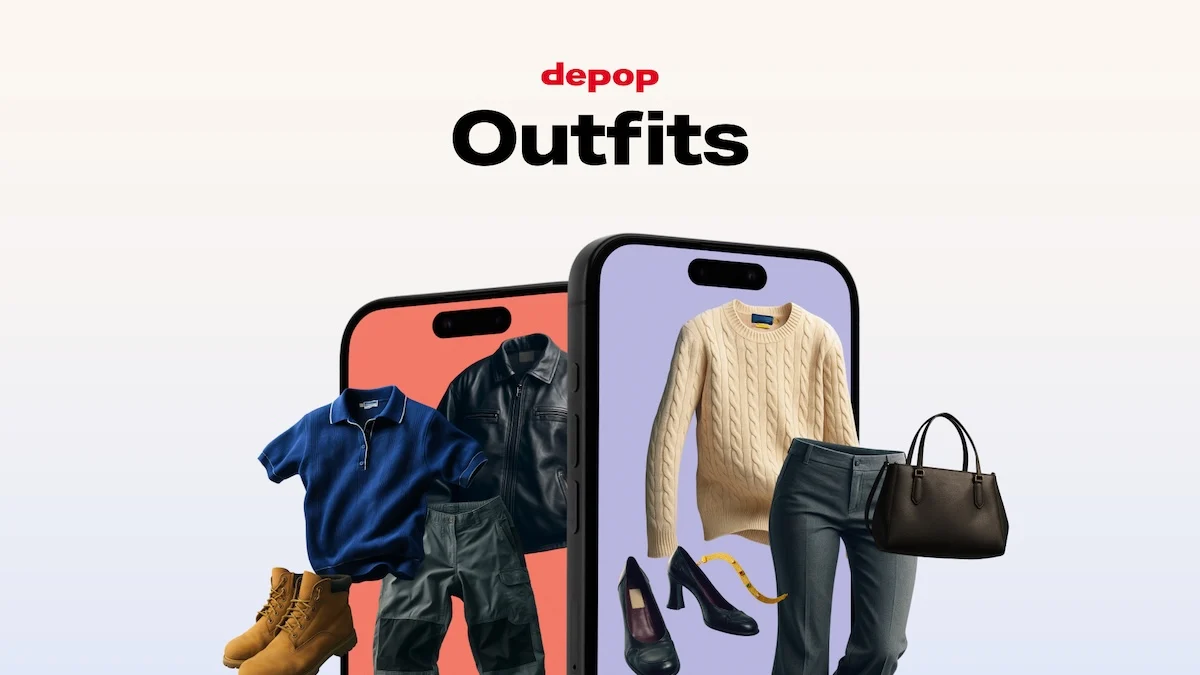
The fashion resale ecosystem underwent a significant digital transformation this Wednesday as Depop, the community-powered marketplace for unique and secondhand fashion, officially debuted its latest innovation: "Outfits." This new styling and collaging tool is meticulously engineered to cater to the aesthetic-driven habits of its core demographic, providing a sophisticated yet accessible interface for users to curate, visualize, and share complete ensembles. By integrating mood board-style functionality directly into its commerce platform, Depop is positioning itself at the intersection of social media creativity and transactional efficiency, effectively bridging the gap between inspiration and acquisition.
The introduction of Outfits arrives at a pivotal moment for the London-based company, which has seen its influence grow exponentially within the Gen Z and Millennial segments. The tool allows users to transcend traditional single-item listings, enabling a more holistic approach to fashion presentation. Within the Depop application, users can now select a primary item and utilize a "scissors" icon to initiate the styling process. This feature triggers an array of customization tools, including background removal, color palette selection, and adjustable image scaling. For users seeking structural guidance, Depop has integrated various layout templates designed to streamline the creation of professional-grade fashion collages.
Technical Functionality and User Experience
The technical architecture of the Outfits tool is designed for seamless integration with the existing marketplace infrastructure. Every item incorporated into a collage remains inherently shoppable, maintaining a direct link to the seller’s listing. This functionality ensures that the creative process serves a dual purpose: artistic expression for the creator and a streamlined path to purchase for the viewer. In an effort to mitigate the friction often caused by sold-out inventory, Depop has implemented an intelligent suggestion engine. If a specific piece within a curated outfit is no longer available, the app automatically recommends similar alternatives from its vast catalog, thereby maintaining the integrity of the original style concept while continuing to drive sales.
From a user experience perspective, the tool is remarkably intuitive. By clicking the scissors icon located on the right side of the product screen, users are transported to a dedicated workspace. Here, the "drag-and-drop" mechanics allow for the layering of multiple garments, accessories, and footwear. The inclusion of customizable backgrounds is particularly noteworthy, as it allows sellers and enthusiasts to align their collages with specific "aesthetics"—a cultural currency that is vital for success on the platform. Whether a user is aiming for "Y2K," "Gorpcore," or "Coquette," the tool provides the visual flexibility to communicate these themes effectively.
The Strategic Shift Toward Visual Curation
Depop’s decision to prioritize a collaging tool is a calculated response to broader trends in digital consumption. For over a decade, the fashion industry has witnessed the rise and fall of various curation platforms, most notably Polyvore, which was a pioneer in the digital mood board space before its controversial closure in 2018. The void left by Polyvore was eventually filled by niche apps and, more recently, by Pinterest’s "Shuffles."
Pinterest launched Shuffles in 2022 as a standalone invite-only app before integrating its core features into the main Pinterest platform due to overwhelming demand from Gen Z users. By adopting a similar strategy, Depop is not merely following a trend but is reclaiming the commerce-focused aspect of collaging. While Pinterest remains primarily a platform for discovery, Depop’s Outfits tool is intrinsically tied to a live marketplace. This distinction is critical; it transforms the act of "window shopping" into a more interactive and conversion-oriented experience.
Furthermore, Depop has enabled high-resolution exporting of these collages to external social media platforms. Users can share their creations as static images on Instagram Stories, Pinterest boards, and TikTok feeds. This cross-platform compatibility serves as an organic marketing engine for Depop, as curated content shared by users acts as a gateway, drawing external traffic back into the Depop ecosystem.
Financial Performance and Market Position
The launch of the Outfits feature is supported by robust financial data from Depop’s parent company, Etsy. In its Q2 2025 earnings report, Etsy revealed that Depop has become one of the strongest performers in its portfolio. On a currency-neutral basis, Depop’s Gross Merchandise Sales (GMS) surged by 34.7% year-over-year. This trajectory is particularly impressive given the broader headwinds facing the global e-commerce sector.
The company is currently on track to reach a $1 billion GMS run rate, a milestone that signifies its transition from a niche startup to a major player in the global retail landscape. For context, Depop’s growth outpaces many of its direct competitors. Mercari, a significant rival in the peer-to-peer resale space, reported a Gross Merchandise Value (GMV) of approximately $728 million for the fourth quarter of 2024. While Mercari maintains a strong presence in the general goods and electronics sectors, Depop’s laser focus on fashion and its "social-first" architecture appear to be yielding higher engagement and growth metrics within the apparel category.

Industry analysts suggest that Depop’s success is largely attributed to its ability to monetize "community." Unlike traditional e-commerce platforms that prioritize utility and speed, Depop prioritizes discovery and identity. The Outfits tool is an extension of this philosophy, providing users with more reasons to spend time within the app, even when they are not actively looking to make a purchase.
Chronology of Innovation at Depop
To understand the significance of the Outfits launch, it is essential to view it within the context of Depop’s historical development:
- 2011: Founded in Italy by Simon Beckerman, originally as a social network for the readers of PIG magazine.
- 2012–2018: Relocation to London and rapid expansion across Europe and the United States, becoming the "cool" alternative to eBay.
- 2021: Etsy acquires Depop for $1.625 billion, recognizing the platform’s unique hold on the Gen Z demographic.
- 2022–2023: Implementation of AI-driven search improvements and seller protection programs to professionalize the marketplace.
- 2024: Introduction of various social features, including enhanced messaging and community hubs.
- 2025: Launch of "Outfits," signaling a shift toward creator-centric tools and visual commerce.
This timeline illustrates a consistent move toward empowering the individual seller. In the early days, a Depop listing was a simple photo and a caption. Today, a listing is a component of a larger digital brand, where sellers act as stylists, photographers, and creative directors.
Implications for the Resale Industry and Sustainability
The introduction of styling tools like Outfits has broader implications for the circular fashion economy. One of the primary barriers to purchasing secondhand clothing is the difficulty of visualizing how disparate, used items can be integrated into a modern wardrobe. By allowing sellers to "style" items, Depop is lowering the cognitive load for buyers. A vintage 1990s blazer might look unappealing on a hanger, but when paired with contemporary denim, specific accessories, and a curated background via the Outfits tool, its value proposition becomes clear.
This visual storytelling is essential for the continued growth of the resale market, which is projected to reach $350 billion globally by 2028, according to reports from ThredUp. As consumers become more conscious of the environmental impact of fast fashion, platforms that make secondhand shopping feel "aspirational" rather than "compromised" are likely to gain the most market share.
Moreover, the Outfits tool encourages a "wardrobe-first" mentality. Instead of buying a single item in isolation, users are encouraged to think about how pieces work together. This can lead to higher average order values (AOV) for sellers, as buyers may be tempted to purchase the entire ensemble featured in a collage rather than just one piece.
Expert Analysis and Future Outlook
Market analysts view the Outfits feature as a defensive and offensive move. Defensively, it prevents users from leaving the app to use external tools like Canva or Shuffles to create their promotional content. Offensively, it leverages Depop’s unique data—knowing what items are trending and what people are searching for—to provide better templates and suggestions within the tool.
There is also a significant data-collection benefit for Depop. By observing how users pair items together in collages, Depop can gain unprecedented insights into fashion trends and consumer preferences. This data can then be used to refine its recommendation algorithms, ensuring that the "Explore" page remains highly relevant to individual tastes.
Looking forward, it is expected that Depop will continue to iterate on the Outfits tool. Potential future updates could include AI-powered "Auto-Styling," where the app suggests items to complete a look based on a user’s previous purchases, or augmented reality (AR) features that allow users to "try on" their collages virtually.
In conclusion, the launch of Outfits is more than just a feature update; it is a strategic reinforcement of Depop’s identity as a social-commerce hybrid. By providing its users with the tools to become digital stylists, Depop is ensuring that it remains the primary destination for the next generation of fashion consumers. As the platform approaches the $1 billion GMS milestone, its ability to blend creativity with commerce will be the defining factor in its competition against both traditional retailers and emerging resale giants.