











Lena Dunham’s recently published memoir, Famesick, has rapidly become a focal point in contemporary literary discussions, drawing significant attention from both critics and the reading public. This second autobiographical work from the acclaimed writer and director—following her 2014 debut, Not That Kind of Girl—offers an unflinching exploration of how the intense pressures of global fame, coupled with the complexities of chronic illness, tumultuous relationships, and professional burnout, profoundly shaped her twenties and thirties. The memoir’s candid approach has resonated with many, positioning it as a key text in the evolving landscape of celebrity narratives and personal truth-telling.
Lena Dunham’s "Famesick": A Deep Dive into Modern Celebrity
Famesick delves into the profound impact of Dunham’s meteoric rise to prominence at the age of 24, when she created and starred in the critically acclaimed HBO series Girls. The memoir meticulously details how this sudden immersion into the public spotlight served as a catalyst for a cascade of health challenges that subsequently afflicted her body and mind. Dunham chronicles her battles with various conditions, including obsessive-compulsive disorder (OCD), debilitating endometriosis, and addiction. Her narrative posits a direct correlation between the relentless media scrutiny, the demands of maintaining a public persona, and the exacerbation of these deeply personal struggles.

The success of Girls, which premiered in 2012, cemented Dunham’s status as a voice for a generation, earning her multiple Golden Globe Awards and Emmy nominations. The show was lauded for its raw portrayal of young women navigating adulthood in New York City, sparking widespread cultural conversations about feminism, millennial anxieties, and female sexuality. However, this critical and commercial success came with an intense level of public scrutiny, making Dunham a lightning rod for both adoration and criticism. Famesick thus provides a crucial, retrospective account of navigating such a high-stakes environment while grappling with personal vulnerabilities.
The memoir has been widely discussed for its comprehensive and gripping account of a young adulthood lived under extraordinary circumstances. Critics have largely praised Dunham’s willingness to be profoundly candid, dissecting the often-unseen struggles that lie beneath the glamorous facade of celebrity. Her work contributes to a broader understanding of the psychological and physical tolls that extreme public exposure can exact, especially on individuals navigating complex health issues. The book’s reception underscores a growing public appetite for celebrity memoirs that move beyond superficial anecdotes to offer deeper, more vulnerable insights into the human condition.
The Enduring Appeal of Memoir: A Genre in Evolution
The enduring popularity of memoirs, exemplified by the widespread interest in Famesick, reflects a societal fascination with authentic personal narratives. In an age saturated with curated online personas, the memoir offers a space for unvarnished truth, allowing readers to connect with authors on a deeply human level. The genre has evolved significantly, moving beyond traditional autobiographies to encompass diverse forms of personal reflection, often exploring specific life periods, thematic struggles, or unique experiences.
Readers are increasingly drawn to memoirs that tackle challenging subjects, such as mental health, grief, identity, and societal pressures. These books provide not only entertainment but also a sense of solidarity and understanding, offering perspectives that can validate personal experiences or broaden empathy for others. The genre’s power lies in its ability to transform individual stories into universal insights, fostering dialogue and challenging preconceived notions.
Beyond Dunham: Curated Selections of Groundbreaking Memoirs
For those who have been captivated by Lena Dunham’s narrative in Famesick or are simply seeking compelling personal stories, the literary landscape offers a rich array of memoirs that similarly illuminate the complexities of life, identity, and resilience. From profound meditations on loss to exhilarating chronicles of unconventional lives, these selected titles represent some of the most impactful and thought-provoking contributions to the genre.
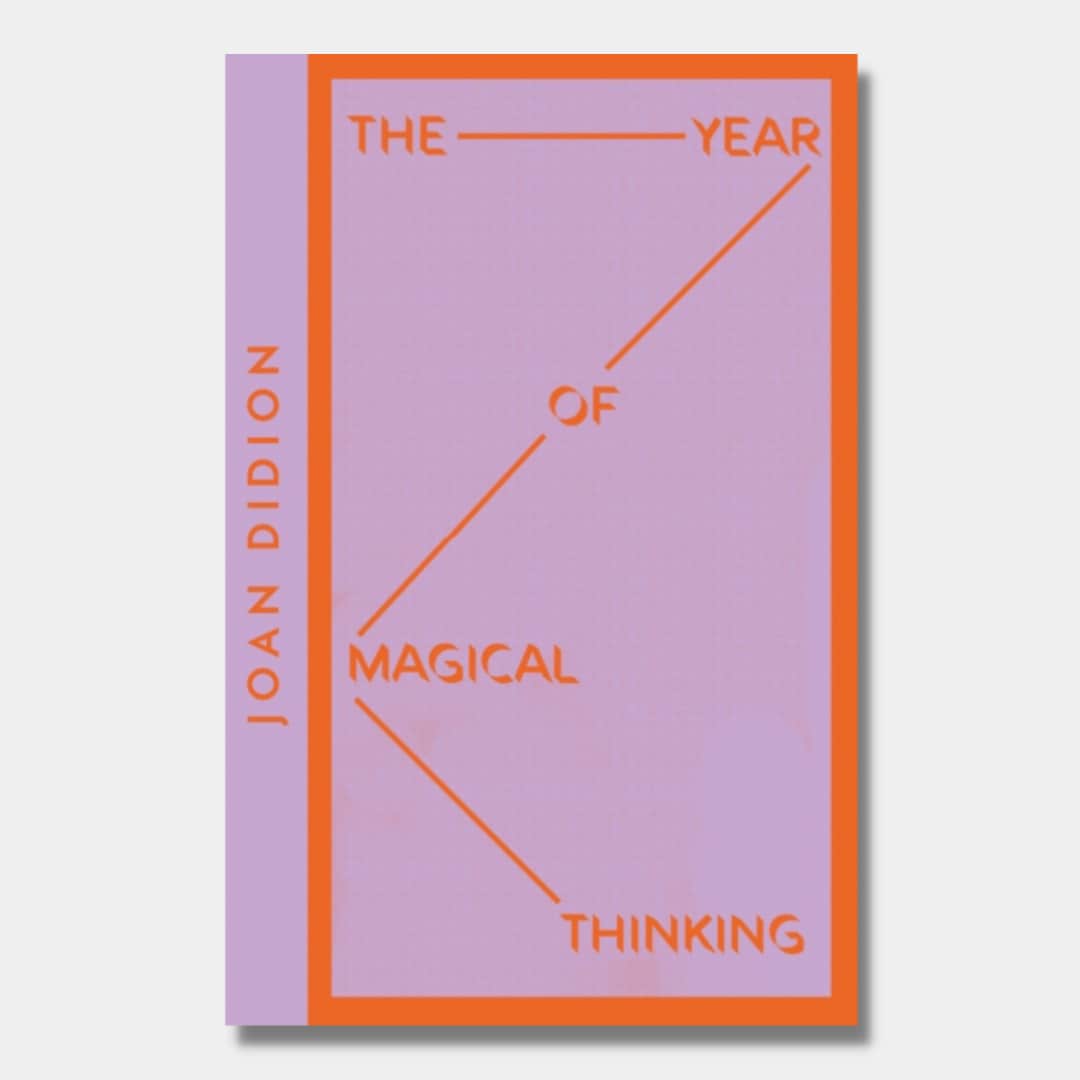
Joan Didion, The Year of Magical Thinking
Published in 2005, The Year of Magical Thinking by Joan Didion stands as a seminal work on grief and loss. The memoir meticulously chronicles the year following the sudden death of Didion’s husband, John Gregory Dunne, and the critical illness of their daughter, Quintana Roo Dunne Michael. Didion, a literary icon renowned for her incisive prose and sharp observational skills, renders the disorienting landscape of bereavement with painful clarity. She explores the irrational, almost primal aspects of grief, coining the term "magical thinking" to describe the mind’s desperate attempts to defy reality—such as her instinct to preserve her husband’s shoes, believing "he would need shoes if he was to return."
The book garnered immediate critical acclaim, winning the National Book Award for Nonfiction and being a finalist for the Pulitzer Prize. It is celebrated for its intellectual rigor combined with raw emotional honesty, providing a profound meditation on mortality, memory, and the fragility of human existence. Didion’s assertion, "it will happen to you. The details will be different, but it will happen to you," underscores the memoir’s universal resonance, offering solace and understanding to anyone contemplating the inevitability of loss. Its enduring legacy lies in its unparalleled articulation of a deeply personal yet universally understood human experience.
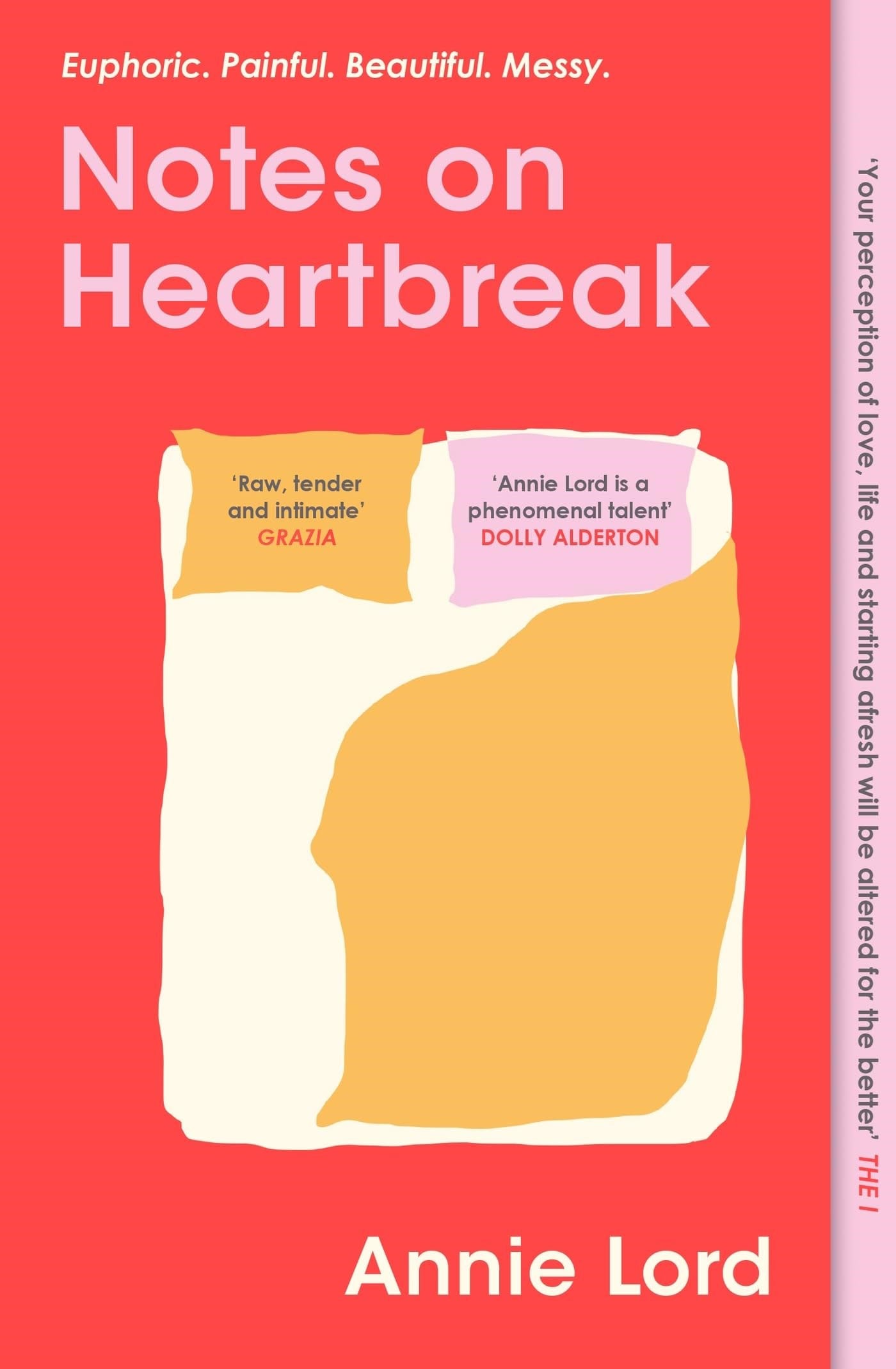
Annie Lord, Notes on Heartbreak
Annie Lord, a dating columnist for British Vogue, released Notes on Heartbreak, a memoir that offers a contemporary and poignant dissection of romantic dissolution. Billed as "a love story told in reverse," the narrative begins with the jarring moment Lord is unceremoniously dumped outside King’s Cross station after a five-year relationship. From this stark opening, the book meticulously unpacks the multifaceted anatomy of heartbreak, charting the devastating emotional lows alongside the fleeting moments of clarity and eventual peace.
Lord’s writing is characterized by its sentimental warmth without ever descending into saccharine sentimentality, striking a delicate balance between vulnerability and insightful analysis. The memoir has resonated particularly with readers in their twenties and thirties, offering a relatable portrayal of navigating post-breakup emotional turmoil, self-discovery, and the arduous process of rebuilding. Its exploration of modern relationships and the often-messy realities of emotional recovery makes it a significant contribution to the genre, providing comfort and reflection for a generation grappling with similar experiences.
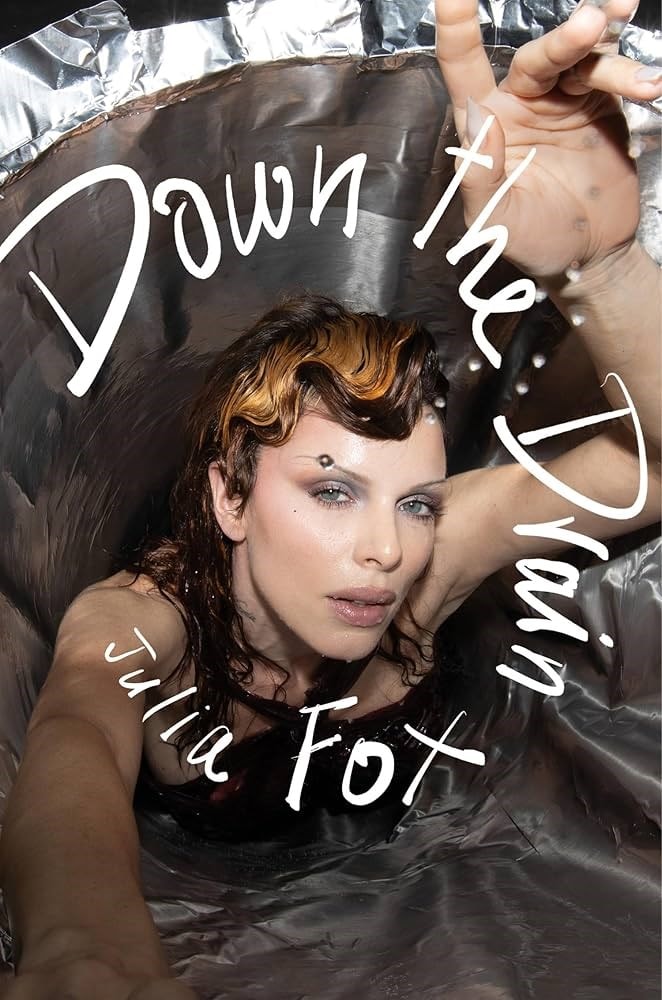
Julia Fox, Down the Drain
Julia Fox’s memoir, Down the Drain, has captivated readers with its audacious honesty and a life story packed with extraordinary incidents. From a turbulent upbringing marked by running away from home and international travel to her experiences working as a dominatrix in a New York dungeon, Fox’s narrative unfolds with a relentless pace, each chapter seemingly containing more life experience than many encounter in a lifetime. The book presents a raw, unfiltered account of her journey through chaos, struggle, and eventual self-discovery.
A defining characteristic of Fox’s writing is her brutal self-honesty, eschewing any sugarcoating of her tumultuous experiences. This candor amplifies the impact of the memoir’s more touching moments, particularly her accounts of forging profound friendships with women who became crucial anchors in her life. The narrative inspires a sense of admiration for Fox’s continuous capacity to find strength and resilience, resetting her life against formidable odds. Down the Drain challenges conventional perceptions of celebrity, revealing the complex, often gritty reality beneath the public facade, and compelling readers to re-evaluate their understanding of a multifaceted public figure.
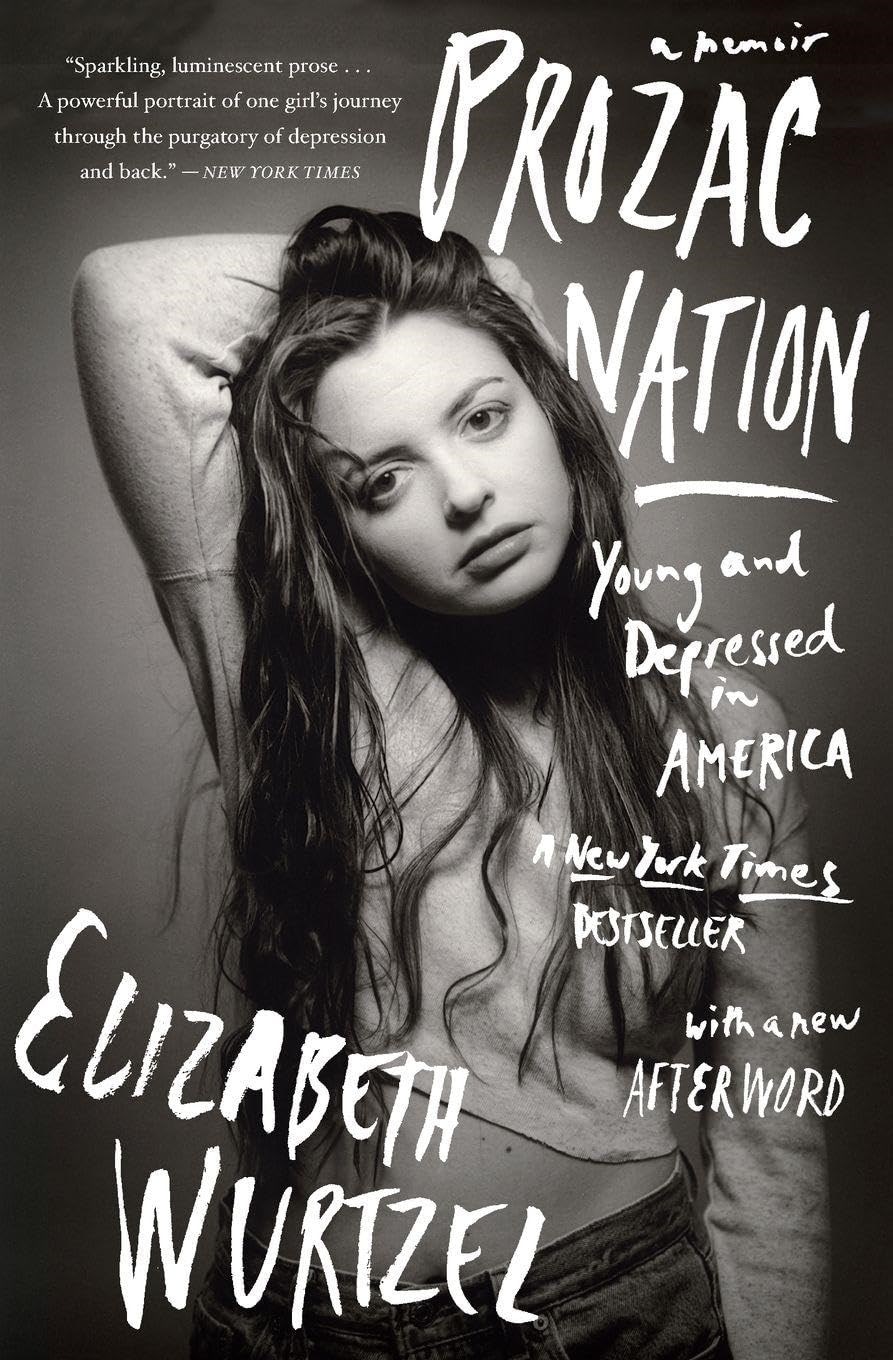
Elizabeth Wurtzel, Prozac Nation
Prozac Nation: Young and Depressed in America by Elizabeth Wurtzel, originally published in 1994, became an instant cultural phenomenon and a touchstone for discussions on mental health. Before its adaptation into a film starring Christina Ricci, the memoir provided an unfiltered account of Wurtzel’s harrowing experiences with clinical depression and addiction during her formative years. Written in her early to mid-twenties, the book captures the profound anguish of losing what are often considered "the best years" of one’s life to the pervasive grip of mental illness.
Wurtzel’s prose was largely praised for its raw energy and intellectual prowess, but the book itself sparked considerable debate, with many critics labeling it "self-indulgent." While elements of the criticism held some truth, the memoir’s strength often lay precisely in these perceived "shallow" or "whiny" moments, which authentically conveyed the suffocating, solipsistic nature of a mental spiral. Wurtzel powerfully illustrated how debilitating illness can shrink a person’s world, emphasizing that "mental illness is so much more complicated than any pill that any mortal could invent." Prozac Nation played a crucial role in destigmatizing depression and initiating broader public conversations about mental health in the late 20th century.
Lamya H, Hijab Butch Blues
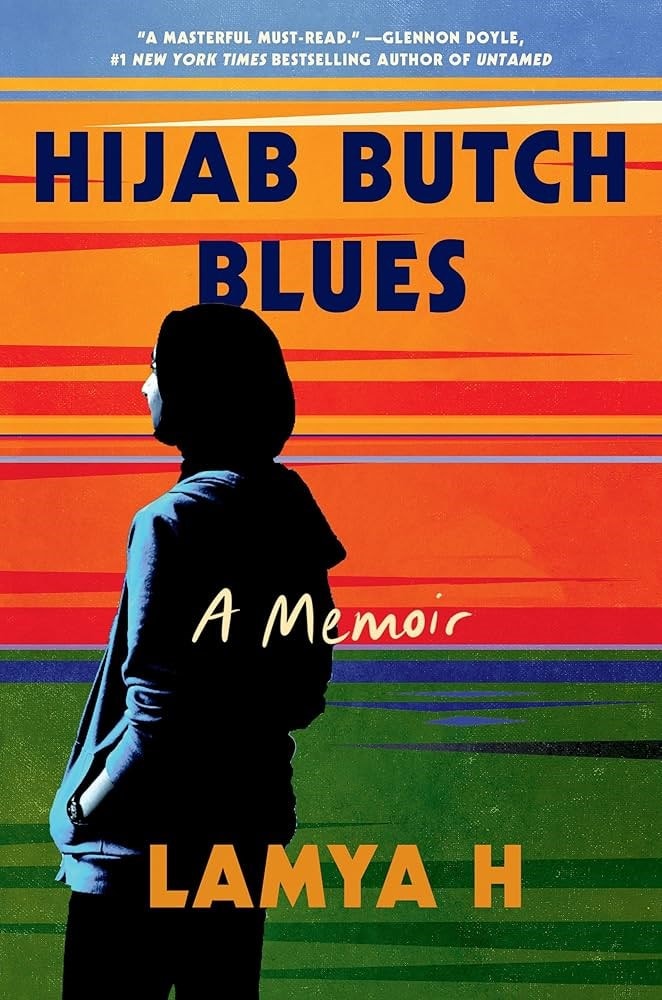
Hijab Butch Blues by Lamya H offers a groundbreaking and deeply personal exploration of identity at the intersection of faith, sexuality, and cultural heritage. The memoir chronicles Lamya H’s experiences growing up as a queer Muslim in a Middle Eastern country, a perspective that provides a crucial "door," as Fran Lebowitz suggests, into lives often underrepresented in mainstream literature. Despite vastly different backgrounds, the author’s reflections on her relationship with her sexuality, the challenges of queer dating, and her journey toward vulnerability and genuine connection have resonated profoundly with a diverse readership.
The memoir highlights the universal human desire for connection and self-acceptance, demonstrating the remarkable power of personal narratives to bridge cultural divides. Lamya H’s story underscores the importance of seeking out and engaging with diverse voices, proving that profound understanding and empathy can emerge from narratives seemingly distant from one’s own. Hijab Butch Blues stands as a testament to the memoir genre’s capacity to foster unexpected connections and illuminate shared aspects of the human experience, regardless of specific life circumstances.
Tina Brown, The Vanity Fair Diaries 1983-1992
For those interested in the glamorous, often cutthroat world of media and celebrity, Tina Brown’s The Vanity Fair Diaries 1983-1992 offers an unparalleled insider’s perspective. The memoir, composed of Brown’s personal diaries from her tenure as editor-in-chief of Vanity Fair, provides a captivating glimpse into the magazine’s decadent heyday and the cultural and political milieu of 1980s New York. During this era, money flowed freely, and Vanity Fair became a powerful arbiter of taste and influence.
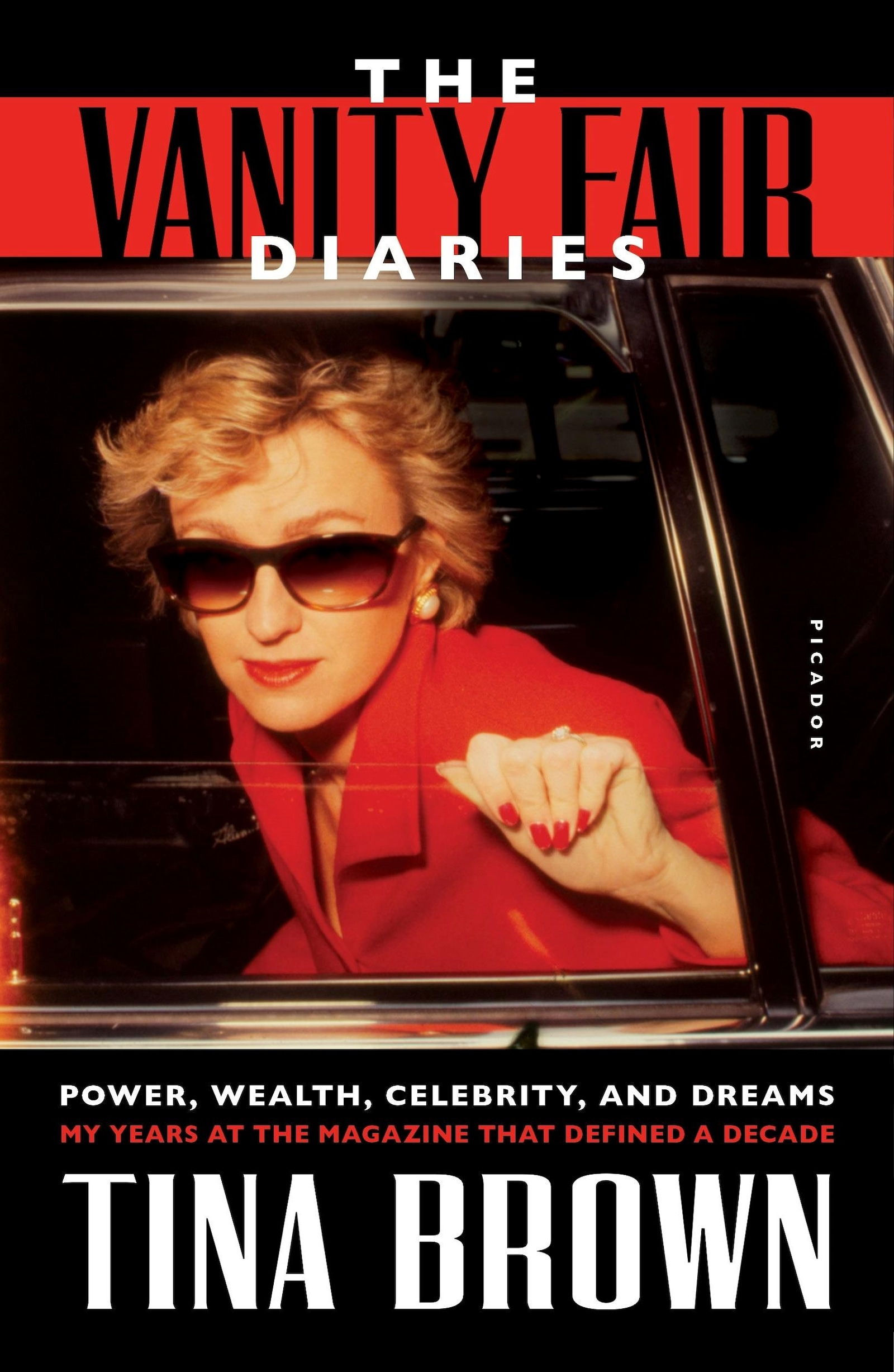
Brown’s diaries are a fascinating chronicle of the intricate dynamics involved in creating a hugely successful magazine, navigating the high-stakes politics of Condé Nast, and mingling with an endless parade of cultural luminaries and power brokers. Her sharp observations and often amusing judgments of the era’s prominent figures offer rich celebrity gossip alongside insightful commentary on media, power, and the evolving landscape of fame. For readers who enjoy this peek behind the curtain, complementary reads include Graydon Carter’s When the Going Was Good and Dana Brown’s Dilettante, which further explore the inner workings of influential publications and the personalities that shaped them. Griffin Dunne’s The Friday Afternoon Club, though not primarily about magazines, also offers compelling celebrity anecdotes and highlights the interconnectedness of this cultural elite.
Derek Jarman, Modern Nature
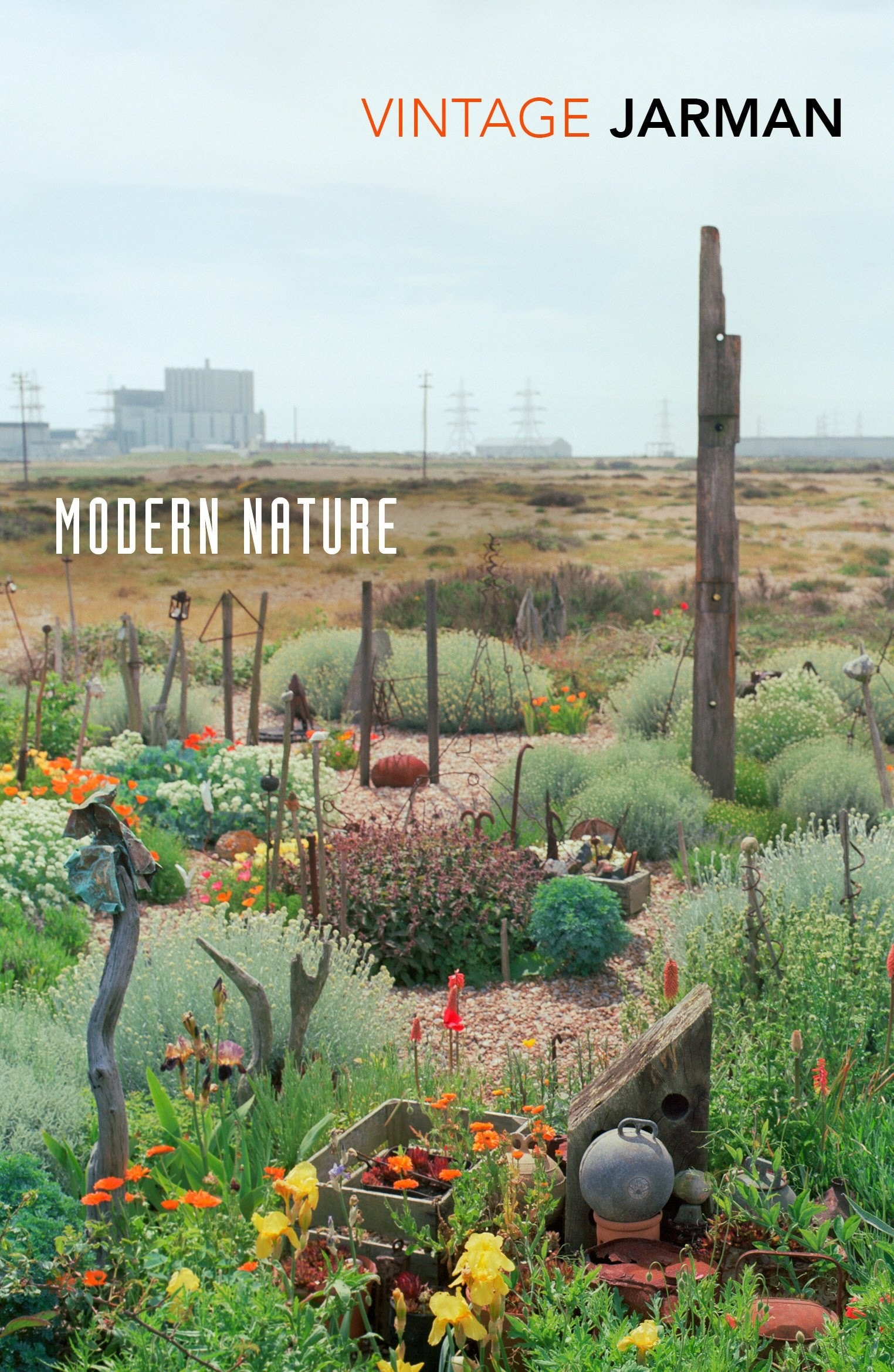
Derek Jarman’s Modern Nature provides a starkly different, yet equally compelling, form of diary-memoir, covering a similar time period to Tina Brown’s but from a profoundly personal and reflective stance. Shortly after receiving his AIDS diagnosis in 1987, the renowned filmmaker and artist acquired a small fisherman’s cottage in Dungeness, adjacent to a nuclear power plant. There, he embarked on the ambitious project of cultivating a garden in the challenging, barren landscape.
Jarman’s diaries interweave the meticulous chronicle of his gardening efforts—the struggles and small triumphs of nurturing life in an unforgiving environment—with deeply personal reflections on his past, his deteriorating health, his ongoing artistic endeavors, and the devastating loss of friends to the AIDS epidemic. The memoir is a poignant meditation on mortality, creativity, and the solace found in nature amidst personal and collective tragedy. Modern Nature stands as a powerful testament to resilience, artistic expression, and the search for beauty and meaning in the face of profound adversity, offering a unique and moving perspective on a critical historical period.
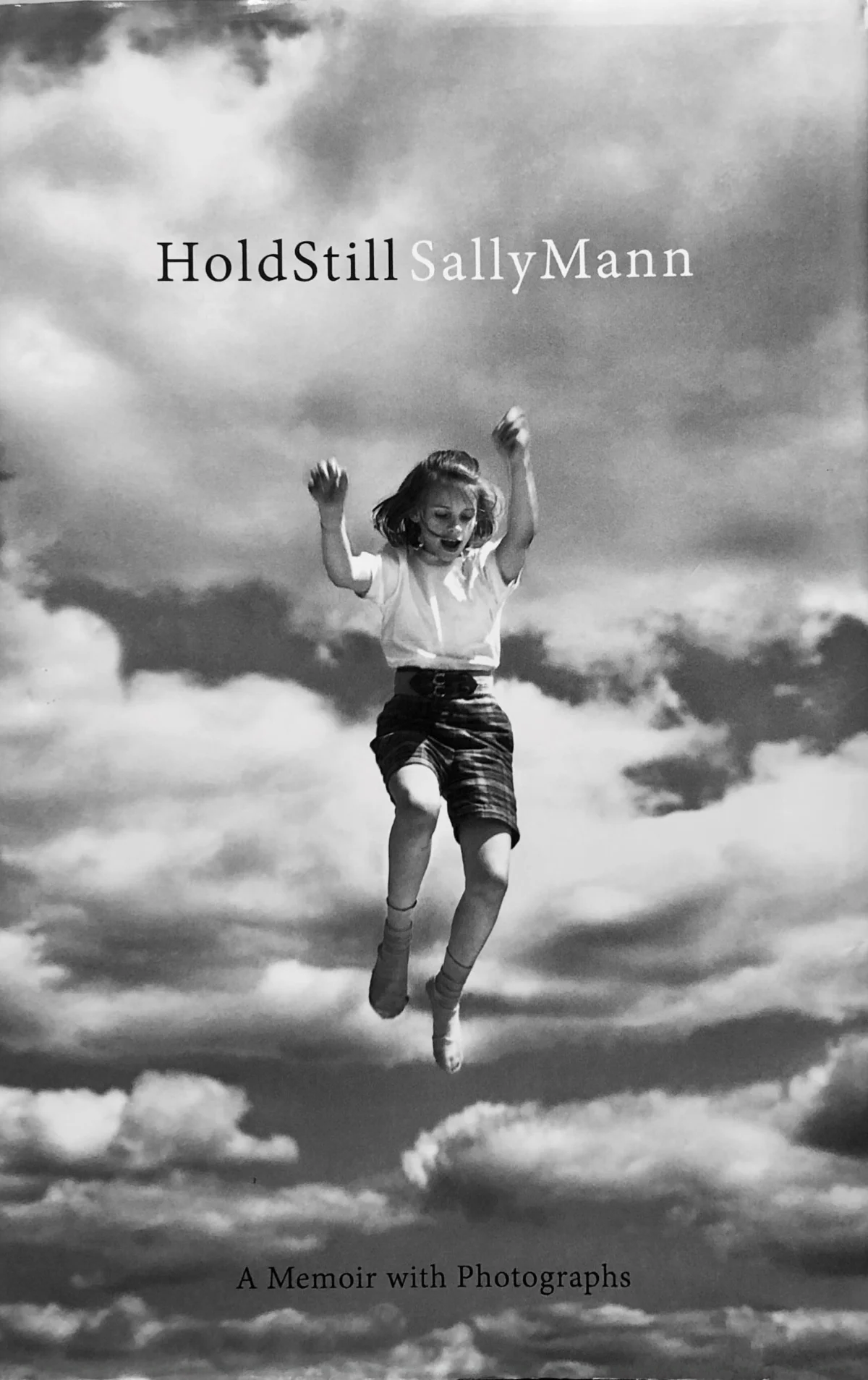
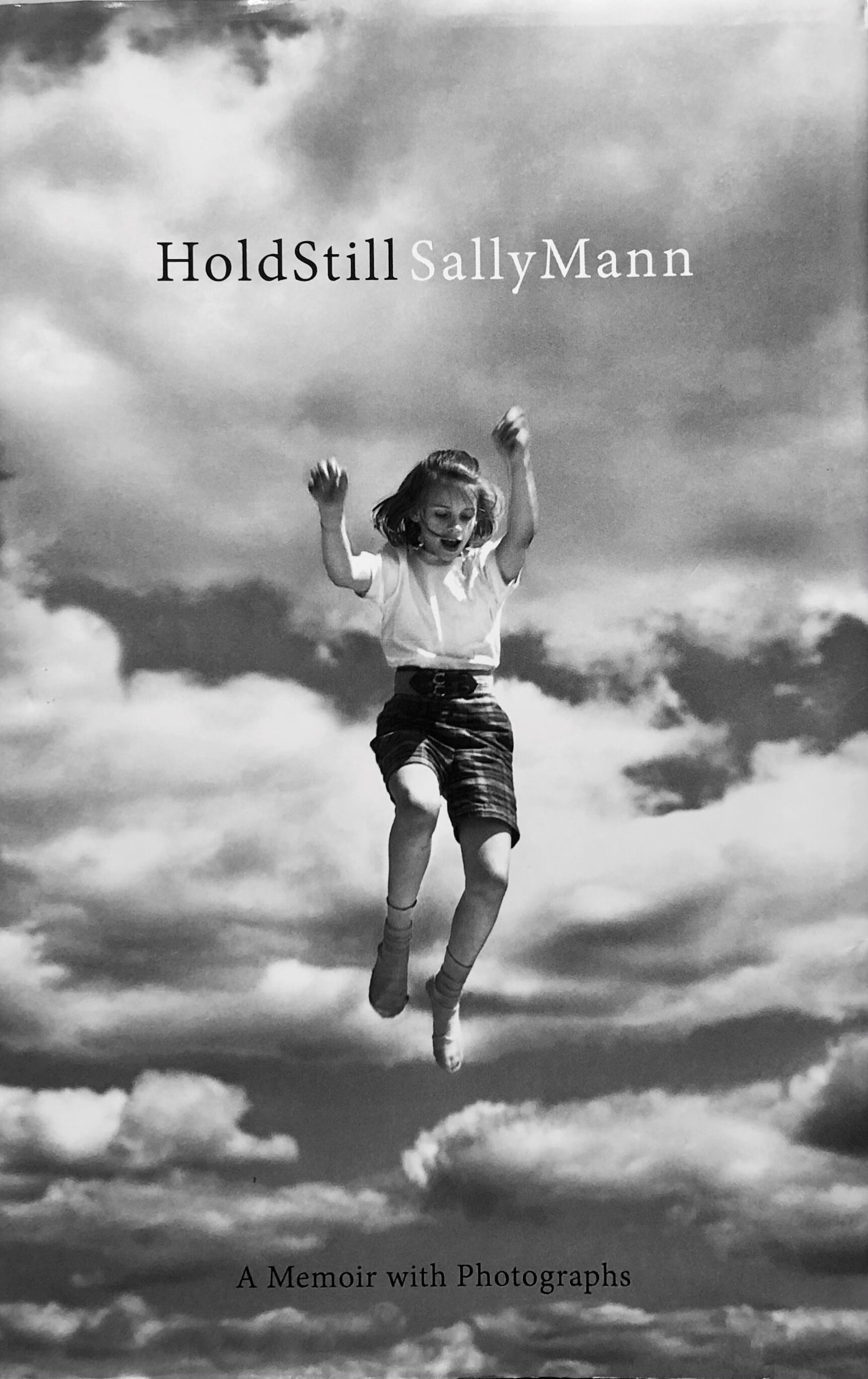
Sally Mann, Hold Still
Photographer Sally Mann’s memoir, Hold Still: A Memoir with Photographs, is a widely acclaimed work praised for its intellectual depth, poetic prose, and profound wisdom. It transcends a typical artist’s autobiography, offering a multifaceted exploration of the creative process, the complex ethics of photography, the evocative and troubled landscape of the American South, motherhood, and the international controversies that have periodically surrounded her work, particularly her series Immediate Family.
Mann’s family history, though not rooted in conventional celebrity, is rich with enough "salacious incidents" and compelling characters to satisfy any reader’s desire for a captivating narrative. Beyond the intriguing personal anecdotes, the memoir delves into weighty philosophical questions about memory, truth, and the power of images to both reveal and distort. Hold Still is celebrated for its ability to seamlessly weave together personal narrative, art history, regional history, and profound philosophical inquiry. Its inspiring and thoughtful reflections provide readers with enduring insights into art, life, and the intricate tapestry of human experience, making it a frequently recommended and re-read title.
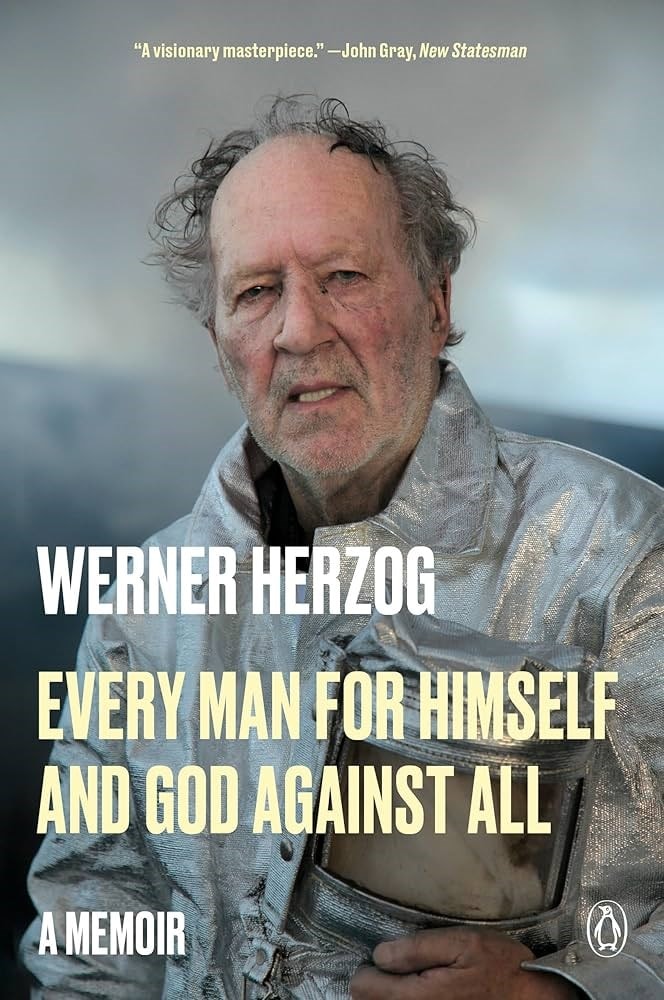
Werner Herzog, Every Man for Himself Against God and All
Werner Herzog’s memoir, Every Man for Himself Against God and All, is a work as idiosyncratic and compelling as the legendary filmmaker himself. Much like his cinematic oeuvre, the book often blurs the lines between factual recounting and what Herzog famously terms "ecstatic truth"—a deeper, poetic reality that transcends mere facts. Readers are taken on a journey through a life filled with extraordinary, often bizarre, incidents that frequently read more like fiction than autobiography.
The memoir recounts perilous journeys through jungles with volatile actor Klaus Kinski, descents into active volcanoes, and other death-defying exploits that align with Herzog’s adventurous filmmaking persona. However, even the more "normal" aspects of his life are recounted with a distinctive deadpan style and an air of the surreal: playing with caches of Nazi weapons as a child, a near-abduction by a witch, and stints as a rodeo clown and smuggler. Herzog’s unique voice—evoking his deep Bavarian cadence—permeates every sentence, from philosophical musings to pragmatic declarations like, "I can still milk a cow, and I recognise others who can as well." The memoir offers an unparalleled insight into the mind of a singular artistic visionary, inviting readers to question the nature of reality and storytelling itself.
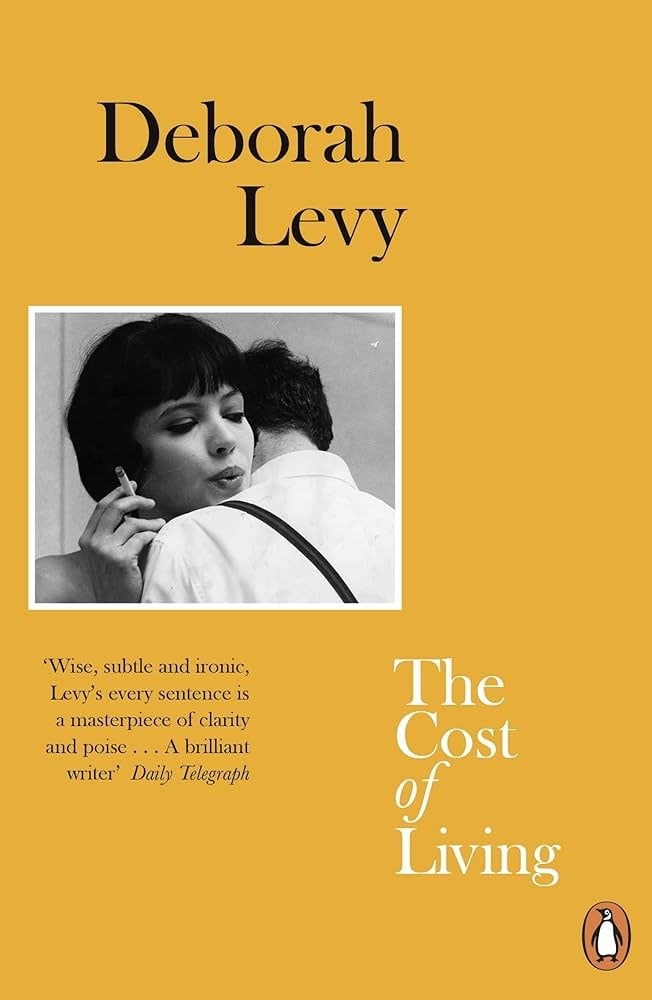
Deborah Levy, The Cost of Living
The Cost of Living is the second and arguably most beloved installment in Deborah Levy’s acclaimed trilogy of "living autobiographies." While it functions as a standalone narrative, this memoir by the renowned writer offers a powerful and introspective look at a woman’s journey of reinvention in the wake of her divorce. Levy masterfully articulates the profound experience of attempting to establish a new paradigm for living, one distinct from the life she had previously envisioned for herself.
At its core, the book explores themes of selfhood, friendship, family, home, love, and the act of writing, all through Levy’s distinctive intellectual and poetic lens. Amidst autobiographical passages, she embarks on fascinating tangents, reflecting on the experiences of other writers and artists, enriching her personal narrative with broader cultural and philosophical insights. The Cost of Living is a deeply resonant work that stays with the reader long after the final page. Its intimate, conversational tone creates an experience akin to an engrossing dialogue with a wise stranger, offering profound wisdom and keen observations on the complexities of navigating personal change and societal expectations.
Nina Stibbe, Love Nina
Love Nina: Despatches from Family Life by Nina Stibbe offers a charming, witty, and deeply comforting glimpse into British literary life in the 1980s. The memoir is comprised of a series of letters Stibbe, then 20, wrote to her sister while working as a live-in nanny for Mary-Kay Wilmers, the longtime editor of the London Review of Books. This position placed Stibbe squarely in the intellectual heart of Primrose Hill, caring for Wilmers’s two sons, whose father was the acclaimed film director Stephen Frears.
Stibbe’s letters dryly narrate the eccentric comings and goings within this brilliant and unconventional household. Her observations are sharp, humorous, and devoid of starry-eyed awe, capturing the quotidian absurdities and unexpected warmth of her new life. Love Nina has been lauded for its unique blend of charm, humor, and restorative qualities, making it a beloved choice for readers seeking solace and laughter. Its epistolary format provides an intimate window into a bygone era of literary London and the endearing peculiarities of family life, offering a delightful and consistently uplifting reading experience.
The Evolving Landscape of Personal Truths
The enduring appeal and diverse forms of memoirs, from Lena Dunham’s contemporary dissection of fame to Joan Didion’s profound meditation on grief and Werner Herzog’s fantastical self-portrait, underscore the genre’s critical role in contemporary literature. These works, each unique in voice and scope, collectively offer a rich tapestry of human experience, challenging readers to engage with complex themes of identity, struggle, resilience, and the relentless pursuit of truth.
In an increasingly interconnected yet often fragmented world, memoirs provide essential windows into lives beyond our own, fostering empathy and expanding our understanding of the human condition. The ongoing success of titles like Famesick and the lasting impact of the curated selections highlight that the desire for authentic stories, honestly told, remains a powerful and foundational aspect of literary engagement. As authors continue to explore new ways of sharing their personal truths, the memoir genre will undoubtedly continue to evolve, offering profound insights and vital connections for generations of readers to come.