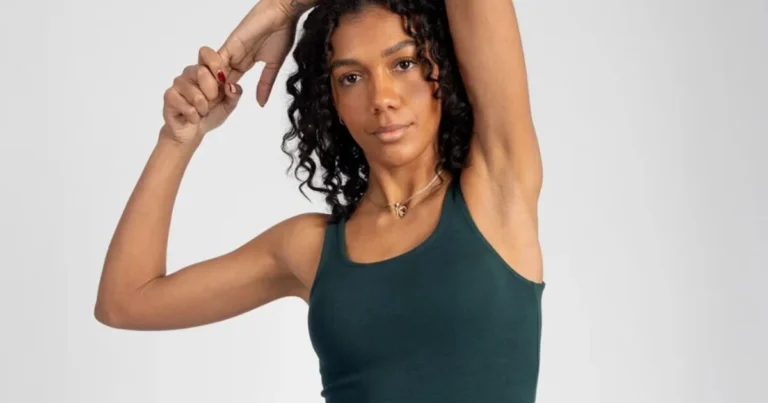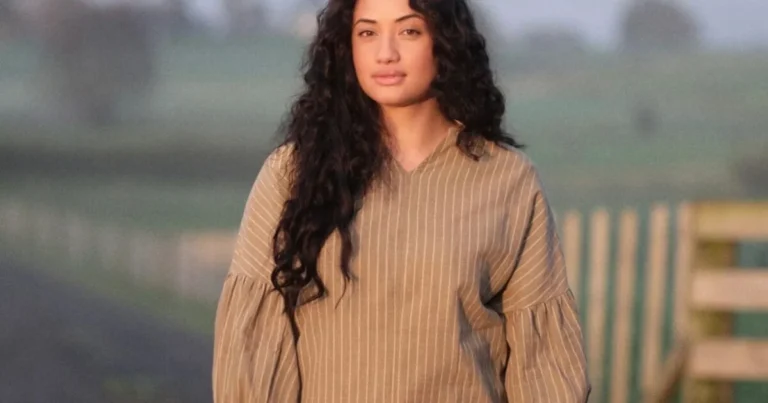








The pursuit of fitness and an active lifestyle has surged globally, leading to a parallel boom in the activewear market. However, as consumers become increasingly aware of the environmental and social ramifications of their purchasing decisions, a critical question emerges: how can performance-driven clothing align with principles of sustainability and ethical production? This inquiry is particularly pertinent for men’s activewear, a segment that, while growing, has historically lagged in its embrace of eco-conscious innovation compared to its female counterpart. Despite these challenges, a dedicated movement towards more responsible practices is gaining momentum, offering discerning individuals an expanding array of options that prioritize people, the planet, and animal welfare without compromising on quality or functionality.
The Evolving Landscape of Sustainable Fashion and Activewear
For decades, the fashion industry operated with little public scrutiny regarding its ecological footprint or labor practices. The rise of "fast fashion" in the late 20th and early 21st centuries exacerbated these issues, prioritizing rapid production cycles and low costs over durability and ethical sourcing. This model led to staggering levels of waste, pollution, and often exploitative working conditions across global supply chains. However, public awareness began to shift significantly in the mid-2010s, fueled by documentary exposés, consumer advocacy groups, and scientific reports detailing the industry’s contribution to climate change.
The activewear sector presents a unique set of sustainability hurdles. Conventional activewear heavily relies on synthetic fibers such as polyester, nylon, and spandex, all derived from fossil fuels. These materials are prized for their elasticity, durability, moisture-wicking properties, and resistance to water and wind – characteristics essential for high-performance athletic apparel. However, their production is energy-intensive, and their end-of-life cycle is problematic, as they are non-biodegradable and contribute significantly to textile waste. Furthermore, synthetic garments shed microplastic particles with every wash, polluting waterways and entering the food chain, posing a long-term threat to marine ecosystems and human health. Chemical treatments used to enhance performance, such as PFCs for water repellency or antimicrobial agents, also contribute to environmental contamination and potential health risks for both workers and consumers.
Market Dynamics and Consumer Demand for Responsible Choices
Despite these complexities, the market for sustainable activewear is experiencing robust growth. Recent industry analyses indicate that the global activewear market, valued at approximately $450 billion in 2023, is projected to exceed $700 billion by 2030. Within this expansion, the ethical and sustainable segment is growing at an even faster rate, driven by a demographic of consumers, particularly younger generations, who are willing to invest more in products aligned with their values. Surveys consistently show that a significant percentage of consumers consider sustainability factors—such as material sourcing, ethical labor practices, and brand transparency—when making purchasing decisions. This shift underscores a broader trend towards conscious consumption, where product utility is now intertwined with its broader impact.
Organizations like Good On You play a pivotal role in this evolving landscape. By curating and rating brands based on their comprehensive assessment of environmental, labor, and animal welfare policies, they provide consumers with reliable, data-driven information. This transparency empowers individuals to make informed choices, supporting brands that genuinely commit to responsible practices rather than merely engaging in "greenwashing." The editorial mission emphasizes rigorous assessment and editorial independence, ensuring that recommendations are grounded in verifiable data.
Innovations in Sustainable Activewear Materials
The journey towards sustainable activewear is largely defined by the innovation and adoption of lower-impact materials. Brands are actively exploring and integrating alternatives to conventional synthetics, aiming to maintain performance attributes while minimizing ecological harm.
- Recycled Polyester (rPET): This material, often made from post-consumer plastic bottles, has become a cornerstone of sustainable activewear. It diverts plastic waste from landfills and oceans, and its production typically requires less energy and water compared to virgin polyester. While rPET still carries the microplastic shedding concern, it represents a significant step towards a more circular economy by repurposing existing materials.
- TENCEL™ Lyocell and Modal: Derived from sustainably sourced wood pulp, TENCEL fibers are produced in a closed-loop system, meaning nearly all solvents and water used in the process are recovered and reused. These cellulosic fibers offer excellent moisture-wicking, breathability, and softness, making them ideal for various activewear applications. They are also biodegradable, offering a better end-of-life solution than synthetics.
- Organic Cotton: Grown without harmful pesticides or synthetic fertilizers, organic cotton significantly reduces environmental pollution and water usage compared to conventional cotton. While it may not offer the same quick-drying or stretch properties as synthetics for high-intensity activities, it excels in comfort, breathability, and natural feel for lighter workouts, yoga, or everyday wear.
- Ethically Sourced Merino Wool: Known for its natural temperature regulation, odor resistance, and moisture-wicking capabilities, merino wool is a high-performing natural fiber. For it to be truly sustainable, brands must ensure the wool is ethically sourced, meaning sheep are raised without mulesing and in good welfare conditions. Merino wool is also biodegradable and renewable.
- Bamboo Viscose/Lyocell: Bamboo is a fast-growing, renewable resource that requires minimal water and no pesticides. When processed into lyocell (a closed-loop method similar to TENCEL), it yields a soft, breathable, and moisture-wicking fabric suitable for activewear. However, consumers should be aware of the processing method, as conventional bamboo viscose can be chemically intensive.
Challenging Gender Norms in Fashion
A significant aspect of the progressive shift in the fashion industry, particularly within the sustainable movement, is the ongoing conversation around degendering clothing. Historically, the fashion industry has rigidly categorized garments as "menswear" or "womenswear," often imposing arbitrary design distinctions and limiting consumer choice. This binary marketing approach, as highlighted by many ethical fashion advocates, overlooks the diverse ways individuals express themselves and can create unnecessary barriers for those seeking specific styles or fits.
The philosophy of degendering fashion posits that clothes, in essence, are gender-neutral items designed for human bodies. By moving beyond traditional labels, brands and platforms can foster greater inclusivity and allow individuals to choose clothing based on personal style, fit, and functional requirements, rather than prescribed societal norms. This approach not only broadens the appeal of sustainable activewear to a wider audience but also aligns with the core values of inclusivity and liberation often championed by ethical movements. Consumers are encouraged to explore products across traditionally gendered categories, leveraging universal sizing charts or direct measurements to find their perfect fit, thereby dismantling outdated marketing constructs.
Leading the Charge: Brands Defining Sustainable Men’s Activewear
A growing number of brands are integrating these principles, offering men’s activewear that meets both performance demands and ethical standards. These innovators are setting new benchmarks for transparency, material sourcing, and labor practices.
- Outerknown: Founded by surf champion Kelly Slater, Outerknown exemplifies the blend of high performance and environmental stewardship. The brand is Bluesign certified, ensuring responsible manufacturing practices that minimize environmental impact, and has partnered with the Fair Labour Association, upholding fair labor conditions. Their activewear, ranging from XS-2XL, reflects a deep commitment to ocean conservation and sustainable resource management, offering durable pieces for the conscious adventurer.
- Colorful Standard: This Danish brand focuses on timeless, organic fashion essentials for men and women. Eschewing seasonal trends, Colorful Standard crafts durable, long-lasting products in sizes XS-2XL, directly combating the overconsumption cycle. Their commitment to organic materials and a minimalist aesthetic makes them a go-to for foundational active and casual wear that endures.
- tentree: A Canadian brand with a powerful mission, tentree plants ten trees for every item purchased, contributing significantly to global reforestation and providing planting jobs. With over 65 million trees already planted, their "Earth-first" approach extends to fair and safe working conditions and the exclusive use of lower-impact and recycled materials. Available from XS-XL, tentree allows consumers to wear their impact visibly.
- Patagonia: An undisputed pioneer in outdoor and sustainable apparel, Patagonia has long been a benchmark for responsible business. Their activewear, designed for a wide range of pursuits from trail running to climbing, adheres to "Good" labour practices and prioritizes recycled polyester over virgin fibers. Patagonia’s commitment to reducing energy use and emissions, coupled with initiatives like Worn Wear for repairs and resale, underscores their holistic approach to sustainability, with sizes from 2XS-3XL.
- Tripulse: This Swedish activewear brand is driven by a mission to create high-performing gear that protects both the planet and its people. Tripulse emphasizes the link between physical and mental fitness and environmental responsibility, offering items in a broad size range from XS-6XL. Their focus on durable, planet-friendly materials ensures that athletes can pursue their goals without compromising their values.
- BAM (Bamboo Clothing): A UK-based brand, BAM specializes in menswear and womenswear basics crafted from bamboo, earning "Good" ratings across people, planet, and animal welfare categories. Their kindness-first ethos is reflected in rigorous supply chain tracing and a robust clothing recycling program for consumers, addressing end-of-life textile waste. Most items are available in sizes XS-L.
- Threads 4 Thought: This brand leverages innovative lower-impact materials like TENCEL™ Modal, sourced from sustainably harvested beech trees. Their production process is remarkably efficient, recovering and reusing 95% of materials. Threads 4 Thought ensures ethical manufacturing through Fair Trade USA and Worldwide Responsible Accredited Production (WRAP) certifications, offering sizes XS-XL, with an extended range up to 3XL.
- Loop Swim: Co-founded by two women, Loop Swim is dedicated to circular design, transforming post-consumer plastic bottles into REPREVE UP50+ sun-protective swimwear for the whole family. Headquartered in Shanghai, the brand’s trendless, high-quality designs (available in XS-XL) are engineered for longevity, retaining shape and color through countless swims, effectively closing the loop on plastic waste in aquatic environments.
- NIKIN: A Swiss brand that lets consumers wear their morals, NIKIN plants a tree for every product purchased. This direct action provides a tangible connection to reforestation efforts, allowing individuals to visibly support environmental regeneration. Products are available in sizes XS-2XL, making ethical choices accessible and proudly displayed.
- ISTO.: The Portuguese brand ISTO. focuses on creating timeless wardrobe staples designed to transcend seasons. Their mandate is quality over quantity, offering a single, continuously available collection crafted from organic materials. ISTO. is notable for its transparent pricing model, showing customers the true cost breakdown of each garment, reinforcing their commitment to ethical production and consumer awareness, with sizes from XS-XL.
- Boody: Hailing from Australia, Boody centers its philosophy on comfort, style, and health. They produce thoughtfully-made everyday essentials from organically grown bamboo, employing lower-waste cutting techniques and a closed-loop system in their supply chain. This approach supports a green and ethical movement, making sustainable choices easy and comfortable, with a wide size range from XS-4XL.
The Broader Impact and Future Outlook
The growth of sustainable men’s activewear signifies more than just a niche market trend; it reflects a fundamental shift in consumer values and industry practices. By supporting brands committed to ethical sourcing, transparent supply chains, and innovative material science, consumers are not only investing in high-quality, durable clothing but also contributing to a more just and sustainable global economy.
The implications of this shift are far-reaching. Environmentally, it means a reduction in fossil fuel reliance, textile waste, and chemical pollution. Socially, it champions fair wages, safe working conditions, and respect for human rights across the supply chain. Economically, it fosters innovation, creates green jobs, and encourages a competitive environment where sustainability becomes a marker of true quality and responsibility.
Looking ahead, the sustainable activewear sector is poised for continued innovation. Research into bio-based synthetics, advanced recycling technologies for complex textile blends, and fully circular production models promises to push the boundaries of what is possible. As consumer demand for transparency and accountability grows, and as regulatory frameworks become more stringent, ethical and sustainable practices will likely transition from being a competitive advantage to a fundamental expectation for all brands. The journey towards a fully sustainable fashion industry is ongoing, but with the increasing availability of conscious choices, the path forward for the discerning athlete is clearer and more impactful than ever before.