








The global fashion industry continues its complex journey towards sustainability, marked by both significant setbacks and inspiring advancements. As April 2026 unfolds, the landscape presents a dichotomy: on one hand, persistent economic pressures and shifting governmental priorities challenge the very foundations of ethical enterprises; on the other, pioneering small brands demonstrate remarkable resilience and innovation, forging pathways for a more responsible future. This period underscores the dynamic nature of progress, reminding stakeholders that the pursuit of a better industry is an enduring, cyclical endeavor.
The Shifting Sands of Sustainable Fashion: Economic Headwinds and Organisational Setbacks
The initial months of 2026 have cast a long shadow over the sustainable fashion movement, with several high-profile organisations and brands encountering severe operational difficulties. Among the most concerning developments was the announcement by Fashion Revolution, a leading advocacy group for transparency and ethics in the apparel supply chain, that it would close its UK headquarters. This news sent ripples through the activist community, highlighting the precarious funding environment for non-profits dedicated to systemic change. Fashion Revolution, known for its impactful "Who Made My Clothes?" campaign, cited significant financial constraints as the primary driver behind this painful decision, underscoring the broader challenges in securing sustained support for social and environmental justice initiatives within the fashion sector.
Concurrently, the closure of Mila.Vert, a highly-rated sustainable fashion brand celebrated for its commitment to ethical production and innovative materials, served as another stark reminder of the economic pressures facing smaller, purpose-driven businesses. Mila.Vert’s statement, much like Fashion Revolution’s, pointed to escalating costs and difficulties in securing necessary investment. These instances are not isolated. The global economic climate, characterised by governments incrementally retreating from ambitious climate goals and a reduced emphasis on fossil fuel reliance in some regions, directly impacts the operational viability of sustainable enterprises. Geopolitical crises further exacerbate these issues, driving up the costs of raw materials, international shipping, energy, and export tariffs—expenses that small brands, often operating on tighter margins, struggle to absorb. Simultaneously, consumers worldwide are grappling with a persistent cost-of-living crisis, which often necessitates prioritising affordability over sustainability in purchasing decisions, further constricting the market for ethical products.
Industry analysts and advocacy groups acknowledge the gravity of these challenges. A recent report by the think tank Futerra, titled "Ride the Waves," provides a crucial historical perspective, suggesting that the current period of struggle is part of a larger, recurring pattern. Futerra’s research indicates that the "pendulum of progress" in sustainability has been swinging back and forth since the 1960s, experiencing both periods of rapid advancement and phases of retraction. "There’s always been upwaves and downwaves," the report notes, offering a prognosis that "the current slump of media coverage will track back up again we suspect in early 2027." This historical context, while not alleviating immediate concerns, offers a measure of long-term optimism, framing the current difficulties as a transient phase within an overarching trajectory towards greater sustainability.
Navigating the "Downwave": Historical Perspective and Future Outlook
The Futerra report’s insights into the cyclical nature of sustainability movements provide valuable context for understanding the current challenges. The idea of "upwaves and downwaves" suggests that societal and economic factors continuously influence the momentum of ethical shifts. During "upwaves," public awareness is high, policy support is strong, and consumer demand for sustainable products grows. Conversely, "downwaves" are often characterised by economic instability, policy stagnation, and a decrease in public attention, leading to difficulties for pioneering sustainable businesses and organisations. This ebb and flow is not unique to fashion but observed across various social and environmental movements.
Historically, periods of economic prosperity and heightened environmental awareness, such as the late 1980s and early 2000s, saw increased interest in ethical consumption and corporate social responsibility. However, global recessions or geopolitical shifts often redirect focus towards immediate economic concerns, making it harder for consumers to justify premium prices for sustainable goods and for brands to absorb higher production costs. The current climate, marked by post-pandemic economic recovery efforts, inflationary pressures, and ongoing international conflicts, aligns with a "downwave" scenario, explaining the struggles faced by entities like Fashion Revolution and Mila.Vert.
Despite these headwinds, the Futerra report’s projection of a media and public interest rebound by early 2027 offers a beacon of hope. This forecast is likely based on underlying trends in climate science, growing generational awareness, and the continued innovation within the sustainable sector itself. As the long-term impacts of climate change become more undeniable and younger generations, who often prioritise ethical considerations, gain greater purchasing power, the conditions for another "upwave" are expected to materialise. This long-term perspective is crucial for maintaining morale and strategic planning within the sustainable fashion community, encouraging a focus on resilience and continued innovation during challenging times. For consumers, it reinforces the importance of supporting brands aligned with their values, understanding that every purchase contributes to shaping the industry’s future direction.
Catalysts for Change: Innovations and Ethical Practices in April 2026
Despite the prevailing economic pressures, April 2026 also shines a spotlight on the unwavering commitment and inventive spirit of smaller, more sustainable brands. These enterprises, rigorously vetted by independent ratings systems like Good On You, are not merely surviving but are actively shaping a better industry through their dedication to ethical production, innovative materials, and timeless design. Their developments offer concrete examples of how fashion can evolve responsibly, providing hope and tangible options for consumers who wish to align their wardrobes with their values.
Triarchy’s Ranchero Denim: Pioneering Plastic-Free Organic Cotton
Triarchy, a brand consistently rated "Great" for its commitment to sustainability, has unveiled its latest Western-inspired "Ranchero" denim collection. This launch is particularly significant in the denim sector, which has historically been notorious for its heavy environmental footprint, from intensive water usage to chemical-laden dyeing and finishing processes. Triarchy tackles these issues head-on by crafting its collection from 100% organic cotton, a choice that drastically reduces the demand for water and eliminates the use of synthetic pesticides and fertilisers associated with conventional cotton farming.
A standout feature of the Ranchero line is its innovative approach to distressing and patterning. Instead of relying on harmful chemical treatments or abrasive mechanical processes that generate significant waste and endanger workers, Triarchy employs laser technology to create the collection’s cool plaid pattern. This method not only reduces chemical use but also minimises water consumption and enhances worker safety, setting a new benchmark for sustainable denim finishing. Furthermore, Triarchy is renowned for its plastic-free stretch denim, a crucial distinction in an industry where elastane, a synthetic plastic fibre, is commonly used to add stretch, contributing to microplastic pollution. The collection, featuring a range of skirts, jackets, and jeans with exquisite appliqué detailing, demonstrates that sustainable fashion does not compromise on style. Its aesthetic appeal is so strong that one can easily envision contemporary style icons, such as Kacey Musgraves, embracing these pieces, bridging the gap between ethical production and mainstream fashion appeal. The longevity and durability inherent in such high-quality, organic denim also champion a move away from fast fashion’s disposable culture towards an investment in garments designed to last.
Pangaia’s Rain-Fed European Linen: A Staple for Sustainable Summer
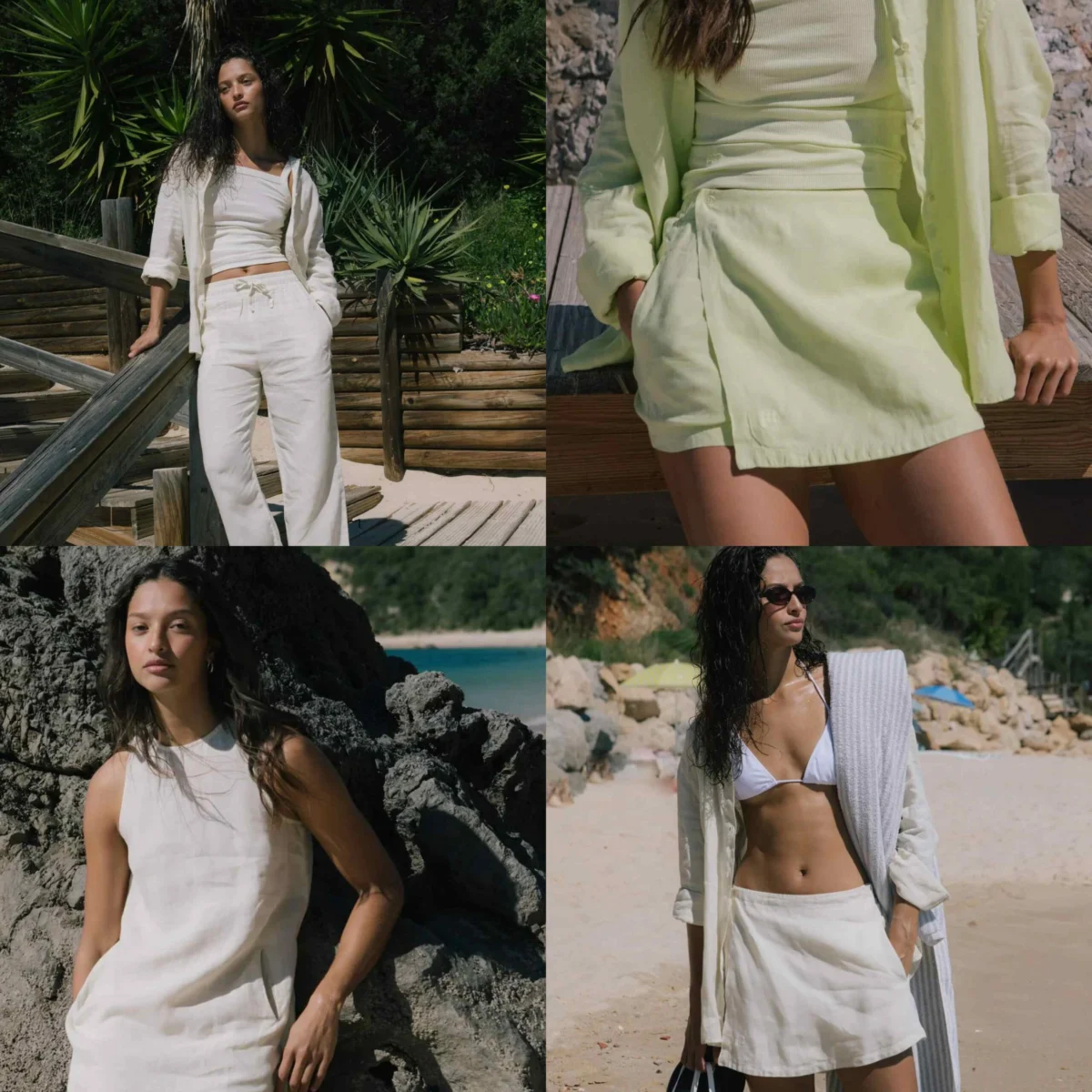
Pangaia, another brand consistently earning a "Great" rating, continues its pioneering work in material science with the introduction of rain-fed European linen in its new summer line-up. Linen stands as one of the most environmentally benign fibres available, a fact Pangaia leverages to its full potential. Derived from the flax plant, linen boasts an impressive sustainability profile: flax is remarkably resilient, capable of thriving in poor soil conditions with minimal need for irrigation, often relying solely on rainwater. This makes it a significantly lower-impact alternative to many other natural fibres, particularly cotton grown in arid regions.
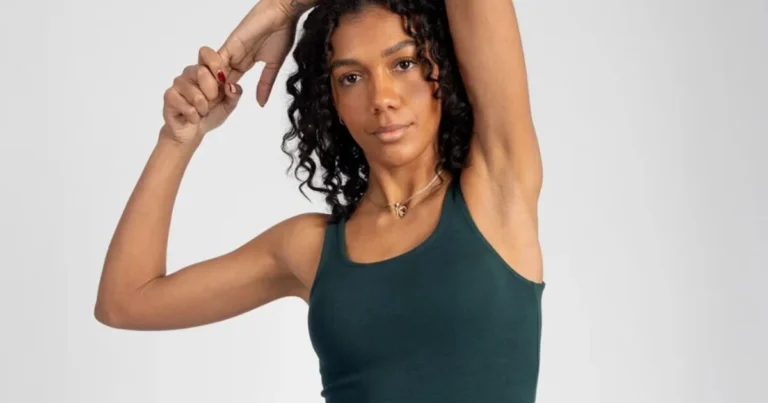
Beyond its ecological benefits in cultivation, linen offers exceptional properties for the wearer. It is celebrated for its breathability, quick-drying nature, and its ability to regulate body temperature, making it an ideal choice for warmer climates and a comfortable fabric year-round. Pangaia’s sourcing of rain-fed European linen further enhances its eco-credentials, ensuring that the material is cultivated without additional water burden and adheres to stringent European environmental standards. The brand’s new collection of basics, characterised by comfortable shapes and minimal detailing, embodies the principles of a capsule wardrobe. These versatile pieces are designed to be building blocks for a functional and timeless wardrobe, encouraging consumers to invest in quality garments that transcend fleeting trends and can be worn for many seasons to come. This focus on durability and timelessness is a cornerstone of sustainable fashion, directly combating the disposability inherent in the fast fashion model.
Bario Neal on Jewellery Greenwashing: Demystifying Ethical Sourcing
In a crucial contribution to consumer education this Earth Day, Page Neal, co-owner and designer of the "Great" rated jewellery brand Bario Neal, offered illuminating insights into the often-opaque world of ethical jewellery. Her interview served as an essential guide for navigating the complexities of greenwashing in an industry where precious materials and intricate supply chains make transparency particularly challenging. Neal demystified common claims, providing a nuanced perspective on topics such as lab-grown diamonds versus traditionally mined diamonds, and the true ethical implications of recycled metals.
Neal emphasised that while lab-grown diamonds offer an alternative to the environmental and social impacts associated with mining, their "sustainability" is not always straightforward. The energy intensity of their production, often relying on fossil fuels, needs careful consideration. Similarly, she explained that while recycled metal reduces demand for new mining, the source and process of recycling are paramount; simply labelling something "recycled" without further transparency can be a form of greenwashing if the original material was unethically sourced or the recycling process itself is harmful. Neal argued that smaller, independently-owned labels like Bario Neal often have greater agility and direct oversight over their supply chains, enabling them to implement genuinely ethical practices, from sourcing fairmined gold to ensuring equitable labour conditions. This contrasts sharply with larger, publicly-owned corporations, which may face immense pressure to prioritise profit margins, potentially compromising ethical commitments. Her insights are vital reading for any conscious consumer seeking to make informed decisions about jewellery, highlighting the necessity of looking beyond surface-level claims to understand the full lifecycle and impact of a product.
Jiwya’s Plant-Based Runway: Redefining Luxury with Nature
Jiwya, a "Great" rated brand, made a significant statement at Paris Fashion Week in March, showcasing a new collection that captivated editors and sustainability advocates alike. The brand, which first garnered attention through its endorsement by Collective Fashion Justice founder Emma Håkansson, presented an entirely plant-based clothing line, a bold step that redefines luxury through radical sustainability. This collection meticulously avoids all synthetic dyes, threads, and fibres, as well as any animal-derived materials, offering a truly vegan and environmentally conscious alternative to conventional fashion.
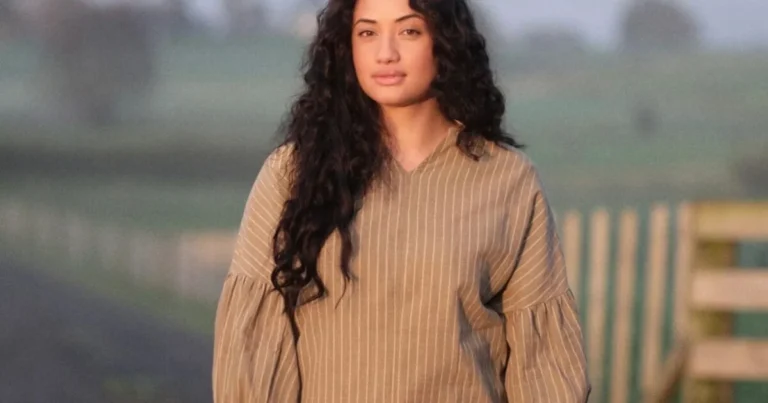
The gender-neutral line features garments crafted from hand-spun and hand-woven materials, employing plant-based dyes and intricate hand-embroidered detailing. This artisanal approach not only celebrates traditional craftsmanship but also inherently reduces the energy footprint associated with industrial manufacturing. The use of natural fibres, free from synthetic components, ensures biodegradability at the end of the garment’s life, addressing the growing concern over textile waste and microplastic pollution. Jiwya’s commitment extends to creating items that are not merely trendy but are designed for longevity, encouraging an investment mindset rather than disposable consumption. These are the kind of pieces that become cherished wardrobe staples, worn and admired for years, embodying the true spirit of sustainable luxury. The brand’s presence at Paris Fashion Week, a global epicentre of fashion, underscores the growing acceptance and desirability of truly ethical and innovative design on the international stage.
Dilli Grey’s Artisanal Dresses: Preserving Craft and Labour Justice
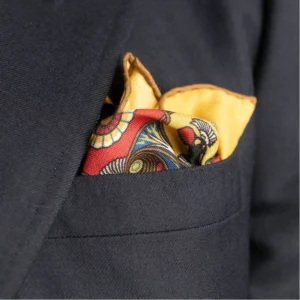
Dilli Grey’s latest collection of dresses offers a vibrant testament to the power of traditional craftsmanship and ethical production. Each dress is beautifully patterned using time-honoured block printing techniques, a craft passed down through generations. These garments are produced in small batches by skilled artisans across Jaipur, Lucknow, and Delhi, India, a process that Dilli Grey oversees through seasonal visits to its workshops. This direct engagement ensures transparency and fosters strong relationships with the artisans, moving beyond mere transactional exchanges to genuine partnerships.
The small-batch production model is inherently sustainable, contrasting sharply with the mass production cycles of fast fashion. It minimises waste, prevents overproduction, and allows for meticulous attention to detail. More profoundly, Dilli Grey’s approach champions social sustainability by preserving traditional craft techniques that are often at risk of being lost in a globalised, industrialised market. By providing consistent work and fair wages to artisans, the brand not only supports local economies but also upholds labour justice, a critical pillar of true sustainability. Each dress, with its unique hand-printed design, tells a story of cultural heritage and skilled labour, serving as a powerful conversation starter about the importance of ethical sourcing, the value of handmade goods, and the dignity of work. These dresses are not just stylish additions to a wardrobe; they are tangible symbols of a commitment to a more equitable and environmentally responsible fashion industry.
The Road Ahead: Collective Responsibility and Informed Choices
The current state of sustainable fashion in April 2026 is a complex interplay of systemic challenges and inspiring individual efforts. While the broader economic climate and geopolitical shifts present formidable hurdles for organisations and brands striving for ethical change, the resilience and innovation demonstrated by companies like Triarchy, Pangaia, Bario Neal, Jiwya, and Dilli Grey offer a compelling vision for the future. Their commitment to organic materials, advanced technologies, transparent sourcing, artisanal craftsmanship, and timeless design proves that a fashion industry aligned with environmental and social values is not only possible but thriving in pockets.
The path forward demands collective responsibility. Policymakers must re-evaluate their climate commitments and foster an economic environment that supports sustainable businesses. Larger corporations have a responsibility to invest in genuine ethical practices rather than relying on greenwashing. For consumers, the message is clear: informed choices matter. Supporting brands that uphold rigorous ethical standards, as identified by independent ratings systems like Good On You, directly contributes to strengthening the "upwaves" of progress. By valuing quality over quantity, transparency over vague claims, and the preservation of craft over mass production, consumers can become powerful advocates for an industry that truly respects people, the planet, and animals. The journey towards a fully sustainable fashion ecosystem is ongoing, but the innovations highlighted this April serve as powerful reminders that progress, though sometimes cyclical, is ultimately inevitable with sustained effort and conscious engagement.
Editor’s note
Feature image via Dilli Grey, all other images via brands mentioned. Good On You publishes the world’s most comprehensive ratings of fashion and beauty brands’ impact on people, the planet and animals. Use the directory to search thousands of rated brands.