









The London-headquartered startup Fleek has secured a total of $20.4 million in funding, comprising a $14.8 million Series A and a previously unannounced $5.6 million seed round, to modernize the fragmented and largely analog world of secondhand clothing wholesaling. The investment marks a significant milestone for the three-year-old company, which aims to serve as the digital backbone for the rapidly expanding circular fashion economy. By connecting large-scale wholesalers in regions such as South Asia and the Middle East with a global network of retailers and independent resellers, Fleek is addressing a critical bottleneck in a market that has transitioned from a niche necessity to a multi-billion-dollar global industry.
The funding round was led by HV Capital, with significant participation from prominent venture capital firms Andreessen Horowitz (a16z), which had led the startup’s initial seed round, and the startup accelerator Y Combinator. The investment also drew a roster of high-profile individual backers from the e-commerce and logistics sectors, including Shopify President Harley Finkelstein, former Depop CEO Maria Raga, and Postmates CTO Sean Plaice. This concentration of expertise suggests a strong industry consensus on the need for technological infrastructure within the secondhand apparel supply chain.
Bridging the Gap in a Fragmented Global Market
Fleek’s core value proposition lies in its ability to bring transparency and efficiency to a supply chain that has traditionally operated through offline channels, word-of-mouth, and intensive manual labor. To date, the platform has facilitated the movement of over 2.5 million items of secondhand clothing, connecting approximately 1,000 wholesale suppliers with a network of 10,000 resellers and retailers spanning 70 countries.
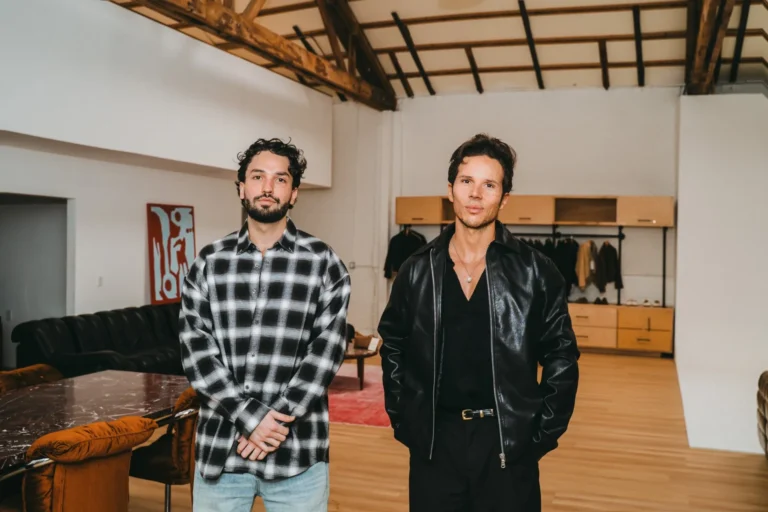
The founders, Abhi Arora and Sanket Agarwal, identified a systemic inefficiency in how vintage and used clothing moved from massive sorting facilities to the storefronts of boutiques and online sellers. Before the advent of digital marketplaces like Fleek, retailers often had to travel internationally to visit warehouses in person. This "heads down, bums up" approach—as described by CEO Abhi Arora—involved store owners physically sifting through mountains of unsorted garments to find high-value "vintage" pieces.
The COVID-19 pandemic served as a catalyst for the company’s inception. In 2021, travel restrictions halted the traditional sourcing methods of retailers, forcing wholesalers to adopt makeshift digital solutions such as showing stock over Instagram Live or negotiating via WhatsApp video calls. Recognizing the lack of a standardized, secure platform for these high-volume transactions, Arora, a Cambridge MBA graduate, and Agarwal, a former Google software engineer, set out to build a dedicated B2B marketplace.
Chronology and Founders’ Vision
The genesis of Fleek is rooted in a combination of personal observation and professional expertise. In 2021, Sanket Agarwal observed the sourcing struggles of a relative who sold clothing on Poshmark. Simultaneously, Abhi Arora began investigating the secondhand trade in London’s Brick Lane, a global hub for vintage fashion. His conversations with local shop managers revealed a desperate need for a more reliable, remote sourcing method.
The founders’ cultural background played a pivotal role in the company’s early success. Both Arora and Agarwal grew up in India, a country that sits at the center of the global textile recycling and secondhand trade. India and Pakistan are among the world’s largest importers of used clothing from Western nations, where the garments are sorted, repaired, and re-exported. The founders’ ability to speak the local languages and understand the business culture of these massive wholesale hubs allowed them to build trust with suppliers who had previously operated almost entirely offline.
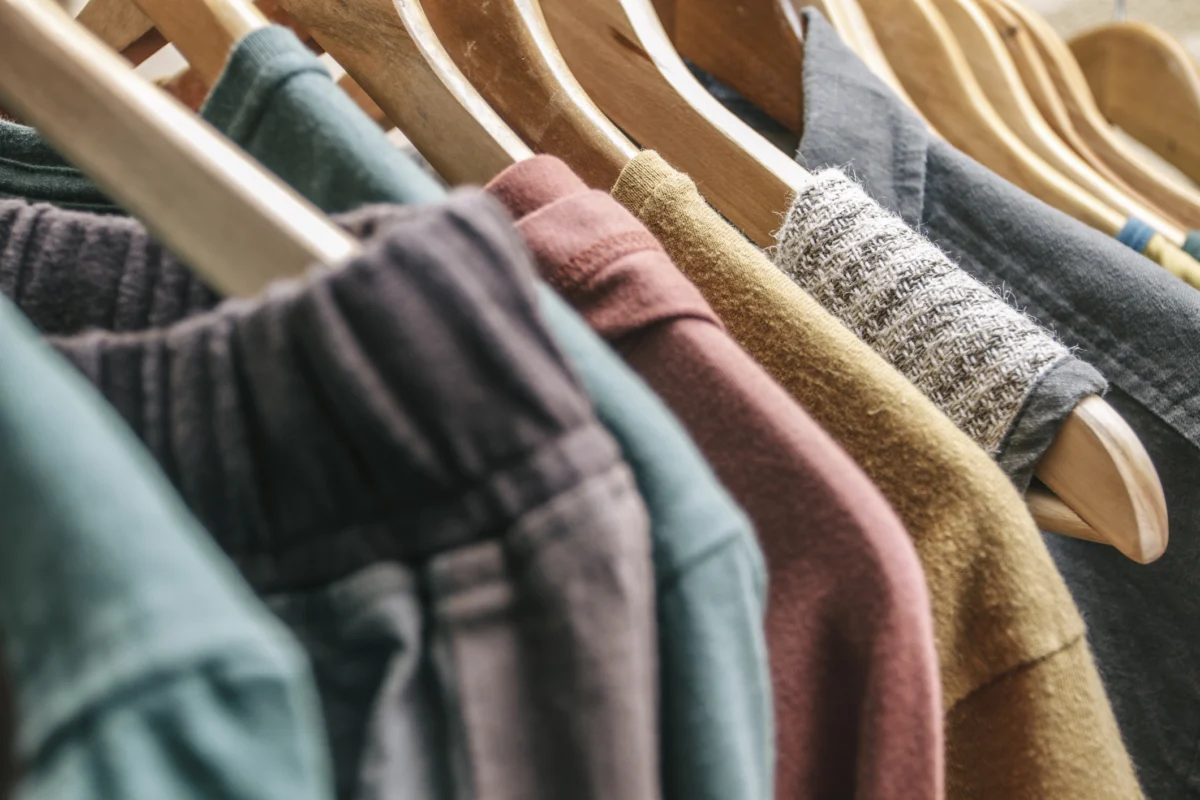
Since joining the Y Combinator Winter 2022 batch, Fleek has scaled rapidly. The platform now manages complex logistics, payment processing, and quality assurance, allowing a small boutique in London or a Gen Z reseller in New York to purchase curated "bundles" of vintage Levi’s or North Face jackets from a warehouse in Karachi with the same ease as ordering new inventory from a traditional wholesaler.
Supporting Data: The Rise of the Circular Economy
The investment in Fleek comes at a time when the secondhand fashion market is experiencing unprecedented growth. According to a 2024 Resale Report by GlobalData and ThredUp, used clothing now accounts for approximately 10% of all global clothing sales. The sector is projected to reach $350 billion by 2028, growing three times faster than the overall apparel market.
Demographic shifts are the primary driver of this trend. Data from ECDB, an e-commerce analytics firm, indicates that 68% of Gen Z and Millennial consumers in the United Kingdom purchased at least one secondhand item in the past year. These consumers are motivated by a combination of factors:
- Sustainability: Increasing awareness of the environmental impact of "fast fashion" has led consumers toward the circular economy to reduce waste.
- Individuality: Vintage clothing allows shoppers to find unique items that stand out in a mass-produced market.
- Affordability: Amid global inflationary pressures, secondhand goods offer a cost-effective alternative to new apparel.
Fleek occupies a unique position in this ecosystem. While platforms like Vinted, Depop, and Poshmark have revolutionized the consumer-to-consumer (C2C) and business-to-consumer (B2C) segments, Fleek focuses on the B2B infrastructure that supplies these sellers. As the number of professional resellers grows, the demand for reliable, high-volume wholesale stock has surged.
Operational Mechanics and Technological Innovation
Fleek’s platform manages the inherent chaos of the secondhand trade through data-driven organization. The wholesalers Fleek partners with are industrial-scale operations, often processing up to 400,000 kilograms of clothing daily. Fleek’s software allows these suppliers to categorize their inventory by weight, brand, style, size, and material, creating a searchable digital catalog for buyers.
The company’s revenue model is based on a commission structure. Fleek takes a percentage of the transaction, which varies based on the volume and quality of the goods sold. In exchange, the platform provides a layer of security that was previously missing in the industry. It handles cross-border payments, manages shipping logistics, and provides a dispute resolution framework to protect buyers from receiving sub-par or counterfeit goods.
Looking forward, Fleek is investing heavily in advanced technology to further streamline the industry. This includes:
- Predictive Analytics: Using historical sales data to help retailers forecast upcoming vintage trends (e.g., predicting the return of 90s streetwear or early 2000s aesthetics).
- AI-Driven Quality Control: Developing tools to assist wholesalers in the sorting process and to better identify counterfeit luxury items, which remains a significant challenge in the secondhand market.
- Logistics Optimization: Improving the speed and reliability of international shipping from South Asian and Middle Eastern hubs to Western markets.
Official Responses and Investor Perspectives
The participation of HV Capital and Andreessen Horowitz underscores the belief that the "unorganized" sector of secondhand clothing is ripe for a platform-based revolution. In a statement following the funding announcement, Fleek’s leadership emphasized their commitment to empowering small entrepreneurs.
"We want to bring on more buyers, bring on more sellers, and build technology to continue empowering these entrepreneurs on both sides of the marketplace," said Sanket Agarwal. "The goal is to make the experience consistent for everyone, regardless of where they are in the world."
Industry analysts suggest that the backing from Shopify’s Harley Finkelstein and Depop’s Maria Raga is particularly telling. It signals an integration of the secondhand market into the broader e-commerce landscape. As Shopify enables more independent brands to launch, many of those brands are focusing on upcycled or vintage collections, creating a direct pipeline for Fleek’s services.
Broader Impact and Implications
The implications of Fleek’s growth extend beyond simple e-commerce efficiency. By digitizing the supply chain, Fleek is contributing to the professionalization of the circular economy. This has significant environmental benefits; by making it easier for retailers to source and sell used clothing, the platform helps extend the lifecycle of garments, potentially diverting millions of tons of textile waste from landfills.
Furthermore, Fleek provides a vital economic link for wholesalers in developing nations. By connecting these large-scale employers in Pakistan and India directly to high-margin Western markets, the platform facilitates more equitable global trade. It removes the need for multiple layers of middlemen, allowing more value to remain with the sorters and exporters at the source.
However, challenges remain. The secondhand industry is notoriously difficult to standardize. Unlike new garments, every used item is unique in its condition and wear. Fleek’s success will depend on its ability to maintain rigorous quality standards across thousands of suppliers and millions of items. If the startup can successfully leverage AI and machine learning to solve the problems of grading and authentication at scale, it could become the definitive operating system for the global vintage trade.
As the fashion industry faces increasing regulatory pressure to adopt more sustainable practices—such as the EU’s proposed "Right to Repair" and textile waste directives—platforms like Fleek are positioned to move from the periphery of the fashion world to its very center. The $20.4 million injection provides the capital necessary to solidify this position, turning a once-analog, "heads down" industry into a high-tech, global marketplace.