


The 79th annual Cannes Film Festival continued its tradition of merging high cinema with avant-garde fashion during the premiere of Histoires De La Nuit at the Palais des Festivals. As a cornerstone of the international film calendar, the event serves not only as a platform for cinematic achievement but also as a premier global stage for the luxury fashion industry. The evening’s red carpet was characterized by a sophisticated interplay of archival revivals, contemporary haute couture, and a notable shift toward refined minimalism. Industry analysts observed that the sartorial choices at this year’s festival reflect a broader market trend toward "quiet luxury" and the increasing valuation of vintage pieces as a form of sustainable high fashion.
The Evolution of the Cannes Red Carpet and Global Fashion Influence
The Cannes Film Festival remains one of the most-watched media events globally, with an estimated reach of over 30 million viewers across various digital and traditional platforms. For luxury houses such as Dior, Chanel, and Givenchy, the red carpet represents a marketing opportunity with an Earned Media Value (EMV) that often exceeds traditional advertising campaigns. The premiere of Histoires De La Nuit offered a strategic moment for designers to showcase upcoming collections, specifically those categorized under the 2026 seasonal previews.
Data from fashion analytics firms suggest that appearances at Cannes can lead to a significant surge in brand searches, with some labels seeing up to a 140% increase in online engagement within 48 hours of a high-profile walk. The evening’s attendees—ranging from seasoned Hollywood veterans to rising international stars—curated a visual narrative that balanced the dramatic expectations of the Croisette with modern stylistic sensibilities.
Architectural Couture: Eva Longoria in Tamara Ralph
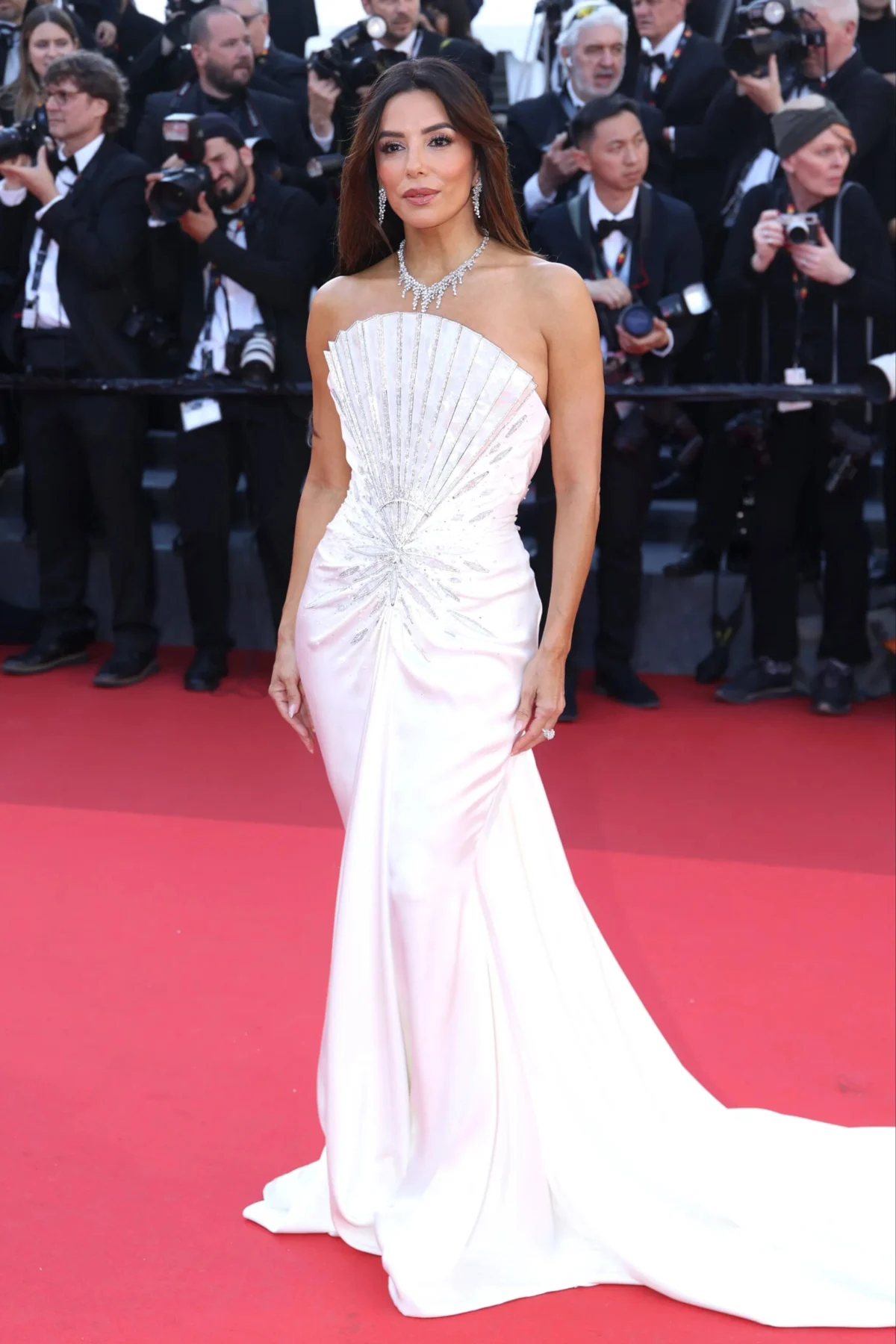
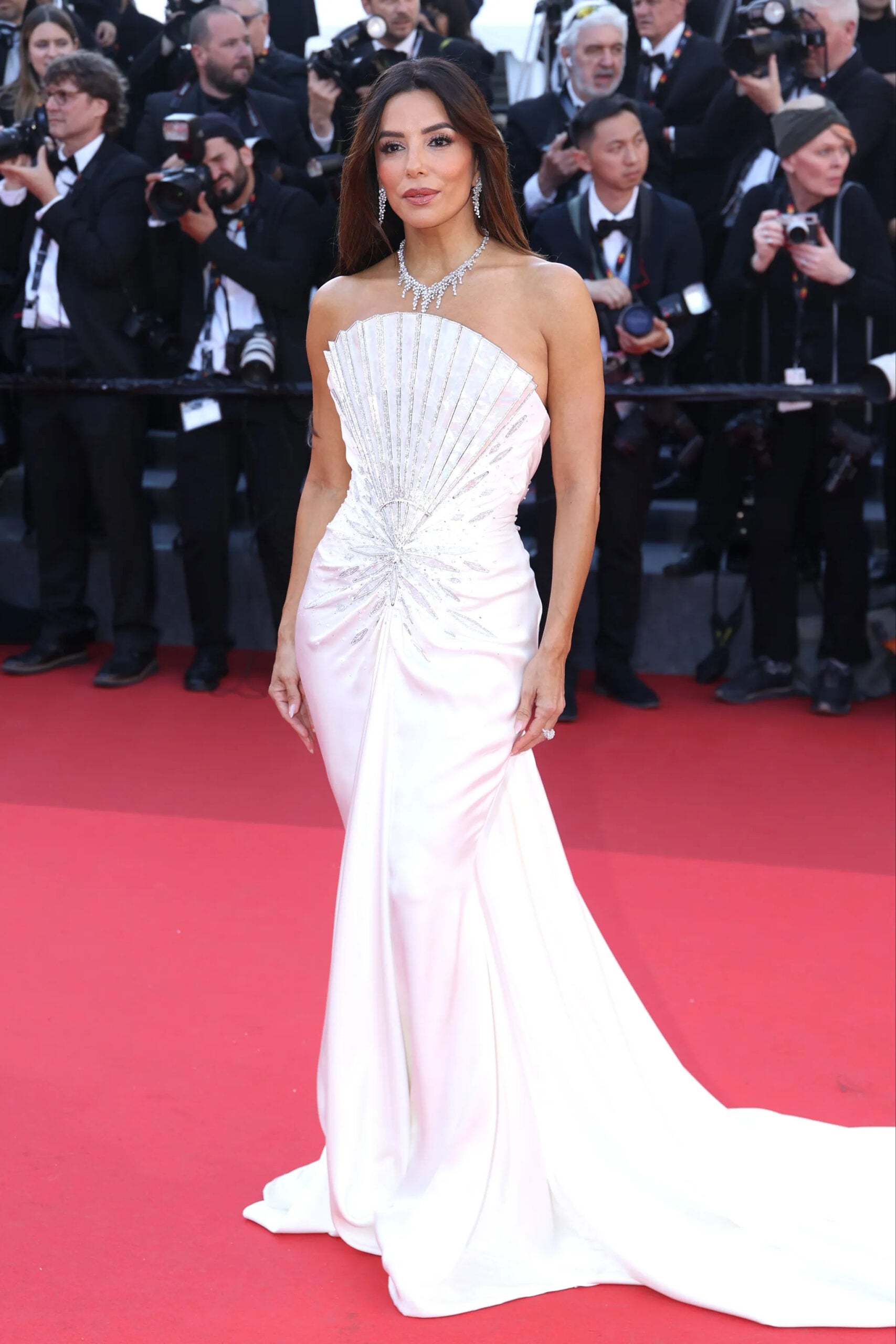
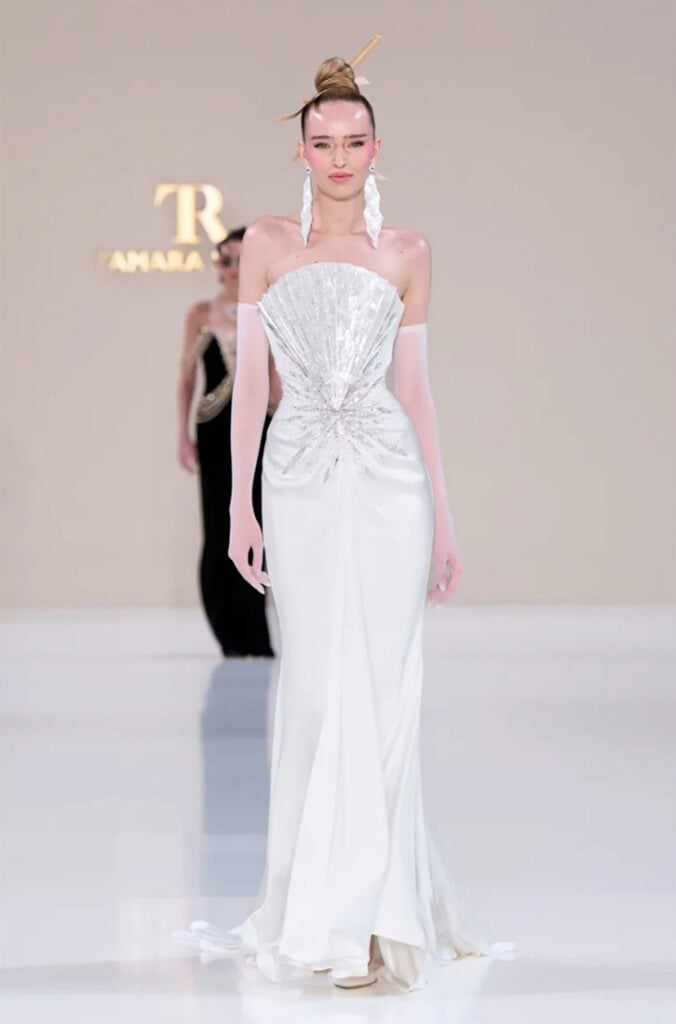
Eva Longoria, a long-standing fixture at the Cannes Film Festival and a global ambassador for several luxury brands, provided a definitive moment in classical glamour. Longoria appeared in a white satin gown designed by Tamara Ralph. The garment featured a highly technical, fan-shaped neckline that radiated from the bodice, a design element requiring extensive internal scaffolding and precision draping.
The use of white satin is a recurring motif in red carpet history, often associated with the "Old Hollywood" aesthetic. However, Ralph’s interpretation introduced a modern architectural edge. The gown’s silhouette was sleek and body-conscious, contrasted by the expansive, light-catching detail of the neckline. Longoria’s ensemble was accessorized with high-jewelry diamonds, a choice that industry experts noted aligns with the "maximalist minimalism" trend—where the garment’s structure is the primary focus, supported by traditional luxury accents.

The Archival Movement: Leïla Bekhti and Givenchy
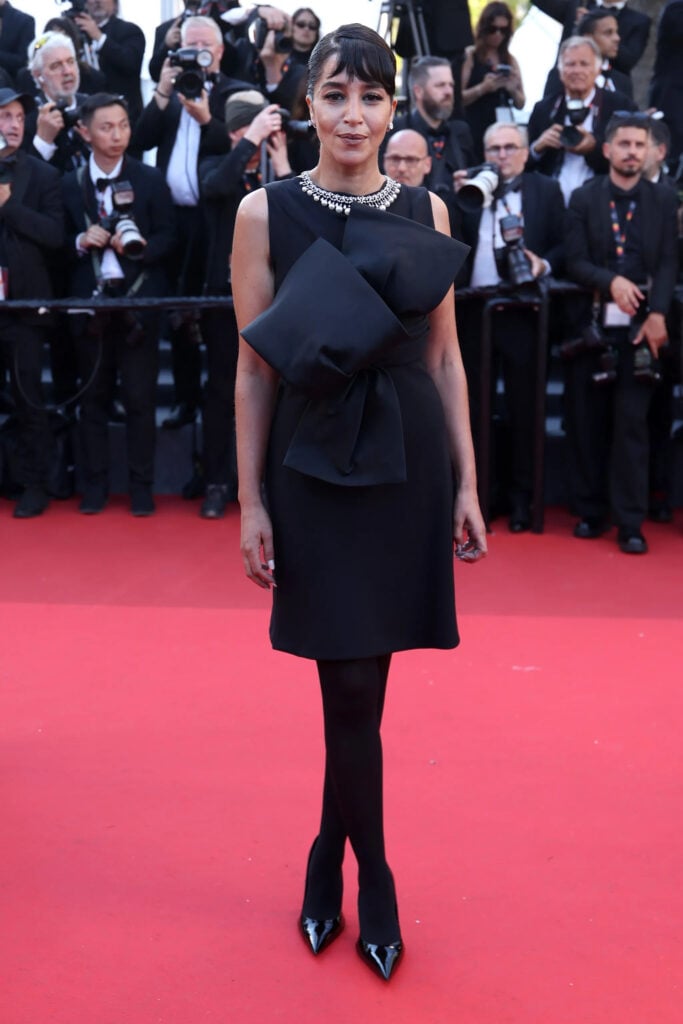
A significant highlight of the evening was the appearance of Leïla Bekhti in a vintage Givenchy piece from the Spring 1996 Haute Couture collection. This archival selection underscores a growing movement within the celebrity styling world to prioritize historical fashion heritage over mass-produced contemporary pieces. The 1996 Givenchy collection is particularly noted by fashion historians as a pivotal era for the house, blending traditional French elegance with experimental proportions.
Bekhti’s look centered on an oversized, sculptural bow that transformed a standard "little black dress" into a work of wearable art. By pairing the couture piece with opaque tights and understated pumps, the styling emphasized the garment’s silhouette rather than its embellishments. This "understated drama" has become a hallmark of French red carpet style. To complete the look, Bekhti wore a necklace from Chaumet, one of the historic jewelers of the Place Vendôme, further grounding the ensemble in a legacy of French craftsmanship.
Romanticism and Technical Embroidery: Hafsia Herzi and Dior
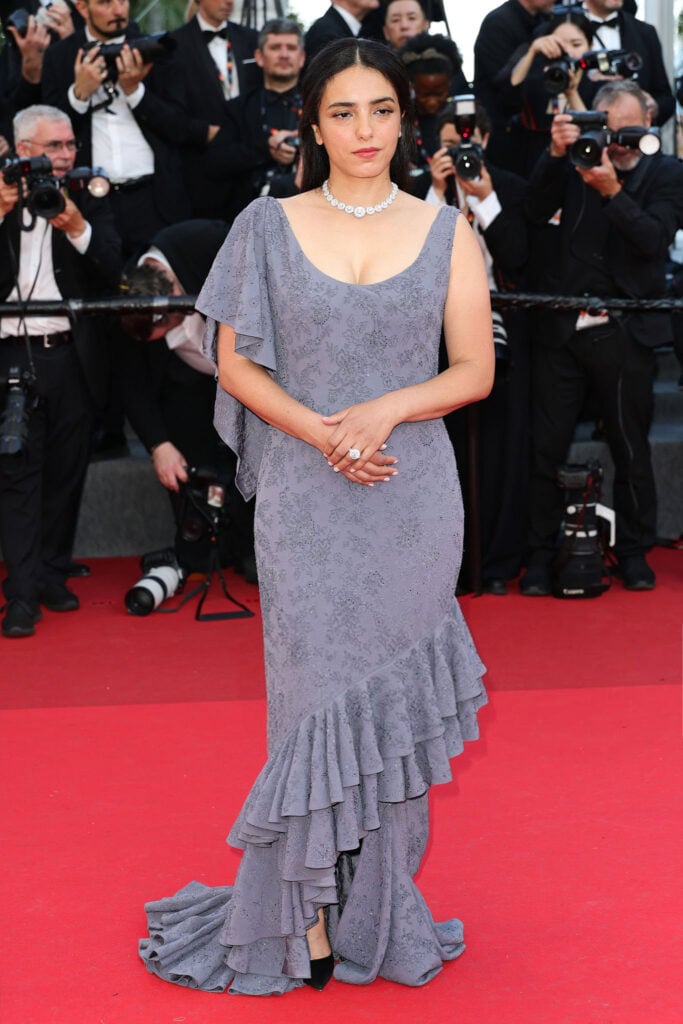
Hafsia Herzi’s choice of Dior Haute Couture represented the delicate craftsmanship associated with the house’s atelier. The grey crepe gown featured intricate embroidery in a lace-inspired motif, a process that typically requires hundreds of hours of manual labor. The dress was characterized by cascading ruffle detailing that provided a soft, fluid motion as Herzi navigated the stairs of the Palais.
The choice of grey—a signature color for the House of Dior since its inception in 1947—offered a departure from the high-contrast blacks and whites seen elsewhere on the carpet. Analysts point out that such "quiet" colors often photograph with greater depth under the intense lighting of the Cannes flashbulbs. Herzi’s look was finished with jewels from Messika, a brand known for its contemporary approach to diamond settings, providing a modern counterpoint to the romanticism of the Dior gown.
Tonal Trends and Youthful Luxury: Ariana Greenblatt in Miu Miu
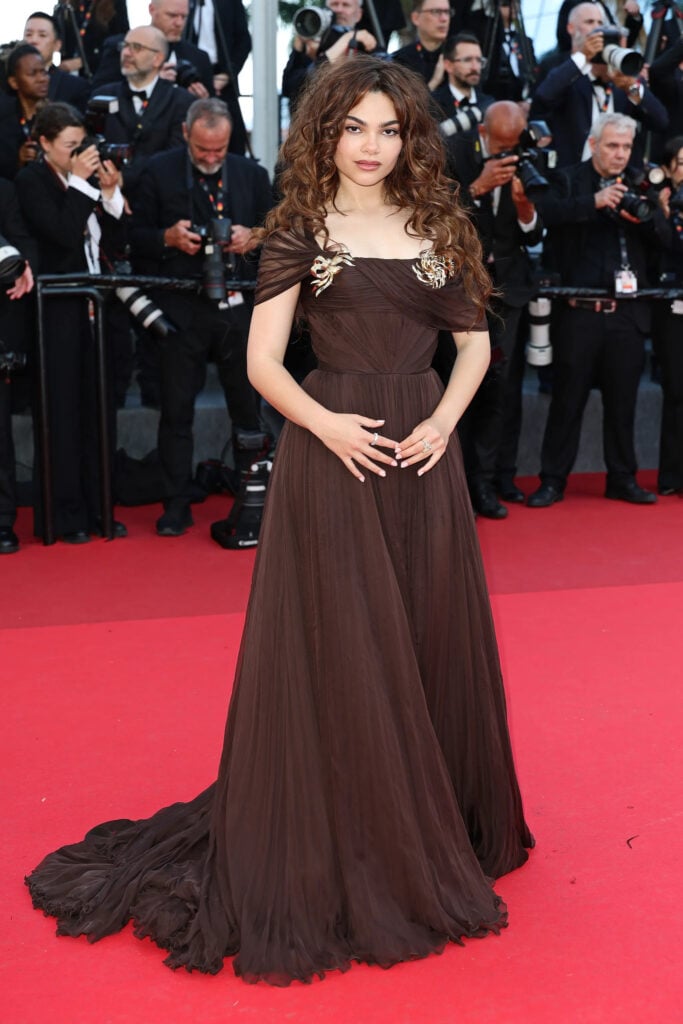
Representing the younger generation of talent, Ariana Greenblatt arrived in a chocolate-brown tulle gown by Miu Miu. The choice of color is particularly relevant as "earth tones" and "bitter chocolates" have seen a resurgence on the runways of Milan and Paris, moving away from the vibrant "Barbiecore" pinks that dominated previous seasons.
The gown utilized layers of fine tulle to create volume without weight, accented by gold brooches that added a vintage-inspired hardware element to the delicate fabric. While the styling included rings from Chopard—the official partner of the Cannes Film Festival—some fashion critics noted that the choice of hairstyle, left loose and voluminous, competed with the intricate neckline of the dress. From a brand perspective, Miu Miu’s presence on the carpet continues to solidify its position as the leading label for the "Gen Z" luxury market, emphasizing a blend of playfulness and high-fashion rigor.
Redefining Maternity Fashion: Tao Okamoto and Chanel
The appearance of Tao Okamoto in Chanel Fall 2026 (preview) offered a masterclass in modern maternity dressing. Okamoto opted for a drop-waist silhouette, a design choice that accommodates a changing physique while maintaining a high-fashion edge. The look featured a plaid pattern and oversized proportions, reflecting the current industry shift toward relaxed, deconstructed tailoring.
Historically, maternity fashion on the red carpet was often restricted to empire waists or concealing drapes. Okamoto’s embrace of Chanel’s soft structures and masculine-inspired textiles demonstrates the evolving standards of beauty and visibility for pregnant women in the entertainment industry. This shift is mirrored in retail data, which shows a 30% increase in demand for "fashion-forward" maternity options that do not compromise on the wearer’s personal style.
Minimalist Tailoring: Alice Taglioni in Berluti
In a move that contrasted with the evening’s heavy embroidery and voluminous tulle, Alice Taglioni chose an all-white suit from Berluti. Traditionally known as a men’s luxury bootmaker and clothier, Berluti’s expansion into women’s tailoring highlights the increasing fluidity of gendered fashion. The suit was crisp, minimal, and devoid of unnecessary ornamentation.
The "power suit" remains a potent symbol on the Cannes red carpet, often serving as a statement of professional autonomy. Taglioni’s choice was praised by observers for its "refreshing clarity." In an environment where stars are often pressured to wear the most extravagant gowns possible, the choice of a perfectly tailored suit can be a more effective way to stand out. This trend toward "clean" aesthetics is reflected in the broader luxury market’s move toward investment pieces—items that offer longevity and versatility beyond a single event.
Chronology of the Event
The premiere of Histoires De La Nuit followed a strict protocol that defines the Cannes experience:
- Early Evening (6:00 PM – 6:45 PM): Arrival of international delegates and supporting cast members. This period is typically characterized by rising designers and regional fashion houses.
- Prime Arrivals (6:45 PM – 7:15 PM): The "A-list" arrivals, including Eva Longoria and Leïla Bekhti. This is the peak window for media coverage and live broadcasts.
- The "Montée des Marches" (7:15 PM – 7:30 PM): The final ascent of the famous red stairs. This is where the technical details of the gowns, such as the ruffles on Hafsia Herzi’s Dior or the train of Longoria’s Tamara Ralph, are most visible to the global press.
- The Screening (7:30 PM): Guests enter the Grand Théâtre Lumière for the official premiere, marking the transition from fashion showcase to cinematic evaluation.
Broader Implications for the Luxury Sector
The fashion displayed at the Histoires De La Nuit premiere serves as a bellwether for the upcoming retail year. The dominance of brands like Chanel, Dior, and Givenchy reinforces the "Big Luxury" hegemony, yet the inclusion of Tamara Ralph and the use of archival pieces suggest that there is room for independent vision and historical appreciation.
Furthermore, the integration of high jewelry from Chopard, Chaumet, and Messika highlights the symbiotic relationship between the film industry and the jewelry sector. Chopard, as a primary sponsor, provides the Palme d’Or trophy itself, making the festival as much a jewelry exhibition as it is a film competition.
As the festival progresses, the data collected from these red carpet appearances will influence buyer decisions for the 2026 retail season. The preference for white satin, chocolate tones, and structural tailoring observed during this premiere is likely to permeate high-street fashion and luxury ready-to-wear collections in the coming months. The Cannes Film Festival once again proved that the red carpet is not merely a walkway, but a sophisticated engine of global commerce and cultural narrative.